REVIEW · LONDON
Clapham South: Subterranean Shelter Guided Tour
Book on GetYourGuide →Operated by London Transport Museum · Bookable on GetYourGuide
If you like your London history slightly underground, this tour fits. You’ll head 30 metres down into a secret tunnel system built to protect thousands during air raids, then hear how the same space changed after the war.
Two things I really like: the guides’ ARP Warden role-play brings the shelter to life fast, and you get to see the original bunks where people slept overnight in extreme cramped conditions. It’s not a distant lecture; it’s a guided walk with stops that feel lived-in.
One consideration: the route involves a lot of walking on uneven ground, plus low lighting and static escalators. If you’re claustrophobic or have mobility needs, this is probably not for you.
In This Review
- Key Tour Highlights You’ll Actually Notice
- What Clapham South’s Subterranean Shelter Is Really Like
- Getting There: The Short Walk That Keeps You From Stressing
- The Descent: 11 Stories Down With the Tube Moving Above
- Sleeping Through Air Raids: Bunks, Bench-Seat Moments, and Real Constraints
- Canteen and Warden’s Cabin: Recreated Spaces That Help You Picture Daily Life
- Artefacts and Anderson Shelter: When the Tour Gets Hands-On
- From War to Windrush: The Post-War Story Under the Same Roof
- Price and Time: Is $51 for 75 Minutes Good Value?
- Who Should Book, and Who Should Skip This One
- Practical Tips Before You Go Underground
- Should You Book This Clapham South Shelter Tour?
- FAQ
- How long is the Clapham South Subterranean Shelter guided tour?
- Where do I meet for the tour?
- What should I bring with me?
- Is the tour suitable for children?
- Is it step-free or wheelchair accessible?
- Is it okay if I’m claustrophobic?
- Are food, drinks, or bags allowed?
- Can I cancel or pay later?
Key Tour Highlights You’ll Actually Notice
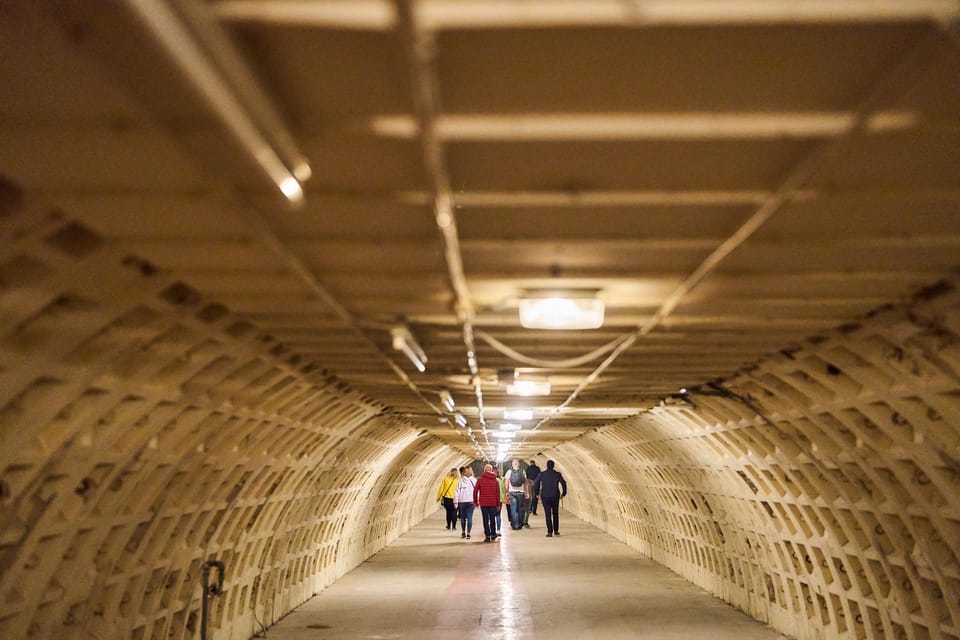
- 11-storey descent to the deep-level shelter under Clapham South
- More than a mile of tunnels you’ll move through on the guided route
- Wartime canteen, warden’s cabin, and sleeping quarters recreated to their 1940s look
- Hands-on WWII artefacts, including torches and an Anderson shelter
- Graffiti left by occupants, so the history feels personal not polished
- Windrush and the post-war repurposing of the shelter under London Transport Museum
What Clapham South’s Subterranean Shelter Is Really Like
This is one of the deep-level air raid shelters hidden under London streets, and it’s hard to picture until you’re actually underground. The site you visit sits beneath Clapham South station, and it was built in the 1940s to shelter over 8,000 people. It opened in 1944, and the tour explains why these spaces mattered when bombs were falling above.
The best part is how the experience is built around feeling the shelter’s purpose. You’re not just looking at photos. You walk through tunnels and rooms designed for survival, then the guides connect that wartime life to the post-war years when the shelter was repurposed.
You’ll also hear stories that make the timeline feel real. One of the key threads is the arrival of the first Caribbean migrants to Britain on HMT Empire Windrush, linking the same underground spaces to a very different kind of new beginning.
You can also read our reviews of more guided tours in London



Getting There: The Short Walk That Keeps You From Stressing
The meeting point is simple: stand in front of the Marks & Spencer Food Hall on Balham HIII, SW12 9EA. It’s about a two-minute walk from Clapham South station—when you exit the station, turn right.
I recommend arriving 15 minutes early. Even though the walking time is short, you’ll want a buffer for finding the correct spot and getting your bearings before you start descending.
Also, plan your outfit around the fact that you’re going underground and moving around. The tour runs in English, and you’ll be standing and walking in darker, less forgiving conditions than a typical sightseeing route.
The Descent: 11 Stories Down With the Tube Moving Above
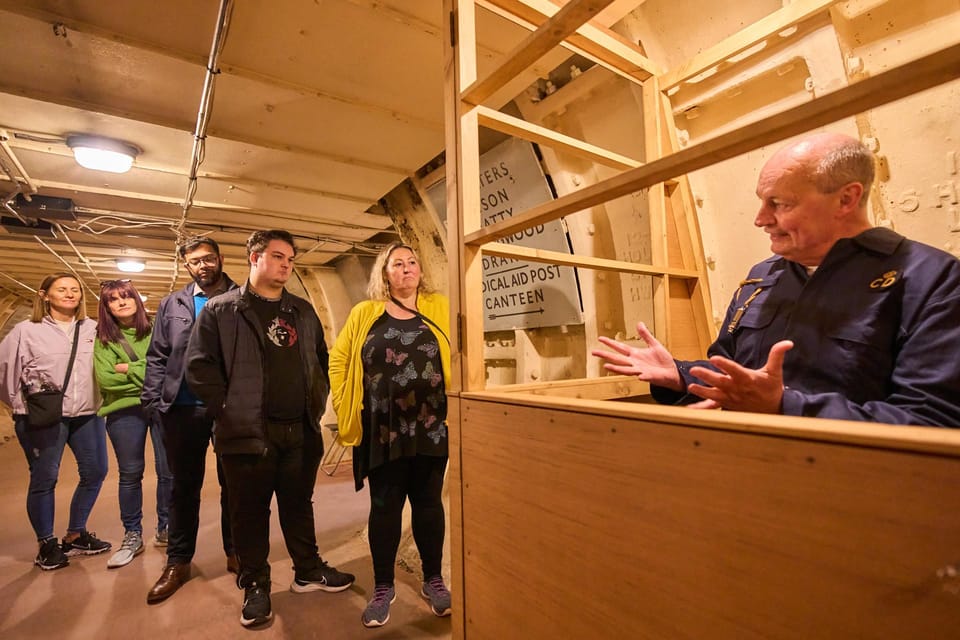
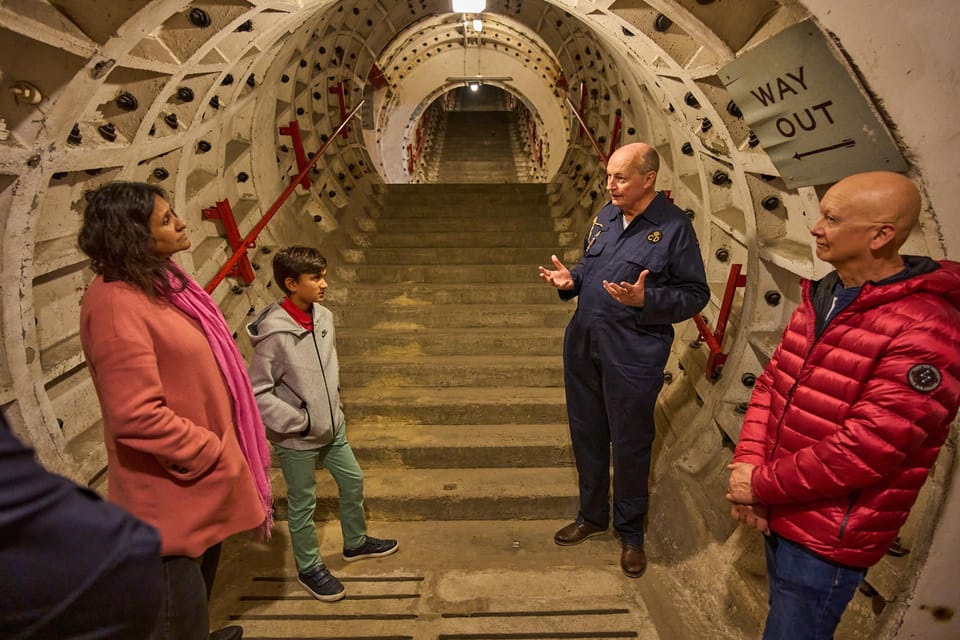
The tour begins with a serious drop: you descend 11 stories underground to reach the shelter’s deep-level tunnels. As you go down, the sensory contrast does a lot of the storytelling for you—because you can hear the Northern line trains passing above your head while you’re in the underground world.
That sound matters. It’s a reminder that this shelter was built under an active city, not in a museum hallway. The guide frames how secret construction worked in the 1940s and why the shelter needed to be hidden beneath busy London streets.
You should also know the environment is not designed for comfort-first tourism. Expect low lighting and a bit of variation underfoot. That’s part of the point, but it’s also your reason to wear sturdy footwear.
Sleeping Through Air Raids: Bunks, Bench-Seat Moments, and Real Constraints
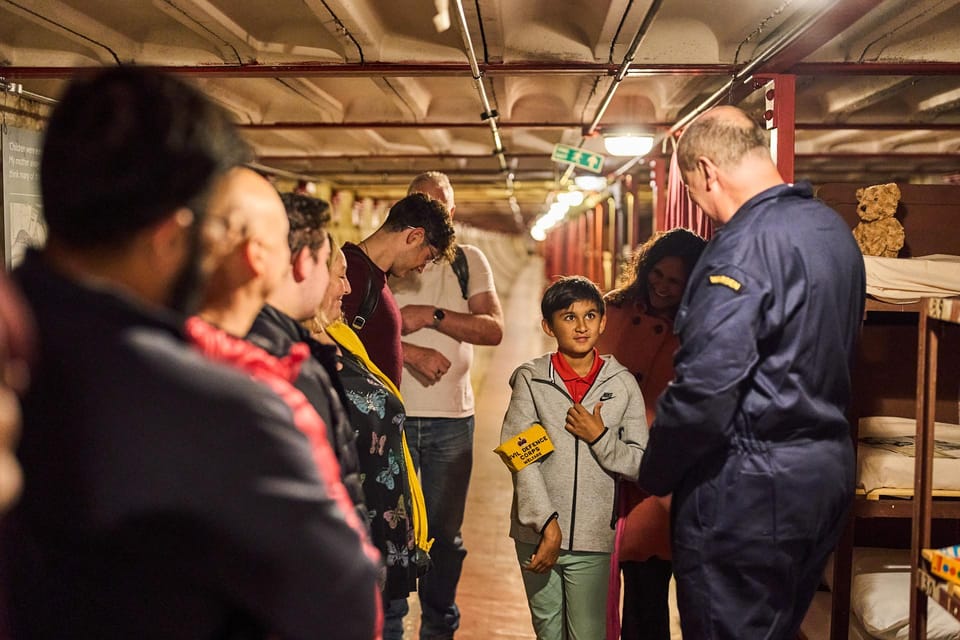
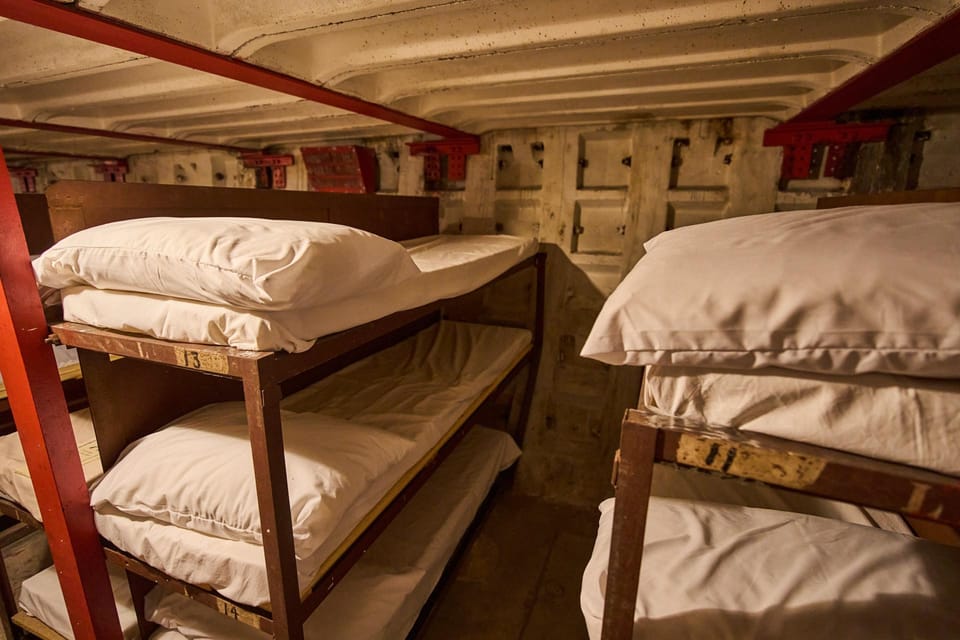
Once you’re in the main areas, the shelter’s sleeping quarters are the heart of the experience. You’ll see original cramped bunk beds, the type of sleeping arrangement that thousands relied on during air raids.
This is where the tour really changes your perspective. People often imagine sheltering as dramatic moments with cinematic lighting. Here, you learn how it worked in practical terms: limited space, tight sleeping arrangements, and an entire routine shaped around waiting for raids to pass.
The tour also includes seating on original bunk beds that have been turned into benches. It’s uncomfortable in the right way—not unsafe, but you feel how narrow and close the real conditions were. The guides explain what families did during their first night in the shelter, so you can picture the first awkward hours instead of treating it like an abstract concept.
Canteen and Warden’s Cabin: Recreated Spaces That Help You Picture Daily Life
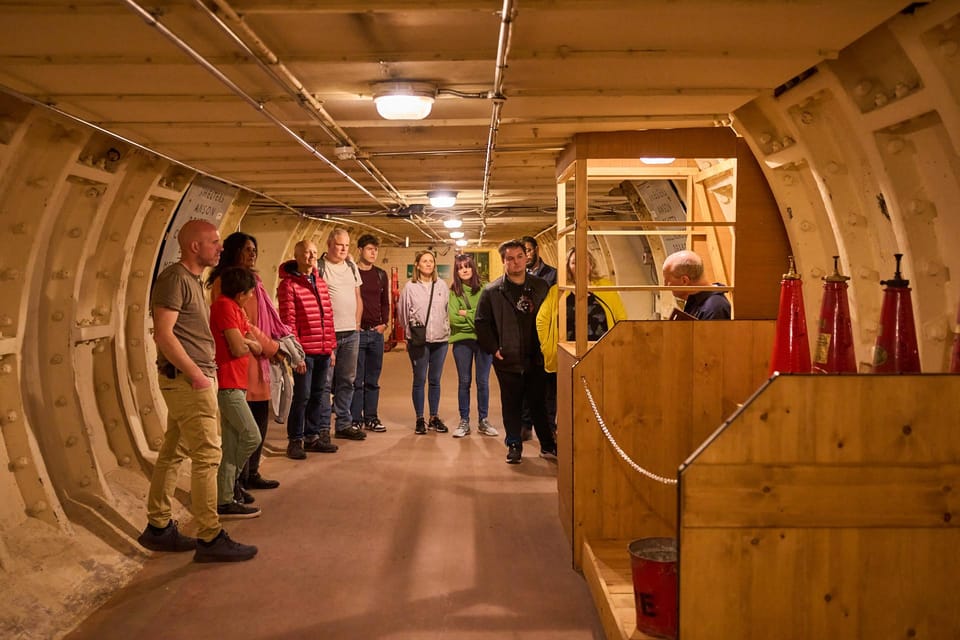
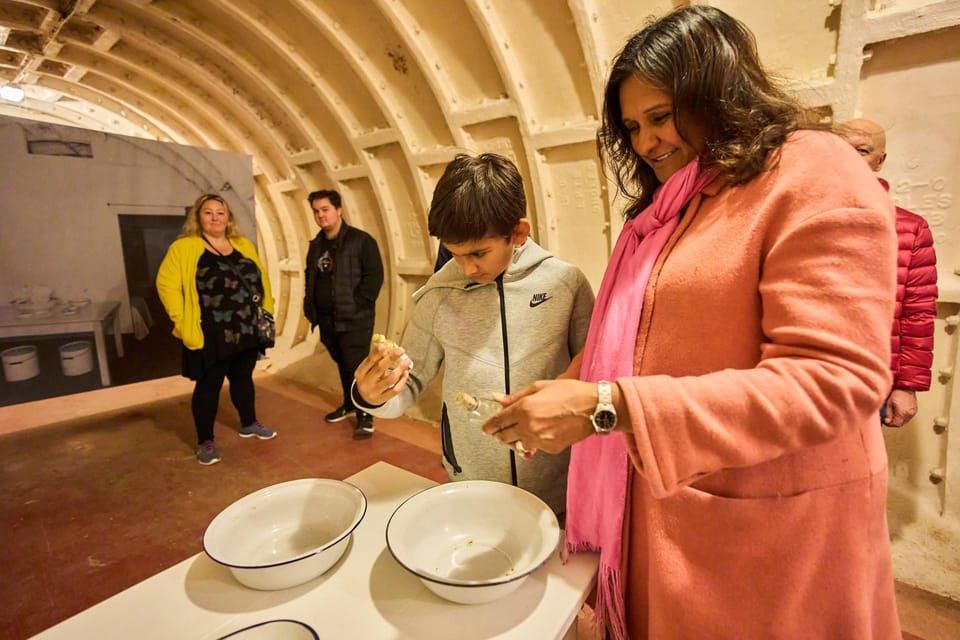
A standout part of the tour is the way renovated areas are presented. The warden’s cabin and canteen have been refurbished to match their 1940s state, based on research from archives and historical findings.
That matters because it keeps you from guessing. When you’re in the canteen or cabin spaces, you’re not just seeing objects—you’re seeing how the shelter functioned like a small controlled world. Even with limited time and supplies, these were structured areas with roles, procedures, and a sense of order.
The guides also bring in a performance element. One guide portrays a 1940s ARP Warden, and that role-play helps the story land quickly. Instead of waiting for distant narration, you get a scene-setter who connects the physical spaces to human job roles.
If you’re the kind of person who learns better by seeing how people would move through a space, this part is a win.





Artefacts and Anderson Shelter: When the Tour Gets Hands-On
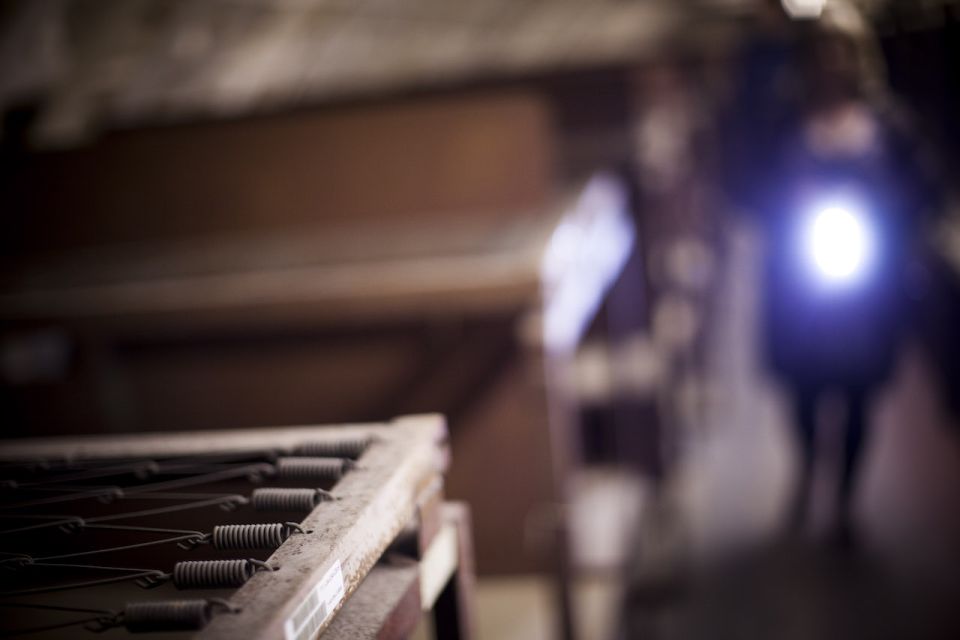
This tour doesn’t only point. It lets you interact with history in small, controlled ways. You’ll handle genuine Second World War torches, and you’ll also see what an Anderson shelter looked like—so you can connect what people sheltered in (at home or in London) to what deep-level shelters protected underground.
There’s also something quietly powerful about reading historical graffiti left by shelter occupants. It’s not “edutainment.” It’s evidence of real people passing time, coping, and leaving marks when there was nowhere else to write your feelings.
One tip: look carefully as the guide moves on. In these spaces, your eyes adjust fast, and that’s when you’ll spot more small details—writing, marks, and traces that turn the shelter into a place, not just a layout.
From War to Windrush: The Post-War Story Under the Same Roof
A key reason this tour feels more than WWII nostalgia is how it handles what happened after the air raids. The shelter didn’t just end when the war did. It was repurposed in the post-war years, and the tour explains that it housed the first Caribbean migrants to Britain who arrived on HMT Empire Windrush.
You’ll also hear about visitors associated with the Festival of Britain. The point isn’t to force a neat storyline. It’s to show that the underground shelter shifted from immediate survival to a different kind of community life.
And that’s where your visit clicks. You start with fear and waiting—then you learn how London repurposed spaces to handle new needs, new arrivals, and the long work of rebuilding.
Price and Time: Is $51 for 75 Minutes Good Value?
At $51 per person for a 75-minute guided tour, you’re paying for a very specific format: experts, a structured route through a real deep-level shelter, and access that isn’t normally possible without a guide.
For value, I’d look at what’s included, not just the clock. You’re getting:
- a guided route through more than a mile of tunnels
- access to reconstructed warden and canteen spaces
- hands-on WWII artefact moments
- wartime accounts and post-war stories, including Windrush
- time in a setting designed for low visibility and real underground constraints
If your goal is a quick “tick the box” London museum visit, it might feel like a lot for a short run. But if you want something you can’t DIY—because it’s underground, partially hidden, and historically interpreted—then it’s priced like a niche, expert-led experience.
Also, the fact that it runs in English with live guides is part of the value. You’re not reading labels in silence; you’re getting the human layer.
Who Should Book, and Who Should Skip This One
This tour is best for people who enjoy close-quarters history and guided interpretation. It’s also ideal if you like learning through acting, period role-play, and real artefacts.
You should skip (or seriously reconsider) if any of these apply:
- Claustrophobia: the spaces are underground and not designed for comfort over breathability.
- Mobility impairments: the tour is not step-free and includes walking plus static escalators.
- Children under 10: it’s not listed as suitable for younger kids.
- People who can’t handle uneven ground and low lighting.
I’d also add a practical point: this tour involves a lot of walking in an environment where you can’t just adjust on the fly. Comfortable shoes are not optional.
Practical Tips Before You Go Underground
Do a little prep so the tour stays enjoyable instead of stressful.
Wear and bring:
- Comfortable shoes with solid grip
- Weather-appropriate clothing (you’ll still deal with London conditions before you go down)
- Your passport or ID card, since it’s specifically listed as needed
Leave at home:
- Open-toed shoes
- Food and drinks
- Luggage or large bags (no space for it on the route)
Also note: there’s no cloakroom, so plan to travel light.
If you’re sensitive to tight spaces, use your judgment early. The tour itself is short enough that you don’t want to spend it thinking about discomfort.
Should You Book This Clapham South Shelter Tour?
Book it if you want a London experience that’s not just above-ground sightseeing. You’ll get a real sense of how people slept, waited, and lived in one of London’s deep shelters—then you’ll see how the same infrastructure connects to post-war Britain and Windrush.
Don’t book it if you’re likely to struggle with enclosed underground spaces, low lighting, uneven ground, or non-step-free movement. In that case, it’s better to find a lighter, more accessible historical option.
If you’re on the fence, here’s my quick rule: if you can handle underground walking for 75 minutes, this tour offers strong educational payoff, clear storytelling, and an impressive sense of place.
FAQ
How long is the Clapham South Subterranean Shelter guided tour?
The tour lasts 75 minutes.
Where do I meet for the tour?
Meet in front of the Marks & Spencer Food Hall on Balham HIII, SW12 9EA, about a two-minute walk from Clapham South station. Turn right when you exit the station.
What should I bring with me?
Bring comfortable shoes, weather-appropriate clothing, and a passport or ID card.
Is the tour suitable for children?
It’s not suitable for children under 10.
Is it step-free or wheelchair accessible?
The tour is not step free and includes walking and static escalators, and it’s listed as not suitable for people with mobility impairments.
Is it okay if I’m claustrophobic?
No. The tour is not suitable for people with claustrophobia.
Are food, drinks, or bags allowed?
Food and drinks are not allowed, and luggage or large bags are not allowed. There’s also no cloakroom.
Can I cancel or pay later?
Yes. You can reserve now and pay later, and there is free cancellation with a full refund if you cancel up to 24 hours in advance.