REVIEW · LONDON
Crash course in archaeology at the British Museum
Book on Viator →Bookable on Viator
A museum walk with a real archaeology lesson. This British Museum tour strings together major civilizations—ancient Egypt, Assyria, Greece, Rome, plus Vikings and Aztecs—while showing you how archaeologists, relic-hunters, and explorers helped shape the collection we see today.
I especially like the timeline format. You start with early humans and tools, move through agriculture and city life, then track the big shifts of Mesopotamia, empires, and later European history. I also love the focus on decipherment, using examples like the Rosetta Stone and other script-related highlights so ancient writing stops being vague decoration.
One possible drawback: plan for a lot of standing. This is built as a walking talk through selected objects, so if you want to slow-wander every gallery, you might feel rushed or standing-heavy.
In This Review
- Key things you’ll notice on this crash course
- Why the British Museum feels huge, and how this tour fixes that
- Starting at Russell Square: a smooth beginning at 9:45 am
- Rossa’s object storytelling: the difference between seeing and understanding
- The guided timeline you’ll follow from early humans to later Britain
- Egypt at human scale: Rosetta Stone and the meaning behind writing
- Assyria, Greece, and Rome: power, politics, and propaganda you can read
- Mesopotamia and the archaeology of finding answers
- Vikings and Aztecs: why you get more than one-country museum learning
- What to expect on the ground: pacing, breaks, and the standing issue
- Lunch: included time, not included food
- Price and value: why $83.34 can feel fair here
- Who this tour fits best (and who it won’t)
- Should you book this British Museum archaeology crash course?
- FAQ
- How long is the British Museum crash course tour?
- What time does the tour start?
- Where do I meet the group?
- Where does the tour end?
- Is the museum admission included?
- What’s included in the tour price?
- Is lunch included?
- How large is the group?
- What’s the cancellation policy?
- Is the tour offered in English?
Key things you’ll notice on this crash course
- A 5.5-hour archaeology lesson inside the British Museum, timed to leave your afternoon open
- Rossa’s story-first style, with context that helps you see what you’d otherwise miss
- Egypt, Assyria, Greece, and Rome highlights, plus later surprises like Vikings and Aztecs
- Scripts explained, including hieroglyph-related interpretation and the idea of cuneiform decipherment
- Small group size (max 25), which makes it easier to stay together and hear the guide
- Real-world practicality: breaks and a lunch stop, but lunch isn’t included
Why the British Museum feels huge, and how this tour fixes that
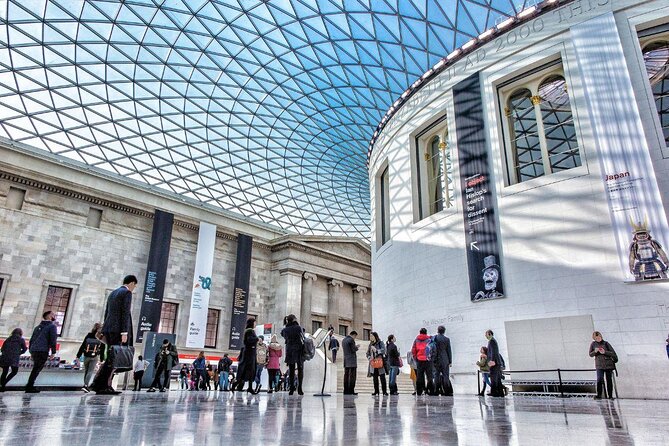
The British Museum can feel like a maze the first time you walk in. It’s not just big. It’s layered: multiple levels, with galleries that jump across time and culture so fast that your brain has trouble keeping order.
That’s where this crash course earns its name. Instead of trying to show you everything, the tour gives you a guided storyline for the highlights you’ll actually encounter. The goal is not to “tick off objects.” It’s to understand why specific artifacts matter and how archaeologists and historians make sense of them.
You’ll also get a sense of how the museum itself became a map of the ancient world. The tour approach is part scholarship, part detective work. You learn why certain objects were collected, what scholars argued, and how interpretation changed when new evidence showed up.
You can also read our reviews of more museum experiences in London



Starting at Russell Square: a smooth beginning at 9:45 am
The meeting point is Russell Square (Bernard St, London WC1N 1LJ), with an 9:45 am start. You’ll end at the British Museum on Great Russell St (London WC1B 3DG).
A few practical reasons this matters:
- You’re starting early, so you’re more likely to beat the rush and settle in before the museum gets crowded.
- You get a morning that’s structured. That’s helpful in a museum that’s easy to mis-handle on your own.
- You’ll have the afternoon free afterward, which is a smart way to balance “museum brain” with real London exploring.
This also uses a mobile ticket, and it’s offered in English. The group stays capped at 25, which helps with sound, pacing, and not getting separated.
Rossa’s object storytelling: the difference between seeing and understanding
The biggest “why” behind this tour is the guide. Rossa leads with passion and a clear narrative thread, and that energy turns the British Museum from a storehouse of things into a lesson in how humans changed.
He explains what you’re looking at, but he also explains what you’re supposed to think about. That’s the big shift. You stop treating artifacts like isolated trophies and start treating them like evidence from real human lives.
Several standout moments in the tour style come up in the information you get:
- The guide links objects across regions so you can see patterns, not random collections.
- He points out details people miss while they’re just trying to get photos.
- He builds in small moments to rest your brain and your feet, which makes a long morning feel doable.
One small note for expectations: this is not the kind of tour where you get a quick scan of a huge pile of items. The pace is fast enough to cover a lot, but slow enough that the explanation sticks.
The guided timeline you’ll follow from early humans to later Britain
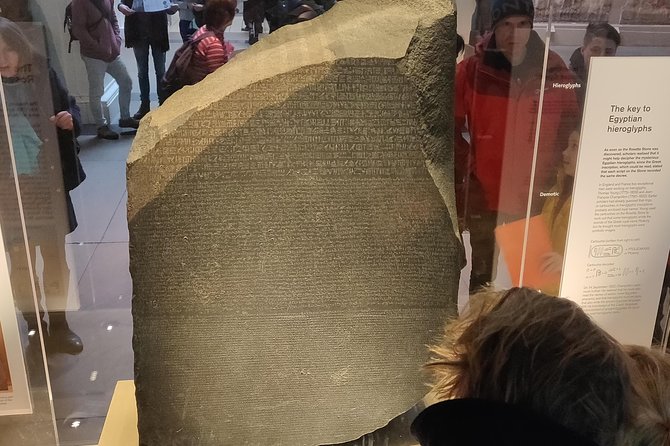
The tour runs like a chronological walk through human development. It’s designed as a crash course, but not a shallow one.
You move through themes like:
- Early humans and tools
- Hunter-gather life and the step toward agriculture
- The rise of villages, towns, and city life
- Major breakthroughs in Mesopotamia and the surrounding world
- Roman power and later European history, eventually bending toward the story of modern Britain
This timeline structure is valuable because it reduces the museum overwhelm. Instead of asking yourself, Where do I look next?, you get a reason for each turn.
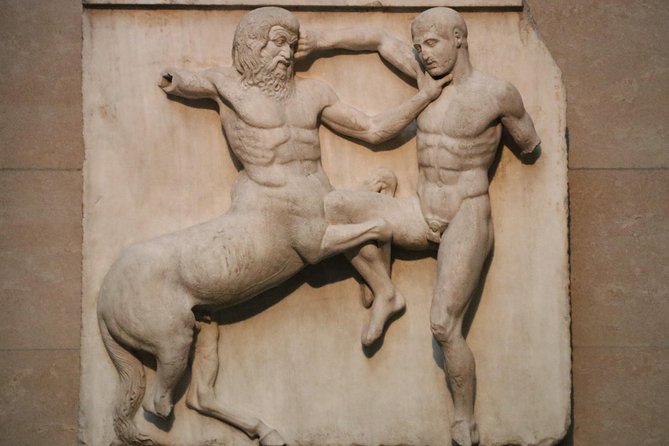
It also helps you connect the museum highlights you’ve heard about before. If you’ve seen names like Rosetta Stone, Elgin Marbles, or Lewis Chessmen floating around online, this tour helps you place them in a real chain of history instead of treating them as isolated famous objects.
Egypt at human scale: Rosetta Stone and the meaning behind writing
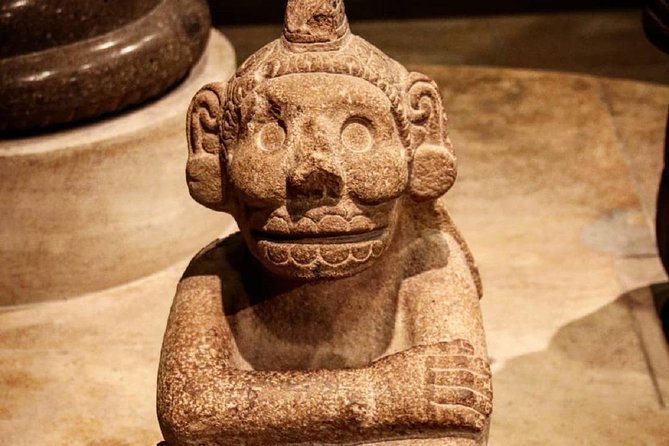
Egypt shows up as more than vibes and statues. The tour treats ancient writing like a key to unlocking entire worlds.
You’ll encounter highlights connected to:
- The Rosetta Stone (and the idea that ancient writing can be deciphered)
- Hieroglyphs interpretation, so you understand what translation and study actually involve
- Egypt-related stories tied to famous figures and museum favorites, including Rameses 11
- Additional hands-on-feeling details, like an Ur Egyptian dice game mentioned as part of the learning experience
Why this matters: most museum visits treat inscriptions as background noise. This tour aims to change that. It shows you that decipherment is hard work—done by specialists, based on comparisons, and refined over time.
Even if you’re not an Egypt person, the writing-focus makes Egypt feel like a science story, not just an art story.





Assyria, Greece, and Rome: power, politics, and propaganda you can read
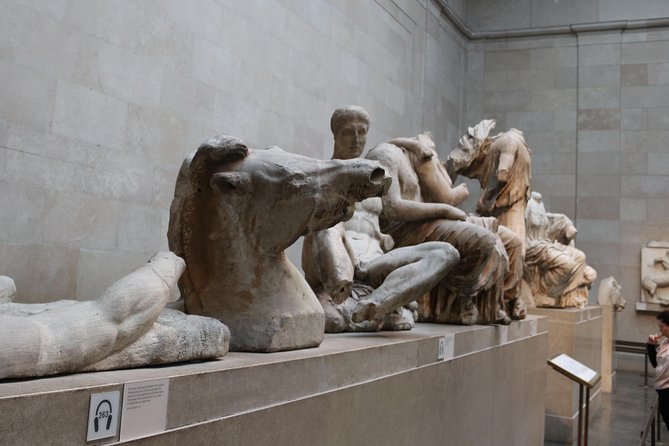
When the tour moves beyond Egypt, it keeps the same logic: look closely, then ask what the object was doing in its original world.
Highlights you may see discussed include major sections connected to:
- Assyria, including the Assyrian gallery focus
- Greece and Rome, where you can connect ideas about empire, law, and cultural borrowing
- Famous British Museum attractions mentioned in the guide’s route, such as the Elgin Marbles
- The Lewis Chess Set, which adds a more everyday angle to the big empires around it
A key benefit here is context. Empires don’t just happen. They’re built, advertised, and enforced. The tour helps you read artifacts as messages—sometimes obvious, sometimes subtle.
You’ll also hear the human side of archaeology itself: how scholars and collectors understood these pieces, and why some objects became symbols of scholarship while others became symbols of conflict over ownership and interpretation.
Mesopotamia and the archaeology of finding answers
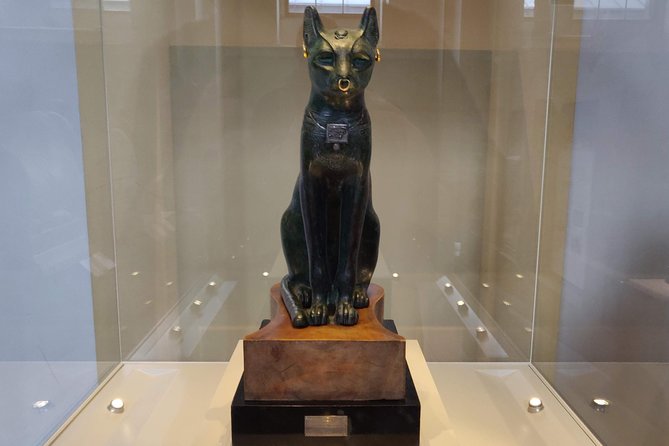
Mesopotamia gets special attention because it’s tied to how the modern world learned to read ancient languages and reconstruct old civilizations.
You’ll hear about how early archaeology efforts helped establish modern understanding, including the way British Museum work contributed to the study of ancient societies. The tour frames Mesopotamia as a turning point: when humans started building the kind of cities and administration that leave behind rich records.
This is also where the “scripts” theme grows. You’ll connect the story of Egyptian decipherment with the broader challenge of reading complex ancient writing systems, including the concept of cuneiform being deciphered.
If you’ve ever stared at writing in a museum and thought, I have no idea where to start, this part gives you a starting point—one you can reuse on future visits.
Vikings and Aztecs: why you get more than one-country museum learning
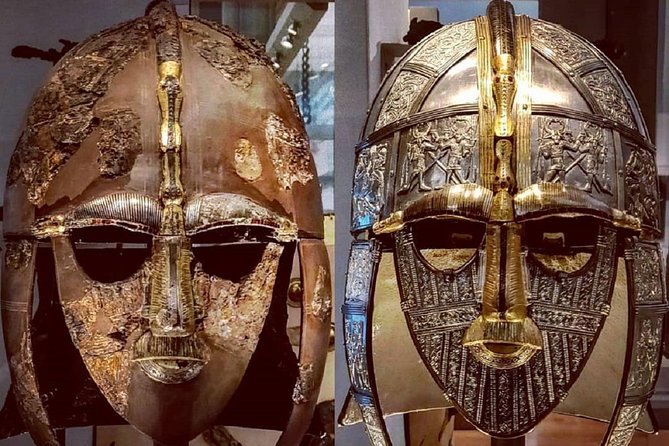
This tour refuses to be one-track. You do not leave thinking it was only Egyptology.
The highlights include:
- Vikings, brought into the timeline so later Europe isn’t a dead end
- Aztecs, included as a reminder that history isn’t centered on one region or one empire’s story
- A broader run through multiple civilizations so the museum feels like a world timeline rather than a single exhibit hallway
That cross-cultural mix is a big reason the tour works well for people who like history but get bored by narrow specialization. You’ll keep seeing the same underlying question—How did societies organize, record ideas, and make meaning?—show up in different forms.
What to expect on the ground: pacing, breaks, and the standing issue
This is a serious morning. It’s about 5 hours on the museum floor (with the full tour duration listed at about 5 hours 30 minutes). Most of that time is guided and standing.
Here’s the practical part I’d plan around:
- There are breaks along the way, and a lunch stop is built in (lunch itself isn’t included).
- You may spend a while listening in place, then moving on as a group.
- If your legs get grumpy fast, take it seriously. Several people specifically pointed out the value of using folding stools the museum provides.
You should expect queueing at entry points on busy days. There can be waiting time at the start, so arriving with energy matters.
One more comfort tip from real-world advice: the museum food options can be limited and pricey, so consider bringing your own snack or simple lunch so you’re not forced into an expensive grab-and-go compromise.
Lunch: included time, not included food
Lunch isn’t included, so you need a plan.
The good news: you get a scheduled lunch break, and the tour still keeps you moving without turning the day into a long sit-and-stare. People also noted that the guide worked around early queueing, extending timing later so the day stayed balanced.
You’re not stuck in “museum hunger mode.” Just bring something or budget for buying food inside the museum area.
Price and value: why $83.34 can feel fair here
At $83.34 per person, you’re paying for two things:
1) A qualified archaeologist guide
2) A structured route through the museum highlights, with real explanation attached to the objects
Admission for the museum is listed as free for the tour, which is a big deal for value. The tour is essentially selling the time, expertise, and narrative glue.
Also, with a maximum group size of 25, you’re not getting shoved into a loud cattle line. That matters, because the experience relies on hearing the guide and seeing what they point to.
One more value angle: the tour is typically booked about 31 days in advance on average. That’s a hint that it’s popular for a reason. If you want one of the morning slots, don’t wait until the last minute.
Who this tour fits best (and who it won’t)
This tour is ideal if you:
- Like archaeology and want the “how we know what we know” side, not just facts read off a label
- Enjoy stories about discovery—people, context, and interpretation changes over time
- Want a guided overview that helps you make sense of the British Museum without trying to do everything yourself
- Plan to visit London for a few days and want a big museum hit early, then free time later
It’s less ideal if you:
- Want to see absolutely every highlight on a first visit
- Need lots of time to wander independently at your own speed
- Have trouble standing for long periods
This matters because the tour is designed around selection. It’s a guided crash course, not a full museum sweep.
Should you book this British Museum archaeology crash course?
If your goal is to understand the British Museum highlights through archaeology—who found what, why interpretation matters, and how ancient scripts can be deciphered—this is a very strong use of your time. The storytelling approach with Rossa’s guidance makes famous objects feel like part of a single connected human story.
Book it if you want clarity and momentum. Consider skipping it if you’re the type who needs full freedom to roam every room at your own pace, or if you know standing still for hours will wear you down quickly.
If you do book: wear comfortable shoes, plan a snack or lunch strategy, and grab a folding stool early. Your feet will thank you, and your brain will stay in the lesson longer.
FAQ
How long is the British Museum crash course tour?
It runs for about 5 hours 30 minutes (approximately), with the museum portion listed at about 5 hours.
What time does the tour start?
The start time is 9:45 am.
Where do I meet the group?
You meet at Bernard St, Russell Square, London WC1N 1LJ.
Where does the tour end?
The tour ends at the British Museum, Great Russell St, London WC1B 3DG.
Is the museum admission included?
Yes. The museum admission ticket is listed as free for this experience.
What’s included in the tour price?
You get a qualified archaeologist guide and the guided experience includes the museum highlights route.
Is lunch included?
No. Lunch is not included.
How large is the group?
The tour has a maximum of 25 travelers.
What’s the cancellation policy?
You can cancel for a full refund up to 24 hours before the experience’s start time, and free cancellation is offered.
Is the tour offered in English?
Yes, it is offered in English.