REVIEW · LONDON
The Postal Museum Admission Ticket
Book on Viator →Operated by The Postal Museum · Bookable on Viator
London has an underground mail secret.
The Postal Museum is one of those places that turns a normal everyday thing—sending letters—into a real story you can walk through. I love how the visit mixes hands-on exhibits with the fun, slightly spooky ride on Mail Rail, London’s hidden Post Office underground railway. I also like that you can shape the trip with time slots and an optional audio guide, so you don’t feel rushed. One drawback to plan for: the experience depends on the ride and conditions, and the underground train can be unavailable on some days.
What makes this museum feel worth your time is how it connects postal communication to everyday life—work, travel, and even social history—without turning into a stuffy lecture. I’m especially a fan of the museum’s interactive style, which keeps kids engaged while still giving adults something to think about. If you’re going as a family, there’s also a dedicated play area for younger children you can add on. The main consideration is pacing and expectations: it’s easy to underestimate how long you’ll want at the hands-on displays, so give yourself a comfortable window.
If you’re considering it as a rainy-day standby, this is a smart pick. The museum is built for exploring indoors, and it works well when London weather is doing its best to ruin your plans. Still, you should be ready for a bit of waiting at popular moments—especially the ride—and note that the Mail Rail area has specific accessibility limits compared with the rest of the museum.
In This Review
- Key points before you go
- London’s Postal Secret: Why This Museum Works on Any Day
- Price and Ticket Value: What $25.55 Actually Buys
- Time Slots That Help: Planning a 1.5 to 2.5 Hour Visit
- Your Two-Part Day: Main Museum Plus Mail Rail
- Mail Rail Ride: The Underground Post Office That’s Actually Fun
- Main Exhibitions: Five Centuries of Postal Communication in Plain English
- Families and Kids: What Works for Ages 0–8 Through Teens
- Upgrading With an Audio Guide: When It’s Worth It
- Food at the Postal Museum: Café Expectations (and a Better Lunch Plan)
- Small Group Feel: Maximum 7 Travelers, More Calm Moments
- Accessibility at The Postal Museum: Step-Free Access Plus One Big Caveat
- Rain, Ride Closures, and How to Protect Your Day
- Should You Book? The Best Fit for This Postal Museum Ticket
- FAQ
- How long does The Postal Museum admission take?
- Are time slots available for the Postal Museum ticket?
- Is the ticket available on a mobile phone?
- Can I add an audio guide?
- What extra costs should I expect beyond the admission ticket?
- Is there a limit to the group size?
- Is the café included?
- Is The Postal Museum accessible for people with mobility needs?
- What happens if the visit is canceled due to poor weather?
- Is the ticket refundable if I cancel?
Key points before you go
- Mail Rail is the standout: an underground train ride that brings postal history to life
- Choose your own time slot, which helps you line it up with the rest of your London day
- Upgrade to an audio guide if you want deeper context as you move through exhibits
- Plan for family time: interactive displays and a play space for ages 0–8
- The visit is designed for a small group size (maximum 7 travelers), which can feel calmer than big attractions
- Step-free access exists in most areas, but the ride itself has limitations to review carefully
London’s Postal Secret: Why This Museum Works on Any Day
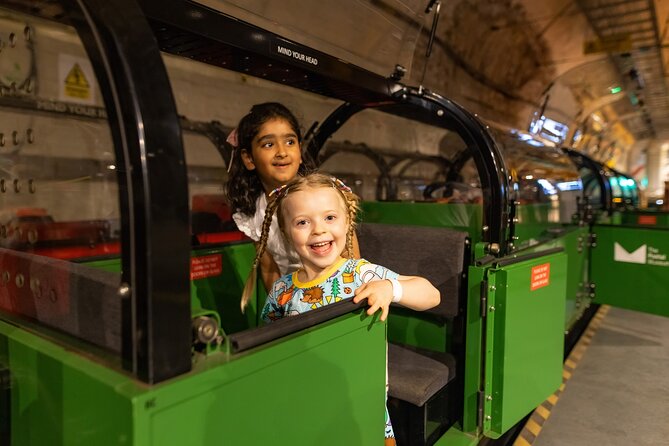
London is full of museums, but The Postal Museum has a special twist: it treats mail like a modern life system, not just a history topic. You’ll see how sending letters and parcels shaped neighborhoods, work routines, and connections far beyond Britain. That theme matters because it turns the subject into something you already understand—then it adds surprises.
The biggest win is that this is not only about glass cases and labels. You get interactive, story-driven exhibits and a real ride under London streets. And when the rain hits (as it often does in London), you still get your culture fix without being stuck in a wet sidewalk shuffle.
For me, the best value is the mix. Adults get context and details; kids get hands-on moments and the excitement of an underground train. If your group has mixed ages, this kind of “everyone finds their thing” setup is exactly what you want.
You can also read our reviews of more tours and experiences in London



Price and Ticket Value: What $25.55 Actually Buys
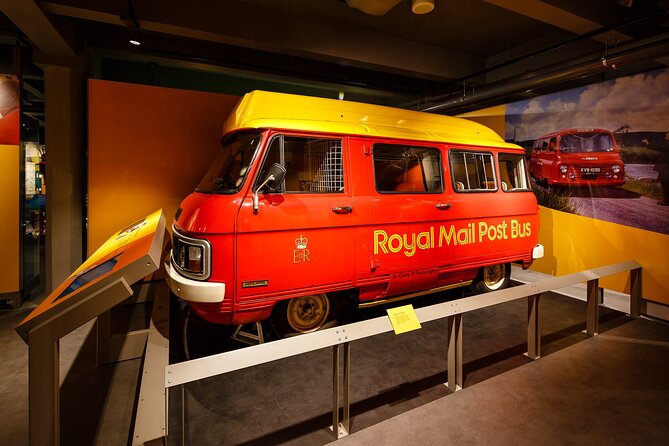
At $25.55 per person, this admission ticket is priced like a solid London attraction—especially given the combination of museum exhibits plus the Mail Rail ride. Your money goes to entry, and the visit is scheduled for about 1 hour 30 minutes to 2 hours 30 minutes depending on your pace.
Two costs may affect your total budget:
- Annual entry to the museum’s exhibitions costs £2.00 per person and is not included with the ticket.
- If you’re bringing little kids, the Sorted! Postal Play Space (for ages 0–8) is an additional £4.50 per person.
That means the true cost can be a bit higher than the initial ticket price if you add those elements. Still, if you’re traveling with children, the play space can be a helpful “let them burn energy” add-on.
One more practical value note: you’ll be using a mobile ticket, and you get confirmation at booking time. That’s helpful when you’re juggling other timed entry tickets across London.
Time Slots That Help: Planning a 1.5 to 2.5 Hour Visit

This admission ticket works with time slots, which is a big deal in London. It means you can fit it into the day without building in a huge mystery window. I like that the visit has enough flexibility that you can go slower if you’re reading more, or go faster if your group just wants the highlights.
Since your visit time is roughly 90 minutes to 150 minutes, plan around what will make you stall:
- the interactive displays (especially if kids get curious)
- waiting moments for the Mail Rail ride
- breaks and snack time if you need them
If you can, arrive a little early for your slot so you’re not stressed. And if you have a group with small kids, aim for a rhythm: ride first (so the excitement is at full power), then move into the main museum exhibits.
Your Two-Part Day: Main Museum Plus Mail Rail
This experience has two main pieces. One is the main museum experience with exhibits and interactive stations. The other is Mail Rail, the underground ride that acts like a moving history lesson.
A lot of people miss that structure and treat it like one simple walkthrough. Don’t do that. Think of it like two mini-attractions in one ticket: the ride sets the tone, and the exhibits give you the context afterward.
Here’s a practical way to make it smoother:
- Start with Mail Rail while everyone is fresh.
- Then shift to the main museum area for exhibits and hands-on features.
Also, the museum has more to offer than you might expect. In the main building, there’s an archive area in the second floor that’s open every second Saturday of the month. If your dates match, it’s a nice quiet extra, especially if you need a calmer pocket from loud kids.
Mail Rail Ride: The Underground Post Office That’s Actually Fun
The Mail Rail ride is the reason many people remember this museum. You’re not just looking at a model—you’re riding through the history using the real underground route concept. It’s an entertaining break from typical indoor attractions, and the ride adds momentum to the whole visit.
From a practical standpoint, a few things to know:
- The ride area has different accessibility limitations than the rest of the museum.
- The ride is in a space that can feel tight, and one review specifically warned that taller visitors might find it cramped.
- It can be loud and dark, which matters if you’re visiting with kids who get startled by sensory conditions.
If you’re planning your day, treat the ride like the main event. If you want the best odds of everyone being in a good mood for photos and exhibits, do Mail Rail first, then linger in the main building.
You can also read our reviews of more museum experiences in London






Main Exhibitions: Five Centuries of Postal Communication in Plain English

Once you’re out of the tunnels, the main museum gives you the why behind what you just experienced. It tells the story of postal communication and how it shaped societies—how people connected, how workers did their jobs, and how the system changed over time.
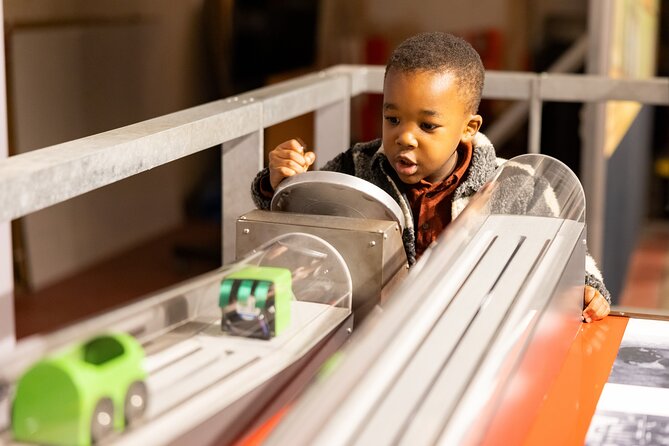
The tone is approachable and interactive. You’ll see hands-on elements designed to keep children engaged. And for adults, it adds real social context. It’s not just about stamps and routes; it’s about the people and the role mail played in community life.
One exhibit worth calling out is Voices of Resistance: Slavery and Post in the Caribbean. If your group likes social history, it’s the kind of topic that can spark good conversation—especially between adults and kids—without feeling too academic.
Also, you’ll appreciate that the museum is set up so you don’t have to do everything in one pass. You can spend time where interest takes you, then move on without feeling like you missed some mandatory checklist.
Families and Kids: What Works for Ages 0–8 Through Teens

This museum is one of the better family-friendly choices in London because it doesn’t force kids to “sit through history.” The hands-on stations and the Mail Rail ride naturally involve kids without turning into a loud theme park.
For the youngest visitors, there’s Sorted! The Postal Play Space for children aged 0–8, and you can add it for £4.50 per person. If your child is still in the stage where they need a safe place to play, this is the part that can extend the visit without everyone getting cranky.
Two practical family tips:
- Give yourself enough time to explore interactive models fully. This is one of those museums where kids will slow you down—in a good way.
- If your child is sensitive to dark or loud spaces, consider that the Mail Rail experience can feel intense due to lighting and sound.
If you’re traveling with grandparents or mixed ages, the museum’s theme is also a strong conversation starter. It helps adults explain what everyday services meant in the past and why they mattered.
Upgrading With an Audio Guide: When It’s Worth It

There’s an option to upgrade and add an audio guide. If you like a deeper layer of context while you walk, it can help you avoid the feeling of only skimming labels. Audio is especially useful in museums like this, where the story connects multiple time periods and systems.
You’ll be choosing this upgrade based on your group’s style. If you and your kids enjoy listening, it’s a worthwhile add. If you’d rather read quickly and move, you may not need it.
Either way, this is a good museum for English-speaking visitors, and the admission ticket is offered in English.
Food at the Postal Museum: Café Expectations (and a Better Lunch Plan)
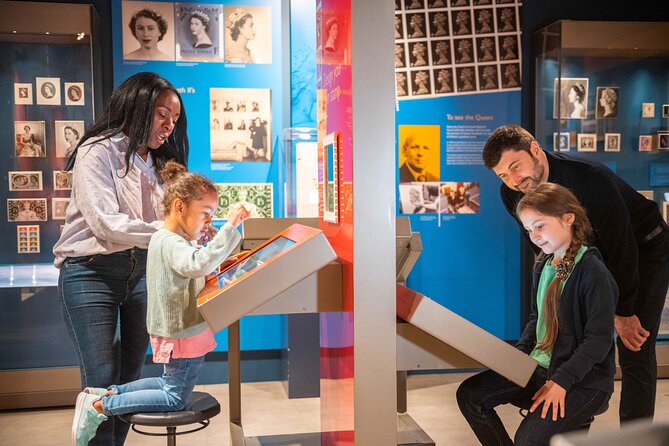
The museum includes an accredited family-friendly café. That’s great when you don’t want to hunt for food in London rain. A nice plus: you’ll have a café stop during the visit flow, so you’re not starving while you wait for the ride.
But here’s the balance: the café experience can disappoint. Some visitors mention limited selection, and there are complaints about hot food availability. There are also negative notes about service and hygiene that you should consider if food quality matters to your group.
My practical advice: if you do eat there, look at what’s available before you commit, and keep your expectations realistic. If your group is picky, it might be safer to treat the café as a snack stop rather than a full meal.
Small Group Feel: Maximum 7 Travelers, More Calm Moments
The experience is limited to a maximum of 7 travelers. That matters more than it sounds. Smaller groups usually mean:
- easier movement inside
- less crowd pressure around interactive stations
- fewer stress moments when you’re trying to keep kids together
It won’t remove every wait, especially for Mail Rail at busier times. But it can make the overall vibe less chaotic than many London attractions.
If you hate long lines and prefer a calmer museum pace, that small group cap is a strong reason to book.
Accessibility at The Postal Museum: Step-Free Access Plus One Big Caveat
Accessibility here is a mix of good news and one key caution. The museum states step-free access exists throughout the Postal Museum areas. It also notes step-free access in the Mail Rail building, with an exception: the ride itself has accessibility limitations.
More details you should take seriously before booking:
- Guests must be able to walk unaided for at least 100 metres on uneven surfaces with minimal lighting.
- Guests must also be able to go up at least 70 steep steps.
- There are gender-neutral accessible toilets.
- There’s a Changing Places facility.
- Service animals are allowed.
- The museum provides resources for autistic visitors and an audio described introduction.
Translation: this is not the kind of attraction to assume is fully accessible for every wheelchair user, because the ride has different rules than the rest of the museum. If accessibility is important for your group, check the museum’s accessibility details directly and don’t rely on assumptions.
Rain, Ride Closures, and How to Protect Your Day
This experience is weather-dependent, and the ride is the heart of it. If poor weather forces cancellation, you’ll be offered a different date or a full refund. That’s the good news.
The caution is that sometimes the Mail Rail ride can be unavailable during a visit (one visitor connected the disappointment to rain). Since you’re planning a specific time slot, the best move is to build in flexibility in your day and check for updates before you go.
If you’re touring London on a tight schedule, consider making this a mid-day option, not your first or only timed commitment. That way, if the ride is closed or delayed, you still have time to adjust.
Should You Book? The Best Fit for This Postal Museum Ticket
Book this ticket if you want a London museum that feels fun for kids and meaningful for adults. You’ll probably enjoy it most if your group likes:
- hands-on exhibits
- interactive history that connects to real life
- unusual London stories (like an underground postal train)
It’s also a great choice for a rainy day, and the small group size helps keep the atmosphere manageable.
Don’t book if your priority is a fully predictable, always-running train ride at all times, because conditions and maintenance can affect operations. If you’re planning for accessibility needs, double-check the ride-specific limitations before you commit.
If you can handle a bit of planning and you’re open to exploring both the underground ride and the main exhibits, this is one of those tickets that turns a simple afternoon into a story you’ll remember.
FAQ
How long does The Postal Museum admission take?
Plan on about 1 hour 30 minutes to 2 hours 30 minutes.
Are time slots available for the Postal Museum ticket?
Yes. You can choose from a range of time slots to fit your schedule.
Is the ticket available on a mobile phone?
Yes, the ticket is provided as a mobile ticket.
Can I add an audio guide?
You can upgrade to include an audio guide.
What extra costs should I expect beyond the admission ticket?
Annual entry to the museum’s exhibitions costs £2.00 per person, and the Sorted! Postal Play Space for children aged 0–8 costs £4.50 per person.
Is there a limit to the group size?
Yes. This experience has a maximum of 7 travelers.
Is the café included?
The admission includes the ticket, but the café is not included in the ticket price.
Is The Postal Museum accessible for people with mobility needs?
The Postal Museum areas and step-free access are available, and step-free access is also available in the Mail Rail building except for the ride. Guests must meet walking and step requirements stated by the museum.
What happens if the visit is canceled due to poor weather?
If it’s canceled due to poor weather, you’ll be offered a different date or a full refund.
Is the ticket refundable if I cancel?
This experience is non-refundable and cannot be changed for any reason.