REVIEW · LONDON
Downton Abbey Film Locations & Blenheim Palace Day Tour
Book on GetYourGuide →Operated by International Friends · Bookable on GetYourGuide
Downton Abbey comes to life fast. This one-day Oxfordshire Cotswolds tour strings together real filming locations like Yew Tree Farm and Downton Village scenes, then ends at Blenheim Palace, Churchill’s birthplace. I love how the stops explain what you’re seeing, not just where it was filmed, and I like the way the day builds from village streets to aristocratic rooms.
One drawback to consider: it’s a full day on the go, and food and drink aren’t included. If you dislike walking on stone streets, bring comfortable shoes and plan on small stretches throughout the day.
In This Review
- Key highlights to know before you go
- Why this Downton Abbey + Blenheim day trip works so well
- From the pickup spot to the countryside: mini-coach comfort and small-group energy
- Yew Tree Farm in Cogges: more than a film-location photo
- Bampton as Downton Village: streets, churches, and that hospital moment
- Burford for lunch: medieval market town energy with a Wool Church twist
- Swan Inn in Swinbrook: the Sybil and Branson story stop
- Bladon arrivals: Churchill’s family graves set the mood
- Blenheim Palace: upstairs and downstairs, not just rooms and portraits
- The Temple of Diana: the garden story you’ll remember
- Price and value: what you’re paying for at $245.15 per person
- Who this tour suits best
- Should you book this Downton Abbey Film Locations & Blenheim Palace day tour?
- FAQ
- How many people are on the tour?
- What Downton Abbey filming locations will we visit?
- Do we visit Highclere Castle on this tour?
- Is lunch included?
- What’s included with the Blenheim Palace visit?
- What transport do you use?
- What should I bring for the day?
Key highlights to know before you go
- Small group (up to 16) keeps the vibe relaxed and question-friendly
- Luxury mini-coach helps you reach places bigger buses can’t
- Yew Tree Farm (Cogges) focuses on the farm-and-landowner relationship behind the look of the show
- Bampton as Downton Village includes Bampton Library, St. Mary’s Church, and Churchgate House
- Burford lunch pairs a medieval market town feel with the Wool Church
- Blenheim Palace delivers Churchill context with an upstairs/downstairs lens, plus Temple of Diana
Why this Downton Abbey + Blenheim day trip works so well
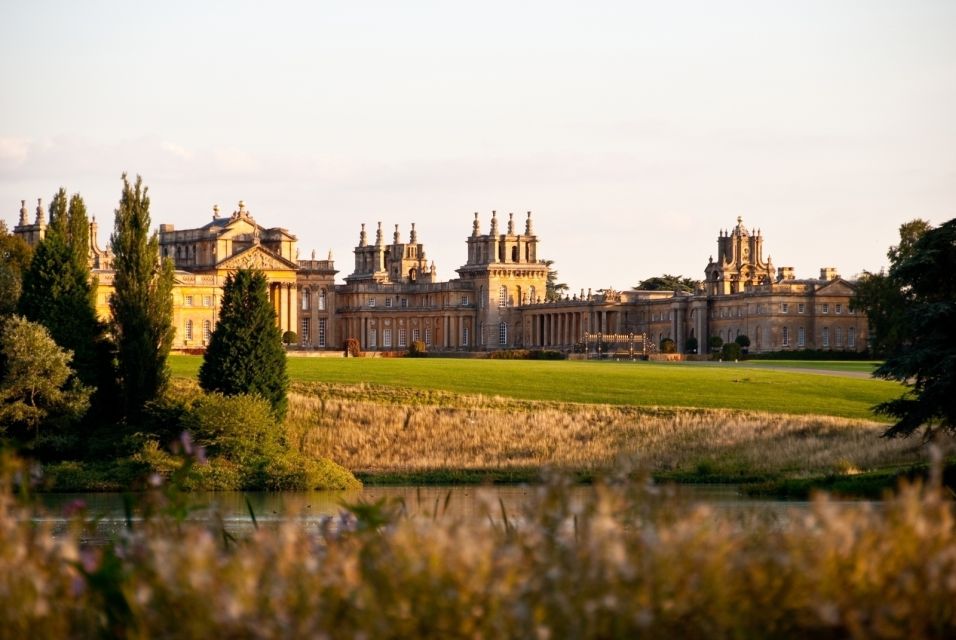
There are plenty of Downton Abbey tours that rush you from one photo stop to the next. This one has a better rhythm: it starts with the grounded farming side of the story, moves through village life, then lands at Blenheim Palace with the class divide made very literal.
I especially like that the day doesn’t treat Downton Abbey like pure nostalgia. It connects the filming locations to real-world roles people held—tenant farmers and landowners at Cogges, villagers and institutions in Bampton, and then the hierarchy you see at Blenheim. You’ll come away understanding why these places looked the way they do on screen, not just recognizing them.
And the ending is a strong payoff. Blenheim isn’t just another stately home stop; it’s tied directly to Winston Churchill’s birth and early life, with the family story woven into the house tour and the gardens.
You can also read our reviews of more tours and experiences in London.

From the pickup spot to the countryside: mini-coach comfort and small-group energy
The tour uses an executive mini-coach, which matters more than you’d think. Smaller vehicles usually mean tighter routing and less time stuck waiting for traffic gymnastics in village-adjacent roads. The day still feels efficient, but not cramped.
Your group size is capped at a maximum of 16. In the real world, that tends to change the whole experience. You’re not fighting for audio. You can ask follow-ups, and the guide can actually pace the storytelling to the group.
This is also where the guide quality shows up in the reviews. I noticed multiple mentions of guides who talk to you during the drive, not just at the stops. Catherine was praised for making the day feel fun, and Tony was noted for engaging storytelling while traveling. Amber was specifically called out for speaking on your level, not performing with big-show lectures.
Practical tip: since it’s a full day, dress for layers. Even in good weather, you’ll be outside for viewpoints, walking in towns, and moving between different sites at different times.
Yew Tree Farm in Cogges: more than a film-location photo
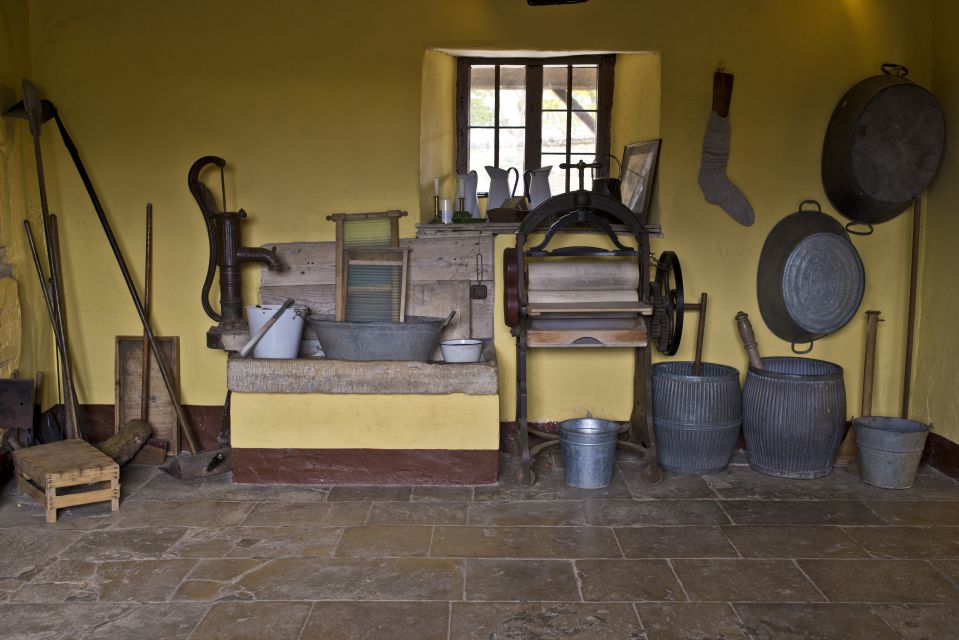
Your first real location stop is Yew Tree Farm (Cogges). If you’re expecting just a quick look and a few photos, you’ll be pleasantly surprised by the focus here. The tour explains the connection between tenant farmers and landowners—basically, how the working relationship shaped the daily life that the show draws from.
After the farm visit, there’s a break at Cogges Café, described as refurbished and rustic. Even if you’re not a café person, this stop helps reset your energy before you head into the village streets later. It’s also a good chance to check the day’s pace and decide how much time you want for photos versus chatting with the guide.
What I like about this stop is that it gives you a framework. When you later see Downton-like village scenes in Bampton, you’ll understand what the show is pointing at: not only houses and clothes, but how power and work structure daily life.
Bampton as Downton Village: streets, churches, and that hospital moment
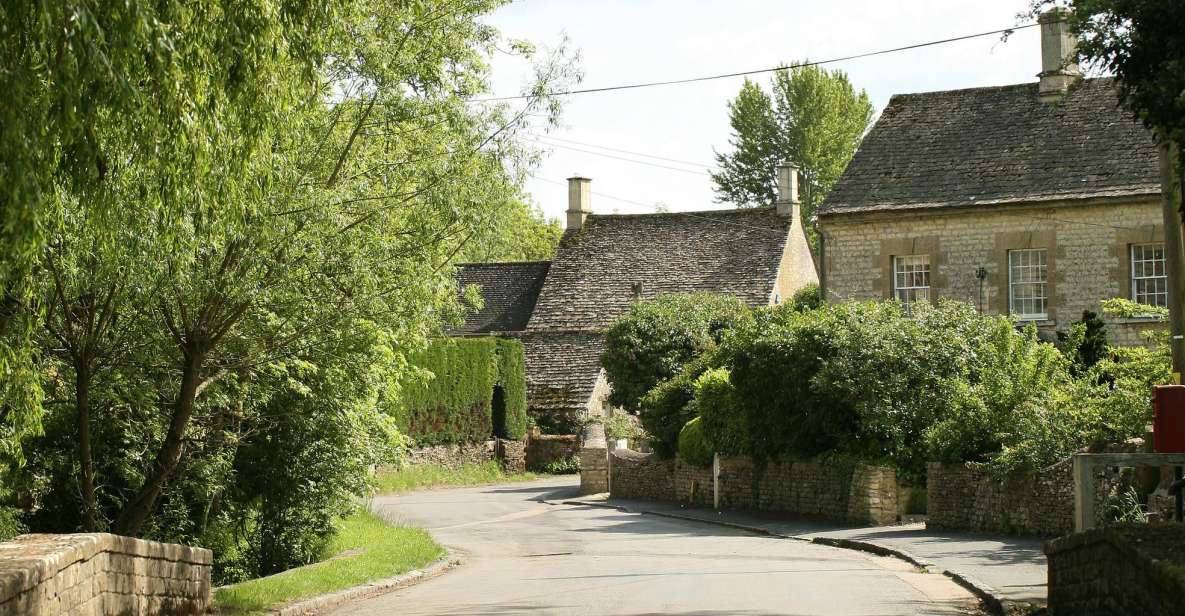
Next you’ll drive to Bampton, one of the Oxfordshire Cotswolds villages used heavily as Downton village. This is the part of the day where recognition kicks in. You’ll walk and look at specific buildings tied to the series, and the guide connects the filming use to how the place functions in real life.
Here are the standout locations you’ll get to see:
- Bampton Library as the Downton Cottage Hospital and doctors’ surgery
- St. Mary’s Church as Downton Church
- Churchgate House as the Crawley family home
- A walk along the street used for shops, the post office, and the Grantham Arms
I love that you’re not just shown pretty buildings. You’re shown institutions—hospital, church, home—so the streets feel purposeful, not random. It makes your Downton memories click into place with a stronger sense of why characters interacted where they did.
Possible drawback: this is also where walking can feel a bit uneven. Bampton streets can be cobbled or narrow, and you’ll want to move comfortably. If you have mobility limits, keep your expectations flexible and go slow at the church and street sections where foot traffic builds.
Burford for lunch: medieval market town energy with a Wool Church twist
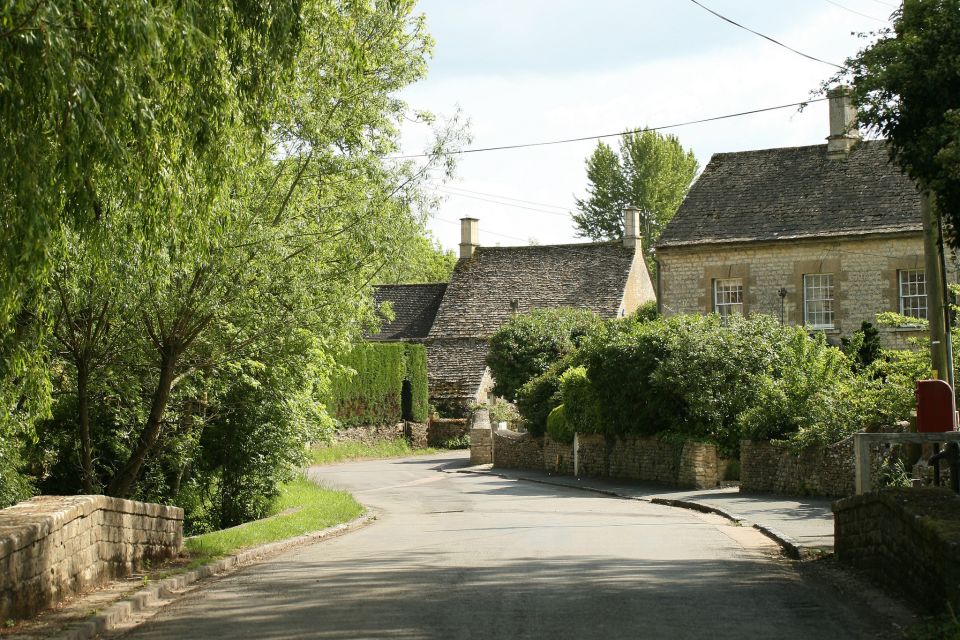
After the filming stops, the day shifts to lunch in Burford, often called the Gateway to the Cotswolds. Burford brings a different flavor: a classic English market-town feel with time to wander rather than rush from doorway to doorway.
You’ll also get a chance to see the famous Wool Church, built from wealth tied to the wool trade. It’s one of those details that makes history feel practical. The town’s success wasn’t abstract—it funded the kind of architecture you can still recognize today.
What makes Burford a smart lunch choice for this tour is the pacing. You get a break from constant site-hopping, and the surroundings give you space to just look at buildings and street life without needing to chase the next stop.
Keep in mind: food and drink aren’t included in the price. That means you’ll want to plan for lunch time spending and possibly a drink mid-tour if you’re the type who gets thirsty between villages.

Swan Inn in Swinbrook: the Sybil and Branson story stop
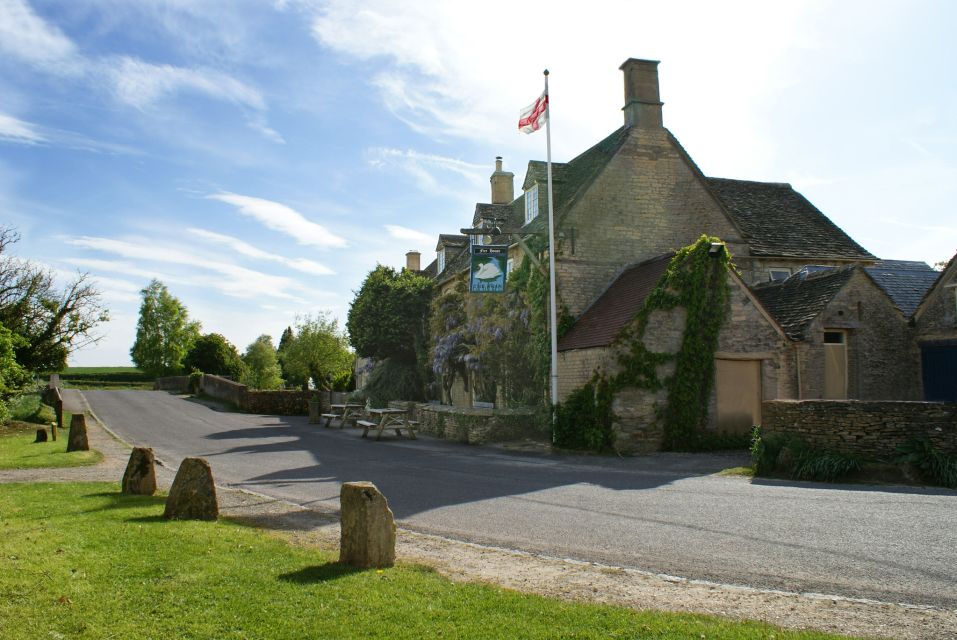
After lunch, you’ll ride through the Oxfordshire Cotswolds countryside and stop along the way at the Swan Inn in Swinbrook. This is where Downton’s plot points mix with real geography.
The Swan Inn stop connects to the storyline of Lady Sybil’s elopement with Branson, her family chauffeur. Even if you’re not a die-hard episode memorizer, having a clear story anchor makes the stop more meaningful than another roadside photo.
Also, this is a classic “pause and reset” moment. It breaks up the day emotionally. You get story context, a short stop to regroup, and then you head toward the next big finale at Blenheim.
Bladon arrivals: Churchill’s family graves set the mood
Approaching Blenheim Palace, you’ll see the graves of Sir Winston Churchill and Lady Churchill in the village of Bladon. It’s brief, but it sets the tone.
If you’ve only connected Churchill to speeches and politics, this stop helps you remember he’s also a lived story with family roots here. It puts a human face on the stately setting you’re about to tour.
This kind of prelude is one reason the end of the day lands so strongly. You’re not walking into Blenheim cold—you’ve already had a moment to shift from Downton’s world into the world Churchill actually inhabited.
Blenheim Palace: upstairs and downstairs, not just rooms and portraits
At Blenheim Palace, the tour starts with an introduction to upstairs and downstairs life, and it pays attention to the class-conscious structure of the place. Blenheim was built in the early 18th century for John Churchill, the first Duke of Marlborough, and it’s the birthplace of Winston Churchill (1874).
What I think you’ll appreciate is how the tour moves room to room with a clear explanation of why these spaces mattered. It focuses on the aristocracy’s lifestyle and how state apartments became more important over time.
That upstairs/downstairs approach is the sweet spot for a Downton fan. The show is obsessed with who belongs where, who has access, and who serves whom. Blenheim gives you the real-world framework behind that kind of setting.
If you’re the type who gets tired at indoor house tours, plan to take small breathers during the room-to-room sections. The payoff is worth it, but you will be inside longer than at the village stops.
The Temple of Diana: the garden story you’ll remember
After the house, you’ll have time to walk through the landscaped gardens. One highlight is the Temple of Diana, tied to a famous moment: Churchill proposed to Clementine Hozier there in 1908.
This part works because it’s not just scenic. It’s a specific story placed in a specific spot. When you’re at the Temple of Diana, you’re not guessing what it means—you have the why handed to you.
Practical tip: gardens often mean paths with uneven ground and some sun exposure. Bring a layer even if it seems warm outside, and give yourself time to actually enjoy the walk instead of racing for photos.
Price and value: what you’re paying for at $245.15 per person
At $245.15 per person, this day tour isn’t cheap, but it’s not random-expensive either. You’re paying for several things that add real value on a one-day schedule:
- A professional, live tour guide for the entire day
- Executive mini-coach transport across multiple towns and filming areas
- Admission to Blenheim Palace
- A guided approach to multiple locations tied to Downton Abbey
For me, the value comes from the structure. You’re getting context and story connections at each stop, plus the Churchill finale with the palace admission already handled.
Also, the small-group cap matters. When you’re in a group of up to 16, you get more conversation and less waiting. One review specifically noted the day felt like a semi-private experience when the group was small. That’s the kind of “you got lucky with the headcount” benefit you can’t buy separately.
Who this tour suits best
This is a good fit if:
- You love Downton Abbey and want filming locations tied to real buildings and roles
- You also want more than a photo tour, with clear explanations that make the places feel connected
- You want a one-day escape from London-area stress into the Oxfordshire Cotswolds
It’s also a decent choice if you’re history-curious but not history-obsessed. The Churchill angle at Blenheim is handled in a way that links to the same themes Downton uses: hierarchy, service, and where power shows up in architecture.
If you want a slow travel pace with long independent breaks, this might feel structured. But if you like an efficient day with meaningful stops, you’ll probably enjoy it.
Should you book this Downton Abbey Film Locations & Blenheim Palace day tour?
If you’re a Downton Abbey fan who wants the filming places explained in plain, human terms, I think this tour is worth a serious look. The strongest selling points are the guide-led storytelling and the way the day builds: Cogges, Bampton, Burford, a story stop at the Swan Inn, then a Churchill finale at Blenheim.
Before you book, just be honest about two things: you’ll walk in villages and at the gardens, and you’ll want to budget for your own food and drink. If you’re good with that, you’ll get a memorable mix of TV recognition and real English place storytelling, all in a small-group day that doesn’t feel rushed.
FAQ
How many people are on the tour?
The tour is a small group with a maximum of 16 people.
What Downton Abbey filming locations will we visit?
You’ll visit Yew Tree Farm (Cogges) and Downton Village (Bampton), plus photo stops at Oxfordshire Cotswold villages.
Do we visit Highclere Castle on this tour?
No. Highclere Castle is not included.
Is lunch included?
Food and drink are not included, so you’ll be responsible for lunch in Burford.
What’s included with the Blenheim Palace visit?
You get admission to Blenheim Palace, along with the guided introduction to the house and time to walk the gardens afterward.
What transport do you use?
You travel by executive mini-coach, which is used to reach locations that larger vehicles can’t access.
What should I bring for the day?
Bring comfortable shoes and weather-appropriate clothing.