London has a second underground life. This Hidden Tube Tour at Piccadilly Circus lets you see parts of the station that most people never do. You’ll follow expert guides through original design features, staff-only passageways, and areas closed to the public for decades.
I love the pure sense of discovery. You’re standing under a headline landmark, yet you’re also getting the behind-the-scenes story of how the station was built, updated, and used over time. Two things I particularly like: the chance to see disused tunnels that have been closed since 1929, and the way the tour focuses on real station details, not vague London legends.
One consideration before you go: this is a lot of walking and stairs in low lighting, and it’s not step-free. If you’re claustrophobic, skip it, because the tour involves tight underground spaces and uneven ground.
In This Review
- Key highlights to look forward to
- Piccadilly Circus Station, Under Your Feet
- Meeting at Exit 4: Fast Start, Serious Underground Steps
- Behind Secret Doors: Edwardian Design You Can Actually See
- Closed Since 1929: Disused Tunnels and Lift Shafts
- Wartime Shelter Stories and Top-Secret Artefacts
- Price and Value: When $60.61 Actually Makes Sense
- Who This Tour Suits Best
- What to Wear, What You Can Bring, What You Can’t
- Should You Book This Hidden Tube Tour at Piccadilly Circus?
- FAQ
- Where does the Hidden Tube Tour for Piccadilly Circus start?
- How long is the tour?
- How much does it cost?
- What is included in the tour?
- What should I bring for the tour?
- What items are not allowed during the tour?
- Is the tour step-free or accessible with mobility impairments?
- Is the tour suitable for claustrophobia?
- What ages can participate?
- What language is the tour guide speaking?
Key highlights to look forward to
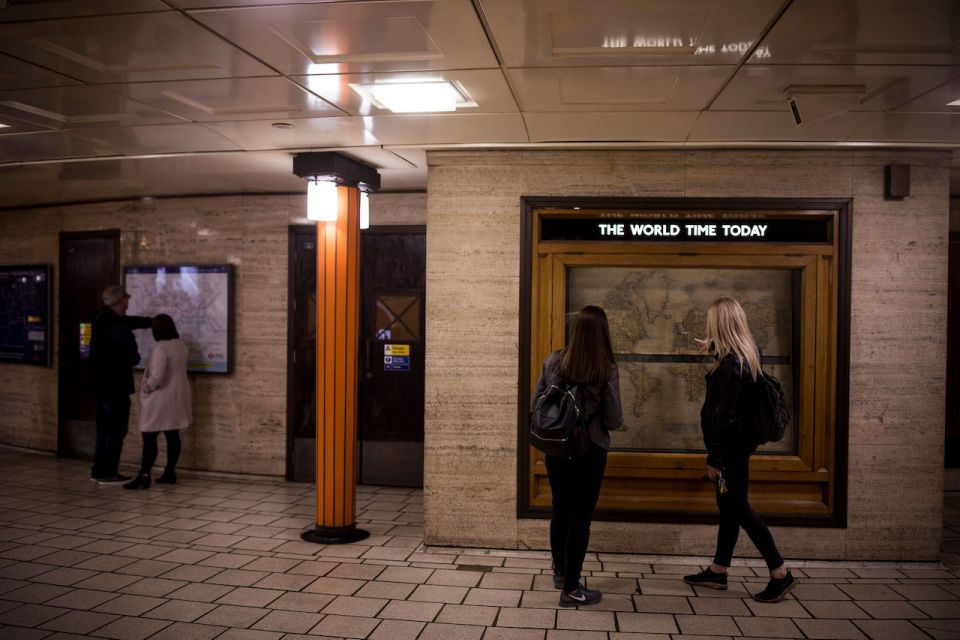
- Edwardian station features you can’t view on a normal Tube visit
- Disused passenger tunnels closed since 1929
- Passageways and lift shafts shut to the public for almost a century
- Wartime shelter stories tied directly to where you’re standing
- Top-secret storage tales connected to priceless station artefacts
- Guided by London Transport Museum historical experts using archive-based materials
Piccadilly Circus Station, Under Your Feet
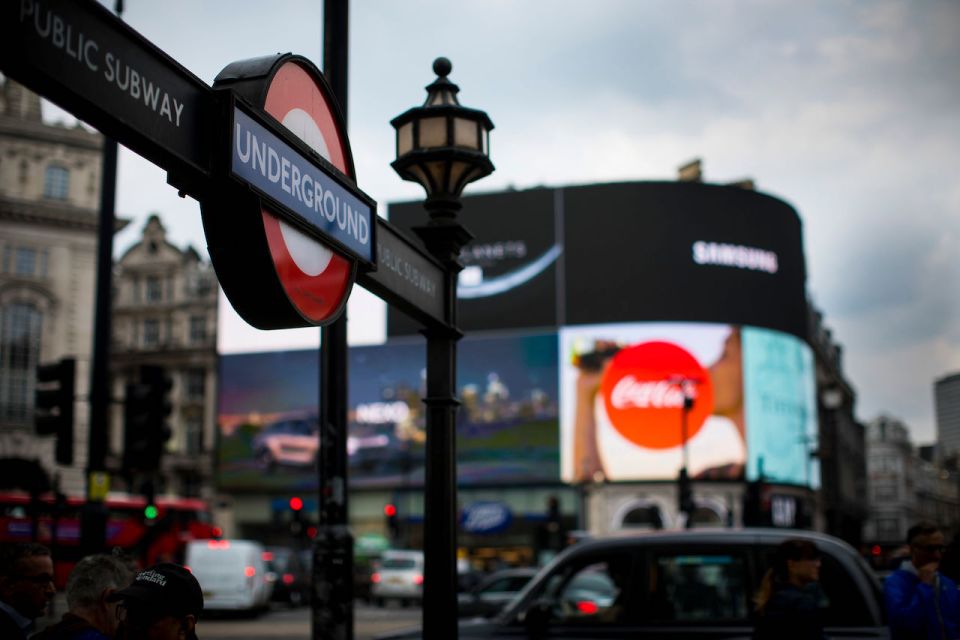
Piccadilly Circus Station is the kind of place you rush through on your way to somewhere else. Under that bright, above-ground chaos is a working Tube station with real engineering drama. The station opened in 1906, and it served the Bakerloo and Piccadilly lines. Later, it was extensively modernised between 1925 and 1928 to handle rising passenger loads.
What makes this tour special is that it treats Piccadilly Circus Station like a living machine with layers. You’re not just hearing facts. You’re seeing how design choices from the Edwardian era and changes made in the 1920s shaped the way the underground works today. I found it helps you read the station differently—even after the tour, you’ll spot design cues you normally gloss over.
And because the tour is led by historical experts from the London Transport Museum, the stories stick to documented details rather than guesswork. That matters in London, where plenty of sites are heavy on myth and light on mechanics.
You can also read our reviews of more tours and experiences in London.


Meeting at Exit 4: Fast Start, Serious Underground Steps
You meet at the bottom of the stairs of Exit 4 at Piccadilly Circus Underground station. Exit 4 sits on the corner of Shaftesbury Avenue and Coventry Street, next to the Criterion Restaurant. Plan to arrive a few minutes early so you’re not rushing while you’re already in “station mode.”
The tour runs 75 minutes. That doesn’t sound long until you factor in the underground walking, low light, and stairs. This is not a sit-and-smile experience. You’ll be moving through areas where the station narrows and the pace slows for viewing and explanations.
A big practical point: there’s no elevator and no step-free route. The tour also isn’t suitable for people with claustrophobia, since it includes enclosed underground parts and low-lit spaces. If you’re bringing kids, note the age rule: it’s not suitable for children under 10, and there’s a maximum of four children (aged 10–15) per adult.
Behind Secret Doors: Edwardian Design You Can Actually See
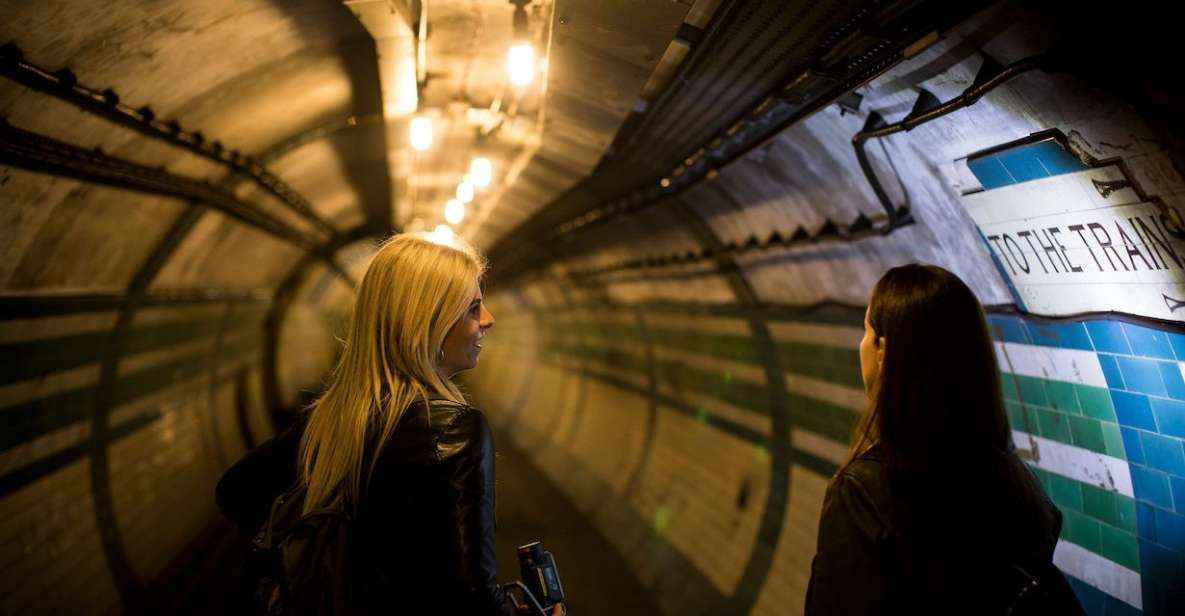
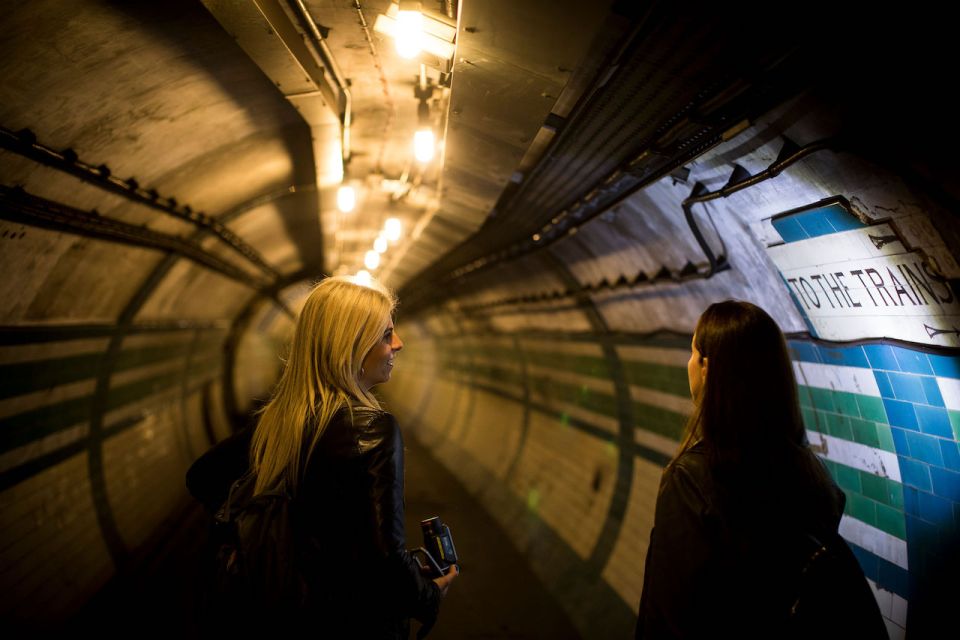
The core thrill here is that you’re guided into spaces that are closed off from normal passenger routes. You’ll step through secret doors into passageways and other station areas that have been inaccessible to the public for a very long time.
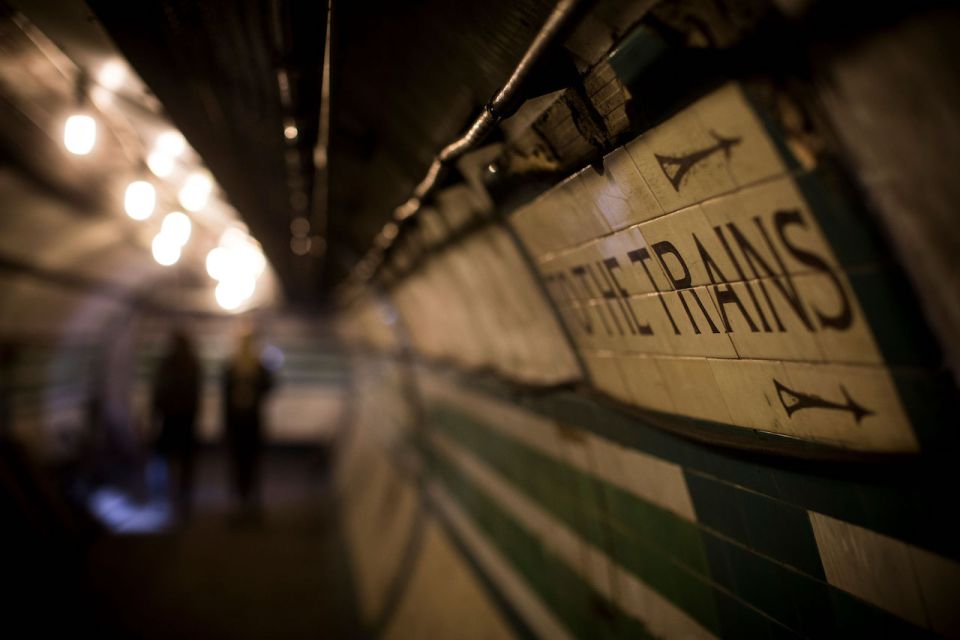
The tour’s emphasis on original Edwardian design features is what transforms the experience from interesting to memorable. It’s easy to think of the Tube as a single style. This shows you it’s layered: the original look and layout, then the later upgrades that were made to keep the system running.
As you move, expect the guide to connect what you’re seeing with why it mattered. For example, early station design wasn’t just about aesthetics—it was about flow, structure, and how people moved through space before today’s expectations for capacity and signage existed. When you view those design elements in their original context, the station stops feeling like background and starts feeling like a real built environment.
It’s also a helpful reminder that London’s underground isn’t static. It changes. It adapts. And the station’s physical structure shows the timeline right in front of you.
Closed Since 1929: Disused Tunnels and Lift Shafts
One of the big promises of this tour is access to parts of the station that have been closed to travellers since 1929. That means disused passenger tunnels and other behind-the-scenes areas you wouldn’t stumble into even if you tried.
You’ll explore:
- Disused passenger tunnels (closed since 1929)
- Passageways and lift shafts closed to the public since 1929
These spaces matter because they show the “infrastructure life” of a transit system. Modern travellers focus on what’s open today. This tour spotlights what used to exist, what became obsolete, and how the station reconfigured itself as demands changed.
A note on comfort: the tour involves uneven ground and low lighting. So even if you can handle stairs, you’ll want to think about footing and visibility. Wear sturdy footwear. This isn’t the time for fashion shoes.
Also, this kind of access feels a bit different than a standard museum gallery. You’re not standing behind glass. You’re inside the working logic of the station. That makes the experience feel real—almost like time travel, but with dust, stone, and engineering details you can point to.
Wartime Shelter Stories and Top-Secret Artefacts
London’s underground has a second job in its past: shelter during wartime. This tour brings that history into the spaces where it happened. You’ll hear stories about wartime shelterers who took refuge in the station.
What I like about this isn’t just the drama of the topic. It’s the way the guide ties human stories to physical details you’re standing near. That helps you understand why the station infrastructure was so valuable—not only as transport, but as protection. It turns the Tube into something more than a commute.
You’ll also hear about top-secret storage of priceless artefacts. The point there is perspective: the station wasn’t only a public venue and a transit network. It was also part of London’s behind-the-scenes operations—protected, controlled, and used for high-stakes purposes.
This mix of wartime sheltering plus discreet storage stories makes the tour feel balanced. It’s not only tragedy. It’s also ingenuity and planning in tight underground conditions.
And because the tour content is written using historical archives from the London Transport Museum, the storytelling lands with a grounded tone rather than vague hype.



Price and Value: When $60.61 Actually Makes Sense
The price is $60.61 per person, and at first glance you might wonder if that’s steep for a 75-minute guided walk underground. Here’s why it can be good value.
You’re paying for access that’s not available on a regular Tube ride:
- Areas closed to the public since 1929
- Edwardian design features you can’t see as a standard passenger
- Specialist narration from London Transport Museum historical experts
In other words, this isn’t a generic “Piccadilly Circus is famous” tour. You’re buying access to infrastructure history. That’s the sort of experience you rarely get in London unless you’re doing paid museum-style access—which this functions like, but in the station itself.
That said, it’s only worth it if you’re genuinely curious about how the Tube evolved and how stations were built to survive changing needs. If your idea of London sightseeing is mostly surface-level landmarks, you may find it a harder sell. For rail fans, architecture lovers, and history-minded travellers, it’s a strong match.
The tour also has a 4.4 rating from 15 reviews, which aligns with what you’d hope for: a smooth guide-led experience, clear communication, and high engagement.
Who This Tour Suits Best
This is a great fit if you like:
- London Underground history that connects to real physical spaces
- Architecture and engineering details, not just dates and names
- Stories grounded in documented station uses, including wartime shelter
It’s less ideal if you:
- Need step-free access (the tour is not step free and involves stairs)
- Feel uneasy in tight areas or low light (not suitable for claustrophobia)
- Prefer long explanations from a seated position (this is moving, walking, and climbing)
Family note: it’s not suitable for children under 10, and the adult-to-child ratio cap is four children aged 10–15 per adult. If you’re traveling with mixed ages, it’s worth planning around the walking and stair-heavy nature of the route.
What to Wear, What You Can Bring, What You Can’t
Before you go, keep the practical rules in mind so you’re not stressed underground.
Bring:
- A passport or ID card
Don’t bring or don’t do:
- Open-toed shoes
- Food and drinks
- Luggage or large bags
- No cloakroom is available
Wear:
- Sturdy footwear (you’ll walk on uneven ground and deal with low lighting)
- Clothing appropriate for lots of movement and stairs
Because there’s no cloakroom, travel light. If you’re the kind of person who carries a tote bag full of “just in case,” this is the moment to leave it at the hotel. You’ll feel more comfortable and you’ll likely move through the station areas faster.
Should You Book This Hidden Tube Tour at Piccadilly Circus?
Book it if you want a genuinely different London Tube experience—one that shows you disused spaces closed since 1929 and brings station history to life where it happened. I think it’s especially good for anyone who enjoys how cities work under the surface: transit as architecture, and architecture as a record of changing needs.
Skip it if you can’t handle stairs and uneven ground, if you’re sensitive to low-light spaces, or if claustrophobia is part of your travel reality. Also, if $60.61 feels hard to justify, make sure you’re the kind of traveller who gets satisfaction from technical details and behind-the-scenes access. This tour pays off when you care about infrastructure history.
If you’re on the fence, here’s my honest take: Piccadilly Circus is already worth a visit. This turns that visit into a station story you can’t get any other way.
FAQ
Where does the Hidden Tube Tour for Piccadilly Circus start?
The meeting point is at the bottom of the stairs of Exit 4 of Piccadilly Circus Underground station, next to the Criterion Restaurant at the corner of Shaftesbury Avenue and Coventry Street.
How long is the tour?
The tour lasts 75 minutes.
How much does it cost?
The price is listed as $60.61 per person.
What is included in the tour?
You get a 75-minute guided tour of Piccadilly Circus Underground station, including access to disused parts of the station long closed to the travelling public.
What should I bring for the tour?
You should bring a passport or ID card.
What items are not allowed during the tour?
Food and drinks are not allowed. Luggage or large bags are not allowed, and open-toed shoes are not allowed.
Is the tour step-free or accessible with mobility impairments?
No. The tour is not step free, involves stairs, and is not suitable for people with mobility impairments.
Is the tour suitable for claustrophobia?
No. The tour is not suitable for guests with claustrophobia.
What ages can participate?
It’s not suitable for children under 10 years. There is also a limit of a maximum of four children aged 10–15 per adult.
What language is the tour guide speaking?
The tour is guided in English.