REVIEW · LONDON
London: Hampton Court Private Guided Tour
Book on GetYourGuide →Operated by VIP London Tour · Bookable on GetYourGuide
Hampton Court feels like time travel on a schedule. I love the fast-track entry that gets you inside with less waiting and the way the tour connects Henry VIII’s power to real rooms you can actually stand in. The possible snag is that this is a short, 4-hour visit with private-guide variability, so if you get the wrong match, you may feel rushed—or underwhelmed for the price.
You’ll start at Waterloo Station, then head to the Tudor castle and see the State Apartments, plus the gardens stretching toward the Thames. You’ll also get a taste of the palace’s art at the New Cumberland Art Gallery, where you’ll run into major works by artists like Rembrandt and Caravaggio. Just keep in mind: transportation isn’t explicitly included in the package details, and in at least one case the ride arrangement wasn’t what people expected.
In This Review
- Key things I’d prioritize
- From Waterloo to Hampton Court: your 4-hour pacing reality
- Fast-track entry: what it changes inside Hampton Court
- Henry VIII’s State Apartments: court life, not just costumes
- The Tudor Kitchens fire: why this stop sticks
- Finding Young Henry: the Katherine of Aragon thread
- William and Mary’s apartments: late-17th-century elegance plus garden views
- Hampton Court Gardens: 60 acres, fountains, and flower-bulb timing
- New Cumberland Art Gallery: Royal collection highlights with big-name painters
- Price and value: is $465 per group up to 1 worth it?
- Guide quality and language: why matching matters more than you think
- Who should book this Hampton Court private tour?
- Should you book this private Hampton Court tour?
- FAQ
- FAQ
- How long is the Hampton Court private guided tour?
- Where do I meet the guide?
- What’s included in the tour package?
- What does fast-track mean on this tour?
- What will I see during the tour?
- What languages are available for the live guide?
- Is transportation included?
Key things I’d prioritize
- Skip-the-line security: fast-track entrance helps you spend more time inside the palace grounds.
- Henry VIII’s rooms in context: State Apartments and the kitchens where banquets for up to 1,000 were prepared.
- The “Young Henry” exhibition angle: a focused look at Henry’s relationship with Katherine of Aragon.
- William and Mary + garden viewpoints: late-17th-century rooms paired with the same sightlines.
- Hampton Court Gardens’ scale: 60 acres with fountains and seasonal displays of flowering bulbs.
- Royal collection stops: New Cumberland Art Gallery with works from Rembrandt, Caravaggio, Holbein, Van Dyck, and Canaletto.
From Waterloo to Hampton Court: your 4-hour pacing reality
This tour is built for a half-day. That’s a plus if you want your Hampton Court moment without giving up an entire day in London, but it also means you’ll be moving at a steady clip. I like that the itinerary is designed around the palace’s “must-see” sections rather than asking you to figure out the whole site on your own.
You meet your guide at Waterloo Station, and the tour ends with drop-offs listed at Westminster and Waterloo Station. That matters because Hampton Court is far enough out that your day can get eaten by transit time if you don’t plan. The tour duration is 4 hours, so it’s the kind of experience where timing is part of the product.
One practical note: transportation is marked as not included, even though the experience describes transferring from Waterloo to Hampton Court. In plain terms, this can mean the guide may help coordinate the ride, but you should be ready for the ride to be simple rather than fancy. In one positive experience, the drive was comfortable; in a less positive one, it was a cab rather than a private car. If you care a lot about comfort or vehicle style, it’s worth asking what to expect before you go.
You can also read our reviews of more guided tours in London



Fast-track entry: what it changes inside Hampton Court
The best part of a timed palace tour is not “saving time” in some abstract way. It’s reducing the stress. The included fast-track helps you skip the line through express security, which can be the difference between feeling relaxed on arrival versus being cranky before you even start.
Once you’re inside, Hampton Court isn’t just a building—it’s a series of stories told through rooms. The Henry VIII sections feel like power made physical: long-held authority, strict hierarchy, and rituals of court life. The garden part feels like release: open space, fountains, and seasonal floral displays. With fast-track entry, you get more energy to enjoy both.
I also like that the tour is private. Even with a short duration, private pacing lets your guide steer you around the busiest moments and keep the visit flowing. If you’re traveling with someone who wants photos at every stop, or someone who hates lines and wants to get to the good rooms first, a private format usually fits better.
Henry VIII’s State Apartments: court life, not just costumes
The core of the Tudor portion is the State Apartments of Henry VIII. This is where you get the feel of palace politics—rooms designed for display, not casual wandering. Your guide walks you through the spaces as if you’re moving with the court, which helps those interiors stop being “pretty rooms” and start feeling like steps in a system.
You’ll hear about Cardinal Wolsey’s earlier role in developing the palace, then how Henry VIII expanded it into something personally important. The tour frames Hampton Court as more than a residence: by Henry’s later reign, it became one of his key power bases. The details about Henry having over 60 houses by the time of his death in 1547 give you perspective for why Hampton Court mattered so much.
A memorable element is the kitchen experience. You’ll get a hands-on, theatrical-feeling stop in Henry’s Tudor Kitchens, where you can literally feel the heat of the fire. The point isn’t just atmosphere; it’s scale. The tour describes banquets prepared for as many as 1,000 guests, which makes you look at the kitchen like an engine, not a room.
In the best-guided versions of this stop, you don’t just see the kitchens—you understand what they were for. That’s the difference between “I visited” and “I got it.”
The Tudor Kitchens fire: why this stop sticks
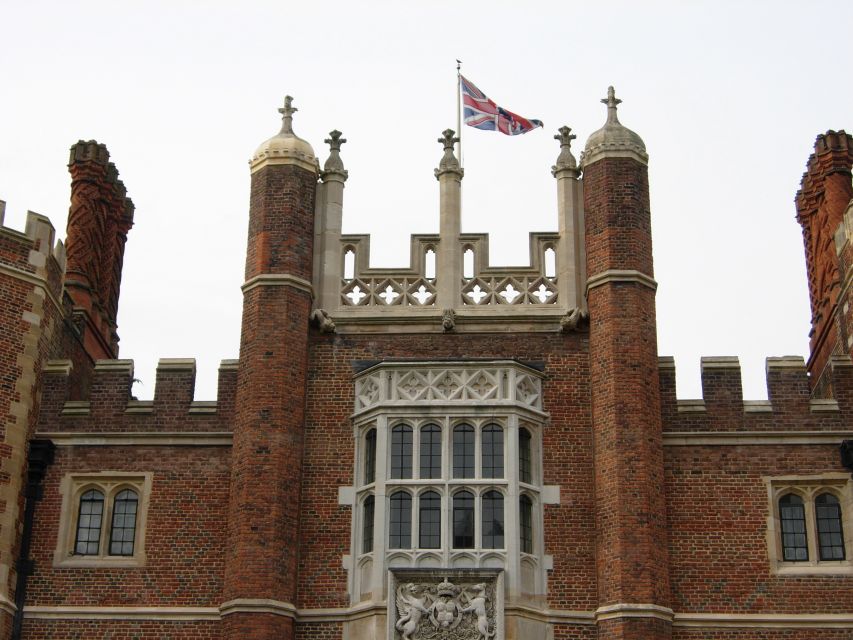
Most palace tours treat kitchens like an afterthought. Here, it’s given center attention, and that’s smart. When you stand near the Tudor kitchens and sense the warmth from the fire, the period stops being a list of facts. Your brain connects labor, food, ceremony, and logistics.
The tour also plays with the idea of slipping from court life toward the practical reality of feeding a massive household. That contrast—glamour upstairs, heat and work below—helps you grasp why royal life required infrastructure on an industrial scale.
This is also a good moment to ask your guide questions. If you’re the type who likes details (food preparation, who did what, how daily life worked), kitchens tend to unlock answers. And if you’re not into extra trivia, you can still enjoy it as a sensory stop that breaks up the more formal rooms.
Finding Young Henry: the Katherine of Aragon thread

One of the more focused parts of the tour is an exhibition dedicated to “Young Henry,” especially his relationship with his first queen, Katherine of Aragon. This is a useful change of pace from the grand rooms. Instead of treating Henry as a single, finished character, you get a version of the story shaped by relationships and early decisions.
I like this approach because it prevents the typical Henry VIII trap: lots of portraits, lots of titles, but not much emotional cause-and-effect. If your interest is in why Henry became Henry—what shaped him before he fully hardened into legend—this exhibition helps.
Because the tour is only half a day, the exhibition isn’t going to replace a full museum visit. But it can give your tour experience a backbone. You walk through rooms, then you remember that the man behind the rooms had a personal storyline playing out at the same time.
You can also read our reviews of more private tours in London






William and Mary’s apartments: late-17th-century elegance plus garden views
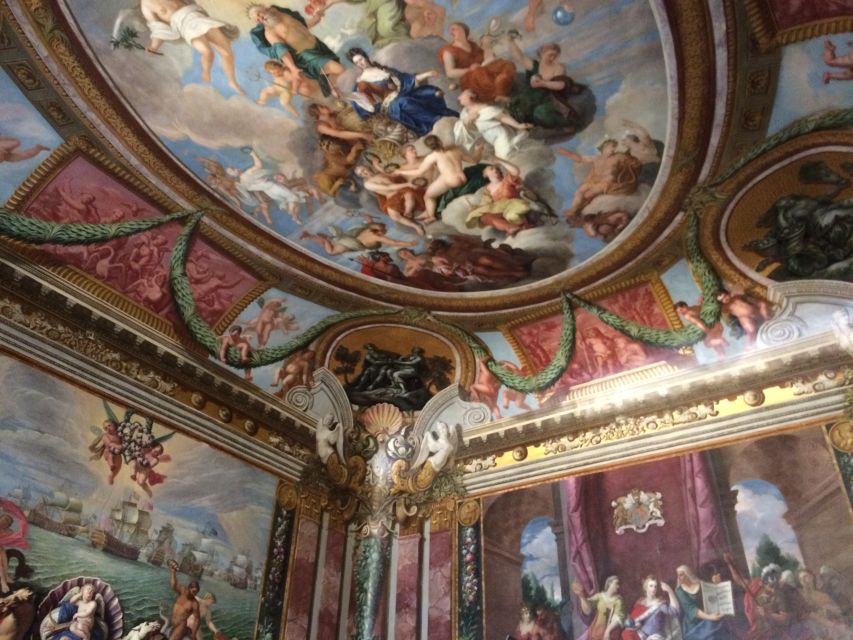
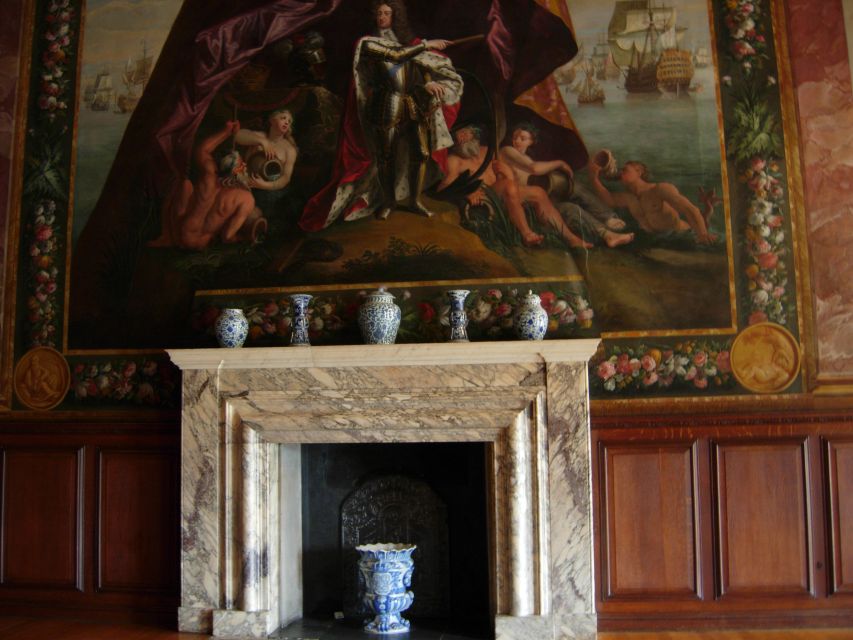
After the Tudor-heavy segments, you’ll see the splendid apartments of William and Mary from the late 17th century. This shift is valuable because it shows Hampton Court didn’t freeze in time. The palace evolved, and the style of power changed too.
The tour pairs these rooms with the views over the gardens. That pairing matters. If you only look at interiors, you miss how royal spaces were designed around sightlines. If you only roam outside, you miss the reasoning behind the architecture. Getting both helps you understand what people were meant to see and how they wanted the world framed.
These rooms are also a nice way to cool down after Tudor intensity. In practical terms, you’ll still be learning, but the vibe often feels more polished and later in tone. It’s a good reset before you head into the open air.
Hampton Court Gardens: 60 acres, fountains, and flower-bulb timing
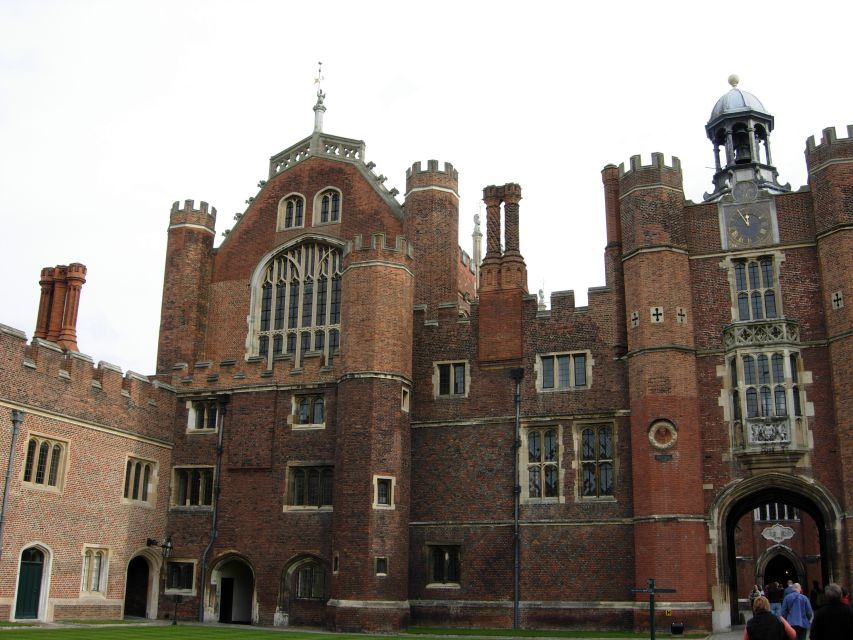
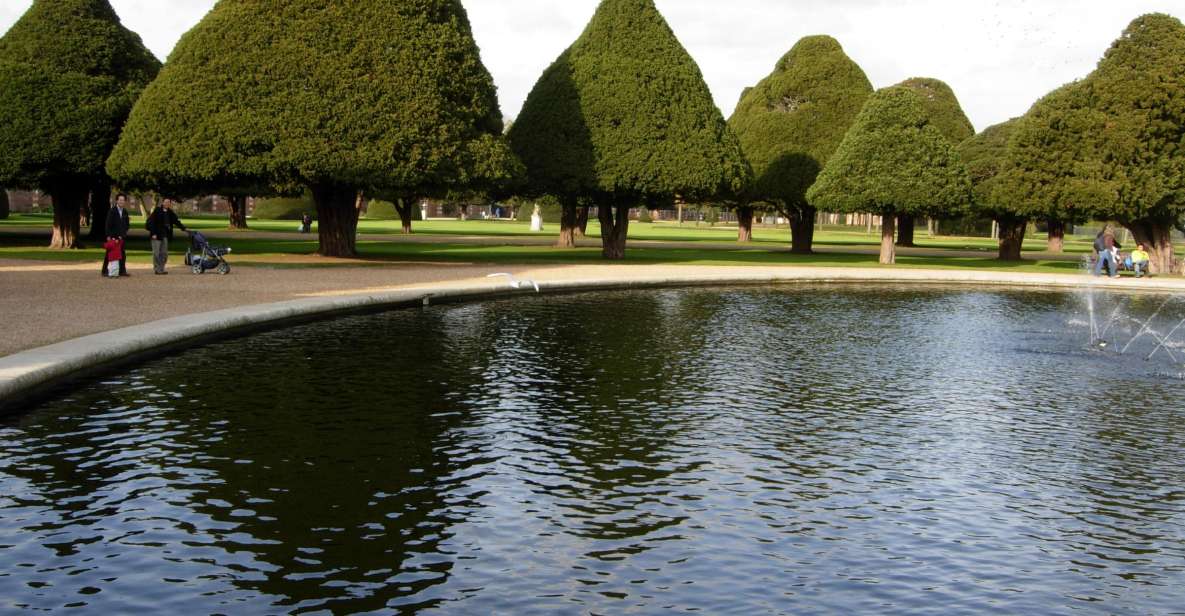
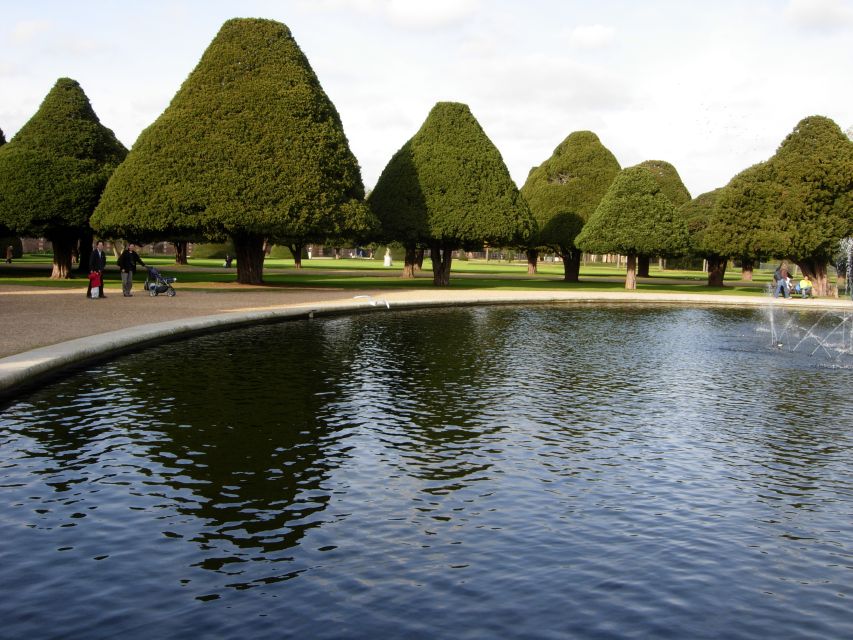
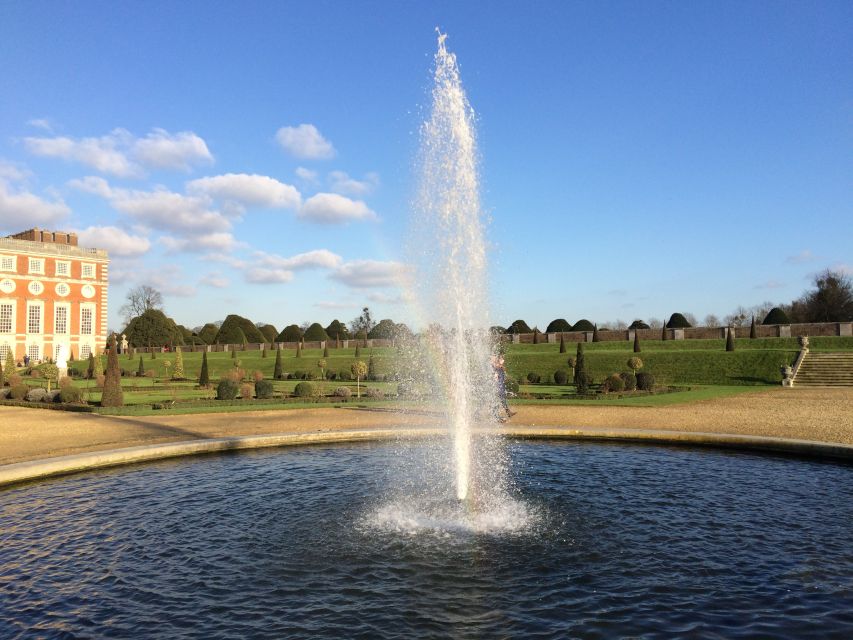
Then you get the real outdoors part: the palace gardens spanning 60 acres down toward the River Thames. This is where Hampton Court earns its reputation as more than a building. It’s a designed landscape with seasonal rhythm.
You’ll see sparkling fountains and seasonal displays of thousands of flowering bulbs. If you’re visiting in spring or early summer, that bulb display idea is especially relevant because you’re more likely to catch the gardens in peak color. Even if your timing isn’t perfect, your guide can help you read what you’re seeing—what’s planted where, how it’s arranged, and why it flows toward the river.
I recommend using the garden time strategically. Don’t treat it like a casual stroll where you stop every ten feet. Instead, pick a few “viewpoints” your guide highlights and let those guide your walking. You’ll get more photos, and you’ll feel like you experienced the garden rather than just passed through it.
Also: gardens can be weather-sensitive. If it’s raining, you may find yourselves spending more time in covered portions. The tour structure helps, but it’s still smart to bring a small umbrella or light rain layer.
New Cumberland Art Gallery: Royal collection highlights with big-name painters
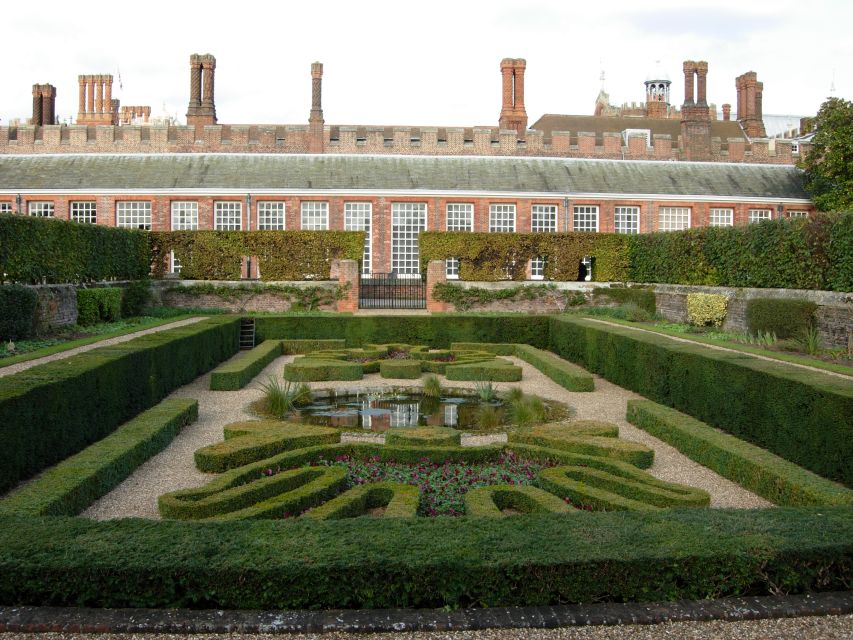
Hampton Court isn’t just Tudor and gardens. You’ll also visit the New Cumberland Art Gallery and see parts of the Royal collection. This is a strong add-on if you like art but don’t want a long, standalone gallery day.
The artists named for the Royal collection you’ll encounter include Rembrandt, Caravaggio, Holbein, Van Dyck, and Canaletto. That mix is useful because it spans styles and eras, which keeps the day from feeling like one genre of time period.
If you’re wondering what to expect from an art gallery inside a palace: think of it as tonal variety. Gardens give you scale. Tudor kitchens give you sensation. Royal portraits and paintings give you perspective—what elites wanted displayed, collected, and remembered. It’s the kind of stop that can satisfy both casual and serious art lovers, as long as you’re open to learning how art fit into royal identity.
Price and value: is $465 per group up to 1 worth it?
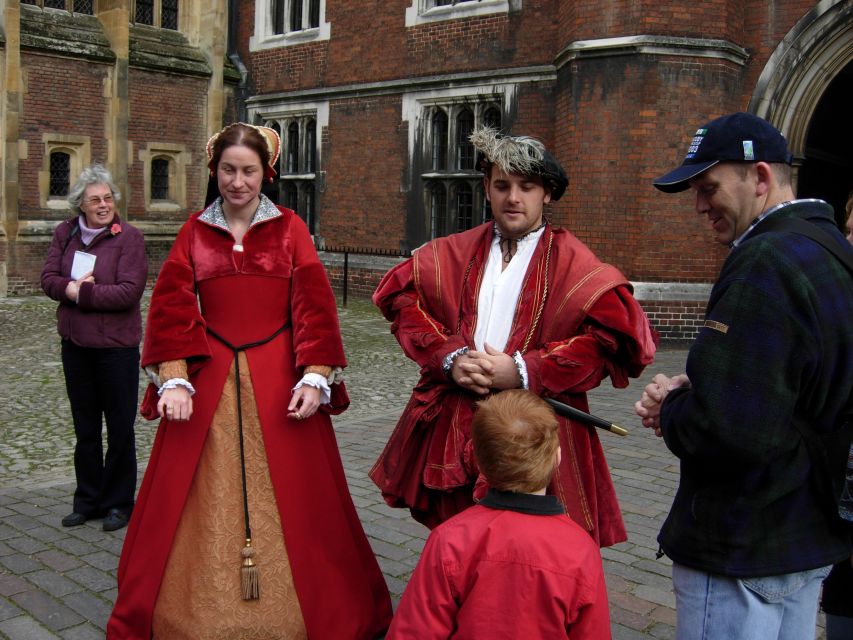
The headline price is $465 per group up to 1 for a 4-hour private guided tour. For some travelers, that sounds steep. For others, it’s a smart splurge because it buys three practical things: faster entry, guided interpretation, and a private pace.
Here’s the value math I use:
- Fast-track entry reduces wasted time at security, which matters in a palace that can be slow to start.
- A guide turns rooms into understanding. Without that, you’re left with reading plaques and hoping you connect the dots.
- Private means the tour can respond to your interests and keep you from waiting on group pacing.
Where this can feel less like a bargain is when guide quality doesn’t land well with your expectations. With a tour like this, the guide is half the product. If your guide is flat, rambling, or misaligned, the expensive “speed and comfort” can feel like it didn’t pay off. That’s why I’d be picky about choosing the right guide language and vibe.
Also remember: transportation isn’t listed as included. In the real world, you might pay for transit separately or just rely on the operator’s coordination. If you’re already planning a simple ride out there, the cost can still feel reasonable. If you’re imagining a luxury car the whole time, be cautious—some experiences may be more basic than others.
Guide quality and language: why matching matters more than you think
This tour runs with live guides in Spanish, English, French, German, Italian, Russian. I’d treat language choice like a quality filter. When you can understand every word, palace history clicks faster, and you avoid that frustrating feeling of getting only half the story.
The best guide experiences in the feedback you shared highlight anecdote style and clarity. One guide named Susanna is praised for interesting anecdotes about palace life at Hampton Court. Another guide named Simon is described with appreciation for professionalism and friendliness.
But there’s also a caution flag in the feedback: at least one experience complained about a guide not being worth the money and about history delivered with lots of assumptions, plus a mismatch in the car setup (a cab rather than a private car). I can’t sugarcoat it: with a private tour at this price level, you want the guide to feel sharp and respectful of the subject.
If you’re booking, do this quick sanity check in your mind: Are you the kind of visitor who enjoys stories and side details, or do you want strictly factual, well-paced history? If you prefer facts and structure, pick the guide language option that gives you confidence you’ll get a clear, disciplined presentation. If you love lively storytelling, you might enjoy a more anecdotal guide style.
Who should book this Hampton Court private tour?
Book this if you want:
- A guided Tudor-focused visit without spending your whole day solving logistics.
- Fast-track entry so your schedule stays intact.
- A tour that moves through State Apartments, Young Henry/Katherine of Aragon, William and Mary, gardens, and a Royal art stop.
It’s also a strong option if you like variety in your museum day: formal rooms, sensory kitchens, outdoor landscaping, and a gallery. And if you’re traveling with someone who wants everything covered in one go, a private 4-hour format is efficient.
It may not be your best fit if:
- You want a slow, deep exploration of every hallway and every corner garden path.
- You’re extremely sensitive to guide style. This is high-impact touring. When it clicks, it’s great. When it misses, it’s hard to “fix” once you’re already inside.
Should you book this private Hampton Court tour?
I’d book it if you value guided interpretation and want Hampton Court Palace to feel coherent—Henry’s apartments, the kitchens, the Katherine of Aragon thread, the William and Mary rooms, and then the gardens and art. The fast-track element plus the private format make this a good use of a half-day in London.
I’d think twice if you’re expecting transportation details to match a specific image (private luxury car vibes) or if you’ve had bad luck with guide-fit in other tours. In that case, consider timing your visit for when you’re rested and ready to learn, and be ready to ask questions early. A good guide can make Hampton Court Palace feel alive in 4 hours.
FAQ
FAQ
How long is the Hampton Court private guided tour?
The tour lasts 4 hours.
Where do I meet the guide?
Meet your guide at London’s Waterloo Station.
What’s included in the tour package?
Included are the guide and fast-track entrance tickets to Hampton Court.
What does fast-track mean on this tour?
You skip the line through an express security check.
What will I see during the tour?
You’ll visit Hampton Court Palace, including Henry VIII’s State Apartments, gardens with fountains and seasonal floral displays, Tudor Kitchens, an exhibition about Young Henry and Katherine of Aragon, the apartments of William and Mary, and the New Cumberland Art Gallery with works from the Royal collection.
What languages are available for the live guide?
Languages offered are Spanish, English, French, German, Italian, and Russian.
Is transportation included?
Transportation is not listed as included. The tour includes meeting at Waterloo Station and drop-off locations at Westminster and Waterloo Station.