REVIEW · LONDON
Jack the Ripper: Night Murder Mystery Walking Tour in London
Book on Viator →Operated by Eternal Experiences · Bookable on Viator
Whitechapel at night feels like evidence. This 2.5-hour mystery walking tour turns famous Jack the Ripper locations into a solvable case, with a guide in a Ripperologist-style role and stops that help you connect motives, neighborhoods, and rumors.
I especially like the interactive format that asks you to solve a mystery as you walk, and the way the story is told with respect for the victims, not cheap thrills. Guides such as Tyson, Kory, Dougal, and Hadi come through in the way they pace the facts and keep things human.
One thing to consider: it’s a night walk with lots of standing and limited chances to sit, and in bad weather you may need to work harder to hear the guide.
In This Review
- Key highlights you should not miss
- Jack the Ripper, but as a solvable case at night
- Price, time, and group size: why it feels like good value
- Where you meet and how the route ends at Mitre Square
- Interactive mystery solving: how the game feel stays respectful
- Brick Lane: Victorian poverty as the setup for everything else
- Princelet Street: a quiet lane with heavy associations
- Puma Court: why unchanged corners make the story stick
- Ten Bells Pub: where the case story closes with a real local landmark
- Gunthorpe Street: theories around Martha Tabram’s murder
- Goulston Street: a physical clue and the chalk message controversy
- St Botolph without Aldgate: reflecting on refuge, vulnerability, and failure
- How to get the most out of a cold, fast-paced night walk
- Guide style: the storytelling that earns the near-perfect rating
- Who this tour suits best (and who might want a different night)
- Should you book Jack the Ripper: Night Murder Mystery in Whitechapel?
- FAQ
- How long is the Jack the Ripper night walking tour?
- How much does the tour cost?
- What language is the tour offered in?
- What is the maximum group size?
- Where does the tour start and where does it end?
- What’s the tour experience like?
- Which places are included on the route?
- Do you need an admission ticket for the stops?
- Is there a mobile ticket?
- Is it refundable if I change my plans?
Key highlights you should not miss
- Crime-scene mystery: you’ll visit Ripper-related locations and work through clues as part of the experience
- Victims first: the route keeps returning to the women affected, their daily lives, and the pressures around them
- Chronological storytelling: many guides keep the timeline moving so the case feels clearer as you go
- Small group size: capped at 25 travelers, which makes it easier to stay together in the dark
- Ten Bells Pub tie-in: you finish at/near the pub tied to the case, in Whitechapel
- Central East London route: you’ll move through streets that still feel like the 1800s in atmosphere
Jack the Ripper, but as a solvable case at night
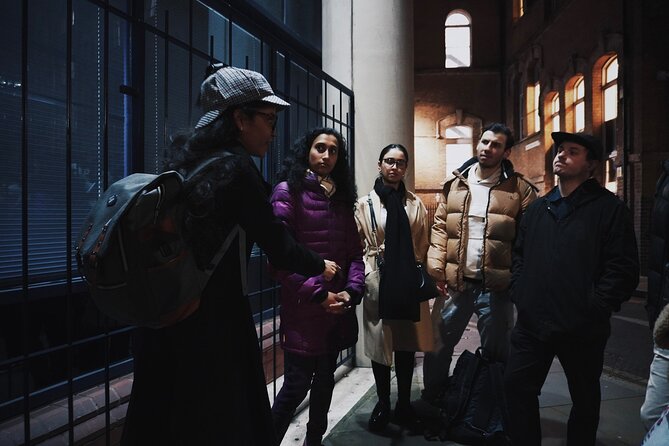
This tour works because it doesn’t treat Jack the Ripper like a cartoon. Instead, you walk through Whitechapel’s streets and let the geography explain the mystery. The guide wears a Ripperologist-style persona, so you’re not just listening—you’re being asked to think like someone investigating.
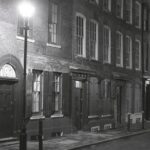
What makes it a good night option is the setting. Whitechapel after dark has the right mood for the story: narrow lanes, dim street corners, and that sense that the past is close by. You also get a built-in structure: multiple short stops that keep the pace moving, rather than a long lecture where you lose the thread.
You can also read our reviews of more walking tours in London



Price, time, and group size: why it feels like good value
At $22.93 per person for about 2 hours 30 minutes, this is priced like a fun evening activity, not a pricey guided day. You’re paying for an organized route, a guide who can handle a tricky subject with care, and an experience that includes interaction rather than just sightseeing.
The small group cap of 25 travelers matters more than it sounds. In a walking tour at night, fewer people means less bunching at corners and less strain trying to hear. Also, the stops are listed as free admission, so you’re not hit with extra entry fees as you go.
Where you meet and how the route ends at Mitre Square
You start at St Marys Whitechapel Church Memorial on a road in London E1 1FE. You’ll end at Mitre Square in London EC3A 5DE, tied to the final victim, Mary Jane Kelly.
This end-point is part of the impact. You don’t just finish at another random landmark—you close the loop at a place directly linked to the case. For your planning, it helps to know that the tour is designed as a continuous walk, not a “hop on/hop off” situation.
Interactive mystery solving: how the game feel stays respectful
The heart of this experience is the interactive element. The tour frames the night like a case: you visit the crime-scene locations, then work through what the clues might mean. It’s part storytelling, part detective exercise.
I like that the tone stays measured. Even though the subject is grim, the best versions of this tour focus on context: what the streets were like, what people faced, and how rumors and evidence shaped the story. From what you can expect, the guide’s job is to keep it thought-provoking and grounded in the reality of the time.
Brick Lane: Victorian poverty as the setup for everything else
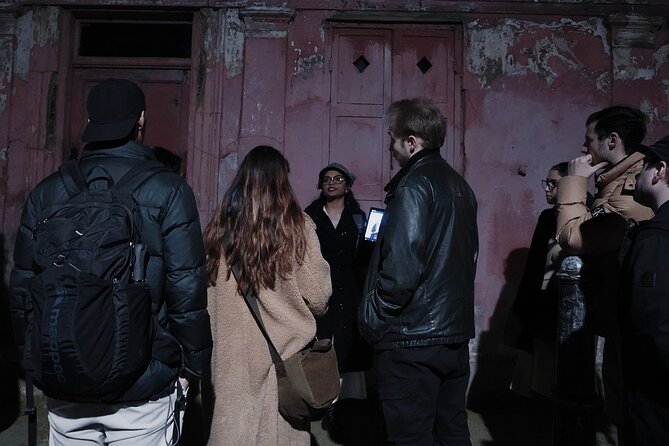
Your first stop is Brick Lane. Today it’s known for culture and life, but the tour puts you back in Victorian-era conditions: poverty, overcrowding, and desperation. That matters, because the crimes weren’t happening in a vacuum. The environment shaped daily fear, mobility, and how outsiders saw vulnerable people.
You’ll get a short walk-through at this stop, around 17 minutes, which is perfect for getting context without dragging on. If you’re pairing this with other London plans, it’s also easy to slot in since it doesn’t eat the whole night.
You can also read our reviews of more evening experiences in London





Princelet Street: a quiet lane with heavy associations
Princelet Street is narrow and quiet, and the tour uses that contrast to make the past feel close. This is where the guide links the area to the living conditions and risks faced by women like Annie Chapman.
The value here isn’t just the name-drop. It’s the way the street setting helps explain how someone could be seen, ignored, or missed in the chaos of the time. You’ll likely feel the shift from general background into more direct case details.
Puma Court: why unchanged corners make the story stick
Puma Court is described as virtually unchanged since the 19th century. That’s exactly the kind of detail that makes a walking tour work better than a museum exhibit. When the location still has the old feel, your brain naturally fills in what life might have been like.
At this stop, the tour leans into the idea that visibility and anonymity can exist side by side. In other words: this is how a neighborhood can be familiar and still dangerous.
Ten Bells Pub: where the case story closes with a real local landmark
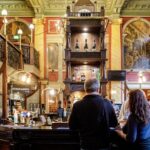
One of the most talked-about moments is the Ten Bells stop. The tour frames it as a place many victims were believed to have visited before their deaths, then steps outside its doors to tie that claim to their final hours.
This is also a good moment to recalibrate. Up to this point, you’ve been mentally processing facts and street-level clues. At Ten Bells, the story lands in a real, recognizable pub landmark, which helps the case feel less abstract.
Gunthorpe Street: theories around Martha Tabram’s murder
Gunthorpe Street is where the tour turns darker. It focuses on Martha Tabram, described as a possible early victim, and walks you through clues and competing theories about her inclusion in the victim list.
This stop is where you’ll feel the “mystery” part most. The guide’s job is to keep the discussion fair: explain why people connect her to the case, and also why there’s uncertainty. If you enjoy true crime when it stays careful instead of sensational, you’ll likely appreciate this section.
Goulston Street: a physical clue and the chalk message controversy
At Goulston Street, the tour highlights a chilling detail: a bloody piece of apron linked to Catherine Eddowes. It also references a chalk message nearby that triggered controversy and conspiracy theories that still show up in the Jack the Ripper conversation.
This stop is worth your attention because it shows how evidence becomes a story. A single object can be interpreted many ways, and once rumors spread, the narrative can outgrow the original facts. The tour’s role is to help you see that process, not just repeat the most dramatic version.
St Botolph without Aldgate: reflecting on refuge, vulnerability, and failure
You then pause at St Botolph without Aldgate. The tour presents it as a refuge-haunt for vulnerable women, and it uses the church setting for a more reflective moment on how Victorian society failed the women now known as the Ripper’s victims.
I like this part because it shifts the focus from the hunt to the harm. It makes the case feel like human lives, not just a puzzle. If you’re someone who wants your “dark history” to stay grounded and compassionate, this stop is the tone-setter.
How to get the most out of a cold, fast-paced night walk
Expect a steady rhythm: several stops, each about 17 minutes, with walking between locations. Because it’s not a “sit and listen” tour, you should dress for the weather and keep movement easy.
Two practical tips from the way the experience tends to go:
- If it’s raining, keep your hood up and your ears ready. In wet weather, it can be harder to hear a guide clearly, especially at street corners.
- Plan for mostly standing time. The tour doesn’t sound designed around frequent breaks.
Also, the guide has to keep a group together in the dark and near multiple other groups. One recurring praise theme is how guides handle the crowd and pace you so nobody feels left behind.
Guide style: the storytelling that earns the near-perfect rating
The strongest praise centers on how guides tell the story. Names you may see include Tyson, Kory, Dougal, and Hadi, and the themes stay consistent: strong detail, clear explanation, and a tone of respect.
Many guides also keep the story chronological, so you can track how the case develops rather than bouncing between eras. That chronological approach helps you build a mental map of motive, opportunity, and the shifting rumors.
Humor shows up too, in small doses. It doesn’t erase the seriousness, but it helps you keep your footing and stay engaged. One guide described as calm and confident is also described as handling the topic with real care, avoiding anything gratuitous or sensational.
Who this tour suits best (and who might want a different night)
This is a great fit if you’re into:
- True crime that’s tied to real places
- History you can walk through
- A mystery format with clues, not just a narration
You might want to skip or choose another type of activity if you:
- Want lots of seating and long pauses
- Struggle to hear in outdoor settings at night
- Are easily distressed by stories about violence, even when told respectfully
The tour is described as doable for most travelers, and service animals are allowed, which helps it feel welcoming.
Should you book Jack the Ripper: Night Murder Mystery in Whitechapel?
If you’re spending an evening in East London and you want a story-driven walk that feels structured, interactive, and thoughtful, I’d book it. At $22.93, the value comes from the combination: small-group size, a clue-based format, and a route that ties neighborhood conditions to the case.
Two reasons to feel confident:
- The tour’s approach is repeatedly praised for respect and for making the victims’ lives part of the story.
- The pacing and chronological feel make it easier to follow, even if you’re new to Jack the Ripper.
One last nudge: bring a jacket you trust and plan to walk the whole time. This is best experienced with a curious mind and a steady stride.
FAQ
How long is the Jack the Ripper night walking tour?
It runs for about 2 hours 30 minutes.
How much does the tour cost?
The price is $22.93 per person.
What language is the tour offered in?
The tour is offered in English.
What is the maximum group size?
The tour has a maximum of 25 travelers.
Where does the tour start and where does it end?
It starts at St Marys Whitechapel Church Memorial in London E1 1FE and ends at Mitre Square in London EC3A 5DE.
What’s the tour experience like?
It’s an interactive night walk with a guide in a Ripperologist guise. You visit crime-scene locations and solve a mystery as you go.
Which places are included on the route?
Stops include Brick Lane, Princelet Street, Puma Court, Ten Bells in Whitechapel, Gunthorpe Street, Goulston Street, and St Botolph without Aldgate.
Do you need an admission ticket for the stops?
The stops are listed as having free admission.
Is there a mobile ticket?
Yes, the tour uses a mobile ticket, and you’ll receive confirmation at the time of booking.
Is it refundable if I change my plans?
Free cancellation is available if you cancel at least 24 hours before the experience starts. If you cancel within 24 hours, the amount paid isn’t refunded.