REVIEW · LONDON
Jack the Ripper: Solve the Crime Walking Tour (Kids Free!)
Book on GetYourGuide →Operated by Top Sights Tours LLC. · Bookable on GetYourGuide
Jack the Ripper on foot is a different kind of London night. I like the way this tour turns Whitechapel into a step-by-step crime map, and I also like the hands-on feel of seeing police photos and evidence as you walk. The one thing to think about: this is described as dark, gritty, and not for the faint of heart.
You’ll start at the Whitechapel Gallery, then follow the murders in sequence through narrow, Victorian-era streets where some buildings still feel stubbornly close to 1888. I also appreciate that the guide you’ll meet has lived in the area for years and shares their own theories, not just facts on a slide. If you’re traveling with kids, it’s a plus that kids are free, but you’ll want to judge whether the topic and images-style details are a good fit.
In This Review
- Key things to look for on this Jack the Ripper walking tour
- Whitechapel at 7:30 PM: what the meeting and timing really mean
- Whitechapel Gallery start: your briefing before you hit the narrow streets
- Crime scenes in sequence: how the route keeps the mystery organized
- The letter that created Jack the Ripper: why you’ll spend real time on it
- Police photos, evidence, and the doorway clue: where the walk gets most specific
- East End street life: pubs, workplaces, and the people behind the case
- Guides and visual tools: what makes the storytelling click
- Price and value: is $29 a fair deal for a 2–2.5 hour case walk?
- Practical tips so you enjoy it (instead of just enduring it)
- Who should book—and who should skip this one?
- Should you book the Jack the Ripper solve the crime walking tour?
- FAQ
- Where does the tour start?
- What time does the tour depart?
- How long is the walking tour?
- How much does it cost?
- Is the tour in English?
- Are umbrellas provided?
- Are kids allowed and do they pay?
- What does the tour include in terms of evidence and documents?
- Is there free cancellation?
- Can I reserve without paying right away?
Key things to look for on this Jack the Ripper walking tour
- A crime-scene route in sequence through London’s East End
- Police photos of victims and evidence shown during the walk
- The mysterious letter that helped create the world-famous nickname
- The doorway clue where the only clue was discovered
- Pubs, workplaces, and street corners tied to victims’ everyday lives
- Umbrellas included for a rainy East End night
Whitechapel at 7:30 PM: what the meeting and timing really mean
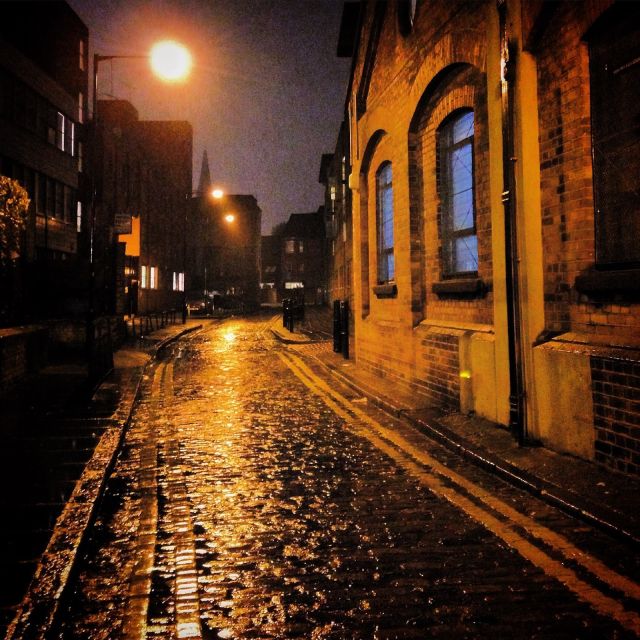
This is a nighttime walking tour, and the timing is part of the experience. It departs at 7:30 PM sharp, so arrive early—aim for 10 minutes before the start—so you can settle in and get briefed before the streets feel even darker.
You’ll meet at the entrance of the Whitechapel Gallery, near Aldgate East. The tour uses Exit 3 of Aldgate East Station, and it specifically notes there are two Aldgate stations—so double-check you’re at Aldgate East. If you’re prone to last-minute stress, this is one you’ll be glad you planned for.
You can also read our reviews of more walking tours in London



Whitechapel Gallery start: your briefing before you hit the narrow streets

The walk begins at the Whitechapel Gallery entrance, which is a solid anchor point before you wander into the maze of side streets. Expect the guide to set the scene for the “autumn of 1888” atmosphere right away, including the early name for the killer (the Whitechapel Murderer) before the nickname Jack the Ripper takes over.
This first stretch matters because it frames everything that comes next. When you’re later looking at specific sites tied to victims—streets, buildings, alleyways—you’ll understand why the guide is choosing each stop and how the story links together.
A small but practical touch: umbrellas are included, which is useful in London at night. Even if the forecast looks fine, you’ll thank yourself if the weather changes while you’re out.
Crime scenes in sequence: how the route keeps the mystery organized
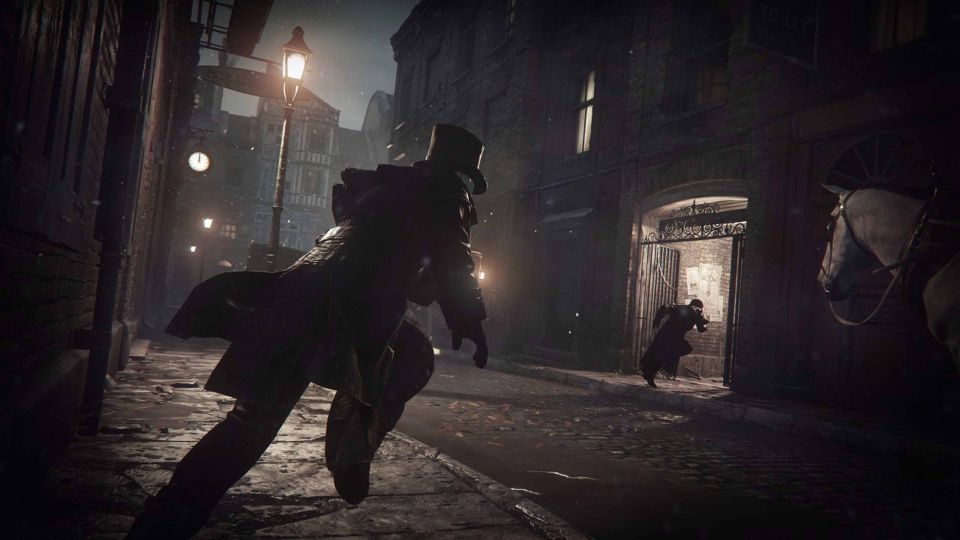
Instead of being a random stroll through spooky corners, this tour follows the murders in sequence. That structure is what makes a long, grim topic feel manageable—you’re not just collecting eerie stops; you’re seeing how the events unfold in order.
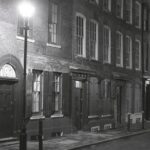
As you walk, you’ll be shown places tied to where victims were murdered and where they were found. The tour description leans hard into the Victorian East End feel: dark, narrow streets, with buildings and alleys that have hardly changed since the period. That “still-a-little-untouched” vibe is the whole point. It’s one thing to read about 1888; it’s another to be standing in streets where that era’s layout is still doing the work.
One more note from the tone of the experience: it’s not framed as a light ghost story. The guide presents it as a gruesome, unsolved part of London’s past, and you should expect the walk to match that.
The letter that created Jack the Ripper: why you’ll spend real time on it
A key part of this tour is the mysterious letter that helped create the nickname Jack the Ripper. You’ll read it as part of the experience, and you’ll be shown a copy during the walk.
This detail is valuable because it explains the jump from a local description (the Whitechapel Murderer) to a name that stuck worldwide. You’re not only learning where things happened; you’re also learning how the story got amplified and spread through a London news agency—exactly the kind of mechanism that turns a crime into a cultural phenomenon.
If you like connecting “what happened” with “how it became famous,” this section is a highlight. It turns the tour from simple dark sightseeing into storytelling with cause-and-effect.
Police photos, evidence, and the doorway clue: where the walk gets most specific
You’ll see police photos of the victims and evidence during the tour. This is one of the strongest “detective work” elements, because it shifts the focus from street legends to documentation-style material.
Another standout is the doorway where Jack the Ripper’s only clue was discovered. That clue isn’t just a trivia point—it’s presented as the lone solid thread, which makes the whole case feel even more unresolved. If you’ve ever wondered why this case still pulls people in, this is where you’ll feel the weight of the missing answers.
A good way to think about this: the tour uses physical locations plus evidence visuals to help you picture the case as the police would have tried to do at the time. Even if you don’t care about forensics, watching how the guide frames evidence makes the walking route feel more like problem-solving than sightseeing.





East End street life: pubs, workplaces, and the people behind the case
This isn’t only about the murders. You’ll also see buildings and places connected to victims’ everyday lives—pubs where they drank, workplaces tied to how they lived, and the surrounding streets where they moved through the neighborhood.
That matters because it stops the story from becoming purely about gore. The tour description emphasizes that the area is steeped in stories that came before and after Jack appeared, and you’ll get that sense as you move from location to location.
The best value here is how the guide uses the streets themselves as clues. The East End isn’t just scenery; it’s an operating system—routes people likely took, spots people likely passed, and landmarks that shaped daily life. You walk away with more than a spooky list of places.
Guides and visual tools: what makes the storytelling click
This experience depends heavily on the guide’s delivery. And the indications are good. One reviewer praised a guide named Harry, calling out how funny, interactive, and knowledgeable he was, plus that he used a projector to show pictures so it felt like life in the 1800s.
Another review highlighted a guide who had lived in the center of London for over 20 years and specifically in Whitechapel for five years, which helps explain the grounded feel of the talk. Even when your guide doesn’t use the exact same tools, this kind of local familiarity typically translates into clearer explanations and better “why this spot matters” commentary.
If you’re the type who learns well from visuals and a guided conversation, this tour’s format should suit you. If you’re expecting a silent, purely atmospheric stroll, you may want to adjust your expectations.
Price and value: is $29 a fair deal for a 2–2.5 hour case walk?
At $29 per person for about 2 to 2.5 hours, you’re paying for a focused guided experience with multiple elements you don’t get on a self-guided walk: the evidence-style photos, the letter copy, and the doorway clue explanation.
For value, the “small extras” add up. Umbrellas are included, and kids are free—that’s a big deal if you’re trying to make the outing affordable for families. You’re also getting a live guide in English, and the tour notes that private or small groups are available, which can improve the experience if you prefer a slower pace or more Q&A.
Balanced take: the topic is heavy. If you’re looking for a light evening activity, you might feel the price is less meaningful. But if you want a structured, story-led walkthrough with evidence visuals, the cost lines up well with what you receive.
Practical tips so you enjoy it (instead of just enduring it)
A few details can make this tour easier:
- Wear comfortable shoes. You’re walking through narrow streets for 2–2.5 hours.
- Bring your own detective mindset. The tour even suggests bringing detective hats, which is a fun way to lean into the theme.
- Plan around the start time. It departs at 7:30 PM sharp, and meeting late can throw off the whole rhythm.
- Use the station guidance. Double-check you’re at Aldgate East, Exit 3.
- Expect the tone to be dark and intense. If you’re easily affected by unsettling material, think twice before booking.
And if you’re traveling with kids: kids are free, but “free” doesn’t automatically mean “everyone will love it.” Match the tour to your child’s comfort level.
Who should book—and who should skip this one?
This tour is a great match if you want a guided walk that treats the case like a mystery you can follow in order. It’s also ideal if you enjoy crime-scene style sightseeing where evidence and documentation are part of the story.
You might skip it if:
- you dislike grim subject matter (the tour openly warns it’s not for the faint of heart)
- you’re hoping for a purely atmospheric ghost tour with no evidence-style content
- you want lots of modern landmarks and casual strolling (this route stays rooted in the East End’s darker, older side streets)
Kids can come for free, so it can work well for families who know their kids handle history-based scary topics. Just be honest about what your group can handle before committing.
Should you book the Jack the Ripper solve the crime walking tour?
If you’re choosing between a generic London night walk and something more themed, I’d lean toward booking this one. The combination of a sequence-based route, police photos, the mysterious letter, and the doorway clue makes it feel like an actual case walkthrough rather than a costume-and-crowd performance.
My “yes, book it” advice is simple: come curious, wear comfy shoes, and be ready for a darker tone. If that fits your idea of a memorable evening in London, you’ll get real value out of every stop—especially the parts where the story changes from legend into evidence.
If it doesn’t fit (too intense, too graphic, or too heavy for your group), then save your night for something lighter and keep your imagination for a different kind of mystery.
FAQ
Where does the tour start?
The tour meets at the entrance of the Whitechapel Gallery, located at Exit 3 of Aldgate East Station.
What time does the tour depart?
The tour departs at 7:30 PM sharp, so it’s best to arrive about 10 minutes early.
How long is the walking tour?
The duration is 2 to 2.5 hours.
How much does it cost?
The price is $29 per person.
Is the tour in English?
Yes, the live tour guide speaks English.
Are umbrellas provided?
Yes. Umbrellas are included.
Are kids allowed and do they pay?
Kids are free on this tour. You can bring them along, but the experience is described as dark and not for the faint of heart.
What does the tour include in terms of evidence and documents?
You’ll see police photos of victims and evidence, you’ll be shown a copy of the mysterious letter connected to the Jack the Ripper nickname, and you’ll visit the doorway clue area.
Is there free cancellation?
Yes, you can cancel up to 24 hours in advance for a full refund.
Can I reserve without paying right away?
Yes. The tour offers reserve now & pay later, so you can book your spot and pay nothing today.