REVIEW · LONDON
London: 2-Hour Shakespeare Walking Tour
Book on GetYourGuide →Operated by Brit Icon Tours · Bookable on GetYourGuide
Shakespeare walks the streets with you. This 2-hour London Shakespeare walking tour uses real locations around Blackfriars and the City to turn famous lines into something you can hear and see. You start near the lost world of the Blackfriars Theatre, then follow quieter lanes where small memorials (and one surprising monument) help explain how London shaped the plays.
I especially love the professional actor angle, because the speeches aren’t tacked on. Declan uses readings as a way to teach how the words land—so you don’t just learn facts, you hear the rhythm and intent behind them. Second, I like the focus on places you’d miss on a standard sightseeing loop, including little-known memorials and even that towering-but-hidden monument tied to a well-known monologue.
One consideration: you’ll do a moderate amount of walking, and the tour goes ahead rain or shine. If you’re hoping for minimal steps, or if you need something very stroller-friendly, this one won’t fit as well.
In This Review
- Key highlights you’ll feel on the walk
- Why Blackfriars Station makes this tour click
- Declan and the actor’s toolkit: what changes when it’s performed
- How Shakespeare would have sounded in London
- The route through Shakespearean London, without the crowds vibe
- The memorial hunt: statues, plaques, busts, and a totem pole
- The towering but hidden monument (and why you should slow down)
- Blackfriars Theatre, the Globe connection, and the theater world
- London changes fast: from the Great Fire to the Blitz
- Quotes on the move: how the speeches shape the pacing
- Weather, shoes, and the moderate walking reality
- Price and value: is $22 worth a 2-hour actor-led walk?
- Who should book, and who might prefer something else
- Should you book this London Shakespeare walking tour?
- FAQ
- Where is the meeting point for the tour?
- What time should I arrive?
- How long is the tour?
- How much walking is involved?
- What language is the tour in?
- Does the tour run in bad weather?
- Is it suitable for pregnant women?
- How much does it cost?
- Can I cancel or pay later?
Key highlights you’ll feel on the walk
- Start at Blackfriars Station and learn theater-life details right away, close to the Blackfriars Theatre.
- Hear Shakespeare speeches in performance style, led by former professional actor Declan.
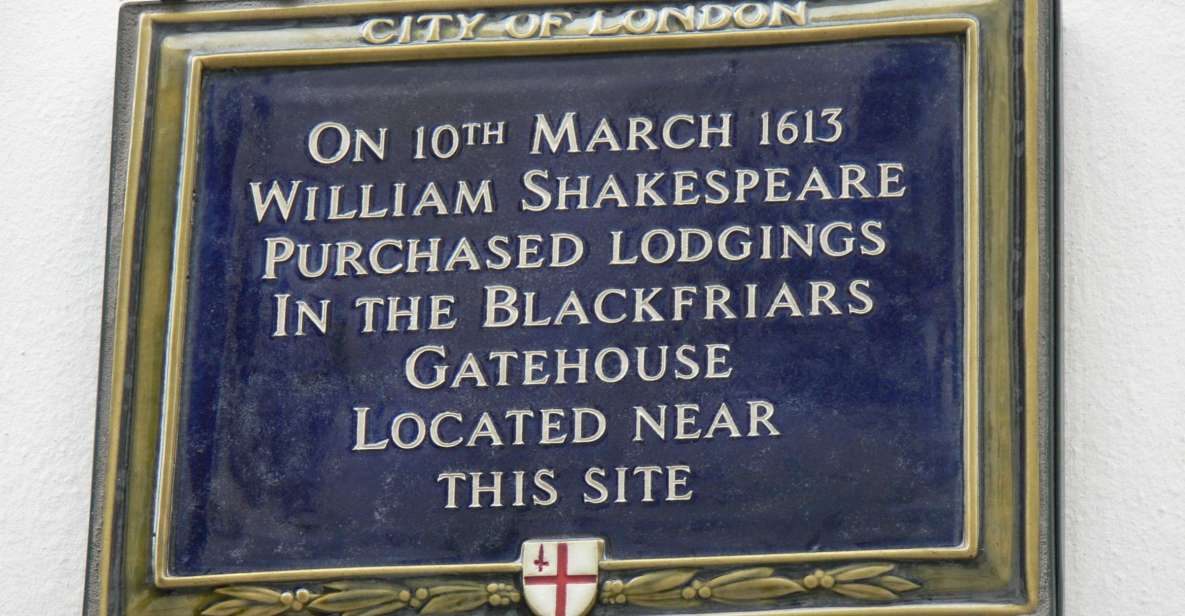
- Track the Bard through hidden memorials like statues, plaques, busts, and a totem pole.
- Find a towering but tucked-away monument created from one of Shakespeare’s best-known monologues.
- Walk the City’s quieter back alleys that help explain how his world worked.
- Get straight answers and opinions on Shakespeare-related controversies from your guide.
Why Blackfriars Station makes this tour click
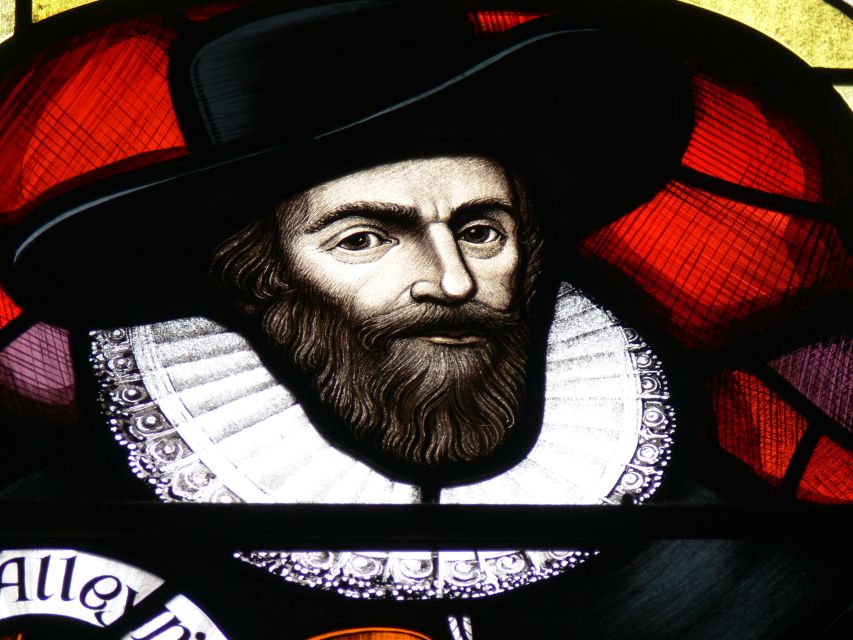
This tour is built around one smart choice: you begin at Blackfriars Underground Station (right outside the only exit on the Circle and District lines, not the Thameslink side). That matters because Blackfriars wasn’t just a dot on a map—it’s tied to the theater culture that helped shape the plays you know.
Blackfriars also gives you an easy “point of entry” without needing to be a diehard Shakespeare fan. Even if you only recognize a few titles, the guide can frame how theater, audiences, and London streets fed directly into writing.
You can also read our reviews of more walking tours in London



Declan and the actor’s toolkit: what changes when it’s performed
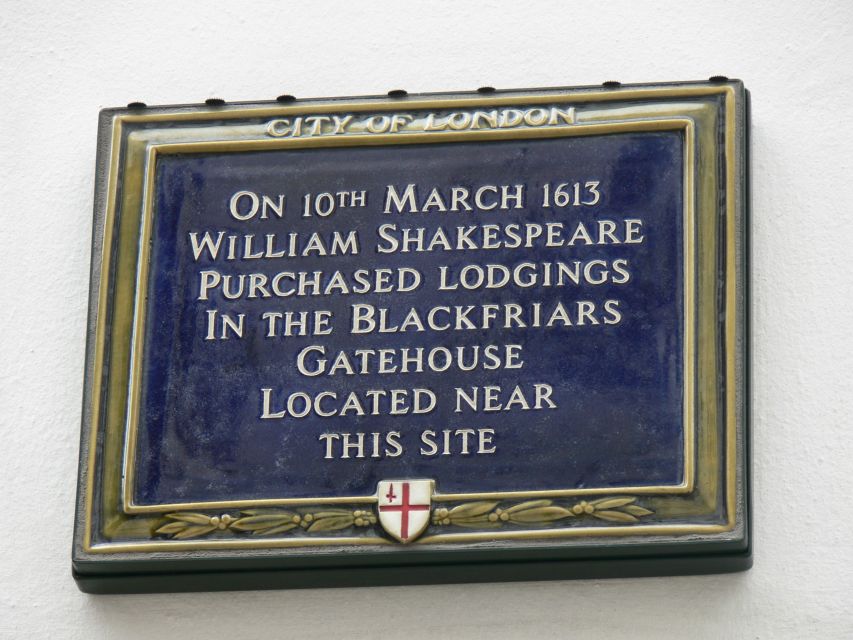
Your guide, Declan, is a former professional actor. That background shows in the way Shakespeare’s text is presented—not as trivia, but as lines meant to be spoken aloud, paced, and listened to.
The payoff is practical: if you’ve ever read Shakespeare in silence and felt the language slide past, hearing selections on the move helps you catch meaning and tone faster. It also turns the walk into a sequence you follow, not a checklist of monuments.
You’ll also get the kind of guidance that invites questions. One reason this tour gets high marks is the guide’s willingness to answer and his habit of mixing insight with humor instead of lecturing.
How Shakespeare would have sounded in London
A standout promise here is to find out how Shakespeare would have spoken. The idea isn’t that you’ll suddenly master Early Modern English. It’s that you’ll hear how phrasing, emphasis, and momentum affect what a character is trying to do.
That’s especially useful in London, where you can “see the world” around the language. As you move between spots tied to Shakespeare’s London, the quotations stop feeling like museum labels and start feeling like dialogue—something intended for an audience, not a page.
The route through Shakespearean London, without the crowds vibe
You’re not just walking past the usual headline landmarks. The tour is designed to take you into quiet back alleys and smaller corners of the City where you can actually imagine everyday life around the theaters.
This is one of those tours where the value is in the details. Small plaques and less-famous memorials can be harder to notice alone, but on a guided walk you learn what to look for and why that place matters to the playwright’s London.
If you’re the type who likes strolling at a comfortable pace and learning as you go, this fits your style. If you only want “big sights” on short notice, you might find the smaller memorials less visually dramatic—though they’re often more meaningful.
The memorial hunt: statues, plaques, busts, and a totem pole
Part of the fun is the scavenger-hunt feeling. You’ll follow in the footsteps of Shakespeare and search for hidden memorials—including statues, plaques, and busts, plus something unusual: a totem pole.
That totem pole detail is a perfect example of why this tour works. It signals that you’re not doing a generic Shakespeare circuit. You’re seeing how modern London has chosen to mark Shakespeare in unexpected ways, not only in the most obvious places.
As you spot each memorial, the guide connects it back to the bigger story: how Shakespeare’s London was theatrical and crowded in its own way, even when the streets you walk today feel calm and narrow.
You can also read our reviews of more tours and experiences in London


The towering but hidden monument (and why you should slow down)
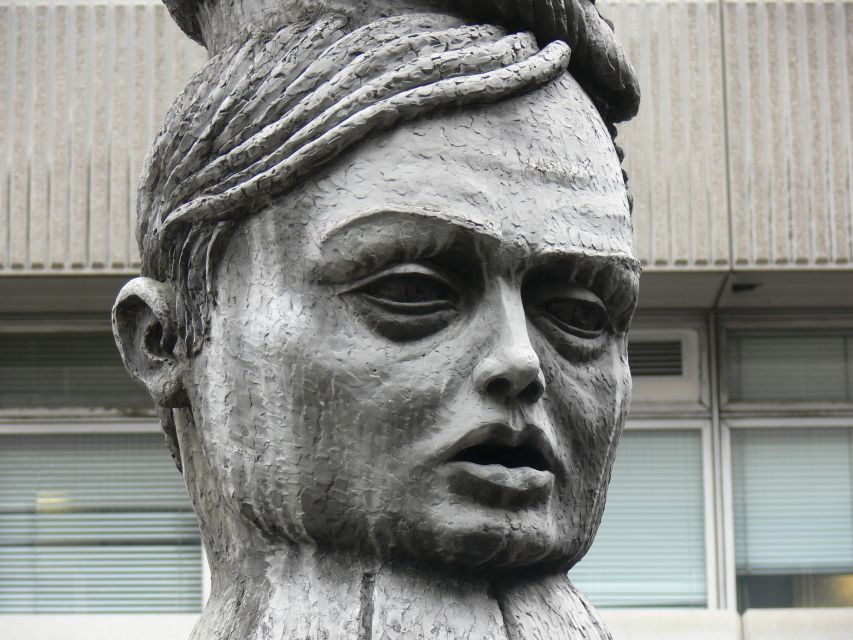
One highlight is a towering, yet hidden, monument created from one of Shakespeare’s best-known monologues. Even without needing the exact quote memorized, the idea is powerful: a single speech becomes a physical structure in the city.
The “hidden” part matters. You’ll want to keep your eyes up and your pace steady here, because monuments like this can look easy to miss if you’re just walking for photos. The guide helps you locate what you might otherwise walk right by—and explains what the monument is doing, not just what it looks like.
This stop is also a good “reset” moment. After a few memorials, it’s a chance to see one big idea turned into public art.
Blackfriars Theatre, the Globe connection, and the theater world
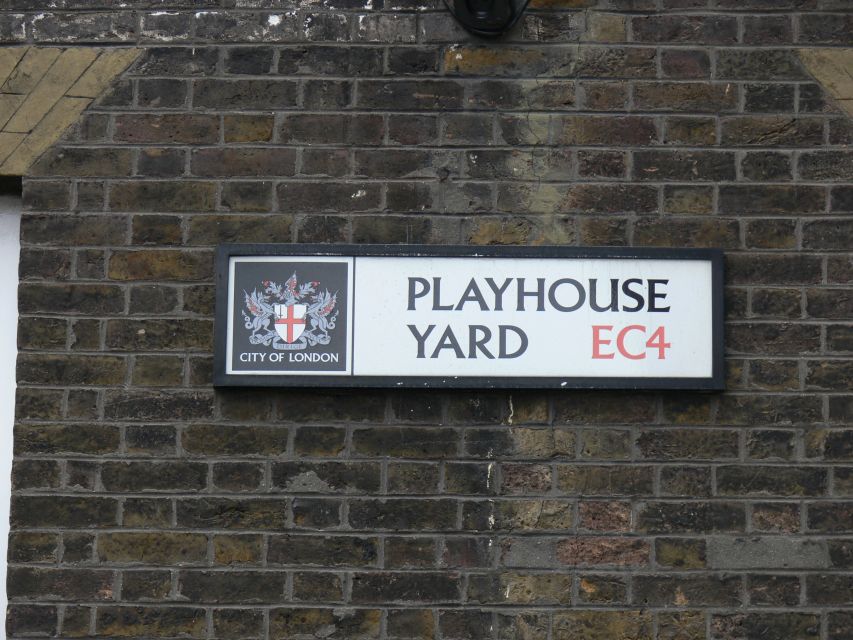
You start near the area linked to the Blackfriars Theatre, described as the lost sister theatre to the Globe. That connection gives you helpful context for how Shakespeare’s writing existed inside a living performance culture.
Here’s why that context matters: Shakespeare didn’t write for quiet reading first. He wrote for staging, timing, and audience attention. When your guide frames where Blackfriars fit into the theater landscape, it becomes easier to understand why certain themes, scenes, and character types show up the way they do.
You’ll also hear about the 16th and 17th-century London that influenced the plays. That’s the practical bridge between “Shakespeare wrote plays” and “London shaped those plays.”
London changes fast: from the Great Fire to the Blitz
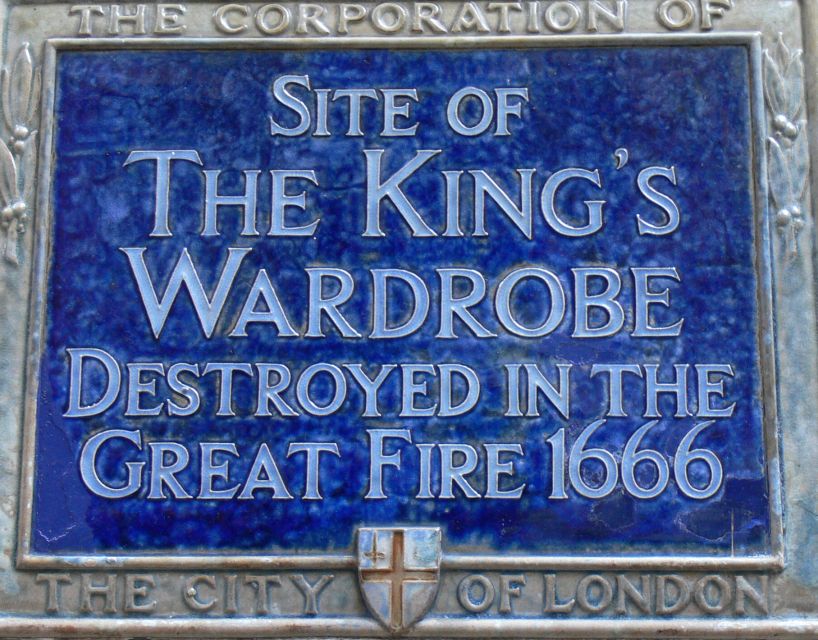
This tour doesn’t pretend the streets are frozen in time. London looks different now, especially after major events like the Great Fire and the Blitz.
That historical framing is more than background. It helps you understand why Shakespeare-related traces can feel scattered, indirect, or “hidden in plain sight.” The guide uses those city changes to show how history can survive in fragments—through memorials, street patterns, and the way locations are remembered.
If you’re the kind of traveler who likes connecting old writing to real geography, this element gives you a satisfying sense of place.
Quotes on the move: how the speeches shape the pacing
A key part of the experience is that your guide includes readings and speeches from Shakespeare’s works along the way. Think of it like timed teaching: each stop sets up why a line matters, then the performance brings it to life.
This pacing is one reason the tour works well even if you’re not a full-on literature nerd. You get short bursts of performance at strategic moments, so you don’t feel stuck in a long lecture.
It also helps you “hear” Shakespeare, which is often the missing ingredient when you’ve only met him through printed text.
Weather, shoes, and the moderate walking reality
The tour goes ahead rain or shine. Wear comfortable, weather-appropriate walking shoes and bring clothing that can handle London conditions that shift fast.
The walking is described as moderate, which usually means you’re on your feet for most of the 2 hours, moving between stops. If you’re easily tired, or if you’re planning a day of heavy sightseeing right after, I’d adjust your schedule so you’re not rushing.
Also note: this tour is not suitable for pregnant women, so check alternatives if that applies to your group.
Price and value: is $22 worth a 2-hour actor-led walk?
At $22 per person for a 2-hour guided experience, the value comes from what’s included: a professional guide/actor plus live readings. This isn’t just a talk with a few photo stops. You’re paying for guided storytelling, plus performance elements that make the language experiential.
You also get the practical value of being shown locations you’d likely miss on your own. Off-the-beaten-path pacing plus specific Shakespeare memorials (including that totem pole and the hidden monument) turns your time into something focused.
If you’re choosing between a generic city walking tour and this one, I’d pick the Shakespeare theme when your goal is meaning and voice, not just big landmarks.
Who should book, and who might prefer something else
This tour is a great fit if you want:
- a Shakespeare-focused London walk with real-world context
- spoken monologues as part of the learning
- quieter streets and smaller memorials instead of a cookie-cutter itinerary
- a guide who brings opinions and humor, not just dates
It may be less ideal if you:
- want minimal walking
- need an option for pregnancy-related accessibility considerations
- prefer large famous sights only, with little emphasis on memorias and street-level details
If you’re traveling with someone who loves theater but gets bored by dry tours, this kind of actor-led approach often lands well.
Should you book this London Shakespeare walking tour?
If you like Shakespeare but want to experience him through voice, performance, and actual city corners, I think this is a strong choice. The Blackfriars start, the actor-led speeches, and the hunt for lesser-known memorials give you a clear reason to spend two hours here instead of doing a standard walkthrough.
I’d book it if you’re comfortable with moderate walking and you can dress for rain. If you want a very low-effort stroll or you need a pregnancy-suitable option, look for a different format.
FAQ
Where is the meeting point for the tour?
Meet right outside the only exit at Blackfriars Underground Station on the Circle and District lines. It is not the Blackfriars exit on the Thameslink line.
What time should I arrive?
Arrive at least 15 minutes early, since the tour leaves promptly.
How long is the tour?
The walking tour lasts 2 hours.
How much walking is involved?
There is a moderate amount of walking.
What language is the tour in?
The tour is in English.
Does the tour run in bad weather?
Yes. The tour goes ahead rain or shine.
Is it suitable for pregnant women?
No. This tour is not suitable for pregnant women.
How much does it cost?
The price is $22 per person.
Can I cancel or pay later?
You can cancel up to 24 hours in advance for a full refund. You can also reserve now and pay later.