REVIEW · LONDON
London: Big Bus Hop-on, Hop-off with Optional River Cruise
Book on GetYourGuide →Operated by Big Bus Tours - London · Bookable on GetYourGuide
London hits different after the first loop. This hop-on, hop-off bus experience is a practical way to see the city’s big landmarks fast, then stretch it with a Thames River Cruise that runs past the most photo-friendly stretches of the river. If you like knowing what you’re looking at (not just driving past it), the onboard digital audio does that job well.
I especially liked how the 3 color-coded routes give you options depending on what you want that day, and how the upgrade options turn “a quick orientation” into a fuller London story. One thing to watch for: the buses can get crowded and traffic can slow the loop, so peak times may mean more standing or longer gaps between buses than you’d expect.
In This Review
- Key Points to Know Before You Ride
- Why This Big Bus + Thames Cruise Combo Works
- Getting Oriented Fast: Red, Blue, and Green Routes
- Red Route: Classic London Icons
- Blue Route: West-to-East Central London
- Green Route: The Museum-and-Central Corridor
- A Practical Tip: Plan Around Overlaps
- Hop-On, Hop-Off Done Right: Frequency, Traffic, and the App
- The Thames Cruise Between Westminster and Tower Pier
- 48-Hour Add-Ons: Guided Walking Tours That Teach the Streets
- Panoramic Evening Tour From the London Eye: Night Lights With a Fixed Plan
- Where the Stops Pay Off: What to Do at the Big Sights
- Buckingham Palace and the Changing of the Guard Area
- Big Ben and the Houses of Parliament (Westminster)
- Westminster Abbey and 10 Downing Street Vicinity
- St Paul’s Cathedral
- Trafalgar Square and Nelson’s Column
- London Eye
- Tower of London and Tower Bridge
- HMS Belfast and Shakespeare’s Globe (from the cruise)
- British Museum and Covent Garden Zone
- Kensington Palace and Harrods Area
- Natural History Museum and Science Museum Area (Blue Route)
- Price and Value: Picking 24 vs 48 Hours
- Should You Book This Big Bus Hop-on Hop-off + River Cruise?
- FAQ
- What routes do I get with a Big Bus ticket?
- How long is the Thames River Cruise, and where does it go?
- How often do Thames cruises run?
- Which walking tours are included with the 48-hour ticket?
- When does the Panoramic Evening Tour start?
- What languages are available for the audio commentary?
- How do I activate my Big Bus ticket?
Key Points to Know Before You Ride
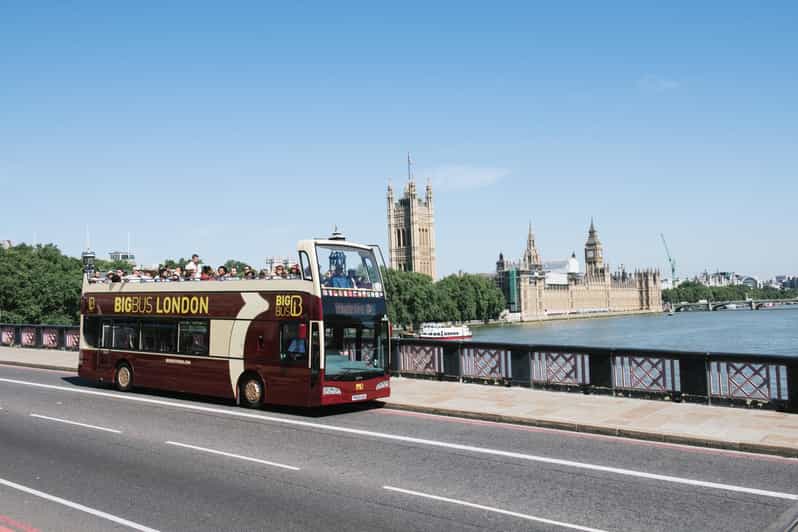
- Three routes, 50+ stops lets you build your own day without committing to one rigid plan
- Thames Cruise (one-way) runs between Westminster and Tower Pier with live commentary in eight languages
- 48-hour ticket adds guided walking tours like Jack the Ripper, Royal Walk, and a Harry Potter option
- Panoramic Evening Tour is a separate 2-hour ride timed from the London Eye, not hop-on hop-off
- App-based tracking helps you find the next bus stop instead of guessing on the street
- Crowding and traffic can affect wait times, especially on the most popular central stretches
Why This Big Bus + Thames Cruise Combo Works
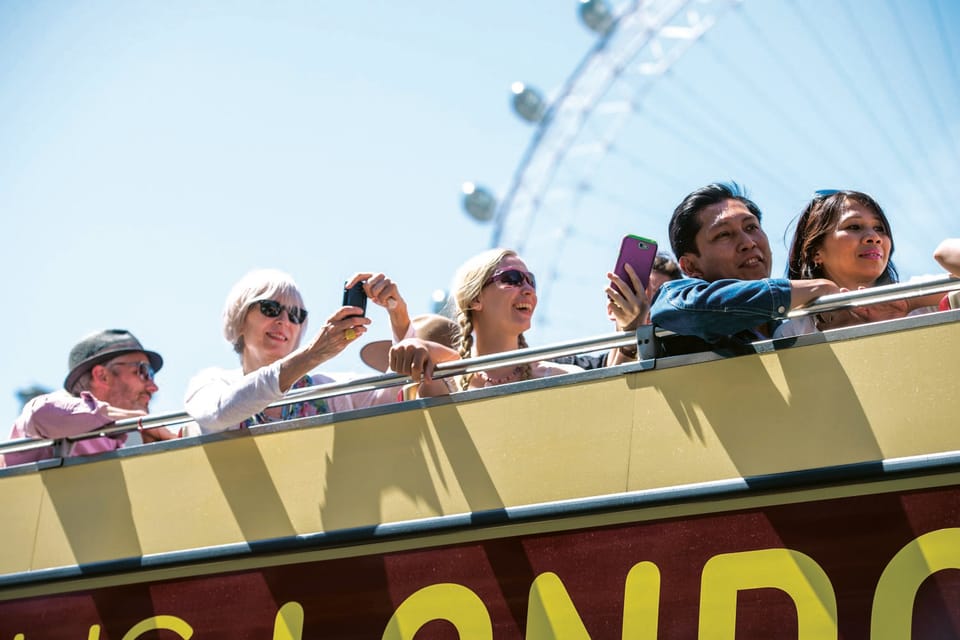
London is huge, and the streets don’t make it easy to “figure it out” quickly. This is built for that moment when you want the highlights now, but still want the freedom to get off later for photos, snacks, and real exploration.
What makes this combo valuable is the mix of viewpoints:
- The bus gives you city-wide orientation from the top deck, including the classic skyline photos that define London.
- The Thames cruise adds a different angle. From the water, you see bridges, riverfront institutions, and skyline shapes that you simply don’t notice from street level.
At around $35 per person for a 1–2 day option, the best value shows up if you’re trying to pack sightseeing into limited time. If you’re in London for only a day or two, a hop-on hop-off approach often saves time compared with constantly re-planning how to get from place to place—especially when road traffic is unpredictable.
This setup is also a good fit if you’re traveling with kids, older relatives, or anyone who needs “sit-down sightseeing” once in a while. You get movement without the constant commute stress.
You can also read our reviews of more boat tours in London


Getting Oriented Fast: Red, Blue, and Green Routes
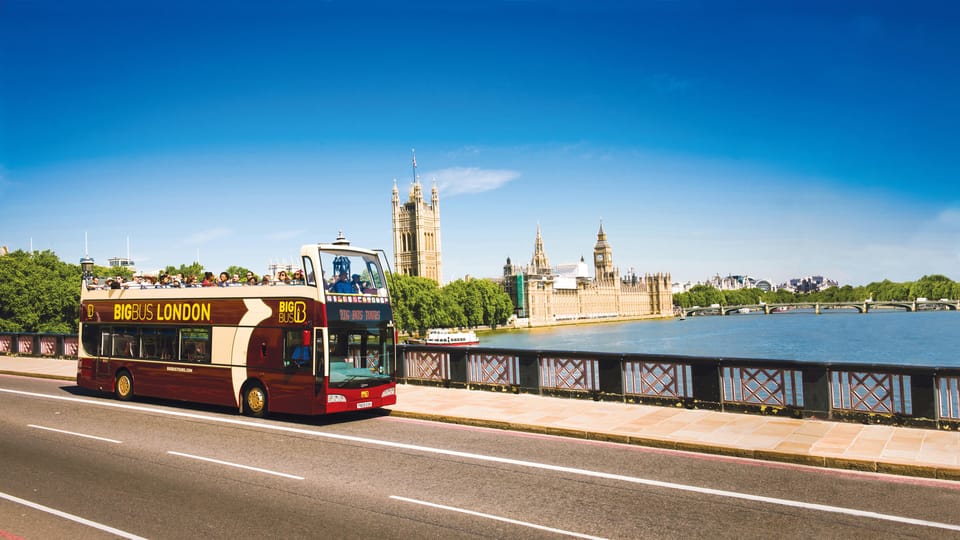
Big Bus runs three routes, each with its own personality. The trick is matching the color to your interests so you don’t waste time bouncing around.
Red Route: Classic London Icons
The Red Route is the one most people start with because it threads through the iconic core: Big Ben and the Houses of Parliament, the London Eye, and onward toward St Paul’s Cathedral. You also pass major Westminster area landmarks and Whitehall-style government corridors, which makes this route feel like your first proper London “map in motion.”
If you want the postcard hits with minimal guesswork, start here. Many people also find this route the most satisfying because it covers the most recognizable sights in a single, obvious sweep.
Blue Route: West-to-East Central London
The Blue Route is broader across central London, stretching from Kensington Palace in the west to the Tower of London in the east. On the way, you’ll see stops near Harrods, the Natural History Museum, Notting Hill, and more.
This route is great for architecture and neighborhoods, but it can feel slower when traffic gets thick. Some riders also describe the Blue Route as less exciting compared to the Red Route, mainly because you may wait longer for buses or spend more time in traffic to connect different areas.
Green Route: The Museum-and-Central Corridor
The Green Route is built to connect King’s Cross and St Pancras to Covent Garden, passing the British Museum along the way. This is a smart choice if you’re staying near the rail hubs or you want an easy line that ties museums and theater-district energy together.
If you like the idea of stepping off near a museum, then hopping back on to keep moving, the Green Route tends to fit that rhythm.




A Practical Tip: Plan Around Overlaps
Some stops are close to each other across routes, and that can be confusing if you don’t check the color you’re riding. I recommend picking one route as your “main loop” and using the other colors as extensions.
Hop-On, Hop-Off Done Right: Frequency, Traffic, and the App
This is hop-on, hop-off, but it’s not magic. London traffic is real, and so is crowding. Still, the system works well when you travel with the right expectations.
Here’s what you can count on:
- Buses typically run every 10–20 minutes in summer and every 15–30 minutes in winter.
- Stops are labeled and the experience includes headphones for the digital commentary.
- There’s WiFi on-board, plus an app that helps you track buses and find stop locations.
The biggest win is flexibility. You can ride a full loop for orientation, then come back later to do the parts you care about most.
What to watch for:
- Popular central stretches can get packed, meaning you might stand for a while on upper decks.
- If you’re trying to “beat the clock” with very tight timing, traffic can spoil your schedule. One of the clearest lessons: build in buffer time between stops, especially on Saturdays and evenings.
A small but useful idea: if you want a better chance at comfortable seating, aim to board a little earlier in the route cycle rather than at the busiest photo stop.
The Thames Cruise Between Westminster and Tower Pier
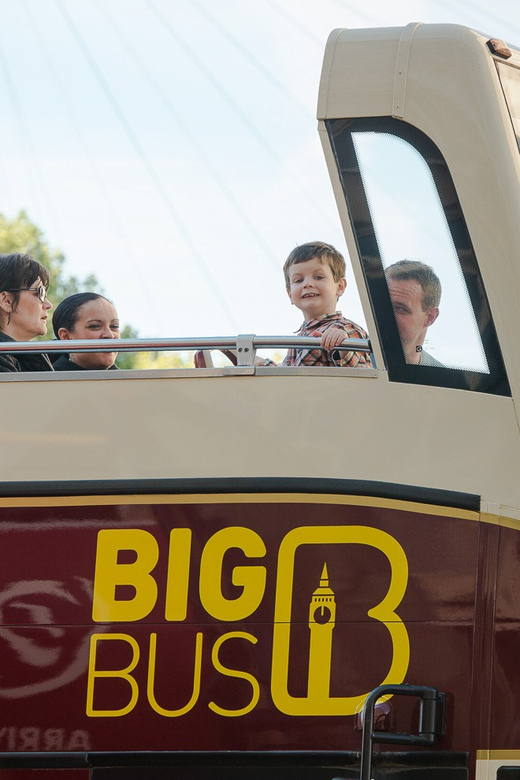
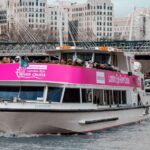
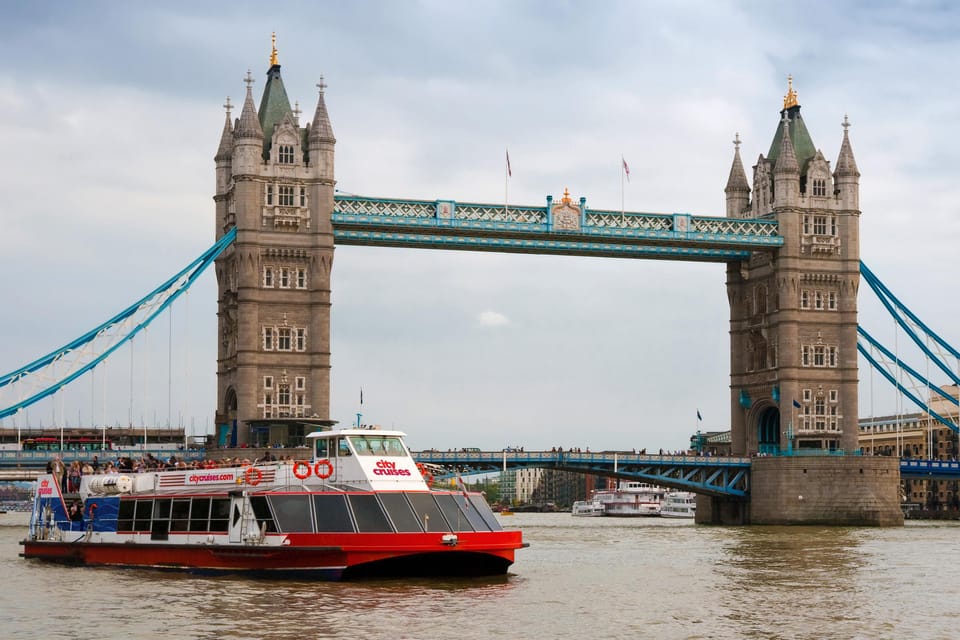
The Thames cruise is often the favorite part because it turns “land sightseeing” into something with breathing room. This one-way ride runs between Westminster and Tower Pier and takes about 40 minutes.
It also comes with live commentary and stunning river views of places you’ll recognize from bus or photos, including Tower Bridge, HMS Belfast, and Shakespeare’s Globe. The commentary is available in eight languages, which is a big help if you’re not traveling with an English-only group.
Timing details you should plan around:
- Cruises run about every 15–40 minutes in summer
- Cruises run about every 30–40 minutes in winter
Important detail for boarding: after booking, you download the City Cruises ticket and show it to City Cruises staff before you board. So don’t assume you can just walk up without downloading.
How to make it feel worth your time:
- Sit where you get the best river angle for photos. If one side is full, don’t fight it. Just enjoy the sights and let the skyline move past you.
- Use the cruise as a “reset.” It’s one of those rare sightseeing breaks where the city looks different and the pace slows down.
48-Hour Add-Ons: Guided Walking Tours That Teach the Streets
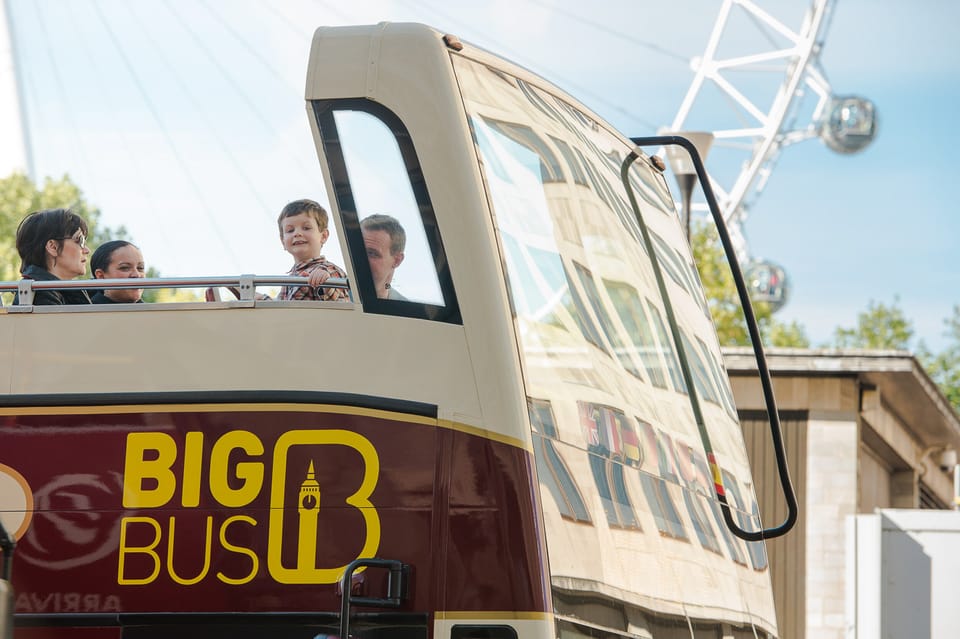
If you choose the 48-hour ticket, you’re not just adding time—you’re adding context. The walking tours are included and led by expert guides, with sessions at specific times and assigned stops.
Options include:
- Royal Walk at 10:00 (Stop 8)
- Jack the Ripper Walk at 13:00 (Stop 19)
- Harry Potter Tour at 16:00 (Stop 21)
These walks are the part that can make the whole day click, because you stop treating London as a collection of monuments and start seeing how the streets connect the stories. One review highlighted a guide named Emma for an especially memorable tour with great enthusiasm and practical care (including helping the group handle rain while making sure they caught the right bus afterward). Another named guide, Nick, was praised for showing less-obvious parts of London and making the history fun.
A real consideration: walking happens on busy streets, and traffic noise can make audio harder to hear. If you get stuck near loud intersections, move closer to the guide when you can. If you have to choose, prioritize being near the front so you don’t miss key details.
These tours are best for:
- People who want more than photos
- Travelers who like stories tied to real streets
- Anyone using this trip as a springboard for future neighborhood walks
Panoramic Evening Tour From the London Eye: Night Lights With a Fixed Plan

The Panoramic Evening Tour is only included with the 48-hour option. It starts at 19:30 from Stop 12 (the London Eye), lasts about 2 hours, and it’s not hop-on, hop-off.
This part is about mood. Once the sun drops, London becomes a different kind of show. You’ll see illuminated landmarks and get a ride that’s timed for the night-light effect rather than convenience.
One practical comparison that matters: if you’re the type who hates being tied to a schedule, you might find the fixed route less flexible than using public transit. But if you like the idea of sitting back and letting London light up from the vehicle, this is the easiest way to do it without juggling tickets and transfers.
Pack a layer. Even when the daytime feels mild, evenings can get chilly up on top-deck viewpoints.
Where the Stops Pay Off: What to Do at the Big Sights
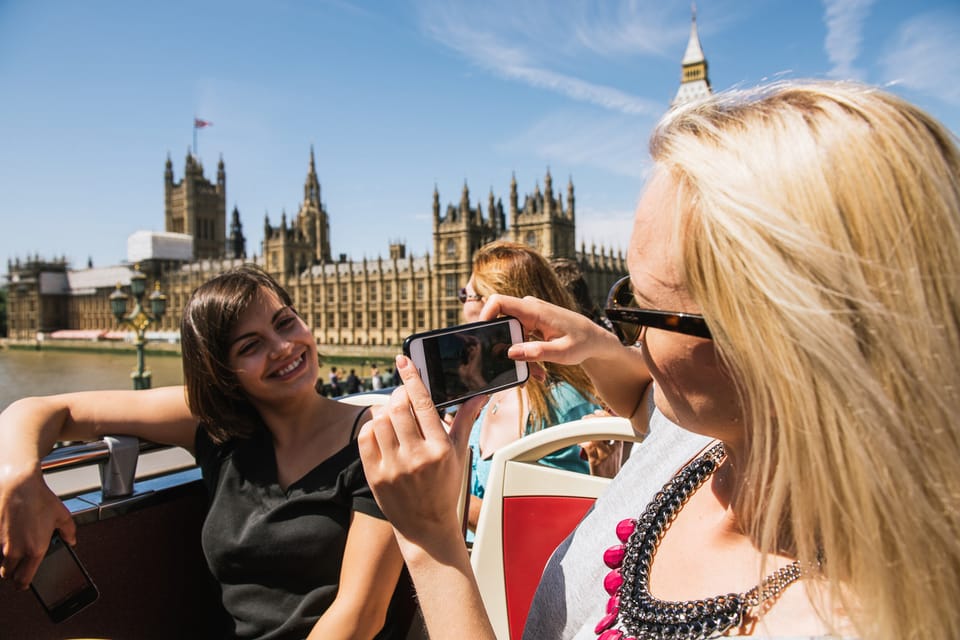
You’ll see a lot of landmark names across the routes. Here’s how to think about the most important stops so you actually get value from hopping off.
Buckingham Palace and the Changing of the Guard Area
This stop is all about the ceremonial London moment. It’s a classic “I came to London” stop, and it pairs well with a short walk afterward to stretch your legs.
Timing matters, because road closures can happen around the Changing of the Guard. The good news is that staff at stops can help you route to the next available option if access changes.
Big Ben and the Houses of Parliament (Westminster)
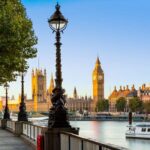
This is your “London power center” zone. Even if you can’t go inside, the architecture and river-adjacent views make it feel like the capital is right in front of you.
If you want photos, plan for a bit of waiting and choose angles carefully. When crowds form, it’s less about arriving early and more about patience.
Westminster Abbey and 10 Downing Street Vicinity
These stops hit the London-of-government story. They work well if you like landmark-scale meaning and want to understand why Westminster is such a big deal.
Keep your expectations realistic: this is primarily for seeing from the outside and walking around the surrounding area.
St Paul’s Cathedral
From the bus, St Paul’s is a strong silhouette. If you hop off, you’re in a zone that’s ideal for slower wandering and skyline photos. It’s also the kind of stop that makes you want to explore further on foot after you leave.
Trafalgar Square and Nelson’s Column
This is one of those places where you can hop off, take pictures, and still feel like you’re in a real public square (not just a monument viewpoint). It’s also a helpful orientation point when you’re deciding where to spend your “best light” time.
London Eye
The London Eye area is a magnet. If you’re short on time, getting off here mainly for views and photos can still be worth it. If you have interest in the ride itself, the bus stop puts you in the right neighborhood.
Also, it’s the departure point for the evening tour (Stop 12), so it’s useful even if you’re only connecting to the night ride.
Tower of London and Tower Bridge
These stops are the other end of the “must see” spectrum. If your time is limited, doing both in one stretch of the day makes sense because the area is visually dramatic and easy to recognize.
HMS Belfast and Shakespeare’s Globe (from the cruise)
You won’t necessarily hop off for these from the bus alone, but the Thames cruise puts them into view with river perspective. That combo is one reason the boat ride feels like a true upgrade, not a small add-on.
British Museum and Covent Garden Zone
This pairing works if you want museums plus lively streets. The Green Route line between these areas is handy because it connects a “serious London” stop (British Museum) to a “street life” stop (Covent Garden) without complex planning.
Kensington Palace and Harrods Area
Kensington Palace is where London’s royal “beyond the core” side shows up. It’s also a great neighborhood to explore lightly even if you don’t plan a full deep dive into shopping.
Natural History Museum and Science Museum Area (Blue Route)
These are excellent if you want a museum break. Even if you only do a quick exterior wander, the area feels designed for longer visits.
Price and Value: Picking 24 vs 48 Hours
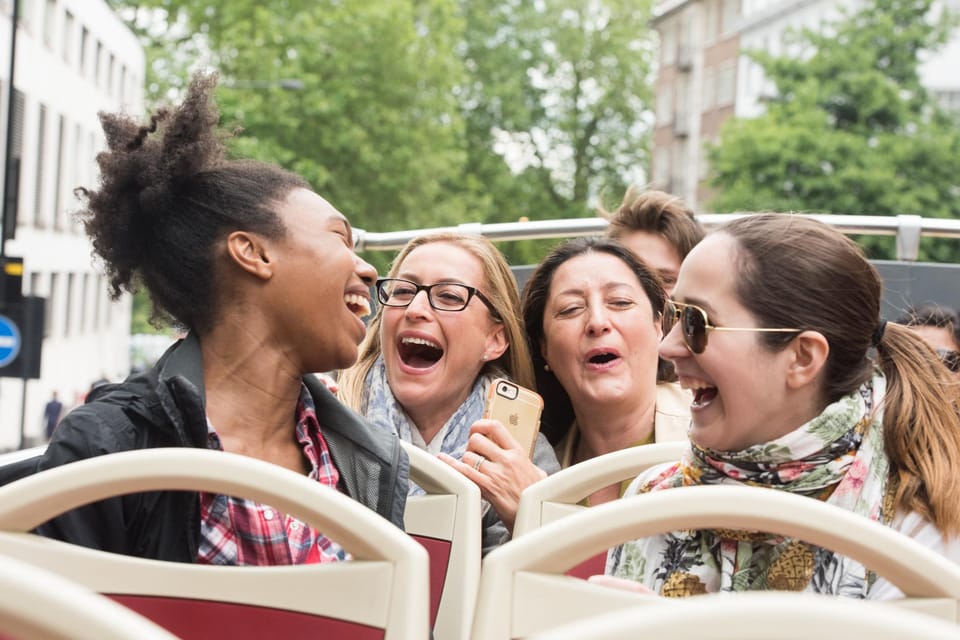
The big decision is how you want your time to feel:
- 24-hour ticket is for a smart orientation day: ride a route, hop off for key landmarks, and add the one-way Thames cruise.
- 48-hour ticket is for learning plus night views: it includes the cruise and adds included walking tours and the Panoramic Evening Tour.
The $35 per person price point you’re seeing makes this appealing when you want to cover multiple areas without planning every route. The value is strongest if you’ll actually use more than one route or spend time both day and evening.
If you only have one full day and you want to see the most famous sights, a 24-hour ticket is usually the simpler choice. If you can spare a second day, the 48-hour option tends to give you the best “London story” feeling because the walking tours turn stops into scenes.
Should You Book This Big Bus Hop-on Hop-off + River Cruise?
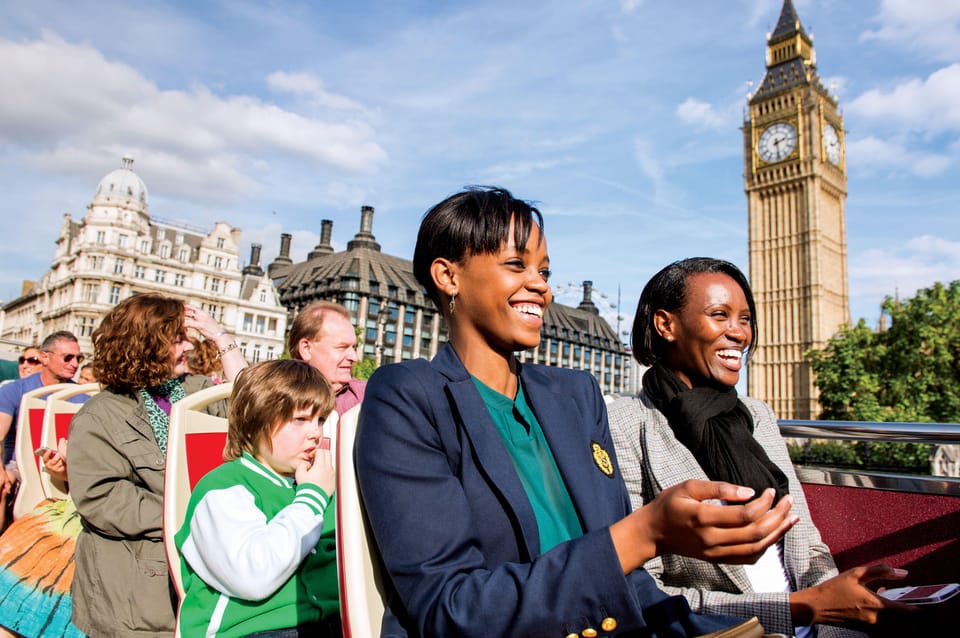
Book it if:
- You’re on a tight schedule and want freedom without constant transit planning
- You want a smooth mix of bus views plus a Thames cruise with live commentary
- You’d enjoy guided walks and night-light sightseeing, not just landmarks from the street
Consider another plan if:
- Your style is very schedule-free and you hate fixed timing
- You’re extremely sensitive to crowding or you’re traveling during peak times when buses can feel packed
- You only want one or two specific sights and don’t need orientation
If you want one practical strategy: use your first day to ride and get your mental map. Then pick which neighborhoods you actually care about and build a lighter second day around those.
FAQ
What routes do I get with a Big Bus ticket?
You can ride three different color-coded routes: the Red Route (including Big Ben, Houses of Parliament, London Eye, and St Paul’s), the Blue Route (from Kensington Palace to the Tower of London, with stops such as Harrods and the Natural History Museum), and the Green Route (from King’s Cross and St Pancras to Covent Garden, passing the British Museum).
How long is the Thames River Cruise, and where does it go?
With the 24- and 48-hour tickets, you get a one-way Thames cruise with live commentary between Westminster and Tower Pier, taking about 40 minutes.
How often do Thames cruises run?
Cruise frequency depends on the season: about every 15–40 minutes in summer and every 30–40 minutes in winter.
Which walking tours are included with the 48-hour ticket?
The 48-hour ticket includes guided walking tours such as the Royal Walk (10:00, Stop 8), the Jack the Ripper Walk (13:00, Stop 19), and the Harry Potter Tour (16:00, Stop 21).
When does the Panoramic Evening Tour start?
The Evening Tour departs at 19:30 from Stop 12 (London Eye) and lasts 2 hours.
What languages are available for the audio commentary?
The digital audio commentary includes Spanish, Chinese, English, French, German, Italian, and Portuguese.
How do I activate my Big Bus ticket?
You can activate your ticket in either of two ways: add it using the Big Bus app with your Activity Provider Reference number, or present your printed/mobile voucher to a Big Bus team member or driver at any stop during operating hours.