REVIEW · LONDON
London: British Museum Highlights Tour: How Beauty Was Born
Book on GetYourGuide →Operated by MyLondonGuide · Bookable on GetYourGuide
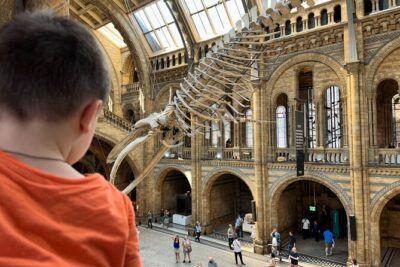
Beauty has a backstory, and it lives here. This British Museum tour, How Beauty Was Born, strings together major objects across millennia to show how ideas of beauty shift with language, power, faith, and art. It is built as a calm, focused visit through some of the museum’s best-known galleries without turning it into a marathon of facts.
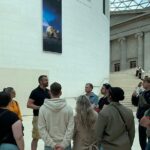
I love the way the guide uses a clear theme, so the stops feel connected instead of random. I also like the small-group format (maximum 8 guests), which makes it easier to ask questions and actually hear what matters as you move room to room.
One thing to plan for: the tour has a moderate amount of walking and is not suitable for wheelchair users or people with mobility impairments. If you’re traveling with any access needs, you’ll want to think hard before you book.
In This Review
- Key highlights you will actually notice
- Why this beauty-and-art angle works in London
- Meeting at Edward VII’s Entrance and getting in without chaos
- Rosetta Stone and why language shapes beauty standards
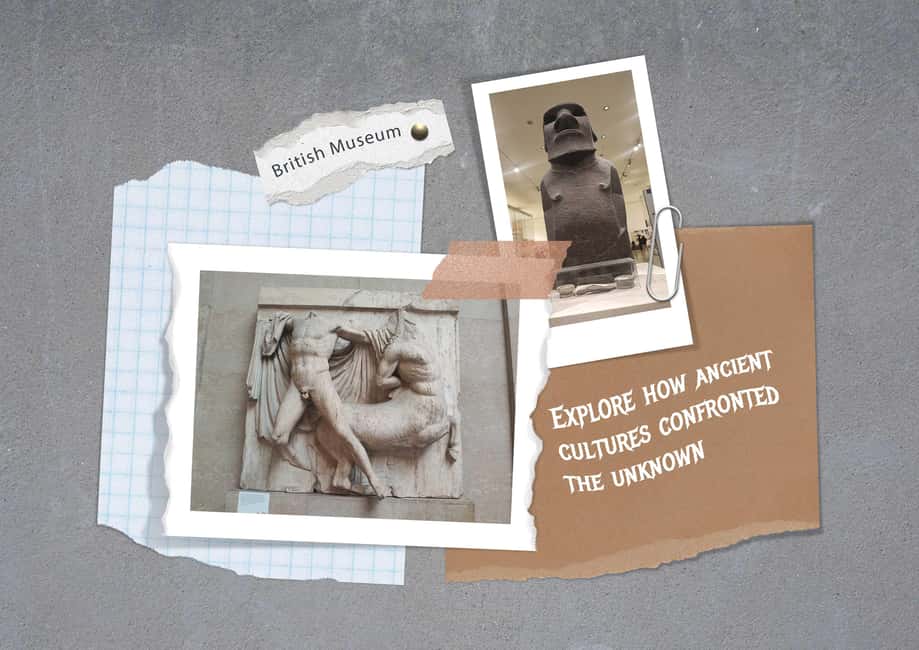
- Parthenon Marbles: Greece’s ideas of beauty in stone
- Egyptian mummies: life and death as part of the same picture
- Love and Fate: tragic relationships in ancestors’ art
- Jesus Christ in medieval comic books: alternative narratives as a hook
- The practical stuff: walking pace, photos, and what to bring
- Price and value: what $33.67 buys you in London
- Should you book this British Museum Highlights Tour
- FAQ
- How long is the tour?
- Where do I meet the guide?
- Is this a small group tour?
- Is fast track entry included?
- What language is the tour in?
- Can I take photos in the museum?
- Are backpacks allowed inside?
- Is food and drink included?
- Is the tour suitable for wheelchair users?
Key highlights you will actually notice
- Fast track entry plus an express security check to help you get inside with less waiting
- Semi-private pacing with a maximum of 8 guests, so you’re not lost in a crowd
- A beauty theme across time, linking ancient Greece, Egypt, and later storytelling traditions
- Big-name objects with real interpretation, like the Rosetta Stone and Parthenon Marbles
- Photo rules that keep things simple, with camera use allowed but no flash and no backpacks
Why this beauty-and-art angle works in London
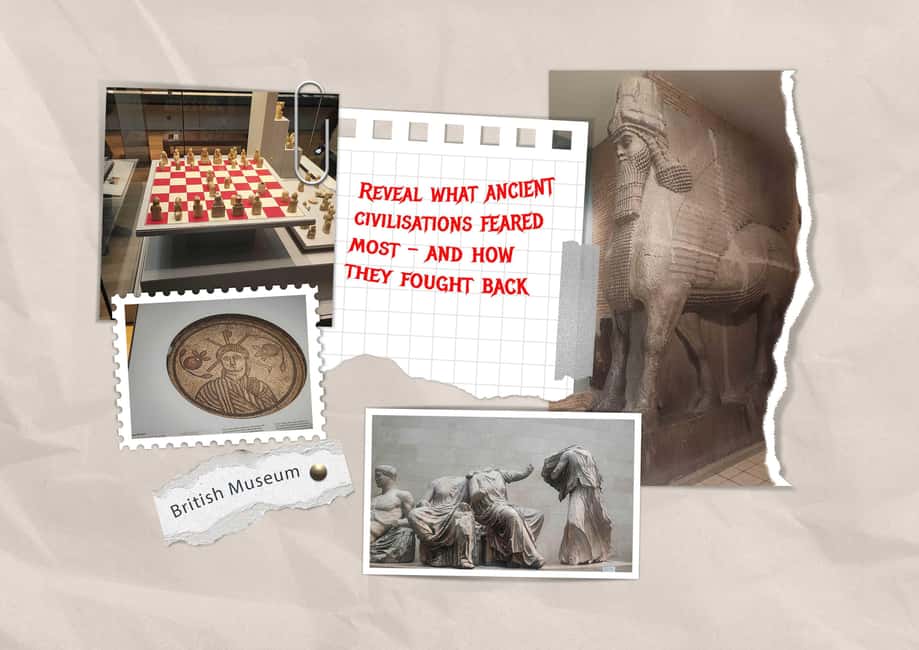
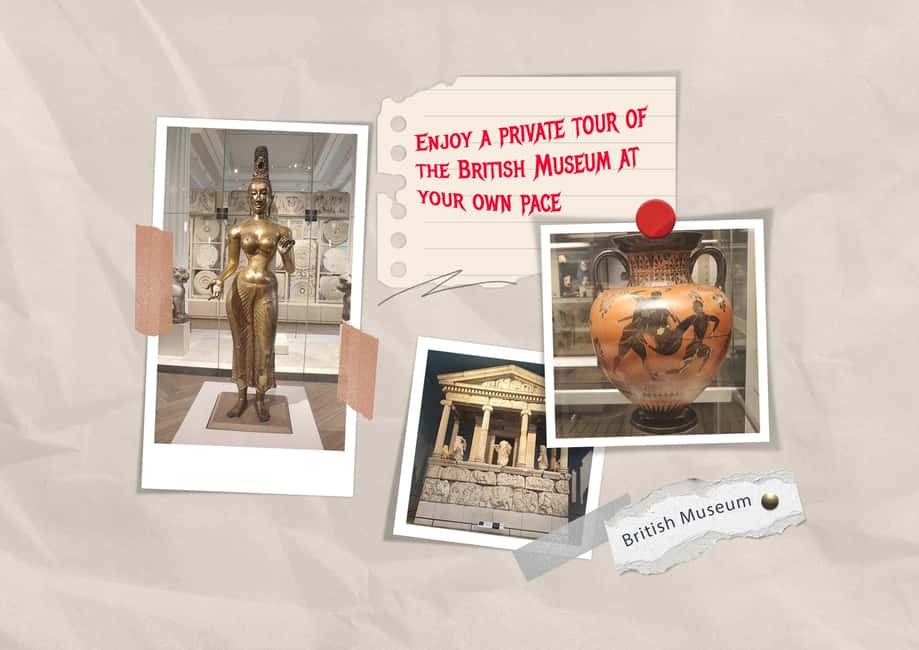
The British Museum can feel like a choose-your-own-adventure of treasures. This tour gives you one steering wheel: beauty as a long-running human question. You’re not just looking at famous objects. You’re being guided to notice what each culture considered beautiful, important, or worth remembering, and how those ideas echo forward.
That theme is especially useful if this is your first time in the museum. You get a handful of high-impact stops and the story ties them together. Even if you already know some basics about the Rosetta Stone or Greek art, the framing makes you look again. You might catch details you would have missed if you were just wandering.
And yes, the tour stays practical. There’s no pressure to rush. It is designed to keep the visit smooth, with a friendly and professional approach and a guide who stays focused on the objects you will see.
You can also read our reviews of more museum experiences in London



Meeting at Edward VII’s Entrance and getting in without chaos
Meet at the group entrance to the British Museum at Edward VII’s Entrance. Your guide will be holding a sign that says My London Guide. That matters more than it sounds. In a huge museum, the difference between being early and being late can mean the difference between a relaxed start and a frantic one.
The big logistics win here is that you get fast track entry, including an express security check. When you’re paying for a guided highlight tour, you want your time to go toward seeing objects, not standing in line. With this setup, you generally get your bearings faster and start the tour on schedule.
This is also where group size helps. With a maximum of 8 guests, the guide can keep everyone together without playing museum “herding animals.” If you’ve ever struggled to find your group inside a major venue, you’ll appreciate how organized the starting point is.
Rosetta Stone and why language shapes beauty standards
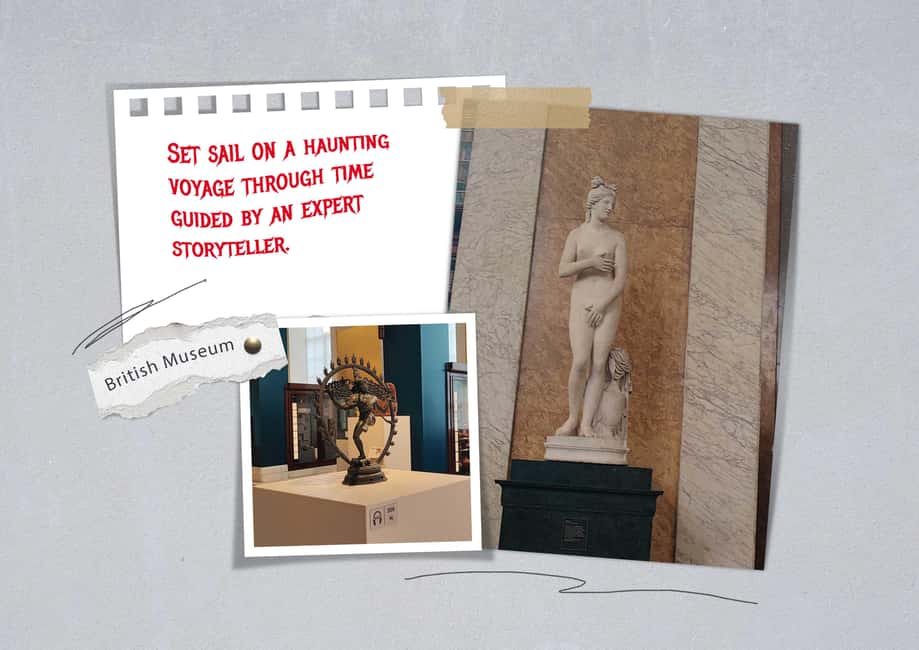
One of the first emotional anchors of the tour is the Rosetta Stone. The point of including it is not just fame. It’s the idea that language unlocks understanding, and understanding changes how we read the past.
Here, you’re taught to connect the dots between writing systems and the ability to interpret older cultures. Once you can read, you can compare stories and symbols. And that’s where beauty comes back in. Beauty standards do not live in art alone. They live in how people record values, beliefs, and public identity.
What I like about this stop is how it sets up the rest of the tour. Even before you reach Greek sculpture or Egyptian scenes, you’re primed to think: how did different societies communicate their sense of what matters? That makes later objects feel less like random “cool ancient things” and more like evidence in a single argument about humanity.
Parthenon Marbles: Greece’s ideas of beauty in stone
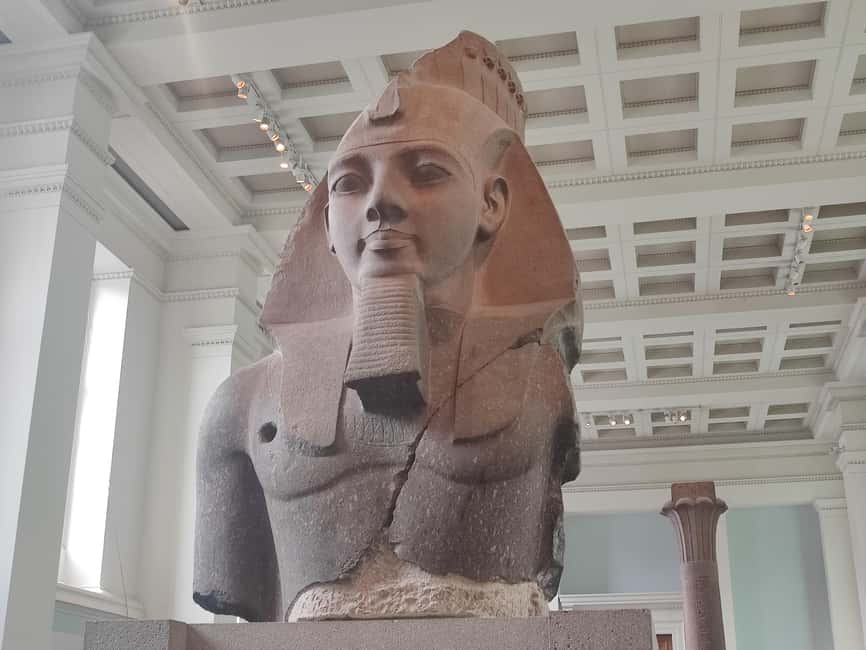
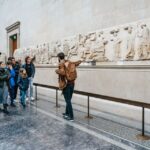
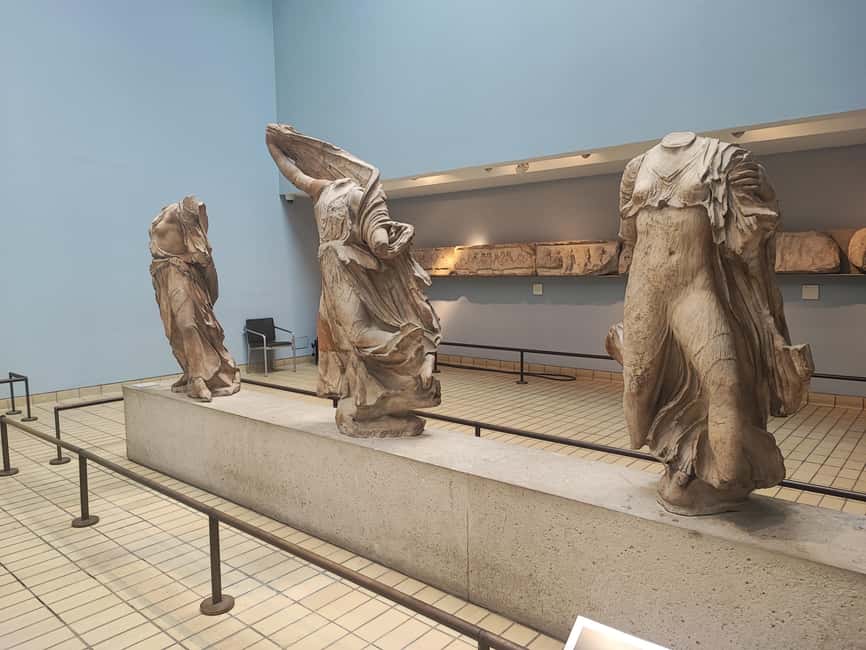
Next, the Parthenon Marbles are used as the “beauty through time” lesson. The emphasis is on witnessing how ideas of beauty evolve, not just admiring craftsmanship.
Ancient Greece is presented as a culture that helped shape later thinking about art and culture. That’s the takeaway: even centuries later, you can trace Greek influence in how people talk about beauty and how they frame art as a reflection of the ideal.
This is a great stop if you enjoy seeing the bridge between ancient and modern. You’ll leave with a sharper sense that beauty is not a fixed standard. It is a moving target shaped by culture, politics, religion, and storytelling. Greek art is one of the earliest places where that “standard-making” gets very visible.
If you are the kind of person who likes to stand back and look at how form tells a story, this stop will reward you. Take your time to focus on what the sculptural language is doing, not just what the object is called.
Egyptian mummies: life and death as part of the same picture
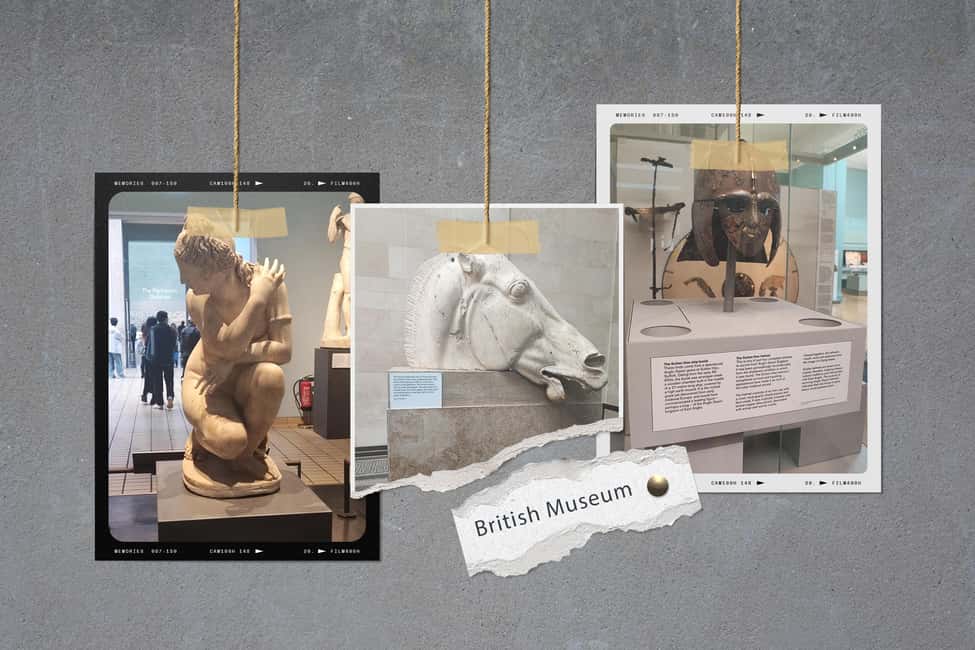
Then comes the Egyptian mummies, presented as a contemplation of the dance of life and death. You’re not only looking at human remains. You’re being guided to think about how an entire worldview can be expressed through art and symbolism.
That makes the mummies stop more than a spooky photo moment. The tour frames them as part of a broader conversation about what humans fear, honor, and try to control. Beauty, in this lens, is tied to ritual and meaning, not just appearance.
This is also where the guided format helps you read the room. Egyptian material can look overwhelming if you’re only skimming. With a guide, the stop feels pointed. You know what to pay attention to and what question the objects are asking.
Wear comfortable shoes for this part. It’s easy to lose track of time when the tour is engaging, and you will have enough walking to feel it by the end.





Love and Fate: tragic relationships in ancestors’ art
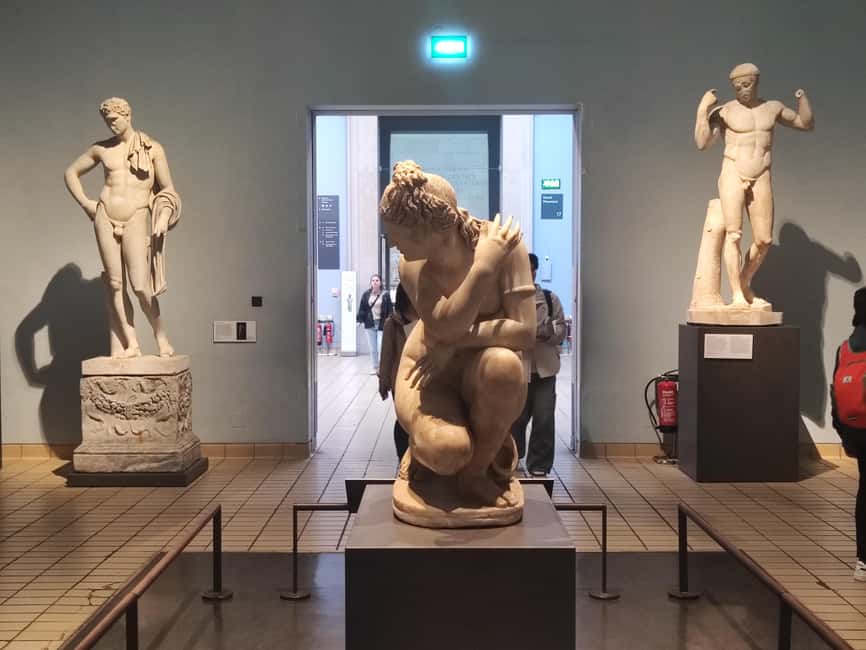
The tour includes a stop focused on Love and Fate in ancestors’ art. The idea is simple: tragic love stories resonate across cultures and time. Humans have always used art to process emotion, and that includes the complicated stuff like longing, loss, and the sense that events can be bigger than you.
This is one of the most emotionally relatable themes on the tour because it doesn’t require specialized background knowledge. Even if you know nothing about the object or the culture, you can still follow the emotional thread. The guide is there to connect the story cues, so you don’t feel like you’re watching a slideshow without context.
If you like art that tells stories, not just art that looks good, you’ll likely rate this stop highly. It is a reminder that beauty is not purely visual. It is also narrative. It’s the way art organizes emotion into something you can share.
And because this is a guided highlight tour, you won’t get stuck. You will move on while the topic is still fresh in your mind, then you’ll carry it into the next stop.
Jesus Christ in medieval comic books: alternative narratives as a hook
One of the more surprising highlights is Jesus Christ in medieval comic books, framed as a secret childhood and stories beyond the traditional accounts. This is where the tour shifts from ancient material into a different kind of visual storytelling.
What I like about this stop is the way it challenges the idea that there is only one version of a story. Even within religious tradition, people created narratives, retellings, and variations. The guide uses this to underline a bigger tour message: beauty and storytelling evolve together.
You get a mix of sacred themes and popular visual language. That contrast can feel refreshing after earlier stops focused on monumental objects and older symbolic systems. It also gives you a chance to think about how art works for audiences at different times—how people used images to teach, entertain, and express identity.
If you’re traveling with teens or friends who think museums are all “boring stone,” this is a stop that can change their mind fast. It is still museum-appropriate, but it’s visually playful and story-driven.
The practical stuff: walking pace, photos, and what to bring
This tour lasts about 2 hours and includes a moderate amount of walking. You’ll be on your feet enough that comfortable shoes are not optional. Bring water, especially if you are visiting in warmer months. A camera helps, but plan for the museum rules.
Photography is allowed without flash. Flash photography is not allowed, and that’s easy to follow if you keep your settings in mind before you raise the camera. Backpacks are not allowed inside the museum, so travel light. If you normally carry a bigger bag as a habit, you may need to rethink what you bring for this visit.
Food and drinks are also not permitted inside the exhibition halls. If you need a snack, do it before the tour starts or after it ends. The tour is built for the galleries, not for breaks.
Group movement is steady but not rushed. With a maximum of 8 guests, you’re less likely to feel separated from the guide. Still, keep your own pace reasonable. If you lag, you can slow the group down.
Price and value: what $33.67 buys you in London
At $33.67 per person for about 2 hours, the value comes from three things working together: the guide, the time-saving entry, and the focus on major highlights.
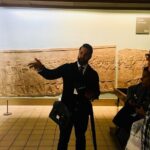
First, you are paying for a guided tour with an expert storyteller. That matters at the British Museum because objects can be visually impressive but hard to interpret quickly on your own. The tour’s job is to give the objects meaning in a way you can remember.
Second, the fast track entry and express security check help you use the paid time for seeing—not waiting. At London museums, saving even one slow segment can feel like a win.
Third, the small-group size limits the “crowd effect.” You’ll still see important objects, but you’re not packed in a way that makes it hard to read labels or hear the guide.
If you are on a short London trip and you want a curated British Museum overview that doesn’t feel generic, this is priced like a focused experience rather than an all-day museum ticket.
And there’s a practical bonus: the tour offers free cancellation up to 24 hours in advance for a full refund, and you can reserve now and pay later. That reduces risk if your plans are still shifting.
Should you book this British Museum Highlights Tour
Book it if you want a short, structured British Museum visit built around a smart theme: how beauty is shaped by changing ideas, storytelling, and symbolism across time. I especially think it’s a good fit if this is your first museum visit or if you want a “best of” route that still explains what you are seeing.
Skip it or choose another plan if you need wheelchair-friendly access or if moderate walking is a deal-breaker. Also skip it if you hate photo rules or if you usually bring a backpack as part of your daily travel setup.
If you like guided interpretation and want to see big-name artifacts without spending your day figuring out where to start, this one is an easy yes. It’s short, focused, and built to leave you with a clearer idea of how beauty, art, and story travel through human history.
FAQ
How long is the tour?
It lasts about 2 hours.
Where do I meet the guide?
Meet at the group entrance to the British Museum at Edward VII’s Entrance. The guide will be holding a sign that says My London Guide.
Is this a small group tour?
Yes. It is semi-private with a maximum of 8 guests.
Is fast track entry included?
Yes. Fast track entry to the British Museum and an express security check are included.
What language is the tour in?
The tour guide speaks English.
Can I take photos in the museum?
Yes, photography is allowed without flash.
Are backpacks allowed inside?
No. Backpacks are not allowed.
Is food and drink included?
No. Food and drinks are not included, and food and drinks are not permitted inside the exhibition halls.
Is the tour suitable for wheelchair users?
No. It is not suitable for wheelchair users and not suitable for people with mobility impairments.