REVIEW · LONDON
London East End – Guided Walking Tour 12 guests 2,5h
Book on GetYourGuide →Operated by Babylon Tours London · Bookable on GetYourGuide
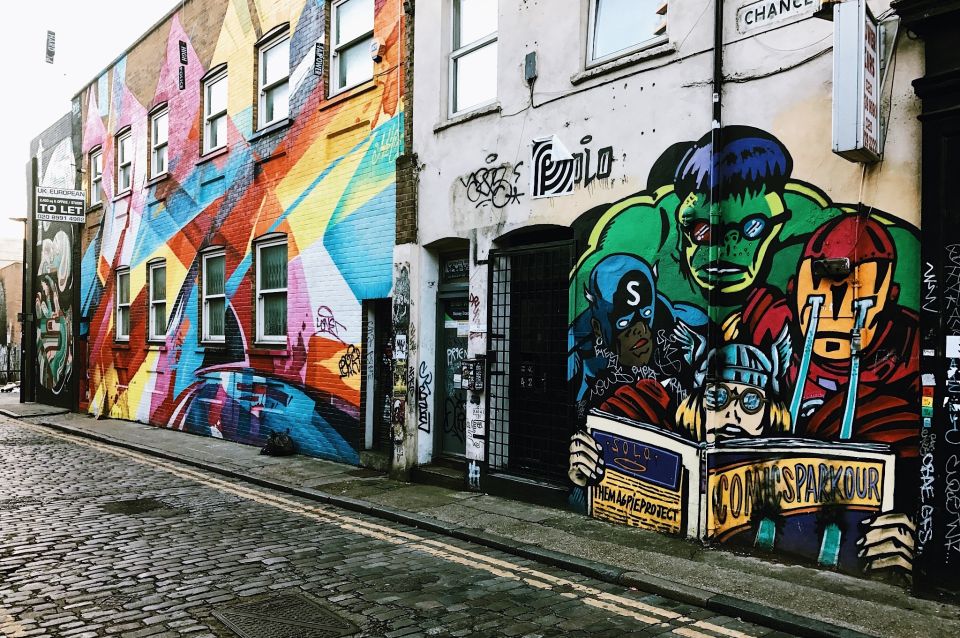
London’s East End reads like a street mural. This guided walking tour turns the area’s darker legends and famous names into something you can actually see, starting with bold street art and ending with market energy. I like how the route balances eye-candy walls with real explanations, including major artists linked to Banksy and Shepard Fairey.
My other favorite part is the market focus. You’ll spend time around places like Spitalfields Market (plus nearby market stops) so you’re not just looking at art—you’re learning how the neighborhood’s culture spills into everyday life. One note to plan for: it’s a walk-and-look tour, and it doesn’t enter the sites it points out, so you should expect photo stops and outdoor viewpoints rather than ticketed attractions.
In This Review
- Key highlights at a glance
- Getting oriented at Liverpool Street (and finding your guide fast)
- Petticoat Lane Market: where shopping energy meets street visuals
- Artillery Passage: the quick art lesson hidden in a side path
- Old Spitalfields Market: art, architecture, and the market mindset
- The Truman Brewery: street art plus a modern creative edge
- Whitechapel: the history layer beneath the artwork
- Brick Lane: when street art and neighborhood identity mix
- How the Lewis Chessmen and Oxus Treasure fit into a street-art walk
- Finishing on High Street: your last art-and-street-culture loop
- Tour value: is $61 for 2.5 hours a smart use of time?
- What to bring (and what not to bring) so you stay comfortable
- Who this London East End street art tour suits best
- Should you book this tour or plan on your own?
- FAQ
- Where is the meeting point for the London East End tour?
- How long is the guided walking tour?
- How big is the group?
- Is food or drink included?
- Does the tour enter the sites it visits?
- Is the tour wheelchair accessible?
Key highlights at a glance
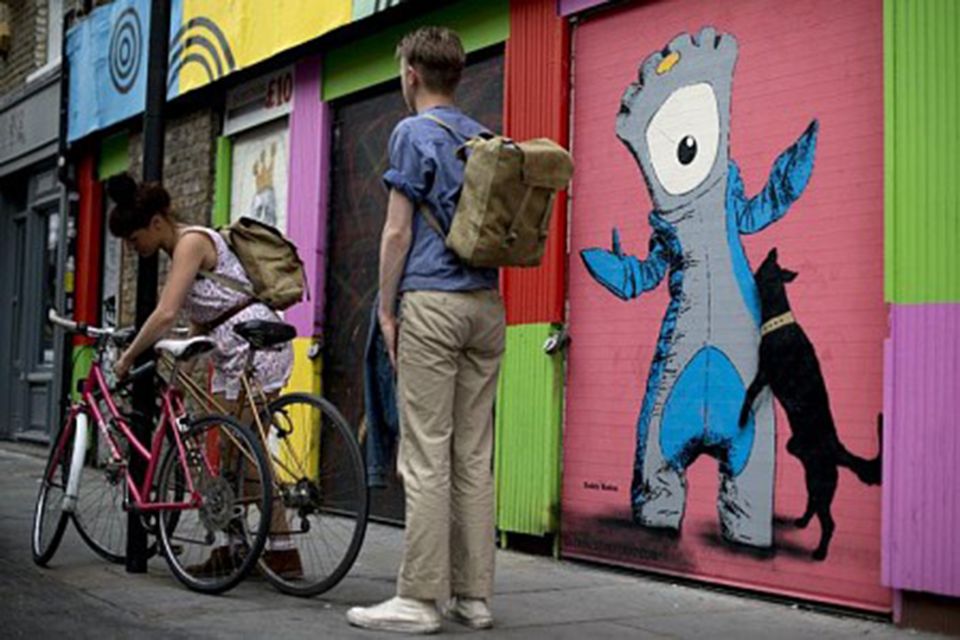
- Street art route with big-name artists: You’ll be shown how artists use walls to tell stories in the East End
- Spitalfields Market time: A real sense of local shopping and flavor during the walk
- Petticoat Lane and Old Spitalfields Market: Short stops that add variety without slowing you down
- Whitechapel to Brick Lane connections: The guide links neighborhoods, not just landmarks
- Museum-level art references on the street: You’ll hear about the Lewis Chessmen and the Oxus Treasure as part of the art story
- Small groups: Up to 12 people, with semi-private options of 8 max
Getting oriented at Liverpool Street (and finding your guide fast)
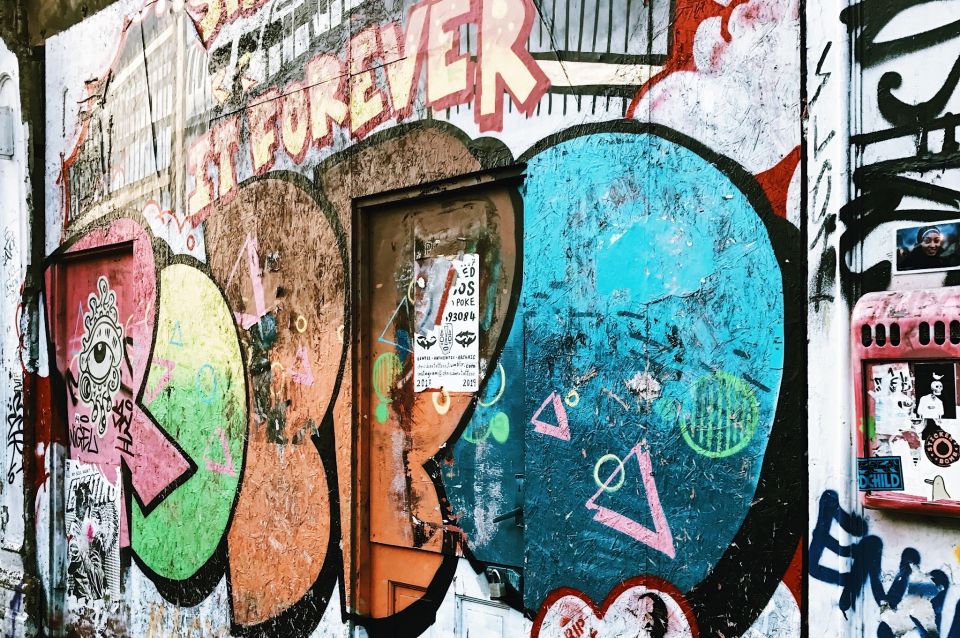
You’ll start at Liverpool Street, meeting by the Kindertransport statue at the entrance of Liverpool Station (outside). That matters because the East End is easiest when you feel confident where you are in the grid—right away, you’re anchored near major transport.
The tour is in English and designed for a walking rhythm of about 2 to 2.5 hours. The practical upside: you’re not committing a half-day to get a layered look at street art and markets. The only catch is also simple—this is not a sit-down tour. You’ll move from stop to stop, with short photo pauses and guided commentary along the way.
Also, keep an eye on your email before you go. Babylon Tours London sends guide contact details by morning of the tour, and the instructions explicitly say to check your spam folder. That’s a nice touch if you’re meeting outside and want a quick fix if anything goes weird.
You can also read our reviews of more walking tours in London



Petticoat Lane Market: where shopping energy meets street visuals
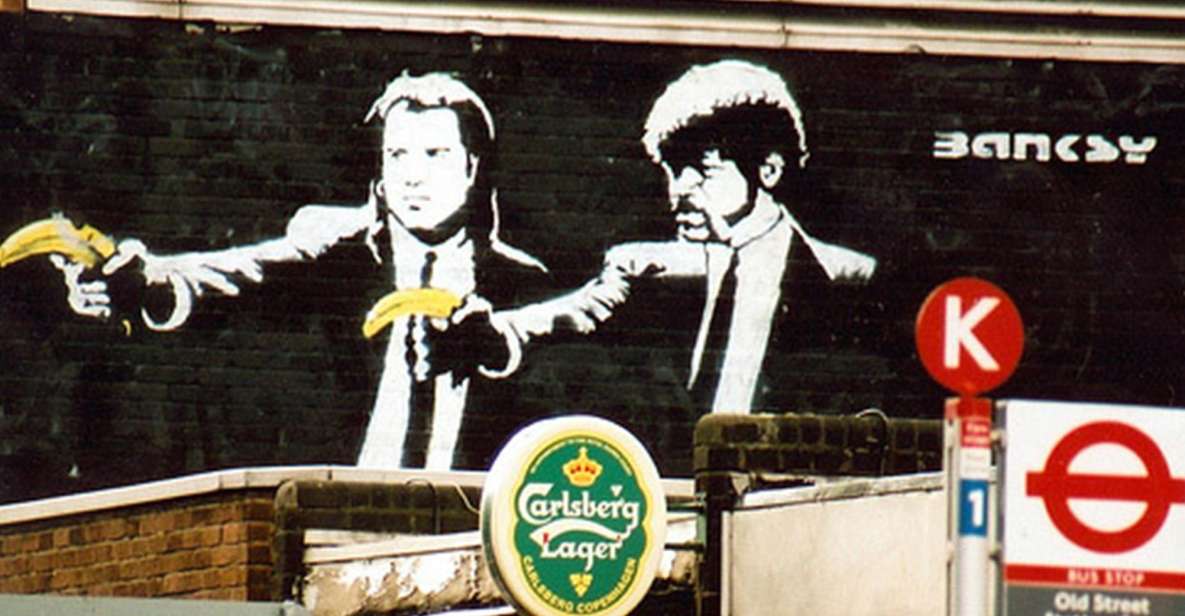
Your first stop is Petticoat Lane Market, starting with a short photo stop and a guided walk-through. Petticoat Lane is one of those places where you can feel the East End’s taste for browsing and bargaining. Even if you don’t plan to buy anything, it’s a good “settle in” point: you get oriented to the neighborhood vibe while the guide sets up the theme of the day—how street art fits into local identity.
What I like here is the way early stops help you understand the rest of the route. When your guide points out details in one area, you’ll notice the same kinds of storytelling tactics later—how artists respond to place, crowds, politics, and history.
One practical thing: there’s no mention of you getting food or drink on this tour, so if you want breakfast or a snack, do it before you meet. This market stop is more about atmosphere and imagery than a meal plan.
Artillery Passage: the quick art lesson hidden in a side path
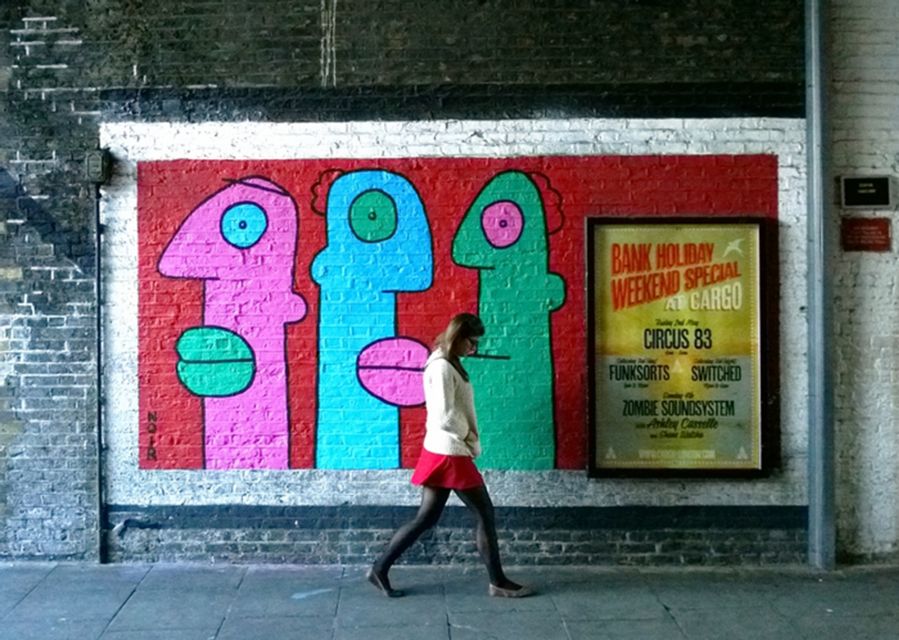
Next comes Artillery Passage, another short photo and guided segment. The schedule gives you about 10 minutes here, which tells you what to expect: this is a targeted look, not an all-day detour. Your guide focuses your attention—how murals work at eye level, how messages read in tight spaces, and why certain walls become canvases for specific styles.
This stop is useful because it trains your eyes. Street art often hits hardest when you slow down just enough to notice layers: different paint styles, changes over time, and how artists borrow symbols. Even if you’ve seen graffiti photos online, seeing it at street distance is different; it’s usually more textural, and the scale feels more human.
Old Spitalfields Market: art, architecture, and the market mindset
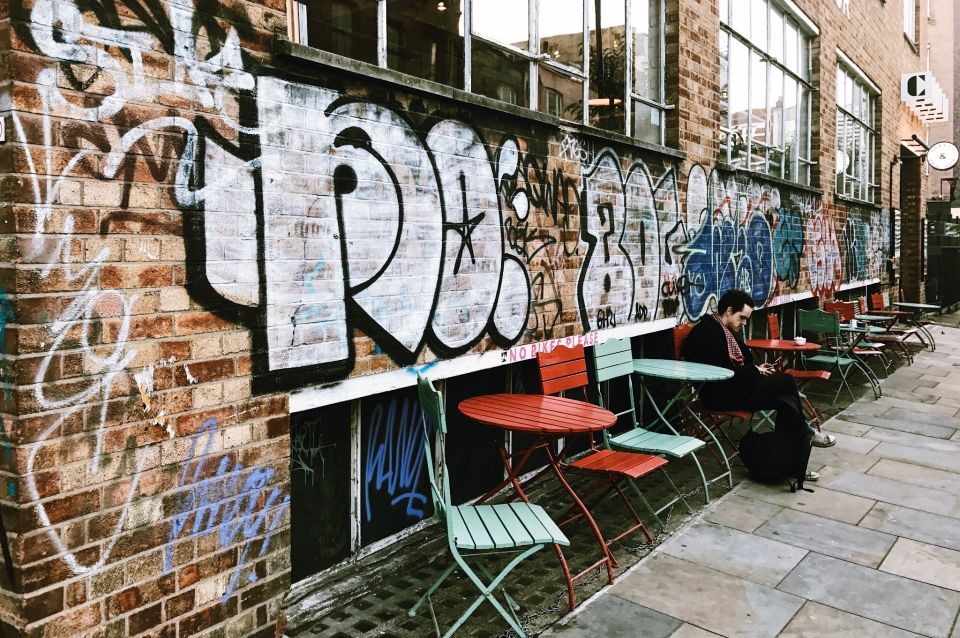
You’ll then move into Old Spitalfields Market, with about 15 minutes. This is one of the tour’s anchors because it connects the art story to everyday commerce. Markets are where communities mix casually, and the East End has always used that mixing as fuel.
This part of the walk is great if you like “soft learning”—the kind where you’re walking, not studying from a screen. Your guide can point out how the market environment shapes what gets celebrated: signage, poster art, wall space, and the way people gather for both shopping and conversation.
What to watch for: the tour format includes photo stops, guided tour, and sightseeing. That usually means you get a few minutes to look on your own too. If you’re the type who likes to re-check details after hearing them explained, this is your moment—take photos, then zoom in later.
The Truman Brewery: street art plus a modern creative edge
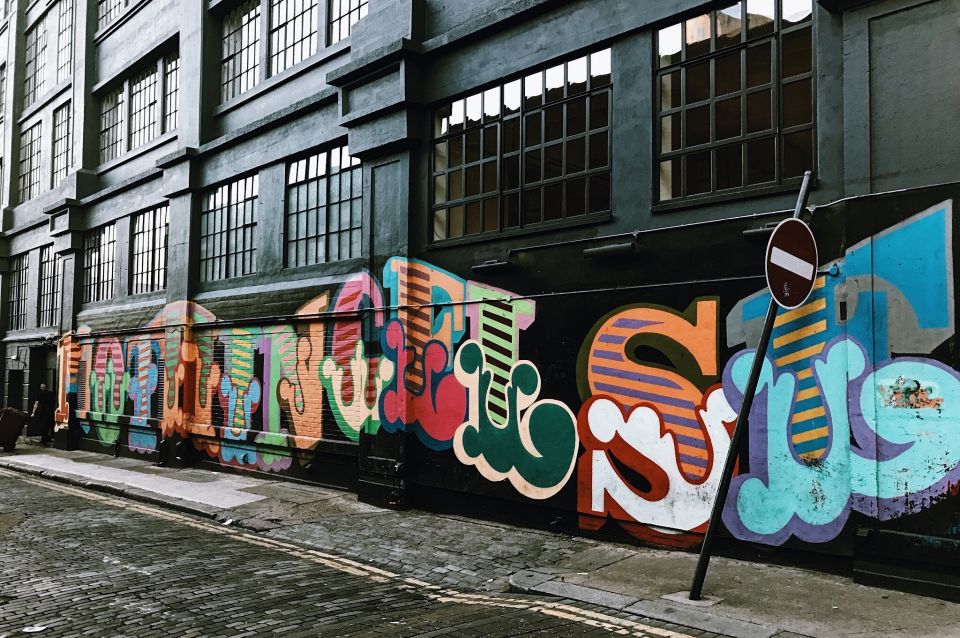
After Old Spitalfields Market, you’ll head to The Truman Brewery, again with around 15 minutes. Even without stepping inside, the area around places like this helps you see how street art culture can connect to bigger creative scenes. It’s also a good tempo reset—so you don’t feel like you’ve been in the same kind of street scene for the entire walk.
This stop pairs nicely with what the tour promises: learning more about art in London, not just watching it. The guide’s job here is to connect what you’re seeing to why these styles matter—how street art can be political, personal, or both, and why certain messages travel quickly through the neighborhood.
If you want a souvenir without overpacking, think about small purchases like prints or postcards from nearby sellers (food and drink aren’t included, but shopping opportunities tend to pop up around markets). Just remember the tour notes that luggage or large bags aren’t allowed, so keep your load light.
You can also read our reviews of more guided tours in London






Whitechapel: the history layer beneath the artwork
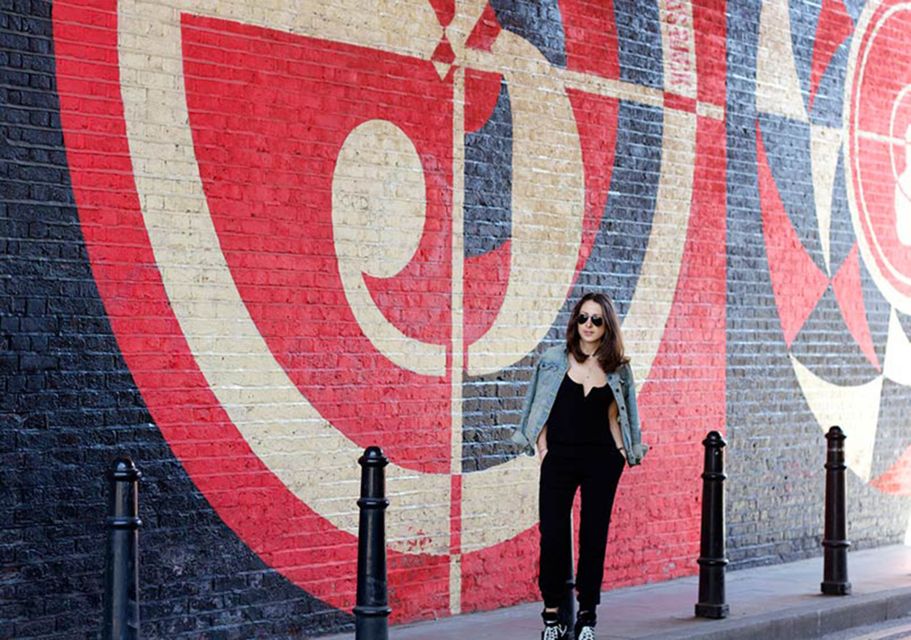
Next on the route is Whitechapel for about 10 minutes. The East End is famous for contradictions, and Whitechapel is where those contradictions become unavoidable. The tour frames the area as the hunting ground of the 19th-century serial killer Jack the Ripper, before moving into how the same streets now host some of London’s best street art.
This combination is where the tour earns its keep. It’s not just “look at cool murals.” It’s “look at how a place carries multiple eras at once.” Your guide can help you understand why street art often shows up where communities have strong identities—or where they’re trying to reclaim the story being told about them.
If you’re sensitive to darker themes, this tour still handles it through explanation rather than theatrics. Just be aware that the historical context is part of the route’s storytelling.
Brick Lane: when street art and neighborhood identity mix
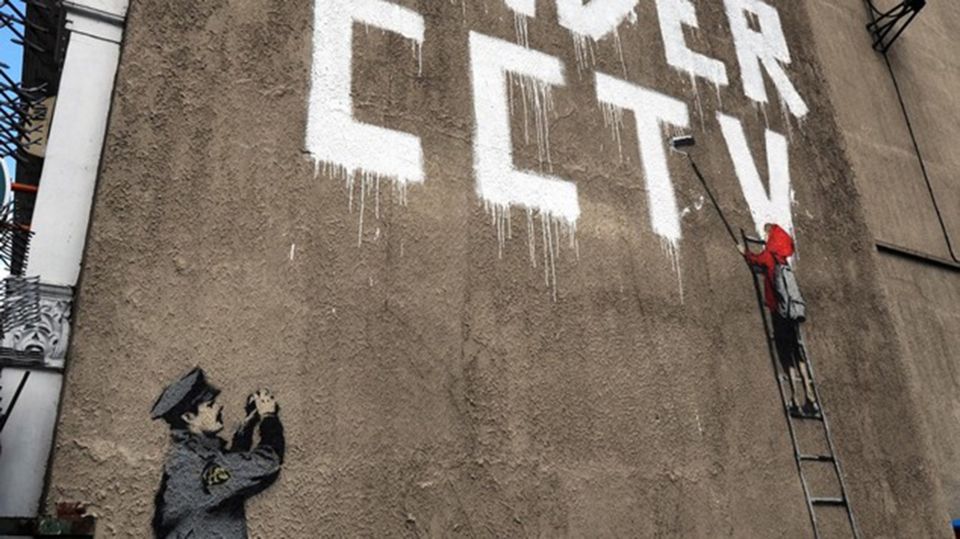
You’ll continue to Brick Lane with another short photo and guided segment (about 10 minutes). Brick Lane is the kind of place where street art feels expected, but the guide still makes it worth it by directing your attention. Instead of treating murals as background decoration, the tour connects them to themes: who’s speaking, what’s being criticized, and how styles can spread.
This stop is also good for people who like to compare. If you’ve seen street art in other cities, the East End does some things differently: the density of layers, the way messages are placed to catch passing feet, and the East End habit of turning side streets into galleries.
And because this is a walking tour, you get the “in-between” views: the walls you’d miss if you were only snapping one hero mural. I like that the guide doesn’t force a museum pace, so you can keep your own curiosity moving too.
How the Lewis Chessmen and Oxus Treasure fit into a street-art walk

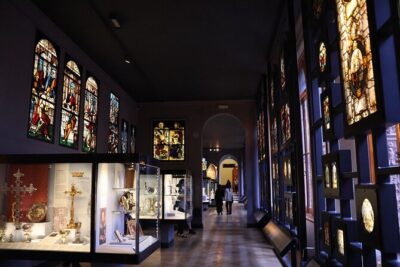
One of the tour’s standout promises is that you’ll see or learn about the Lewis Chessmen and Oxus Treasure. Those names are big in art and archaeology circles, so it’s natural to wonder how they connect to street art in the East End.
The best way to approach this is as an art-history bridge. This tour uses those references to show you how symbols and objects travel through time—and how modern artists can echo older imagery, craft traditions, or cultural themes in new public forms. Since the tour notes that it doesn’t enter sites visited, you should expect this content to be delivered through pointing out relevant ideas and connections during the walk, not through museum tickets.
I like this approach because it makes the street-art conversation bigger than tagging and color. You come away thinking about meaning, not only style.
Finishing on High Street: your last art-and-street-culture loop
The route ends with High Street (about 10 minutes). This kind of closing stop is smart: you get one more chance to re-focus after the more history-heavy moments, and you can catch any street details your eye may have missed earlier.
This is also a good time to ask your guide follow-up questions. The tour is short enough that you’ll still have energy to wander on your own after. If your goal is to keep exploring later, use this final stretch to figure out where you want to return—especially if you’re hoping to do another pass at market stalls or keep an eye out for more street art nearby.
Tour value: is $61 for 2.5 hours a smart use of time?
At $61 per person for roughly 2.5 hours, the price looks reasonable when you consider what’s included: a professional local guide and a small-group format (up to 12, with semi-private options of 8 max). You’re also not paying for transport on a bus. It’s walking, meaning your “cost per hour” comes back as street-level interpretation.
Where the value really shows is in the guide’s ability to connect art to place. The tour’s theme isn’t random murals scattered through a neighborhood; it’s a route with explanations—how street art works as communication, how it connects to political messages, and how London’s art culture keeps evolving right in front of you.
Two more things help justify the price:
- You get market context (Spitalfields and nearby stalls), so art doesn’t float off by itself.
- You get a focused route instead of trying to plan it solo across Whitechapel, Brick Lane, and Spitalfields area.
Is it worth it if you prefer totally free-form exploration? Maybe not. If you want wandering with zero structure, you might do better with a self-guided route. But if you want your photos to come with meaning, a guided walk pays off fast.
What to bring (and what not to bring) so you stay comfortable
This tour asks you to bring passport or ID card. Also, it’s explicit about no luggage or large bags, which is important on public streets and market walkways. Keep a small day bag, and you’ll feel less stuck.
You should also be ready for an outdoor walking experience. The tour doesn’t list any indoor entry or long sit-down segments, and the schedule has short stops throughout. Wear comfortable shoes, and plan for changing weather—East End walks don’t care what the forecast said.
Who this London East End street art tour suits best
This is a strong fit for you if you want:
- Street art with context, not just visuals
- A route that stitches together markets, murals, and neighborhood history
- A short guided plan that still leaves time to wander afterward
It might be less ideal if:
- You’re hoping to enter museums or paid sites during the tour (the tour notes it doesn’t enter sites visited)
- You need wheelchair access. The information says it is not suitable for wheelchair users, though wheelchair tours are only on request.
Should you book this tour or plan on your own?
Book it if you like seeing art with a guide who explains how messages work, and if you want markets like Spitalfields to be part of the experience. The combination of Whitechapel’s layered past with the current street-art scene gives you a fuller picture of the East End than a photo walk alone.
Skip it or consider a different option if you hate walking, need scheduled indoor stops, or you want food included. This one is designed for sights and storytelling first, with opportunities to revisit markets and find cuisines on your own after the tour.
If you can handle outdoor walking and you’re curious about how street art connects to bigger cultural references like the Lewis Chessmen and the Oxus Treasure, this is a smart use of a morning or afternoon.
FAQ
Where is the meeting point for the London East End tour?
Meet by the Kindertransport statue at the entrance of Liverpool Station (outside).
How long is the guided walking tour?
The duration is about 2.5 hours (the listing also notes availability in the 2 to 2.5 hour range).
How big is the group?
The tour includes up to 12 people. Private group options are available, and semi-private tours have a maximum of 8 guests.
Is food or drink included?
No. Food and drink are not included.
Does the tour enter the sites it visits?
No. The tour does not enter the sites visited.
Is the tour wheelchair accessible?
It is not suitable for wheelchair users. Wheelchair tours are only on request.