REVIEW · LONDON
London: Florence Nightingale Museum Ticket
Book on GetYourGuide →Operated by Florence Nightingale Museum · Bookable on GetYourGuide
Florence Nightingale’s lamp still feels powerful. This ticket gets you into a focused museum experience that brings her story to life through the objects she actually used, plus the decisions that changed nursing. If you’re in London and want something more meaningful than another quick landmark stop, this one hits.
I love the chance to see authentic artifacts tied directly to Nightingale’s life, especially her old lamp and the museum’s pet owl, Athena. I also like how the exhibits map her path from an affluent childhood to real-world nursing work during the Crimean War, and then into long-term healthcare improvements for ordinary people.
One possible drawback: this is an indoor museum visit with set opening hours, so it works best if you’re planning a calmer, slower block of time rather than trying to stack it into an all-day sprint.
In This Review
- Key things you’ll notice in this museum experience
- London Florence Nightingale Museum ticket: what you’re really buying
- Finding the museum at St Thomas’ Hospital (and getting oriented fast)
- Your visit flow: how to structure an hour in a one-person museum
- Florence’s life story: from affluent childhood to a hard choice
- The Crimean War section: where the tools meet real-world nursing
- The Lady with the Lamp: her old lamp in context
- Athena the pet owl: a small detail that makes the story stick
- The medicine chest: when you see how care was carried
- Timing your visit: opening hours, last entry, and late openings
- Price and value: is $16 worth it?
- Who this museum ticket is best for
- Should you book the Florence Nightingale Museum ticket?
- FAQ
- What are the Florence Nightingale Museum opening hours?
- Is there a late opening?
- Where do I find the museum?
- Is the ticket valid for more than one day?
- Are food and drinks allowed inside?
- Is the museum wheelchair accessible?
- How large is the group?
Key things you’ll notice in this museum experience
- Authentic Nightingale artifacts like her old lamp and a medicine chest you can view up close
- Athena the pet owl, a quirky detail that makes the collection feel human
- Crimean War to healthcare reform, showing how her work turned into lasting change
- A clear life story from childhood and family pressure to her nursing campaign
- Small-group limits (up to 9), which tends to keep the visit feeling less crowded
London Florence Nightingale Museum ticket: what you’re really buying
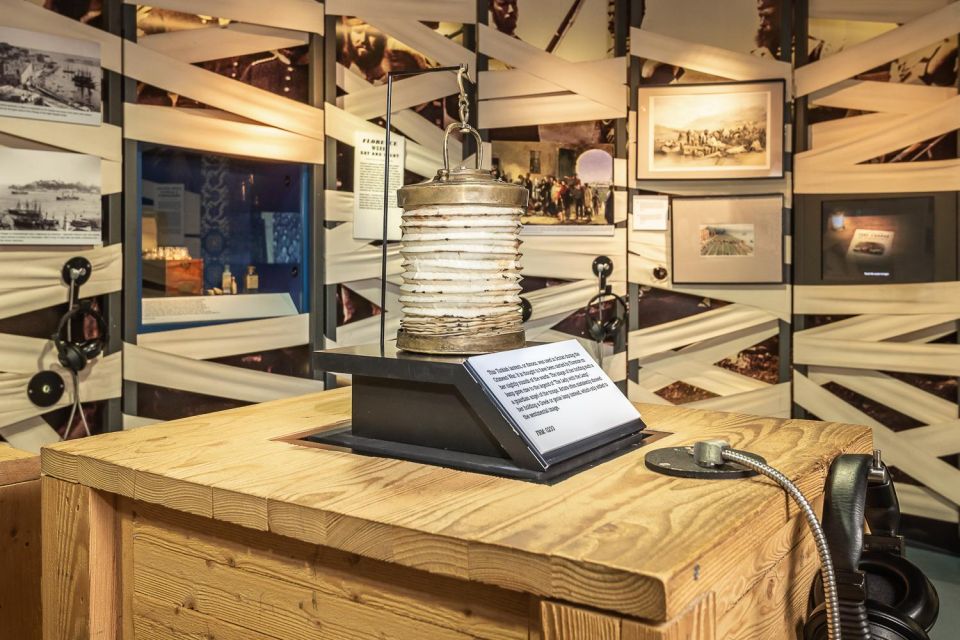
For about $16 per person, you’re not buying a tour bus ride or a big multi-stop day. You’re buying access to a museum collection built around one person: Florence Nightingale. That’s the value here. You get a concentrated look at how one determined figure pushed nursing forward—through her life, her battles, and the tools she relied on.
The ticket is valid for 1 day, and you can enter anytime within opening hours on your booked date. That matters because it lets you build this into your day the way you like: morning, midday, or late afternoon (as long as you’re in before the last entry time). You also get an English host or greeter, which can help you orient yourself when you arrive.
Also worth noting: no food and drinks are allowed. If you’re the type who likes to snack while you read, plan to handle food outside before you go in, then settle in without worrying about an in-gallery eating rule.
You can also read our reviews of more tours and experiences in London


Finding the museum at St Thomas’ Hospital (and getting oriented fast)
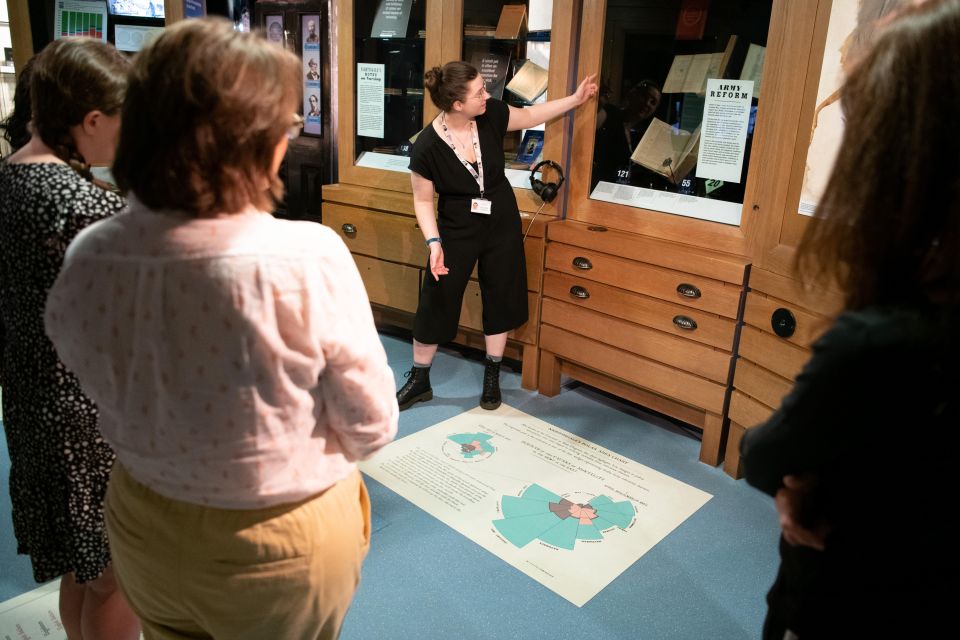
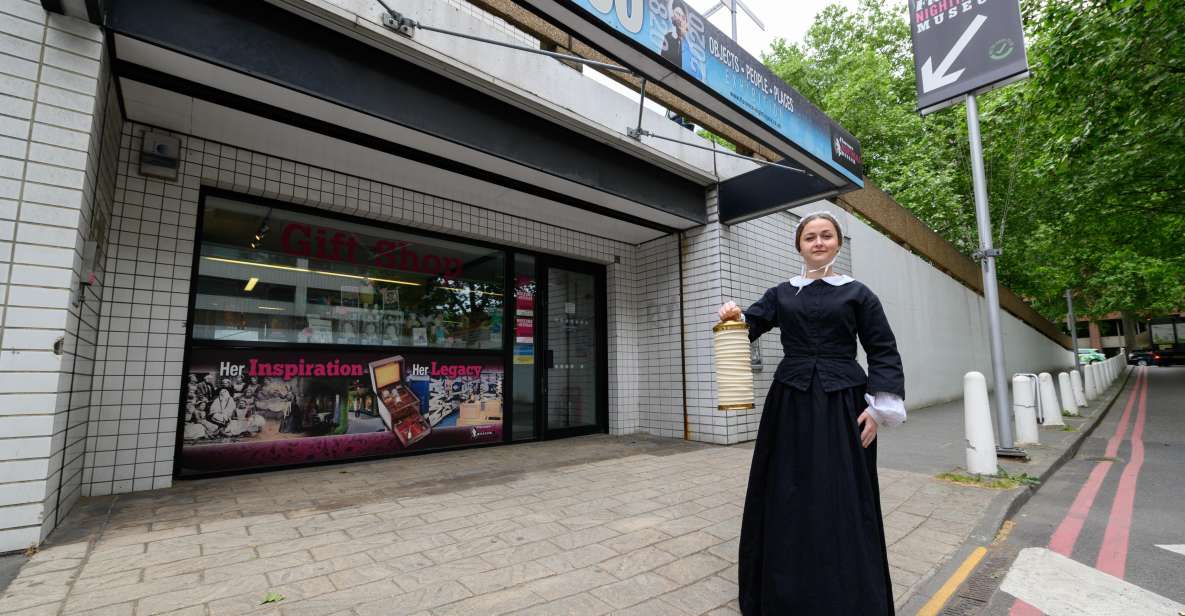
The museum is located at parking level in the grounds of St Thomas’ Hospital. Your best move is to look for St Thomas’ Hospital signage and follow signs for the Florence Nightingale Museum from there.
This part is practical: you’re not walking deep into a maze of back streets. You’re near central London sights too—there’s a short walk from both the Houses of Parliament and the London Eye. If you’re already in that area, you can treat the museum like a “quality stop” between big sights rather than a separate expedition.
When you arrive, aim to give yourself a few extra minutes before your preferred entry time. Museums that rely on timed entry are usually easier when you’re not sprinting, and the visitor flow can feel smoother if you’re not showing up at the absolute final moment.
Your visit flow: how to structure an hour in a one-person museum
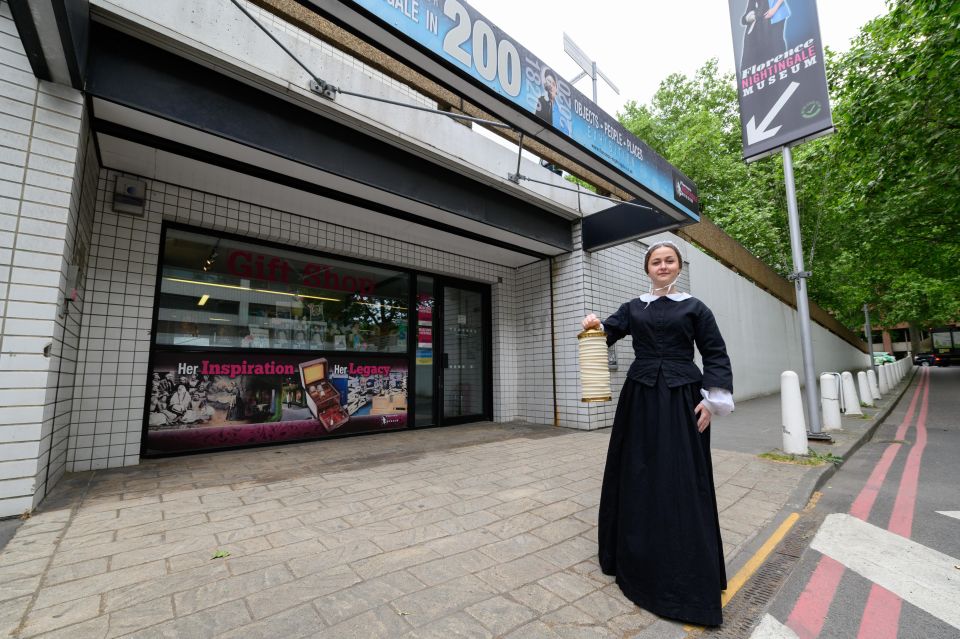
This ticket experience is all about walking through the museum collection at your own pace. You’re not tied to a rigid sequence every minute; instead, you can follow the story in the order the exhibits present it and spend extra time on the parts you care about.
Here’s a solid approach:
- Start with the early-life rooms so the later nursing work makes sense.
- Then move into the Crimean War and her campaigning efforts.
- Finally, spend more time on the signature objects—the lamp, the owl Athena, and the medicine chest.
This works because the museum doesn’t just list achievements. It links Nightingale’s decisions—especially her fight to become a nurse, despite family pressure—to the kind of impact she made later. When you take a little time to connect those dots, the museum feels less like a set of facts and more like a story you can understand.
Florence’s life story: from affluent childhood to a hard choice
The museum focuses heavily on Nightingale’s early life—her affluent childhood and the family expectations surrounding her. This isn’t just background. It helps explain why her eventual career path required more than ambition; it required pushback.
You’ll learn that she faced resistance, including how she fought against her parents’ wishes to become a nurse. That detail gives her later work a sharper edge. Nursing wasn’t a simple “career switch” for her. It was something she chose in the face of strong opposition.
If you’re someone who likes understanding the human side of history—values, family dynamics, and pressure—this is one of the strongest parts of the visit. It sets up her later decisions so you’re not just seeing outcomes. You’re seeing the stakes.
The Crimean War section: where the tools meet real-world nursing
One of the museum’s core themes is her work during the Crimean War. This is where the story gains urgency. You’ll see how her nursing efforts connected to evidence, organization, and a push for better standards.
The museum doesn’t treat the Crimean War like a distant battlefield chapter. It connects her experience there to her broader goal: campaigning for better healthcare for ordinary people. That’s the through-line that keeps the museum from feeling like a biography with names and dates only.
If you care about practical medicine—systems, cleanliness, and care standards—this part of the collection is especially compelling. One booking emphasized the quality and the extent of the medical information, and that matches what this museum is trying to do: show the nursing thinking behind the achievements.
You can also read our reviews of more museum experiences in London





The Lady with the Lamp: her old lamp in context
The museum’s signature object is the lamp she carried, the one that contributed to her nickname, the Lady with the Lamp. Seeing the lamp isn’t just a cute historical artifact moment. It’s a physical reminder that her reputation was tied to how she showed up to care—especially at night—when others might have been elsewhere.
If you’ve only heard Nightingale in broad terms, this is where the museum becomes more personal. You can look at an object linked to her routine and realize how symbols come from behavior. The nickname isn’t magic. It comes from actions people witnessed.
Spend a little time here even if you think you already know the story. The lamp section is the place to slow down and connect her legend to the real person the museum is presenting.
Athena the pet owl: a small detail that makes the story stick
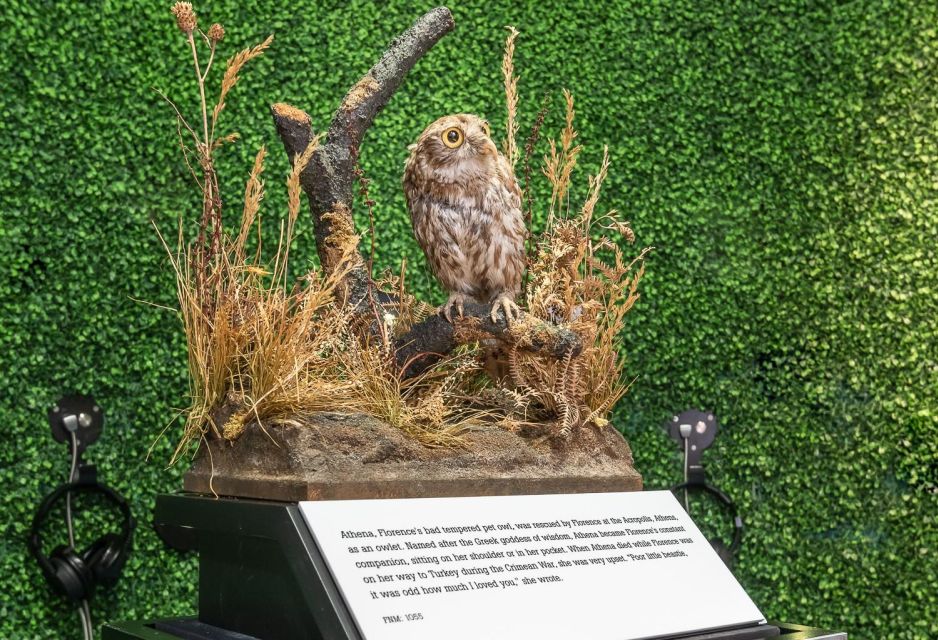
Yes, this is a museum about nursing history—but it includes Athena, Florence Nightingale’s pet owl. It’s a gentle reminder that Nightingale wasn’t only a reformer and strategist. She had life around her, quirks, and companions that made her more than a single “great woman of history” label.
This detail matters because it makes the biography feel less like a statue and more like a person you could have met. It also gives your brain an easy way to remember the museum overall. When you walk out, you’ll likely remember Athena alongside the lamp and the medicine chest.
If you’re visiting with kids, Athena is also a natural attention anchor. At least one recent booking mentioned that the Florence content landed well with very young children, and a character like Athena is the kind of element that can make a longer museum visit feel manageable.
The medicine chest: when you see how care was carried
Another standout object is Nightingale’s medicine chest. This is the practical side of her story—care tools, not just speeches. Seeing a collection item like a medicine chest shifts the focus from ideas to implementation.
It’s also a useful contrast with the lamp. The lamp signals observation and presence during care at night. The medicine chest signals what she carried to support treatment. Together, they show how she approached nursing as something you do with intention and preparation, not only with good intentions.
If you’re drawn to the “how” behind healthcare, this section is a good payoff. You’ll feel like you’ve learned how nursing work actually looked in her world.
Timing your visit: opening hours, last entry, and late openings
The museum’s regular hours are Tuesday to Sunday, 10:00 AM to 5:00 PM, with last entry at 4:30 PM. Plan for that last-entry rule. If you arrive near the end of the window, you’ll spend less time with the artifacts and more time rushing through the story.
There’s also a late-opening schedule: the last Thursday of the month stays open until 8:00 PM, with last admission at 7:30 PM. From 5:00 PM that day, there’s a cash and card bar in the museum shop. In December, there’s no late opening, so it’s worth checking the calendar before you count on an evening slot.
Practical tip: if you want calmer viewing and less crowd pressure, aim for an earlier entry—especially if you’re pairing it with other central sights like the London Eye.
Price and value: is $16 worth it?
At $16 per person, the ticket price feels fair for a museum visit in central London—especially one built around authentic Nightingale artifacts and a tight, story-focused collection.
The value comes from four things:
- You get access on your booked date anytime during open hours.
- The experience centers on original-linked objects (lamp, Athena, medicine chest), not just reproductions.
- The exhibits cover both personal story and wider healthcare impact.
- The museum visit is designed to connect history with medical thinking, which can make it feel more relevant than many general-interest exhibitions.
If you’re a museum browser who loves broad “check everything” days, you might find this is a smaller-feeling stop compared with big multi-gallery museums. But if you want a compact, high-signal experience, this one is a strong use of your time.
Who this museum ticket is best for
This visit is a great fit if you:
- Want a focused, one-person story instead of a general history sweep
- Care about how nursing evolved—especially the connection between Nightingale’s experience and her healthcare reforms
- Like museum experiences that combine biography with real objects you can look at closely
- Are visiting in the central London area and want a high-quality indoor stop
It may be less ideal if you’re searching for a full-day, multi-region sightseeing itinerary. The museum is a museum—best enjoyed as a deliberate block of time.
Should you book the Florence Nightingale Museum ticket?
If you like meaningful museum stops, I’d book this. The pull isn’t just Florence Nightingale as a famous name; it’s the chance to see her lamp, meet Athena, and view her medicine chest in a setting that links her life to real improvements in healthcare. Add in the practical fact that you can choose your entry time within opening hours, and the experience feels easy to slot into a London day.
Book it especially if you’re drawn to the medical side of her legacy, or if you want a museum visit that’s more personal than most. And if your day is already packed with major landmarks, this ticket is a smart way to add depth without committing to an all-day venture.
FAQ
What are the Florence Nightingale Museum opening hours?
The museum is open Tuesday to Sunday from 10:00 AM to 5:00 PM. Last entry is at 4:30 PM.
Is there a late opening?
Yes. The museum is open late on the last Thursday of the month, until 8:00 PM. Last admission is 7:30 PM. There is no late opening in December.
Where do I find the museum?
Look for St Thomas’ Hospital signage. The museum is located at parking level in the grounds of St Thomas’ Hospital, a short walk from the Houses of Parliament and the London Eye.
Is the ticket valid for more than one day?
No. The ticket is valid for 1 day, and you can access the museum anytime within opening hours on your booked date.
Are food and drinks allowed inside?
No. Food and drinks are not allowed.
Is the museum wheelchair accessible?
Yes. The experience is wheelchair accessible.
How large is the group?
It’s a small group, limited to 9 participants. The host or greeter is English.