A single station stop can feel totally normal—until you step into its forgotten rooms. This Hidden Baker Street Station Tour turns Baker Street’s everyday travel space into a time machine, with access to areas tied to Victorian steam-era Underground operations.
I especially like the way you get a guided, story-led walkthrough of working life at the London Underground’s operational headquarters, not just a pile of facts. And you’ll see physical details that are usually out of sight, like staff-only areas and long-closed corridors.
One big consideration: this is a lot of walking on stairs and uneven ground, in low light, with no elevators, so it’s not a good fit if you have mobility issues or claustrophobia.
In This Review
- Key highlights you can count on
- Standing on the Sherlock Holmes spot, then switching gears
- Why Baker Street matters for the Underground story
- The hidden working side: an operational HQ, not just a platform
- Staff-only spaces: seeing the staff rifle range and other practical oddities
- Original platforms, old lift shafts, and corridors out of public use for 75 years
- A guided walk with museum-grade stories (including staff voices)
- Practical reality check: what to bring and what to skip
- Price and time: is $60 for 85 minutes good value?
- Who should book this Hidden London tour
- Should you book the Hidden Baker Street Station Tour?
- FAQ
- How long is the Hidden Baker Street Tube Station tour?
- Where do I meet the guide?
- Is this tour suitable for people with mobility impairments?
- What should I bring?
- Are children allowed?
- What’s included in the price, and what isn’t?
Key highlights you can count on
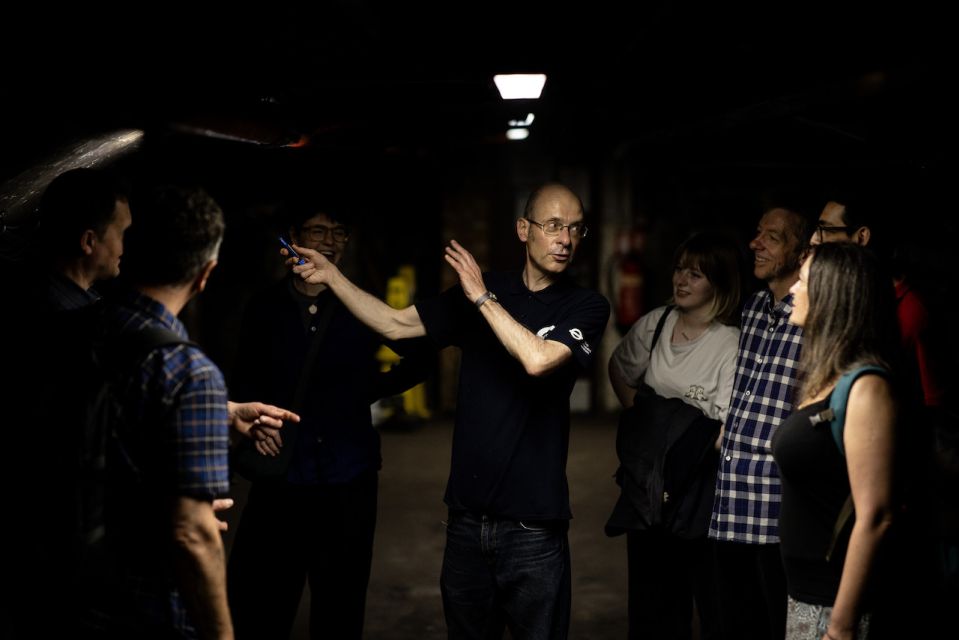
- Exclusive access to station areas not seen by the public
- Victorian origins of the Underground, tied directly to Baker Street
- Stops that include the staff rifle range and other staff spaces
- Original station features like old lift shafts and hidden corridors
- London Underground operational headquarters stories, using museum archive material
- A focused 85-minute guided walking format
Standing on the Sherlock Holmes spot, then switching gears
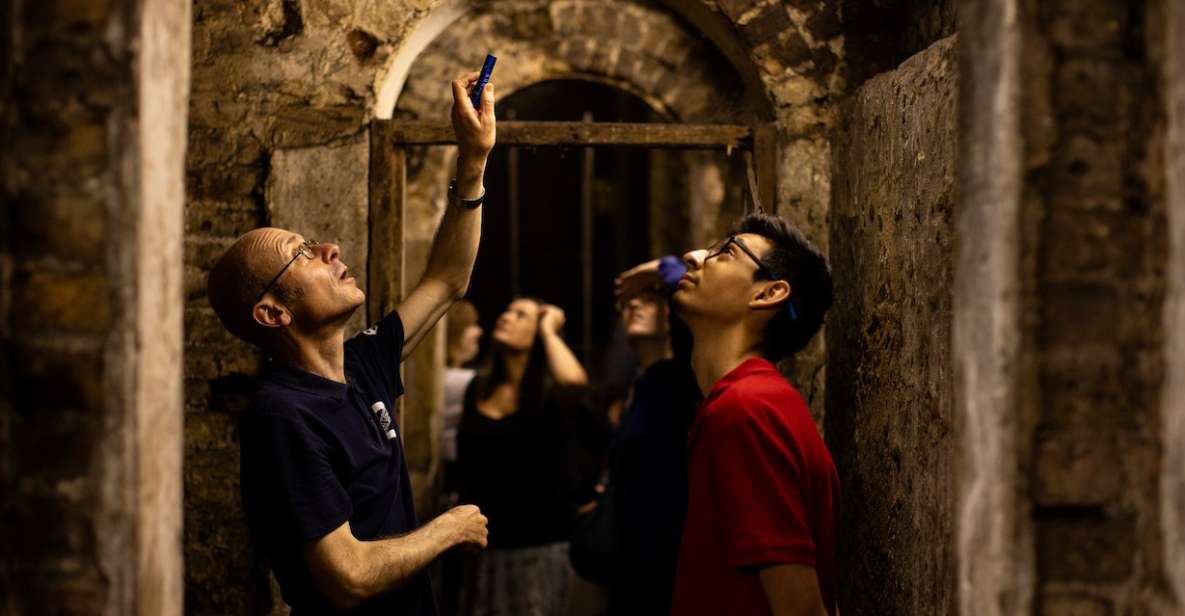
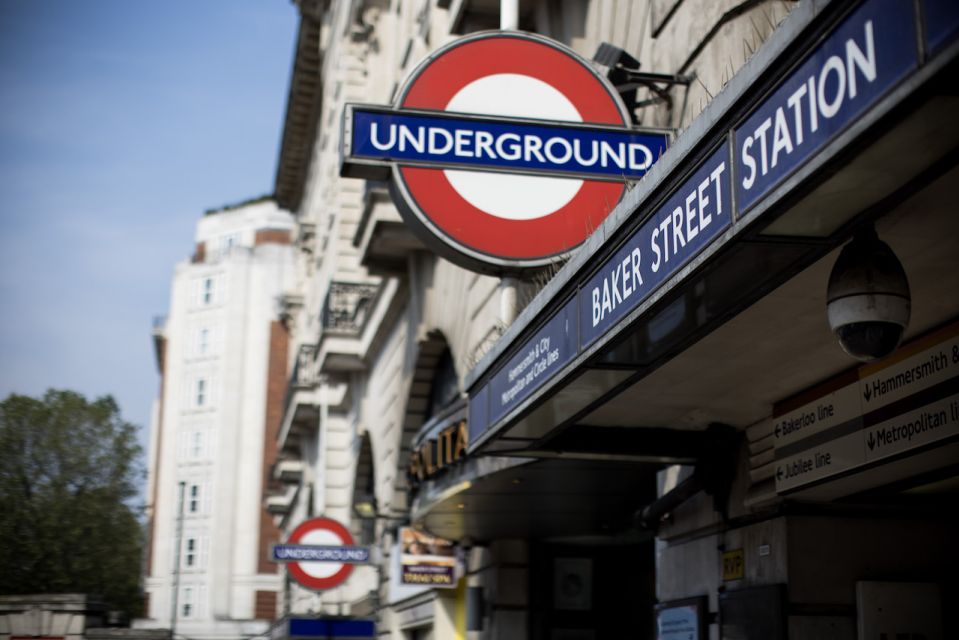
Your tour starts outside Baker Street Underground Station, in front of the Sherlock Holmes statue. From there, you’ll shift your focus fast: you’re not just touring the building. You’re learning how this station functioned as a working hub for the Underground, with public-facing areas only part of the story.
Because this is a guided walking tour through parts of an active transport site, pay attention to how the group moves. I’d wear shoes you trust on stairs and uneven ground, since the route includes those elements and there’s no elevator help along the way. If you like London’s transport history, you’ll feel like you’re getting the backstage version of a place you thought you already knew.
You can also read our reviews of more tours and experiences in London.



Why Baker Street matters for the Underground story
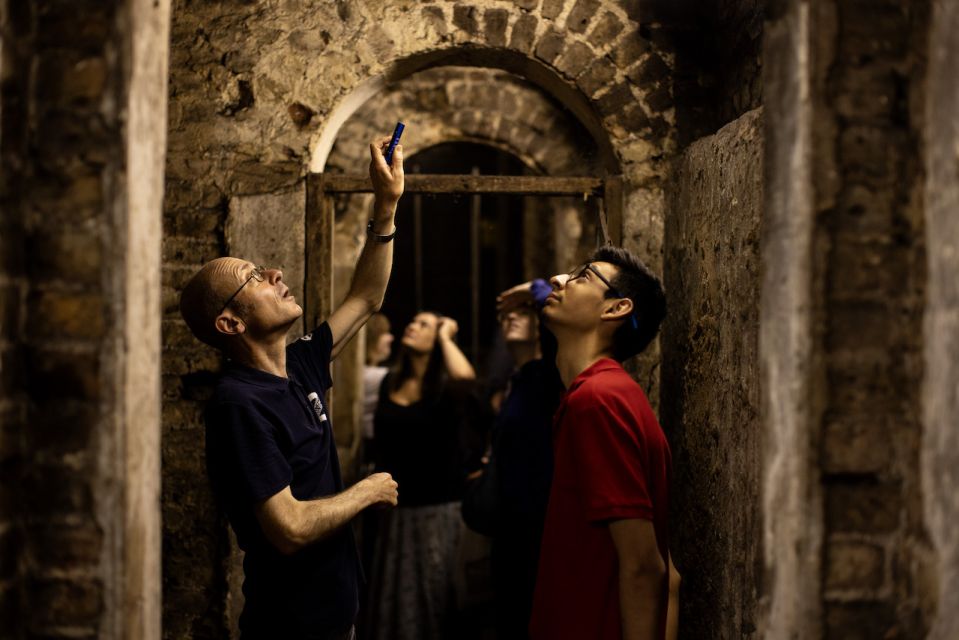
Baker Street opened on January 10, 1863 as part of the Metropolitan Railway. That date is more than trivia. It marks the birth of a revolutionary idea: taking passengers beneath Victorian London’s congested streets with steam travel.
On this tour, you’ll hear what the very first passengers thought of underground travel in 1863. You’ll also get the long view—how the Underground grew and expanded over the next 16 decades, and how Baker Street fit into that expansion. The result is a sense of continuity: this station isn’t just old, it’s tied to how the network evolved.
The hidden working side: an operational HQ, not just a platform
One of the most valuable parts of this tour is the emphasis on function. Baker Street wasn’t only where passengers arrived—it also served as the operational headquarters for the London Underground. That perspective changes everything. Instead of imagining stations as silent architecture, you start picturing the daily rhythm of staff and systems needed to keep the network moving.
You’ll learn about station operations and hear stories about the staff who worked there over the years. And the tour uses London Transport Museum archive and collections material as the backbone for what you’re hearing, so it’s not just guided guessing or generic storytelling. If you care about how cities actually run, this is the segment that clicks.
Staff-only spaces: seeing the staff rifle range and other practical oddities
One stop you’ll look forward to is the station’s hidden spots, including the staff rifle range. That sounds surprising at first, but it fits the theme of the tour: Baker Street as a working headquarters with real staff facilities, not just passenger flow.
It also helps you understand the difference between what’s visible today and what used to be standard back-of-house life. Stations have layers—public corridors, staff corridors, utility areas—and this tour brings the layers into focus. You’ll get a clearer picture of why certain areas exist where they do, and what they were meant to do.
And yes, this is the kind of place where details matter. Old layouts, service spaces, and closed-off sections don’t just look interesting; they show how Underground design solved practical problems at the time.
Original platforms, old lift shafts, and corridors out of public use for 75 years
Some of the most dramatic moments come when you’re looking at parts of the station that are closed off and have been out of public use for decades. The tour includes original platforms, old lift shafts, and corridors hidden in plain sight.
A striking detail here is timing: some areas were last accessed by the public as far back as 1945, while the wider “not used for over 75 years” framing gives you a sense of how long these spaces have been waiting in silence. When you’re standing there, it’s easier to imagine the station as a layered machine that kept changing, even while certain corridors stayed largely forgotten.
Old lift shafts are especially interesting because they hint at older movement and logistics methods. Even if you don’t know the engineering, you can often read the purpose from the layout and where shafts connect to other station elements. You’re not just seeing “cool old stuff”—you’re seeing infrastructure that was part of the Underground’s operational logic.



A guided walk with museum-grade stories (including staff voices)
The guiding style matters on this type of experience. Here, the guide ties visible station elements to stories—who worked there, how the Underground grew, and how Baker Street served both passengers and staff.
You’ll hear first-hand accounts connected to those who worked (and played) at the Underground over the years. The tour also covers how Underground travel was perceived in the early days, which adds a human layer to the technical one. It’s the blend that makes the tour feel less like a history lecture and more like a guided walk through a living archive.
On top of that, multiple guides have been noted for being enthusiastic and well-organized in leading the experience, with names like Anthony, Sophie, and Pat specifically called out. If your group includes one of those guides, you should expect characters who keep the pace moving and the stories grounded in the physical station setting.
Practical reality check: what to bring and what to skip
This tour is built for people who can handle a guided underground walk. You should bring comfortable shoes and water, plus your passport or ID card. Open-toed shoes aren’t allowed, and you can’t bring food and drinks or luggage/large bags.
Low lighting and stairs are part of the experience, and there are no elevators. The route also includes uneven ground, so good traction matters. If you’re prone to slipping or you don’t like enclosed-feeling spaces, consider whether this is your kind of tour.
The tour is not suitable for:
- Children under 10
- People with mobility impairments
- People with claustrophobia
If you’re traveling with kids, there’s also a rule that limits children aged 10–15 to a maximum of four per adult. That’s worth planning around if you’re booking as a family.
Price and time: is $60 for 85 minutes good value?
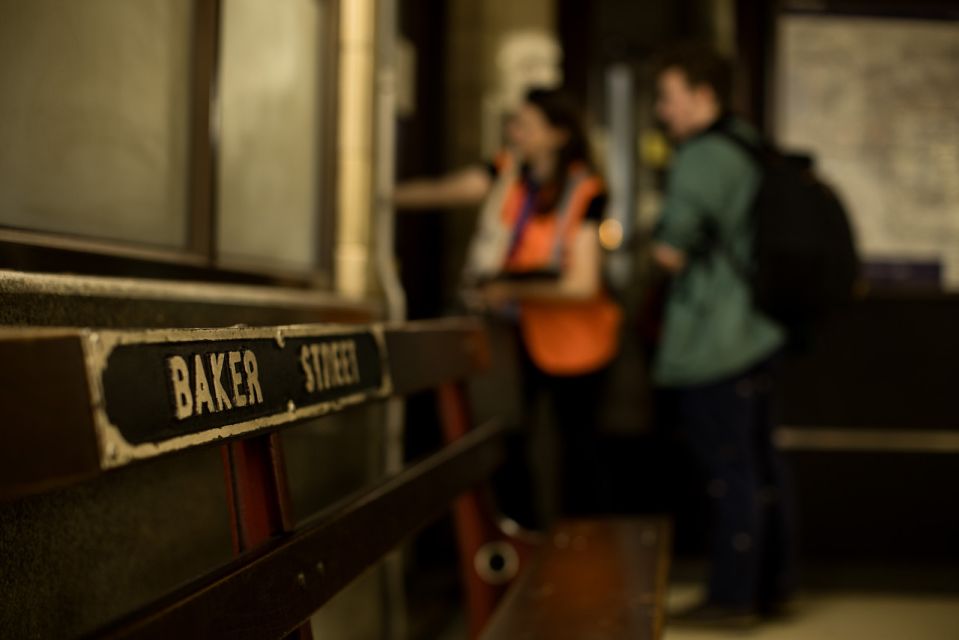
$60 per person for an 85-minute tour sounds like a lot until you translate it into what makes this tour rare. The big value is exclusive access—areas of Baker Street Station that are not normally open to the public, including spaces out of use for generations and even last accessed by the public as far back as 1945.
Many London tours show you the “front stage” version of a place. This one focuses on the behind-the-scenes layer: original platforms, lift shafts, corridors, and staff spaces like the rifle range. That kind of access takes effort to arrange, and it changes how long the experience feels. In 85 minutes, you’re not just listening; you’re moving through the physical evidence of the Underground’s early years.
If you love transport history, architecture, or how cities operate, it’s easy to see why this price can feel fair. You’re paying for restricted-space interpretation, not just a standard walking tour.
Who should book this Hidden London tour
I’d book if you enjoy:
- London Underground history tied to real station spaces
- Behind-the-scenes experiences (not just “look at this old wall”)
- Stories about how staff worked and how the system expanded
- Victorian-era context, especially steam-era travel origins
I’d think twice if you need step-free access, dislike stairs, get uncomfortable in low light, or are sensitive to enclosed spaces. The tour is memorable because it’s physical—stairs, uneven floors, and old corridors—and that also makes it a poor fit for certain needs.
Should you book the Hidden Baker Street Station Tour?
If you’re the type who wants a new side of London from inside the places most people never see, this is the booking. The core reason is simple: exclusive station access plus a guided explanation of why those spaces existed, how they worked, and what the early public made of underground travel.
If you’re comfortable with a walking route that includes stairs and uneven ground, and you’re okay with low lighting and narrow-feeling areas, you’ll likely find this a standout London experience. If not, you may be happier choosing a more accessible Underground history tour where you can stay in fully public areas.
Overall, this is one of those rare “you can’t easily replace it later” tours—because the whole point is what’s normally off-limits.
FAQ
How long is the Hidden Baker Street Tube Station tour?
The tour lasts 85 minutes.
Where do I meet the guide?
Meet your guide outside Baker Street Underground Station, in front of the Sherlock Holmes statue.
Is this tour suitable for people with mobility impairments?
No. The tour isn’t suitable for people with mobility impairments, since it involves a lot of walking, stairs, uneven ground, and there are no elevators.
What should I bring?
Bring comfortable shoes, water, and a passport or ID card.
Are children allowed?
Children under 10 aren’t allowed. For ages 10–15, there’s a limit of four children per adult.
What’s included in the price, and what isn’t?
Included is a guided walking tour. Pickup and drop-off aren’t included. Food and drinks, luggage/large bags, and open-toed shoes aren’t allowed.