REVIEW · LONDON
London: Jack The Ripper Walking Tour
Book on GetYourGuide →Operated by See The Sights Tours · Bookable on GetYourGuide
Whitechapel has its own cold heartbeat. This Jack the Ripper walking tour takes you to the streets where the murders happened, with victim-first stories and a mystery that’s built from real clues, not just spooky vibes. What I like most is how the guide ties the killings to the day-to-day East End world, then leaves you with questions about the identity of Jack the Ripper.
One thing to consider: it’s still an outdoor walk. If it’s freezing and rainy, you may end up standing and walking for most of the 150 minutes, and there may not be enough quick indoor or pub breaks to make the weather feel lighter.
In This Review
- Key things to know before you go
- Finding Aldgate Station and the yellow-umbrella start
- Whitechapel street-walking: real crime scenes and the big mystery
- Mitre Square and Petticoat Lane: East End street life in the background
- Spitalfields Market and Old Spitalfields Market stops that ground the story
- Brick Lane: the mystery keeps walking with you
- Ten Bells finish: the drink, the reminder, and the choice to stay
- Price and timing: is 18 dollars good value for 150 minutes?
- Content warnings: murder, prostitution, and the age guidance that matters
- Who this tour suits best (and who might not)
- Should you book this Jack the Ripper walk?
- FAQ
- Where does the tour start?
- How long is the Jack the Ripper walking tour?
- What language is the tour guide?
- Is the tour suitable for kids?
- Is the tour accessible for wheelchairs or mobility impairments?
- What’s not allowed during the tour?
Key things to know before you go
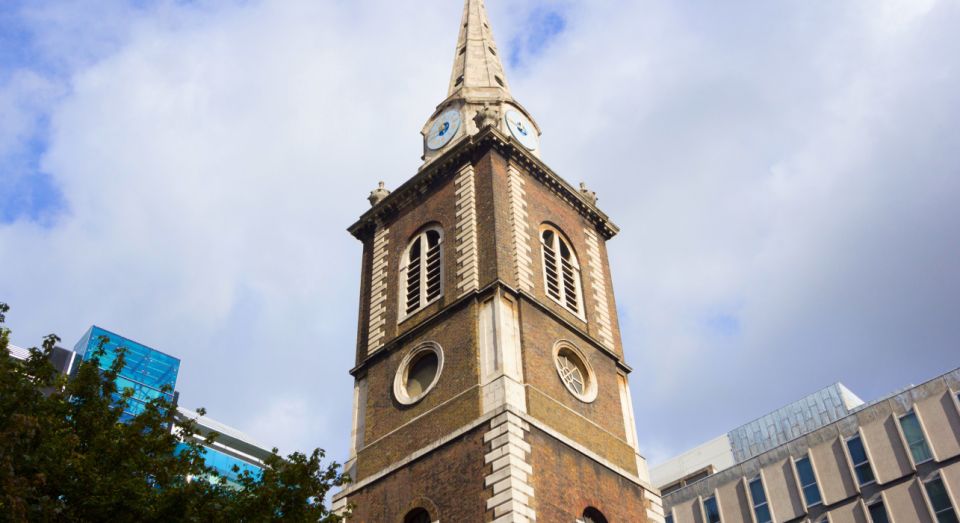
- Start at Aldgate Station (not Aldgate East) and look for the guide with a yellow umbrella.
- 150 minutes on foot through Whitechapel and the East End, with regular stops to hear the story.
- Victims matter here: you hear the tragic stories of the canonical five and how they fit the era.
- You’ll get theories and evidence, not a single fixed answer to who the Ripper was.
- Landmark mix includes Spitalfields Market, Old Spitalfields Market, Brick Lane, and the Ten Bells pub finish.
- Some guides lean respectful and factual; guides named Adam and Carolina were highlighted for thoughtful, clear storytelling.
Finding Aldgate Station and the yellow-umbrella start
The tour starts at 9 Aldgate High Street, right next to Hotel Saint. The easiest approach is to aim for Aldgate Station and use the exit closest to Hotel Saint. The location list is specific for a reason: please go to Aldgate Station (not Aldgate East Station).
When you arrive, you’re looking for the guide holding a yellow umbrella. It sounds small, but it helps you avoid that first moment of standing around wondering which group is yours. If you’re trying to keep everything smooth, I’d show up a bit early, then you can get the start point sorted without stress.
This is one of those tours where the meeting point really matters. You’re about to walk through tight East End streets where a wrong turn can cost you time. Get oriented quickly—then let the guide do the rest.
You can also read our reviews of more walking tours in London



Whitechapel street-walking: real crime scenes and the big mystery
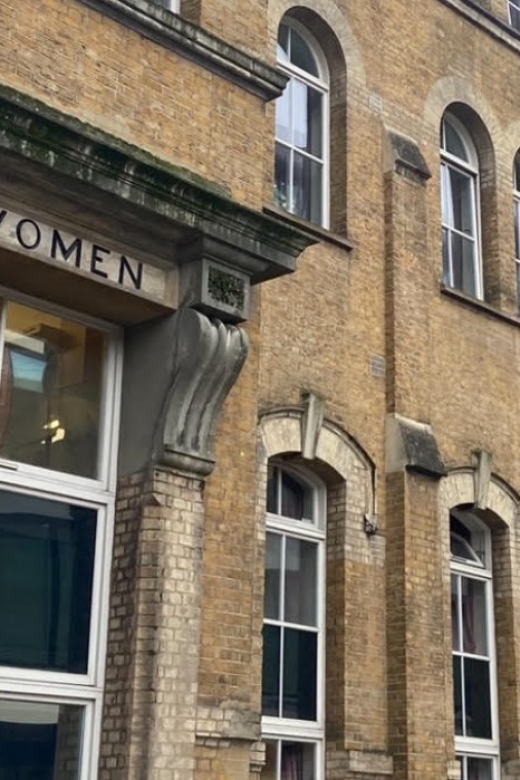
This is the core of the experience: walking the Whitechapel streets where the crimes unfolded, with the guide pointing out the places tied to the story. You’ll hear descriptions that connect the murders to the fears of the neighborhood at the time, including the harsh social conditions of Victorian London.
What makes this tour work is that it doesn’t treat Jack the Ripper like a cartoon villain. Instead, it keeps returning to the human reality of the victims. The “canonical five” are part of the route’s emotional center, and the way the guide frames them tends to be respectful rather than sensational.
You’ll also get the puzzle pieces that keep this mystery alive a century later: theories, clues, and evidence about who Jack the Ripper might have been. The tour doesn’t promise a neat answer, and that’s a good thing. It helps you think like an investigator would—connecting details instead of memorizing one dramatic reveal.
Expect the guide to also talk about how the police investigation gripped the public and how the murders left a long shadow on London’s story. That context matters, because it turns the walk from “scary spots” into a clearer picture of how and why the world reacted the way it did.
Mitre Square and Petticoat Lane: East End street life in the background
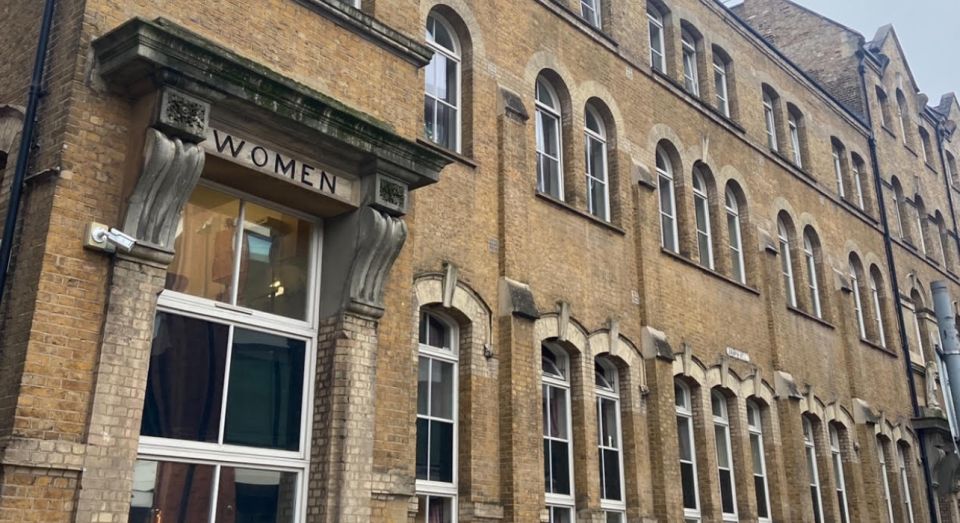
From Whitechapel, the tour keeps moving through East End scenes that shaped the atmosphere of the time. Stops like Mitre Square and Petticoat Lane aren’t random. They give you a sense of how the area functioned day to day—trade, crowds, and the kind of living conditions that made the headlines feel even more alarming.
At these points, the guide’s job is to connect the walking route to the story beats: where fears intensified, where attention was drawn, and how the neighborhood looked in that era. You’ll likely notice that the route keeps shifting between “story location” and “context location,” which is exactly what you want for a mystery tour. If every stop was only horror, you’d tune out. If every stop was only general history, you’d lose the thread. This mix helps you keep paying attention.
And because these are real streets, you’ll feel the geographic pacing. The point isn’t to guess where the murders “would have fit.” It’s to see how close everything was and how quickly events unfolded in a part of London that wasn’t designed to hide anything.
Spitalfields Market and Old Spitalfields Market stops that ground the story
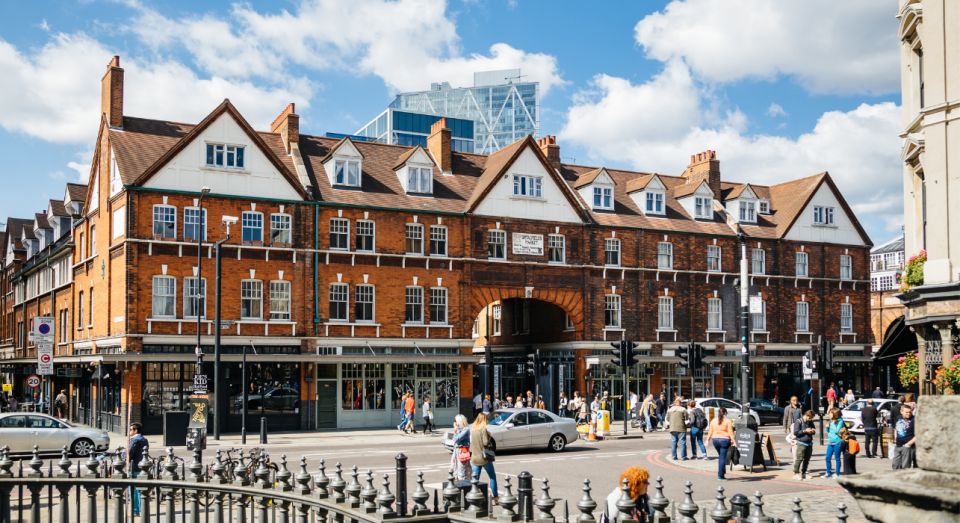
Then you hit Spitalfields and both Old Spitalfields Market-type areas. This is where the tour leans into place-based realism. Markets are a big part of why neighborhoods are remembered. They bring people together, they create constant movement, and they make the idea of a “hidden crime” feel less believable.
Here’s what you’ll likely appreciate: the tour doesn’t just name buildings or street corners. It helps you connect the Victorian era social conditions to what daily life looked like in that East End corner. That’s the difference between visiting London and understanding it a little.
Spitalfields also sets you up for the next shift toward Brick Lane, which is where the area’s cultural layers become more obvious as you walk. Even if you’re not a London history buff, market districts are easy to read with your eyes. You can look around and understand why someone in the 1800s would feel like the neighborhood was always watching—right up until it wasn’t.
Brick Lane: the mystery keeps walking with you
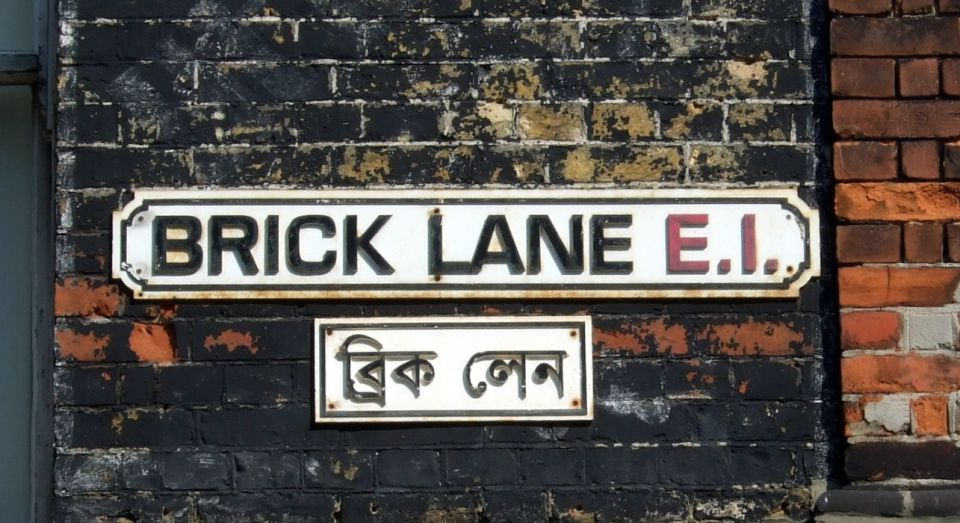
At Brick Lane, the tour keeps momentum. This stop gives you a recognizable East End landmark while still staying tied to the overarching story of the Ripper case: the fear, the investigation, and the continuing fascination.
I like Brick Lane on this kind of tour because it’s a bridge. You’ve already learned how the Whitechapel portion of the walk shaped the events. Now you’re seeing the broader East End identity around those events. That helps the case feel less like a sealed-off chapter and more like part of London’s ongoing story.
One practical thought: Brick Lane areas can be busy in general. On a walking tour, that means you might hear parts of the story while dealing with everyday street noise. If you want to catch every line, keep your attention tight when the guide speaks—don’t drift into smartphone mode until your stop is done.





Ten Bells finish: the drink, the reminder, and the choice to stay
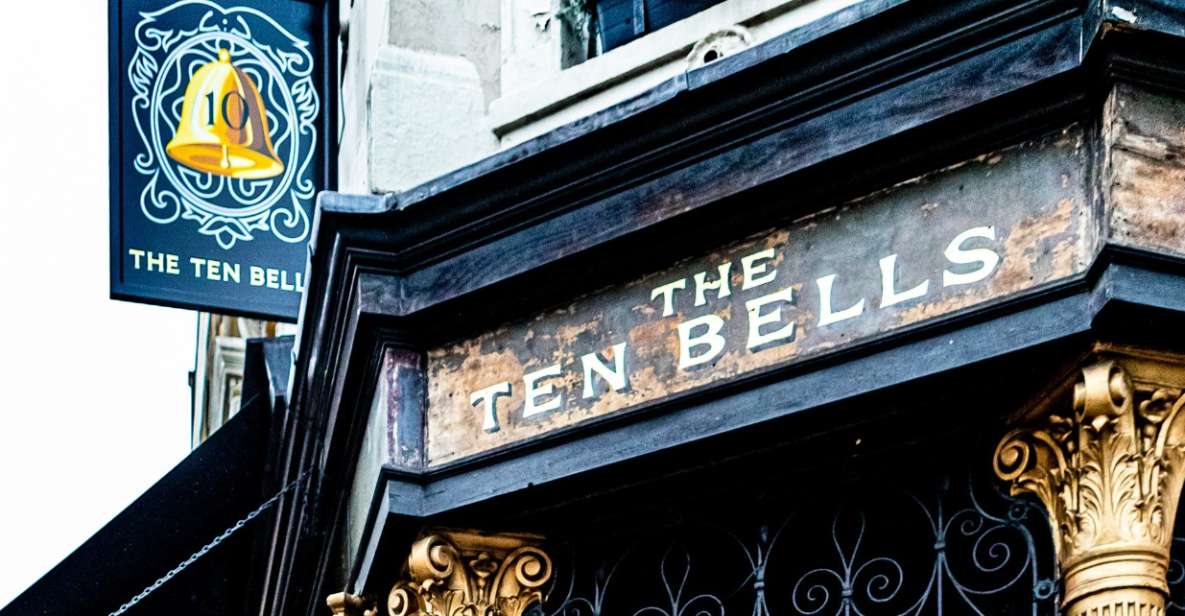
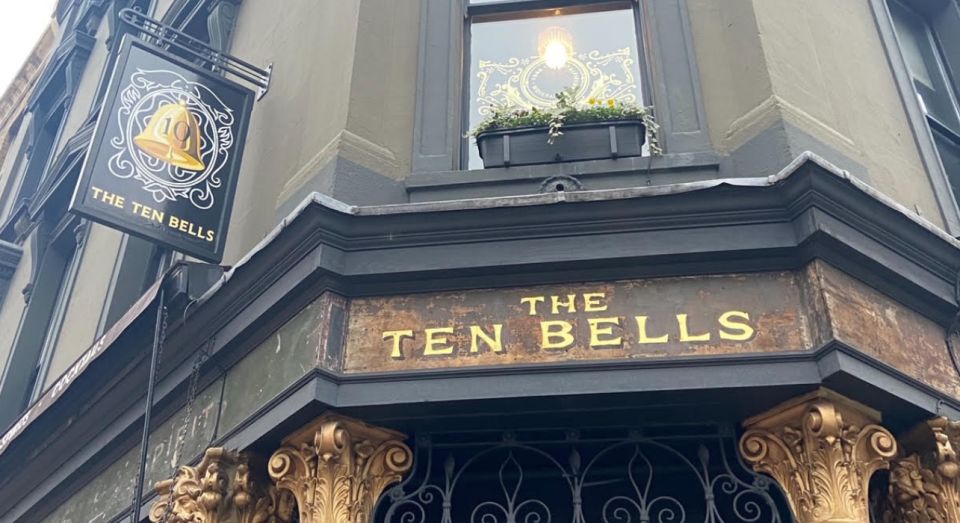
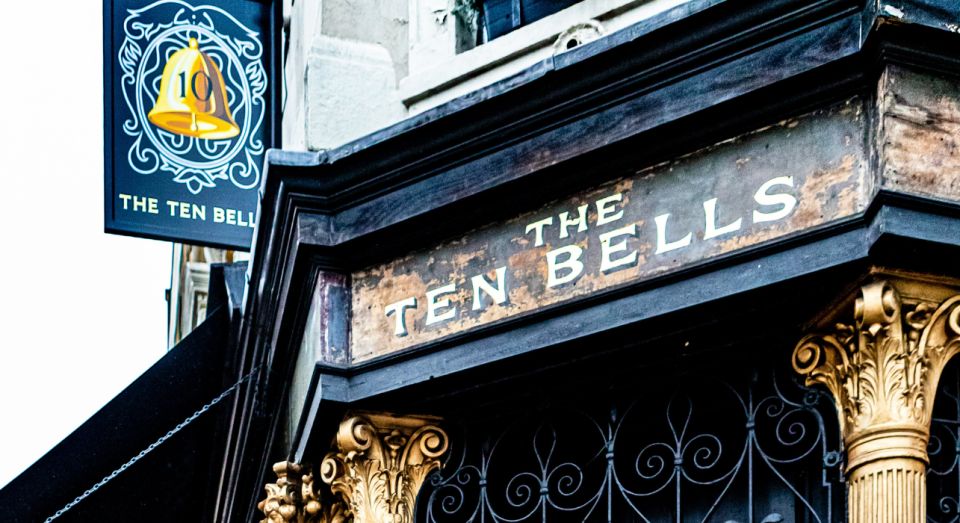
The tour ends at The Ten Bells in Spitalfields. This is more than a convenient meetup point. It’s part of how London’s modern identity keeps the Ripper story present—without pretending the past was entertainment.
You’ll have the option to grab a drink after the tour, and I think that’s the right kind of payoff. It gives you a chance to do two useful things: decompress after the darker themes, and process the theories the guide presented. A mystery tour works best when you can talk through what you think the evidence points to.
Just remember what the guide is doing throughout this experience. The goal isn’t to shock you. It’s to make the case understandable—then leave you with questions. A pub drink won’t erase that, but it can help you end the night feeling human again.
Price and timing: is 18 dollars good value for 150 minutes?
For about $18 per person and 150 minutes of guided walking, the value comes from three things.
First, you’re getting a full walking tour with multiple real location stops—including Whitechapel and several East End landmarks like Spitalfields Market and Brick Lane. Second, the tour doesn’t just point; it explains theories, clues, and evidence tied to the identity question. Third, it gives you the victim stories as a central thread, including the canonical five, which keeps the tour from becoming a one-note scare show.
Could you make a cheaper plan by self-walking? Sure. But self-walking won’t connect the dots for you, and it won’t keep you from missing what makes each stop matter. Paying for a guide is what turns “I visited spooky streets” into “I understand the context and the mystery pieces.”
My tip for getting your money’s worth: show up mentally ready to listen. This kind of tour is best when you treat it like a guided lecture you can walk through.
Content warnings: murder, prostitution, and the age guidance that matters
This tour covers dark and mature themes, including murder and prostitution. The guidance says children’s participation is at parents’ discretion, but they recommend ages 14+, and the guide won’t adjust the tour for children.
That’s important. It means you should choose it based on your comfort level and your group’s needs, not just because it’s a popular London theme. If you’re going with teens, read the topic description and decide ahead of time whether they can handle it.
Also, the tour is not recommended for everyone. It’s listed as not suitable for people with mobility impairments, wheelchair users, or people with low fitness. Since it’s a street walk, you’re going to be on your feet for most of the 150 minutes.
Bring practical gear: warm layers if you’re going in cooler months, and shoes that don’t punish you after a long walk. One review noted how cold and rainy weather can make the time feel tougher, so plan for it like it’s a real outdoor trek.
Who this tour suits best (and who might not)
This tour is a great fit if you’re the kind of traveler who likes real places and real stories—especially when a mystery is built from clues and competing theories instead of a single myth. It’s also a good match for people who want a more grounded tone. Multiple guides highlighted in the info—names like Erik and Carolina—were praised for focusing on the victims and treating them with respect, not turning them into entertainment.
You might want to skip it if:
- You hate walking in the rain or cold (there may not be many indoor breaks).
- You want a light, family-friendly outing.
- You need wheelchair access or mobility support that this format can’t provide.
If you’re somewhere in the middle, do it with eyes open. Dress for weather. Listen for the points where the guide connects the geography to the evidence.
Should you book this Jack the Ripper walk?
I’d book it if your London trip includes at least one experience that’s about understanding a place, not just checking boxes. The victim-focused storytelling, the real Whitechapel locations, and the mix of evidence and theories make it more than a gimmick.
I’d hesitate only if the idea of an outdoor 150-minute walk in unpleasant weather is a dealbreaker for you. If you’re flexible and prepared—warm clothes, good shoes, and a respectful mindset—you’ll come away with a clearer picture of what happened and why the case never fully went away.
If your goal is a serious mystery tour with a human-centered approach, this one earns its spot.
FAQ
Where does the tour start?
The tour starts at 9 Aldgate High Street, London EC3N 1AH, at Aldgate Station near Hotel Saint. The guide will be holding a yellow umbrella. Make sure you go to Aldgate Station (not Aldgate East Station).
How long is the Jack the Ripper walking tour?
The duration is 150 minutes.
What language is the tour guide?
The tour is guided in English.
Is the tour suitable for kids?
The tour covers murder and prostitution, and it recommends children be aged 14+. Participation for younger children is at the discretion of parents or guardians, and the guide will not adjust the tour.
Is the tour accessible for wheelchairs or mobility impairments?
No. The tour is listed as not suitable for people with mobility impairments and wheelchair users, and it’s also noted as not ideal for people with low level of fitness.
What’s not allowed during the tour?
Pets are not allowed, and you should not bring luggage or large bags.