REVIEW · LONDON
London: National Gallery Guided Tour
Book on GetYourGuide →Operated by The Great Weekender · Bookable on GetYourGuide
Art that comes with a plan beats random wandering. This 2.5-hour National Gallery tour uses a certified guide to help you focus on major works in a smart small-group format.
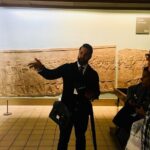
I like the small group size (up to 8). I also like the way the guide connects paintings to stories and details you can actually see, including clear photo-by-photo explanations like those credited to guide Nick James.
One thing to keep in mind: it’s still a walking tour with a tight time window, and some specific works you hope to see can be affected by loans or restoration, so you may not catch every single named masterpiece.
In This Review
- Key things to know before you go
- Why this 2.5-hour format works at the National Gallery
- Getting to the meeting point near Trafalgar Square
- What the certified guide actually brings to the paintings
- The highlights route: Leonardo, Raphael, and the Renaissance heavyweights
- Seurat’s Bathers at Asnières: why the guide matters more than you expect
- Botticelli, Holbein, and portraits that feel uncomfortably real
- Small-group size (up to 8): the practical advantage
- Skip-the-line security: worth it for timed art tours
- What to bring and what not to bring (so you don’t lose time)
- Who this National Gallery guided tour fits best
- Price and value: is $93 reasonable for 2.5 hours?
- Should you book this National Gallery guided tour?
- FAQ
- How long is the National Gallery guided tour?
- Where is the meeting point?
- How large is the group?
- Is the tour in English?
- Are there rules about photos or bags?
- Does the tour include food or drinks?
- Is it suitable for wheelchair users?
Key things to know before you go
- Small-group pacing (max 8) means you’re not shouting over other people
- Skip-the-line express security check helps keep your time for art
- Certified guide + live English commentary turns looking into understanding
- Big hitters on the route include Leonardo da Vinci, Raphael, Seurat, Holbein, and van Eyck
- No flash photography or backpacks keeps things moving and focused
- 2.5 hours on your feet—bring comfortable shoes and water
Why this 2.5-hour format works at the National Gallery
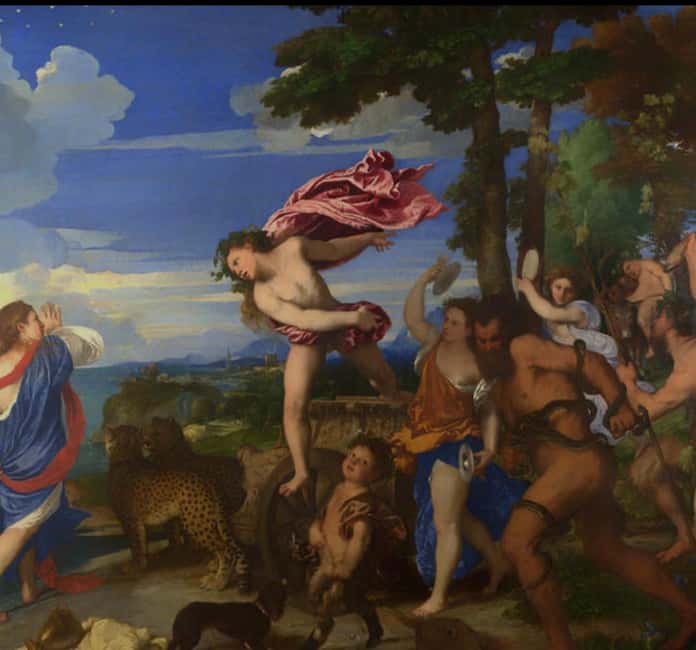
The National Gallery can feel like a maze if you go in cold. Rooms branch off, crowds bunch up, and it’s easy to spend your limited time staring at ceiling-to-floor masterpieces without really knowing what you’re looking at. This tour is built to solve that problem fast.
In 2.5 hours, you’ll get a guided route through the museum’s highlight collection. That matters because the National Gallery is famous for its range—Renaissance giants, major French art, and portraits that still look startlingly direct today. With a guide steering you, you spend more time actually studying the paintings instead of playing “Where is the next one?”
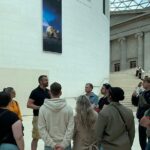
I also like the size. With a max of 8 people, the guide can react to what you’re curious about. It’s the difference between hearing art history as a lecture and seeing it as an ongoing conversation.
You can also read our reviews of more guided tours in London



Getting to the meeting point near Trafalgar Square
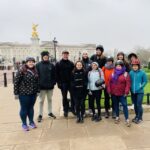
This starts right in the museum area you already see on postcards. You’ll meet by the Telephone Box outside the Sainsbury’s Wing, on the right-hand side of the National Gallery.
That simple detail helps you avoid the common early-tour stress: showing up late because you can’t tell which entrance makes sense. Arrive a bit early if you can. You’ll go through security using an express check, but you don’t want to rush in with sweaty shoes and an empty water bottle.
Also, plan to handle yourself once you arrive. There’s no hotel pickup or drop-off. So treat this like a meet-and-go walking tour: you show up, you go in, you follow the guide.
What the certified guide actually brings to the paintings
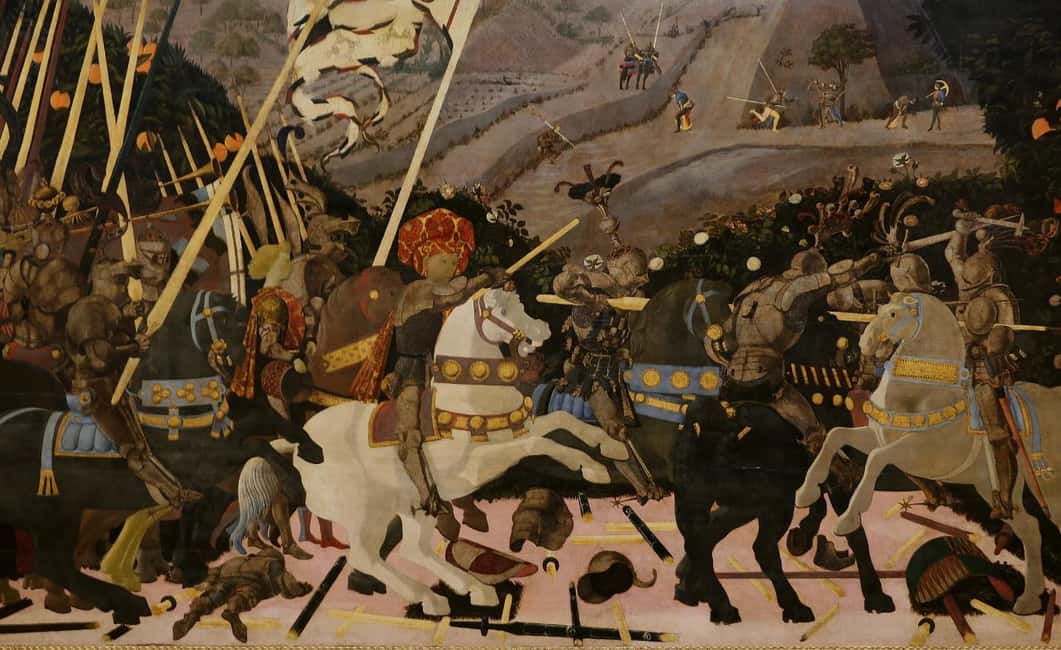
A guided museum tour can be hit-or-miss. The good ones do one key thing: they give you a way to look.
This tour is built around engaging insights into the art and artists, delivered by a certified guide. What that means in practice is you’ll stop at major works and get commentary tied to what you can see—composition, subject details, and why a particular painting mattered when it was made. That’s how the masterpieces stop being just names on a wall label.
One review singled out a guide’s careful explanations with each picture—concise and helping people see more in each work. I love that approach. It respects your time. You don’t get lost in a 20-minute speech. You get a focused set of points, then you look again with new eyes.
The highlights route: Leonardo, Raphael, and the Renaissance heavyweights
You’re going to see several headline artists on this route, including Leonardo da Vinci and Raphael. That’s not just star power. It’s a smart way to compare different artistic thinking within the same museum.
For example, Leonardo’s The Virgin of the Rocks is famous for its atmosphere and complex visual storytelling. A good guide will steer you toward the human expressions, the way figures are arranged, and the mood created by light and gesture. Even if you know the title, you’ll likely notice things you skipped on your own—details that change how the painting feels.
Then there’s Raphael’s The Madonna of the Pinks. With a Renaissance devotional subject, the interesting part is usually the balance: sacred meaning plus careful beauty. You’ll want to look at how faces and drapery are handled, and how the scene is composed to pull you toward the figures. A guide’s job here is to slow you down just enough so you don’t miss the craftsmanship.
If you’re the type who usually walks through museums fast, this section is where you’ll feel the benefit the most. A guide gives you permission to take your time, without it turning into a long detour.
Seurat’s Bathers at Asnières: why the guide matters more than you expect
Georges Seurat is a different energy than Renaissance masterpieces. His inclusion is a reminder that the National Gallery isn’t only about the old masters. It also connects you to later art movements that changed how people thought about color and form.
You’ll see Bathers at Asnières on this tour. This kind of work rewards looking carefully, but without guidance it’s easy to focus on the subject (people by the water) and miss what makes the painting tick. A guide can help you look for structure and technique—how the painting builds its effect rather than simply showing a scene.
I like that the tour doesn’t only chase famous religious paintings and portraits. It gives you a chance to feel how art changes with time, and how different artists solve visual problems in their own way.
You can also read our reviews of more museum experiences in London



Botticelli, Holbein, and portraits that feel uncomfortably real
This tour also includes Botticelli’s Venus and Mars, which brings myth into the museum spotlight. Myth subjects can feel distant until you understand what’s happening visually—how figures interact and how the scene is arranged to tell a story. With a guide, you get the map for reading the painting quickly.
Then you hit a section many people love: the portrait rooms. Holbein’s The Ambassadors and Jan van Eyck’s The Arnolfini Portrait are both famous for a reason. They’re not just pretty likenesses. They’re dense with symbolism, objects, and details that repay slow looking.
Here’s where having a guide is especially useful. These paintings can be intellectually satisfying but visually complex. Without help, you might miss the significance of what’s included in the scene. With commentary, you can spot why those objects and visual choices were placed there in the first place.
One review also emphasized how the guide helped people see more in each work viewed. That’s exactly what portrait paintings need: a few targeted pointers so you stop treating the scene like wallpaper and start treating it like a carefully built message.
Small-group size (up to 8): the practical advantage
Maximum 8 guests per group is not just a comfort perk—it changes the entire tour dynamic.
In a big group, you can end up stuck at the back. Then you see the painting as a general shape. In a small group, you have a better chance of getting close enough to actually observe details the guide points out.
I also like that the tour is designed around conversation and clarity. Live English commentary helps you follow along without translation lag. And with fewer people, the guide can keep you moving while still giving you time to react.
Skip-the-line security: worth it for timed art tours
Museums love time. Security lines love taking it.
This tour includes an express security check, which helps you keep your 2.5 hours focused on art rather than standing in a queue. For a museum built for wandering, this is a real value add. It’s also one less variable on the day you’re already juggling travel, weather, and where to meet.
What to bring and what not to bring (so you don’t lose time)
Do this part right and you’ll have a smoother start.
Bring:
- Comfortable shoes (you’ll be doing a lot of walking)
- A camera (if you want to document what you learned)
- Water (you’ll thank yourself later)
Not allowed:
- Flash photography
- Backpacks
You’ll also want to dress for walking around Trafalgar Square and through museum spaces. Keep your day bag light so you don’t waste time rethinking your setup when you arrive.
Who this National Gallery guided tour fits best
This tour fits best if you want:
- A guided route through major National Gallery works
- A certified guide who explains what you’re seeing
- A format that’s short enough to fit between other London plans
- A small-group experience where it’s easier to ask questions
You might not love it if you’re the kind of person who wants to roam freely for hours without stopping at set works. This tour is focused. It’s not trying to cover every gallery in depth. It’s aiming to give you strong “greatest hits,” plus enough context to make them stick.
One more check: the information provided includes both wheelchair accessibility and a note that the tour is not suitable for wheelchair users and some mobility impairments. If this is relevant to you, I’d confirm directly with the operator before booking so you don’t get surprised on the day.
Price and value: is $93 reasonable for 2.5 hours?
At $93 per person, you’re paying for three things: a certified guide, a small group (max 8), and time saved with express security.
Is it a bargain? Not really. But it can be a smart value depending on your style. If you normally lose time in large museums and you’re the type who enjoys learning while looking, that $93 can turn into one of your most useful hours in London. You’re buying focus.
Also, this price covers an organized visit to world-famous works like The Virgin of the Rocks, The Madonna of the Pinks, Bathers at Asnières, Venus and Mars, The Ambassadors, and The Arnolfini Portrait. If you were trying to replicate this alone, you’d need to research beforehand and still wouldn’t get the same guided “what to notice” coaching.
If you prefer self-guided wandering, you might be better off with a museum ticket plus audio guide. But if you want your time respected and your attention directed, this is fairly priced.
Should you book this National Gallery guided tour?
Book it if you want a short, high-impact way to experience the National Gallery without feeling lost. The combination of a certified guide, small-group limits (up to 8), and express security makes this one of the more practical options for a first or time-crunched visit.
Skip it if you’re chasing a totally free-flow museum day or you need a lot of flexibility to move slowly. This tour is designed for momentum, and it’s built around specific highlight stops.
If you’re deciding between doing nothing or doing something smart, my vote goes to this. It turns major paintings into real seeing, not just passing glances.
FAQ
How long is the National Gallery guided tour?
The tour duration is 2.5 hours.
Where is the meeting point?
You meet by the Telephone Box outside the Sainsbury’s Wing at the National Gallery, on the right-hand side of the Gallery.
How large is the group?
It’s a small group with a maximum of 8 participants.
Is the tour in English?
Yes, the live tour guide provides commentary in English.
Are there rules about photos or bags?
Flash photography is not allowed, and backpacks are not allowed.
Does the tour include food or drinks?
No. Food and drinks are not included.
Is it suitable for wheelchair users?
The information provided lists the tour as wheelchair accessible, but it also notes it is not suitable for wheelchair users and for people with mobility impairments. Please confirm suitability with the operator before booking.