REVIEW · LONDON
London Past & Present Backstreet Historical Tour
Book on Viator →Bookable on Viator
Backstreets tell the real London story. This walking tour links 2000 years of London using a smart route from St Paul’s area toward markets and bridges, with constant narration to keep the timeline clear. I love the small-group feel—it stays conversational, and the guide can actually answer questions. I also like that the stops are practical and close together, so you’re not spending the day commuting between landmarks. One heads-up: if you want a ton of building interiors, this is mainly an outdoor, street-level history walk.
You’ll start at 1 Cheapside (near the St Paul’s side of town) and finish by Tower Hill, next to Tower Hill Station, with big scenery at the end. The itinerary weaves together Shakespeare’s Globe area, Borough Market, Leadenhall Market, London Bridge, and the Tower Bridge/Tower of London viewpoints—so you get famous sites and the kind of side streets you’d never spot alone. With a maximum of 12 travelers, you’re also less likely to get lost in the crowd.
The tour is listed at about 1 to 2 hours and runs in English, using a mobile ticket. At $94.61 per person, it’s not the cheapest stroll in London, but it can be good value if you care about context, not just photo stops.
In This Review
- Key Things That Make This Tour Worth Your Time
- From Cheapside to Tower Hill: How the Walk Sets Up 2,000 Years
- St Paul’s Area Viewpoint: Getting Oriented Before the Landmarks
- Shakespeare’s Globe Theatre Site: Original Location Energy (Without Ticket Stress)
- Borough Market: Oldest-Market Atmosphere and Real London Food Culture
- Leadenhall Market: An Often-Missed Street Scene with Harry Potter Connections
- London Bridge and the Great Fire Story: Where the Timeline Gets Dramatic
- Tower Bridge Views and Tower of London Proximity: The Walk’s Strong Finale
- Why This Tour Feels Personal: Chris, Questions, and Day-to-Day London
- Price and Practical Value: What $94.61 Buys You Here
- Who This Tour Suits Best (And Who Might Prefer Something Different)
- Should You Book the London Past & Present Backstreet Historical Tour?
- FAQ
- How long is the London Past & Present Backstreet Historical Tour?
- Where does the tour start and end?
- What is included in the tour price?
- Is admission required for the stops?
- What is the maximum group size?
- Can I get a full refund if I cancel?
Key Things That Make This Tour Worth Your Time
- A tight, backstreet route that connects major eras without long transit breaks
- Chris as the guide—people highlight his knowledge and his restaurant/activity suggestions
- Market time at Borough Market so history includes how London feeds itself
- Leadenhall Market and pop-culture architecture that fans will recognize fast
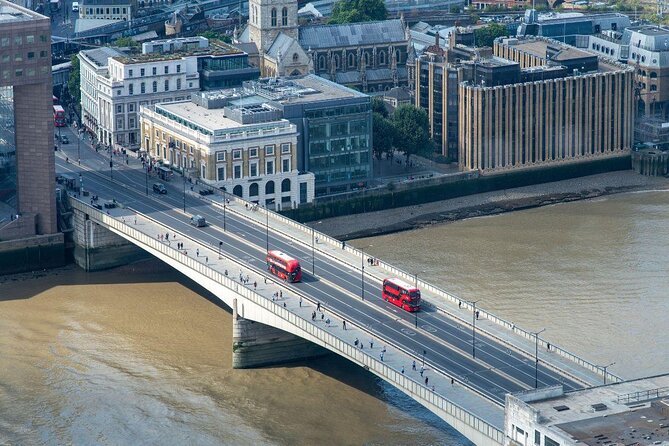
- Bridge-and-fire storytelling tying London Bridge to the Great Fire era
- Tower Bridge and Tower of London views as a strong finish point, right by Tower Hill Station
From Cheapside to Tower Hill: How the Walk Sets Up 2,000 Years
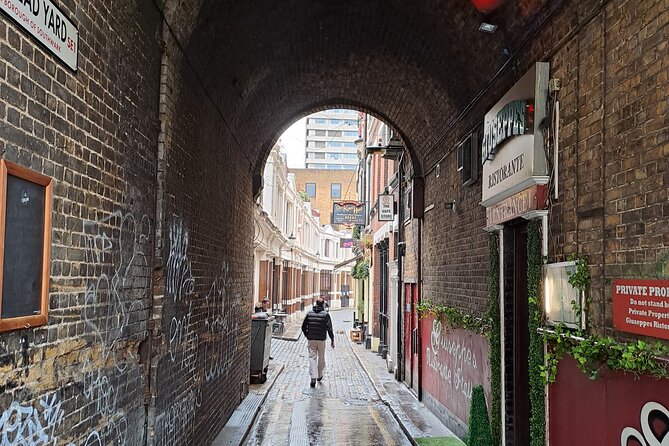
This tour works because the route gives you orientation early. You start in the St Paul’s area, where the guide talks through what you’re looking at—then the group moves outward toward the river and the older bridge zones. That matters, because London can feel like a pile of disconnected sights if you arrive with only a map and a wish.
The pacing is built for walking. Expect short stop-times (think around 10 minutes at some highlights, about 20 minutes for the market), then a lot of narration while you’re on foot. That style is ideal if you like getting answers in real time: why this street exists, what changed, and what you’re seeing from one vantage point to the next.
Also, the ending is genuinely convenient. You drop out by Tower Hill next to Tower Hill Station, with excellent lineup views of Tower Bridge and the Tower of London. That means you can keep your day moving without a long return trip across town.
You can also read our reviews of more historical tours in London

St Paul’s Area Viewpoint: Getting Oriented Before the Landmarks
The first segment is all about framing the city. From near St Paul’s, you get a lay of the land ahead—your guide sets the stage so the rest of the walk starts to click. It’s a useful approach if London’s history feels too big. You’re not memorizing dates for its own sake; you’re learning how the city’s shape and river access drove everything.
This is also where the tour’s “past and present” idea shows up. You’ll see historic anchors while the guide keeps linking them to modern streets and how people move today. Even if you’re new to London, you’ll likely leave with a clearer mental map of what areas connect and why.
If you’re the kind of traveler who likes to ask questions, this early orientation is the best time to do it. The group stays small (up to 12), so you’re not shouting over 40 people. You also get the benefit of the guide’s narration while you still have energy for the next legs of the walk.
Shakespeare’s Globe Theatre Site: Original Location Energy (Without Ticket Stress)
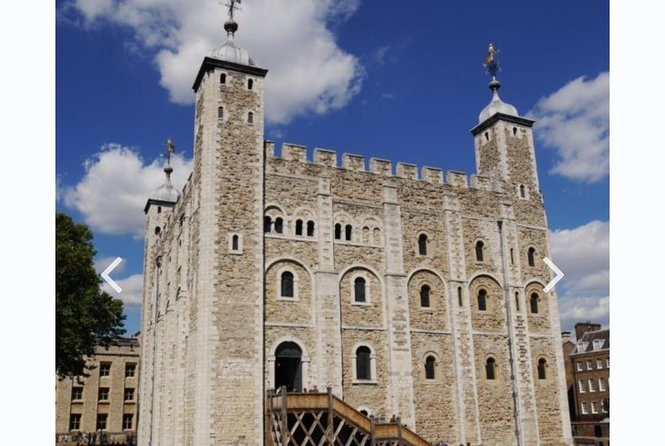
One of the most fun parts is how the tour handles Shakespeare. You visit the site of the original Globe and then walk past the newer Globe as well. That comparison is more than trivia—it shows how London preserves cultural identity while still updating the look and use of major places.
The stop is short (around 10 minutes), but that can be a plus. You get the storyline, the location context, and then you’re off toward your next major stop. For people who hate standing around waiting for others to take photos, this timing feels right.
There’s also an easy logistics win: the itinerary indicates admission is free for this stop. So you’re mostly paying in time and walking effort, not extra ticket fees.
One small consideration: this part is more about history and place than about going inside a theatre. If you’re hoping for a full performance or an in-depth theatrical tour, you’ll need to pair this with something else during your visit.
Borough Market: Oldest-Market Atmosphere and Real London Food Culture
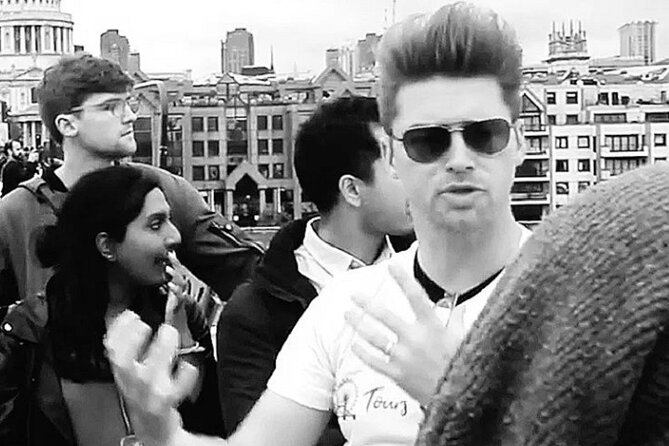
Then you shift gears—Borough Market. You get about 20 minutes here, with the guide using the area to talk about why markets matter in London’s everyday life. The tour frames it as the oldest market in London, and that helps put your surroundings in perspective fast.
This is the stop that tends to feel most like real city life. It’s not just a photo angle; it’s a working market environment. Even if you don’t buy anything, you can watch how people move, how food stalls cluster, and how Londoners and visitors share the same space.
If you do want to snack, plan to keep it simple. With a time-boxed stop, it’s better to pick one thing you’ll enjoy than to try to sample everything. Think of Borough Market as a palate cleanser between the historic walk segments, not as a full meal stop.
The itinerary again notes free admission, which makes it a low-cost way to experience London’s food culture without adding another line of spending to your day.
Leadenhall Market: An Often-Missed Street Scene with Harry Potter Connections
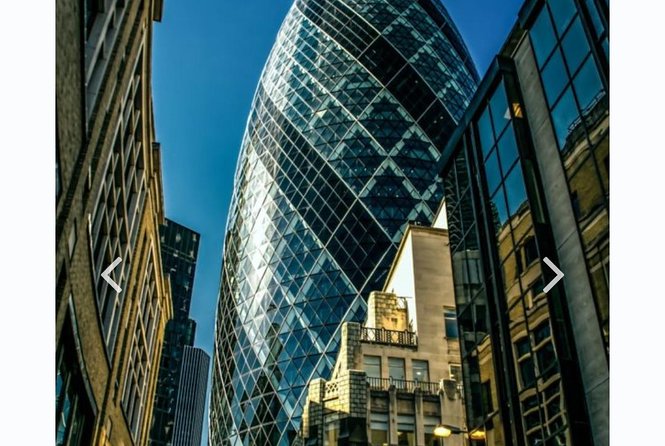
After the Borough Market segment, the walk moves toward Leadenhall Market, described as an often overlooked highlight. The key idea for most visitors is the look: old-style architecture that many people associate with Harry Potter. That connection is a big reason this stop lands well for mixed groups—serious history fans and casual pop-culture fans can both enjoy it.
You don’t get a long sit-down time here, but that’s not always a bad thing. Leadenhall Market is about atmosphere and sightlines. The guide’s role is to point out what you should notice so you don’t miss the details that make the place special.
If you’re worried about this stop feeling too themed or too secondary to “real history,” you’re in good shape. The way it’s presented on the tour keeps it tied to London’s older architectural layers and the city’s ongoing reuse of historic-looking spaces.
One practical note: because this is a walking tour with set segments, come with comfortable shoes. Market corridors and narrow lanes can feel crowded, and you’ll be moving frequently.





London Bridge and the Great Fire Story: Where the Timeline Gets Dramatic
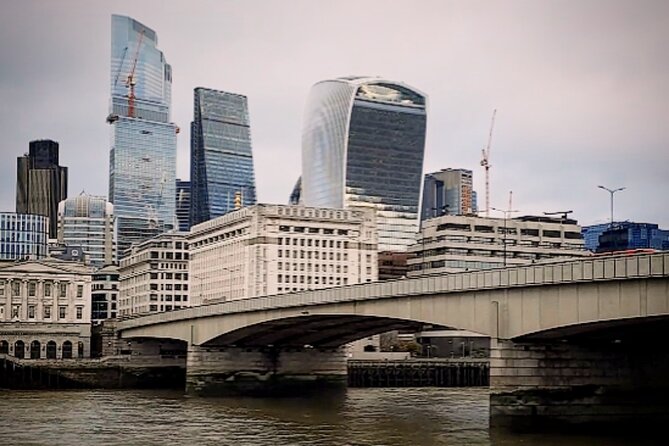
Next comes London Bridge, plus the story engine that makes it memorable. You walk the historic bridge area and hear about its past, then the guide shifts into the Great Fire of London. The tour doesn’t treat the Great Fire like a textbook bullet point; it ties it into why certain areas developed the way they did afterward.
This section is great for people who like cause-and-effect history. You get a dramatic event, then you connect it to what changed in the city’s layout and building mindset. Even during a relatively short stop, the narrative flow helps you understand why bridges and river access were so crucial.
Like the other highlights, the itinerary indicates free admission for the London Bridge segments. So you’re not paying to learn the story—you’re paying in guided time and focus, which is exactly what a walking tour does best.
Possible consideration: the Great Fire story is heavy in theme. If you prefer lighter, more purely cultural stops, you might want to balance your day with something fun afterward. But if you like history that actually explains why cities look the way they do, this part is a strong fit.
Tower Bridge Views and Tower of London Proximity: The Walk’s Strong Finale
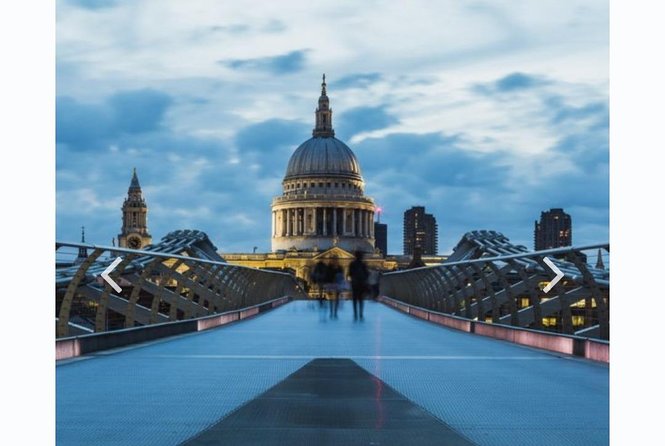
The finish is where the tour cashes in. You get views of Tower Bridge and the Tower of London, plus a short walk that extends your reach toward London Bridge, Brick Lane, and Whitechapel. That makes the ending feel like more than just arrival—it feels like you’re stepping into a broader London neighborhood loop.
This is a big win for planning. You’re ending near Tower Hill Station, so you can head to museums, neighborhoods, or dinner without forcing an extra transit detour. And because you’re seeing Tower Bridge plus the Tower of London from the outside, you’re not waiting on interior ticket schedules.
It’s also the kind of finale that works well for photos. You get the wide views that make London look like London. If you want to do a bit of free exploring after the tour, you’ll likely find yourself naturally oriented for it thanks to what the guide taught earlier.
Why This Tour Feels Personal: Chris, Questions, and Day-to-Day London
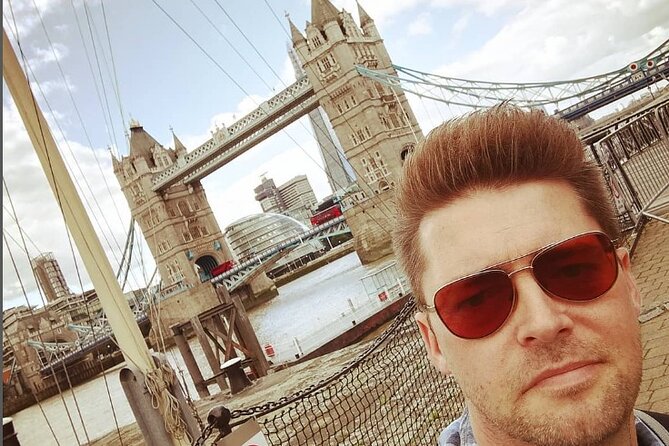
This tour’s standout quality is the guide’s delivery. People specifically praise Chris for being personable and for showing details you’d never find on your own. That lines up with how the tour is structured: you’re outside, walking through small lanes and transit-connected areas, where local context matters more than a static monument.
Chris also gets credit for practical suggestions—things like restaurant ideas and other activities while you’re in town. That kind of advice is hard to get from a guidebook, because it’s tailored to your day and your interests.
I especially like tours where the guide answers questions in the moment. With a max group size of 12, it stays manageable. You’re not waiting for the end of the tour to ask what you actually care about.
One more review-driven detail that you’ll likely enjoy: Roman wall context shows up in the narrative. Even if you don’t know what to look for at first, the guide’s pointing can make it click fast. It’s a good example of why a guided street walk can beat self-guided wandering.
Price and Practical Value: What $94.61 Buys You Here
At $94.61 per person, this isn’t a throwaway add-on. But the value comes from a few concrete things you get for that money:
- A professional guide who narrates continuously and answers questions
- A compact route that stacks multiple key areas in about 1 to 2 hours
- A small group limit (max 12), which keeps the experience more like a shared conversation than a lecture
- Stops that, per the itinerary notes, include free admission at several highlights like the Globe site, Borough Market, and the London Bridge segments
If you’d otherwise spend the same time jumping between landmarks solo, you’ll likely spend extra energy figuring out what matters. Here, the guide does the sorting. You’re not just seeing famous names—you’re getting why they’re connected.
Is it worth it for every traveler? Not automatically. If your main goal is big museum interiors or long paid entry times, you may find a different type of tour better matches your expectations. But if you want street-level context and a clean route through famous-and-not-so-famous areas, it’s priced in a way that can make sense.
Who This Tour Suits Best (And Who Might Prefer Something Different)
This tour is a strong match for history fans who want context and a bit of pace. It’s also a good fit if you like markets and bridges, and you want the day to feel like a lived-in walk through London rather than a checklist.
It’s especially suitable if you’re traveling with mixed interests. One part is Shakespeare-linked, another is market-centered, another is architecture tied to Harry Potter impressions, and the ending hits big skyline views. That variety keeps things moving without feeling random.
On the other hand, you might want to pick something else if you expect frequent long stops or a heavy focus on entering major attractions. This one is about the walk, the narration, and the locations as you pass through and pause briefly.
Should You Book the London Past & Present Backstreet Historical Tour?
Book it if you want a smart, guided route that connects famous landmarks and everyday London spaces in about 1 to 2 hours. You’ll likely appreciate the small-group size, the guide-led narration, and the focus on real street-level “how London became London.”
Skip it (or compare alternatives) if you’re seeking mostly indoor admissions, long museum time, or a schedule built around staying parked at one attraction. This tour is about movement, orientation, and story—not about sitting in one place all day.
My quick “go/no-go” rule: if you enjoy walking with a local who points things out and keeps the timeline understandable, you’ll probably feel like it was time well spent.
FAQ
How long is the London Past & Present Backstreet Historical Tour?
The tour is listed as lasting about 1 to 2 hours.
Where does the tour start and end?
It starts at 1 Cheapside, London EC2V 6AA, UK, and ends by Tower Hill, London EC3N, UK, next to Tower Hill Station near the Tower of London.
What is included in the tour price?
The included item is a tour guide. Gratuity is not included.
Is admission required for the stops?
The itinerary notes Admission Ticket Free for the Globe site, Borough Market, and the London Bridge stop times. The tour is primarily a walking and viewing experience at the later landmarks.
What is the maximum group size?
The tour has a maximum of 12 travelers.
Can I get a full refund if I cancel?
Yes. You can cancel up to 24 hours in advance for a full refund.
If you want, tell me your travel dates and whether you prefer more history or more food/photos, and I’ll help you decide if this is the right fit for your London day.