REVIEW · LONDON
London Street Art Tour of the East End Exclusive Walking Tour
Book on Viator →Operated by Babylon Tours London · Bookable on Viator
London’s street art has a story. This exclusive East End walking tour connects the murals and stencils you see on walls with the neighborhood shifts that put Shoreditch and Brick Lane on the map. You’ll also get a strong dose of London flavor beyond the usual highlights, with free stops where you can pause, look up, and understand what changed.
Two things I especially like about this tour are the relaxed pace (you’re not rushed through photos) and the guide’s ability to make East London history feel relevant instead of like a lecture. If you’re lucky enough to get a guide such as Becky L. or Ivo, you can expect street art to be explained with local context in a way that clicks fast.
One possible drawback: it’s still a walking tour. You’ll cover multiple areas around Shoreditch, Spitalfields, and Whitechapel, so comfortable shoes matter, and a few sights may be outside-only due to security rules.
Key highlights at a glance
- Real East End context tying Shoreditch street art to the area’s working-class past
- Banksy and Shepard Fairey style spotting as you walk Brick Lane and nearby streets
- Market stops built in so you get shopping-and-snacking atmosphere, not just murals
- A rare 17th-century pause at Artillery Passage’s narrow lanes and courtyards
- A Jack the Ripper stop in Whitechapel that adds edge without turning it into scary theater
In This Review
- Why East End Street Art Feels Different With a Guide
- Meeting Points, Start Times, and Where the Walk Ends
- The East End Walking Stretch: Shoreditch and Brick Lane With Stories Attached
- The East End’s shift from danger and poverty to hip and artistic
- Cockney rhyming slang and the sound of the neighborhood
- Banksy and Shepard Fairey references (and why they matter)
- A guided pace that leaves room for looking
- Petticoat Lane Market: 400 Years of Market Energy in One Stop
- Artillery Passage: A Narrow-Lane Snap Back to 17th-Century London
- Old Spitalfields Market: Victorian Hall, Refurbished for Today
- Whitechapel and the Jack the Ripper Connection
- Brick Lane to Shoreditch High Street: The End Where You Can Keep Going
- Price and Value: Is $62.54 Worth It?
- What to Bring: Shoes, Weather, and Photo-Friendly Thinking
- Who This East End Street Art Tour Fits Best
- Should You Book This Tour?
- FAQ
- FAQ
- How long is the London Street Art Tour of the East End?
- What time does the tour start?
- Where do I meet the guide, and where does the tour end?
- Is the tour private?
- Is the tour offered in English?
- Do I need to pay for admissions at the stops?
- Does the tour run in bad weather?
- What should I bring for the walk?
- Are bags allowed?
- What happens if I need to cancel?
Why East End Street Art Feels Different With a Guide
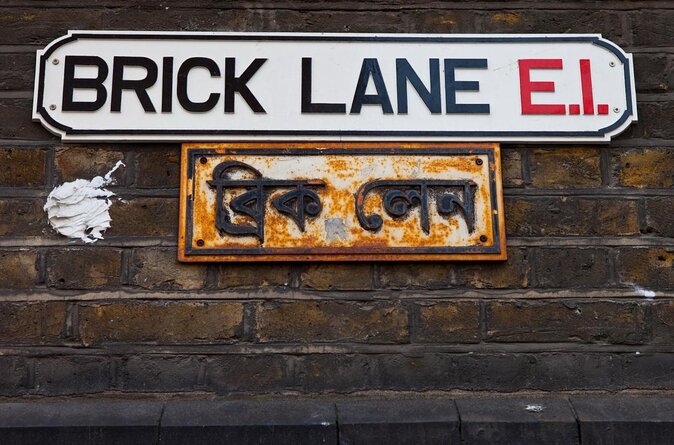
London street art can look like pure style at first. This tour nudges you to see the why behind it. You’ll walk through Shoreditch and Brick Lane with a running story about how the East End has changed, from gang-era fear to today’s fashion-and-art identity.
The big advantage is that you’re not only chasing famous names on walls. You learn how the neighborhood’s reputation evolved, including the shift from working-class streets to trendy pockets known for cutting-edge fashion and art. That context helps you understand why the art looks the way it does and why artists keep choosing these streets.
Another plus: you get a focused route that goes beyond the surface. You’ll cover markets and historic corners that most people skip when they only do a photo scavenger hunt.
Meeting Points, Start Times, and Where the Walk Ends
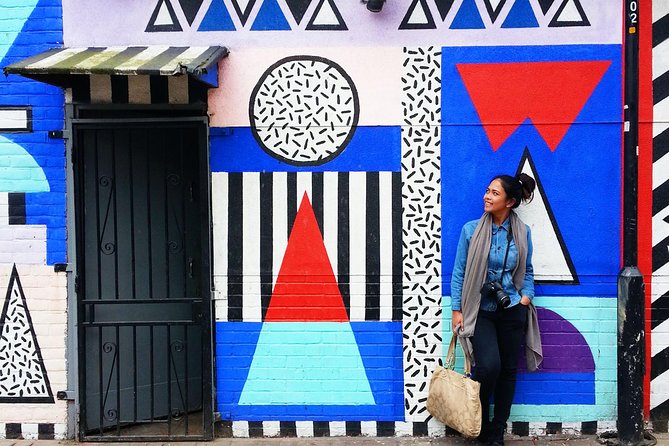
This tour runs in English and typically starts 10am or 2pm, with about 2.5 hours on foot. You’ll finish near Shoreditch High Street Station, which is a handy drop-off if you’re continuing on to dinner or another stop in the area.
Your start point can be one of two nearby locations, depending on your confirmation:
- the Kindertransport statue at Liverpool Street Station
- the Goat Statue on Brushfield Street
Either way, you’ll be near public transportation, which makes it easy to plug into a day plan without stress.
Do note the practical rule: no large bags or suitcases. If you’re traveling light (daypack), you’ll be set.
You can also read our reviews of more walking tours in London



The East End Walking Stretch: Shoreditch and Brick Lane With Stories Attached
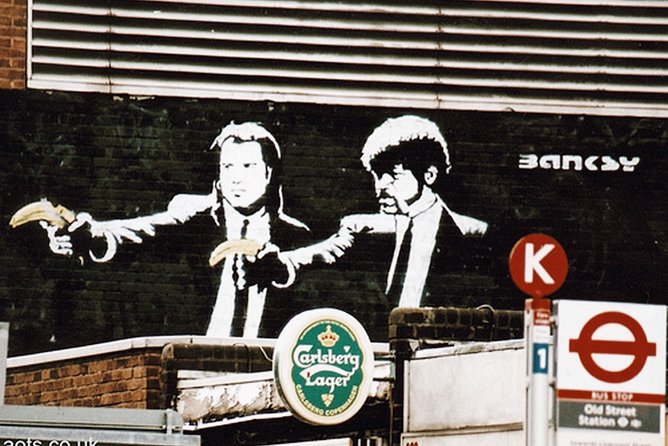
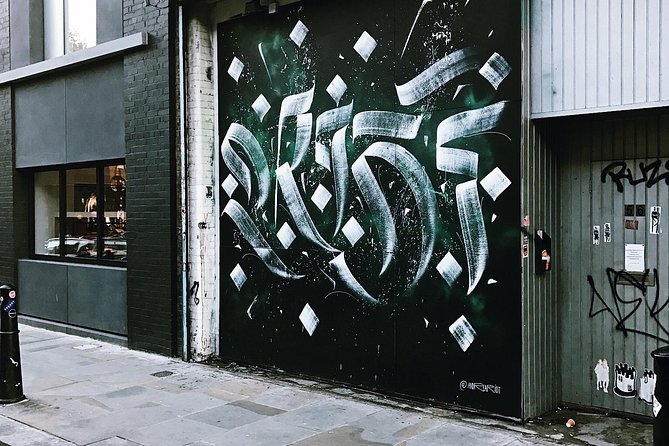
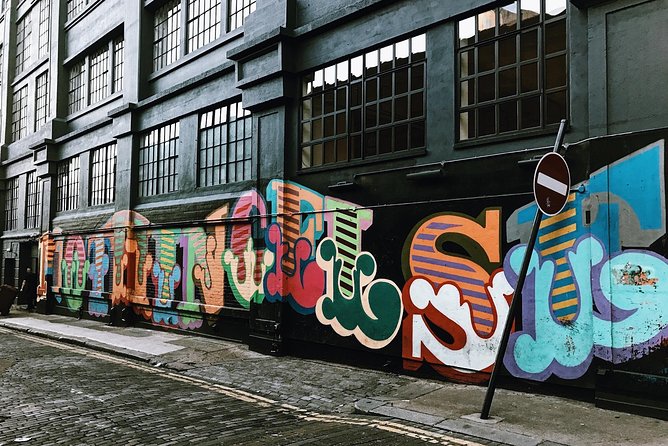
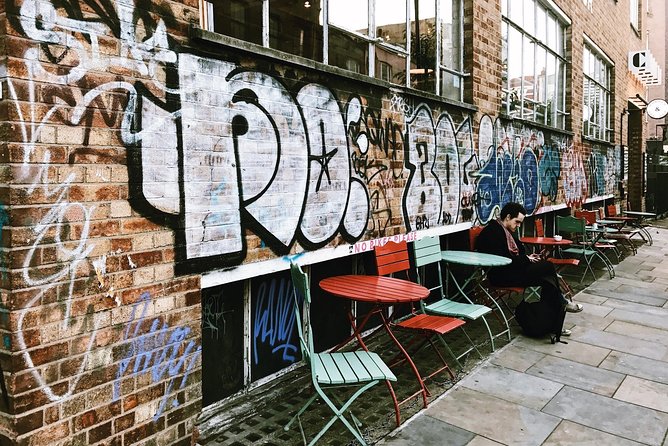
The heart of the tour is the walking section through Shoreditch and Brick Lane, where street art is everywhere. Expect to spot different styles—stencils and artwork you can photograph as you go—alongside everyday storefront life like curry houses and vintage clothing shops.
Here’s what the guide adds that you’d miss on your own:
The East End’s shift from danger and poverty to hip and artistic
You’ll hear how Shoreditch and the wider East End moved from working-class roots into a reputation for creativity. The story includes the era when the East End was shaped by the Kray gangsters, along with references to old-school food spots like pie shops and jellied eel stands.
Even if those details are not your personal travel obsession, the payoff is how you start noticing the layers. You realize the murals aren’t random decoration. They’re part of a long conversation between place, people, and changing identity.
Cockney rhyming slang and the sound of the neighborhood
You’ll also get a quick explanation of the origins of Cockney rhyming slang. It’s the kind of detail that makes the East End feel more specific and real, especially if you’ve heard phrases in films or old recordings and wondered where they came from.
Banksy and Shepard Fairey references (and why they matter)
As you walk, you’ll be pointed toward street art from famous names such as Banksy and Shepard Fairey. The value isn’t just spotting them—it’s learning the lens your guide uses to interpret the art. You’ll connect what you see to the city’s broader attitude toward protest, identity, and who gets heard.
You can also read our reviews of more tours and experiences in London






A guided pace that leaves room for looking
A theme in the strongest feedback about this tour is the easy, relaxed pace. That matters because street art can be subtle. If you’re moving too fast, you only see the big pieces. With this pace, you get time for the smaller ones too, and your photos come out better.
Petticoat Lane Market: 400 Years of Market Energy in One Stop
After the initial East End streets, you head to Petticoat Lane Market. This is a classic London stop, but it’s more than a shopping detour.
You’ll learn that the market traces back over 400 years to the French Huguenots, who originally sold petticoats and lace. Today, you’ll mostly see clothing for men, women, and children.
This stop works well for two reasons:
- It breaks up the street-art-heavy rhythm.
- It gives you a sense of how the East End stays practical, not only artistic.
If you like browsing but hate being herded, this is the kind of market moment where you can look, wander a bit, and still get back with your guide’s route intact.
Artillery Passage: A Narrow-Lane Snap Back to 17th-Century London
Next comes Artillery Passage, one of those places you walk through and suddenly realize London still has pockets that feel untouched by the modern rush.
You’ll get a glimpse into 17th-century London through conservation-minded streetscapes—narrow lanes, passages, and courtyards. The modern city has grown around it, but the area still offers that rare feeling of stepping into an older inner-city pattern.
This is a short stop, but it’s valuable. It gives you a pause between the art and the more dramatic crime-story stops later. It also helps you understand why street art finds so many walls here: these passages and small spaces encourage visual messages.
Old Spitalfields Market: Victorian Hall, Refurbished for Today
You’ll then explore Old Spitalfields Market, described as one of the finest surviving Victorian market halls in London. It dates to the 1800s and was refurbished in the early 2000s.
What I like about this stop is the mix: you’re not just looking at architecture. You’re entering a space now used for shopping, eating, and drinking. That blend helps you picture how this part of the city keeps functioning rather than becoming a museum corridor.
It’s also a good spot to reset if the walking has your legs thinking unpleasant thoughts. Even if you don’t buy anything, you’ll get that “London does markets differently” feeling fast.
Whitechapel and the Jack the Ripper Connection
Then you’ll walk through Whitechapel, tied to the late 1880s Whitechapel Murders and the story of Jack the Ripper.
This doesn’t need to turn into a scary walk-through. The practical value is how it deepens the East End context you’ve been building. Earlier, you hear about gangs and neighborhood change. Here, you get a darker, more historical landmark that shaped how the area is remembered.
If you’re a fan of urban history, it adds weight. If you’re not, you can still enjoy it as an interpretive stop: the guide helps you see why certain stories cling to particular streets and buildings.
Brick Lane to Shoreditch High Street: The End Where You Can Keep Going
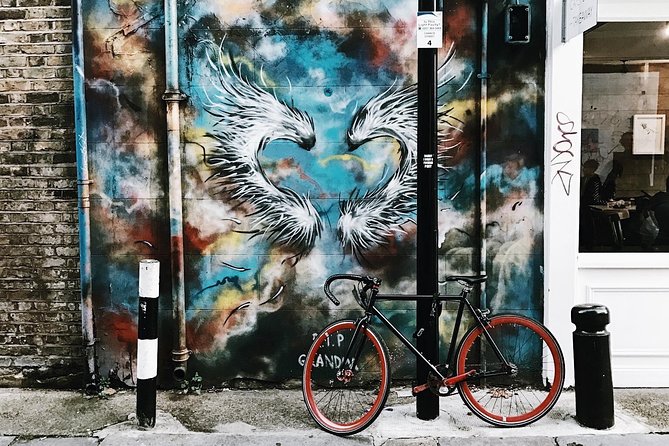
You’ll come back through the Brick Lane stretch and the area’s creative backbone. Brick Lane runs from Bethnal Green through Spitalfields all the way toward Whitechapel, and it’s known for a mix of breweries, markets, and an active art community.
Along the way, your focus stays on the street art. You’ll see how the murals and stencils sit in the same visual environment as curry houses, vintage clothing, and everyday street life.
From there, you’ll walk along Shoreditch High Street, the old main street of Shoreditch. It’s a good finish because it places you near where you can pivot to your own plan—bars, authentic restaurants, and the general energy of the area.
The tour ends around Shoreditch High Street Station, which is convenient for getting back to your hotel or heading to another part of the city.
Price and Value: Is $62.54 Worth It?
At $62.54 per person, this isn’t a free walk in a park. But it also isn’t priced like a museum private tour. For the value, you should think in terms of time, expertise, and coverage.
You’re getting:
- about 2.5 hours of guided walking across multiple East End neighborhoods
- a private guide (if you choose the exclusive option rather than any semi-private variation)
- a route that mixes street art with markets and history-based stops
The “exclusive” part is key. If your group wants attention on your questions—why a particular piece is placed where it is, or how the neighborhood shift connects to the art—having the guide with you matters more than just reading a blog after the fact.
Also, the stops are largely free to enter, which keeps the cost from creeping upward with admissions. So the price mainly pays for interpretation, not ticket fees.
One more value note: this tour is booked about 32 days in advance on average. That’s a hint that it’s popular, especially for people who want a structured East End plan without spending their vacation hours mapping it themselves.
What to Bring: Shoes, Weather, and Photo-Friendly Thinking
The tour runs rain or shine, so plan like a Londoner. Bring:
- comfortable shoes (you’ll be walking)
- a bottle of water
- an umbrella if rain is in the forecast
- a hat in summer
For photos, wear something with pockets or a small crossbody you can manage comfortably. You’ll be stopping and looking up, and fumbling with gear slows the flow.
Also, a practical heads-up: some places can’t be visited from the inside due to security measures. That means you should think of the tour as primarily street-level viewing and passage-walking, not sightseeing inside famous buildings.
Who This East End Street Art Tour Fits Best
This is a good match if you:
- want street art with context, not only photo ops
- like combining modern culture with neighborhood history
- enjoy markets as part of your travel day, not as an afterthought
- prefer a relaxed, guide-led pace so you can actually look
It also works well for first-time London visitors who want one area done properly. Instead of jumping across half the city, you get a concentrated look at how East London evolved—Shoreditch, Brick Lane, Spitalfields, Whitechapel—within one guided loop.
If you’re traveling with a group that can walk a moderate amount, the private guide format is especially satisfying because you can ask questions as you go. And if you’re a couple or solo traveler, you still get the benefit of a guide’s route and interpretation without the need to plan every turn.
Should You Book This Tour?
Book it if you want East End street art with meaning. This tour does a nice job of connecting what you see—Banksy and Shepard Fairey-style work, plus the broader street-art scene—to why this area became a magnet for artists. The market stops and the older-city passages also keep the day from becoming only one note.
Skip it only if you truly hate walking or if you expect mostly indoor attractions. This is outdoors-heavy and street-level by design.
If your travel style is part history, part art, and part wandering on purpose, this is a solid buy for your time in London.
FAQ
FAQ
How long is the London Street Art Tour of the East End?
It runs for about 2.5 hours.
What time does the tour start?
There are start times at 10am or 2pm, depending on the booking.
Where do I meet the guide, and where does the tour end?
You’ll meet near central East London (either by the Kindertransport statue at Liverpool Street Station or the Goat Statue on Brushfield Street, depending on your confirmation). The tour ends near Shoreditch High Street Station.
Is the tour private?
It is a private tour/activity, with your group participating. The guide being exclusively for you applies to the private option and may not apply if you choose a semi-private option.
Is the tour offered in English?
Yes, it is offered in English.
Do I need to pay for admissions at the stops?
Admission tickets are listed as free for the stops mentioned, and the tour includes the guided walking component.
Does the tour run in bad weather?
Yes, it runs rain or shine. Dress appropriately for the weather.
What should I bring for the walk?
Wear comfortable shoes. It’s also recommended to bring a bottle of water and an umbrella in case of rain, plus a hat in summer.
Are bags allowed?
No large bags or suitcases are allowed on this tour.
What happens if I need to cancel?
You can cancel for a full refund if you cancel at least 24 hours before the experience’s start time. If you cancel less than 24 hours before, the amount paid is not refunded.