REVIEW · LONDON
London Tate Modern Museum – Guided Tour 8 guests 2,5h
Book on GetYourGuide →Operated by Babylon Tours London · Bookable on GetYourGuide
Modern art gets clearer fast. This London Tate Modern guided tour pairs a professional art historian with a practical walk-through of major 19th- and 20th-century movements. I like that it turns big names into a storyline you can follow, without you needing an art degree before you arrive.
My favorite part is the way the guide connects the why behind the art. You’ll move from Mondrian-style order to the emotional punch of abstract works, with stops tied to major artists like Picasso, Dali, Monet, Rothko, Warhol, and Duchamp’s Fountain.
One thing to plan for: there’s a small amount of walking, and the museum security rules mean no large bags. If you’re bringing bulky luggage or need lots of gear with you, this setup can feel awkward.
In This Review
- Key highlights you’ll actually feel on the day
- Why this 2.5-hour Tate Modern format is smart
- The art historian guide: what you gain beyond the label text
- The modern art timeline you’ll follow through Tate Modern
- Mondrian’s lines and squares: when simplicity becomes the big message
- Picasso and Dali during the Spanish Civil War era
- Monet and the Impressionists: fast-forward from atmosphere to impact
- Rothko’s abstraction: feeling the argument, not just seeing it
- Warhol and pop art: why Marilyn Monroe is more than a celebrity image
- Duchamp’s Fountain: the moment you’re allowed to disagree
- Don’t skip the Buckingham Palace timed entry step
- Price and value: what you’re really paying for
- The “plan around this” checklist for a smooth visit
- Keep your bag small
- Bring valid photo ID
- Expect some walking
- Dress appropriately for entry into some sites
- Museum closures can happen
- Meeting point can change
- Who should book this Tate Modern + Buckingham Palace combo
- Should you book this tour?
Key highlights you’ll actually feel on the day
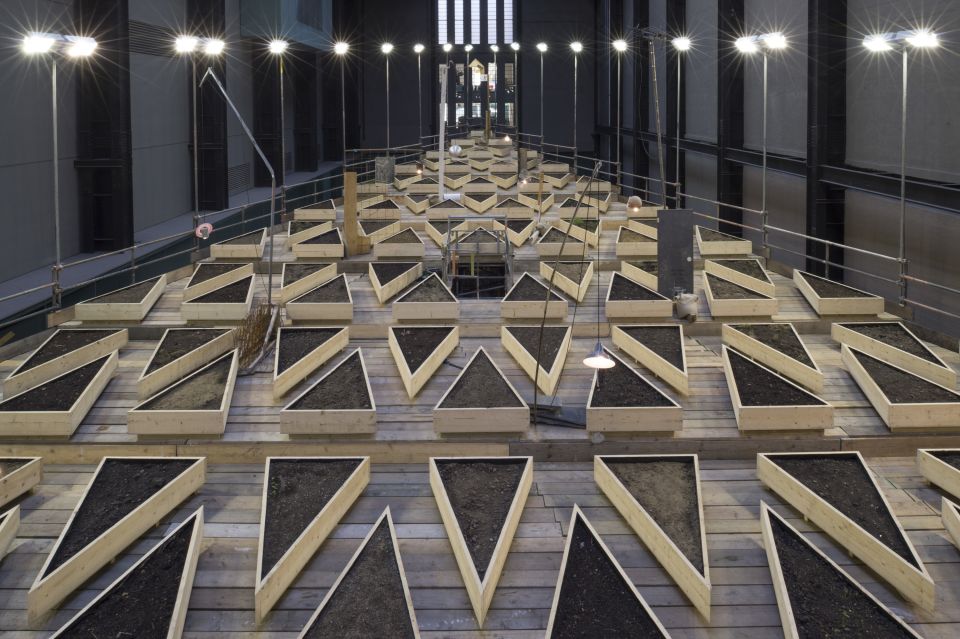
- An art historian guide in English who explains context, not just facts
- Skip the ticket line, so you start looking at art sooner
- A movement-to-movement storyline from Impressionism to pop art to abstraction
- Concrete anchors like Mondrian’s lines and squares, Rothko, and Duchamp’s Fountain
- Timed entry to Buckingham Palace after the tour to keep your schedule smooth
- Small group size (maximum 8 people) for a more personal pace
Why this 2.5-hour Tate Modern format is smart
Two and a half hours is the sweet spot for Tate Modern if you’re short on time but still want the good stuff. The museum is huge, and modern art can feel like a lot of visual noise if you’re going room to room on your own. With a guided structure, you spend your time where the concepts connect best.
You’ll also appreciate the pacing. This tour is designed as a walk through multiple galleries, so you’re not stuck for too long in one corner trying to decode a single painting. The payoff is big: you leave with a framework for how different movements influenced each other, instead of only remembering names.
There’s also a practical benefit to the group size. You’re traveling with a small group (up to 8 people), which usually makes it easier to ask questions and keep your bearings as you move.
You can also read our reviews of more guided tours in London



The art historian guide: what you gain beyond the label text
A museum label tells you who painted something. An art historian guide helps you understand why it matters. That’s the real value here: you get live interpretation tied to major artists and the movements that shaped modern art.
You’ll see this tour jump between styles with purpose. For example, it’s not only about recognizing Picasso or Monet. It’s about learning how the “rules” changed—what artists broke, what they tried instead, and why later artists reacted to those choices. That’s what makes the tour feel like more than a fast pass.
One guide name that comes up in feedback is Becky, and the praise points to the same theme: lively, engaging explanations that keep modern art moving from confusing to meaningful. If your guide has that same energy, the tour becomes way more fun than you’d expect.
The modern art timeline you’ll follow through Tate Modern
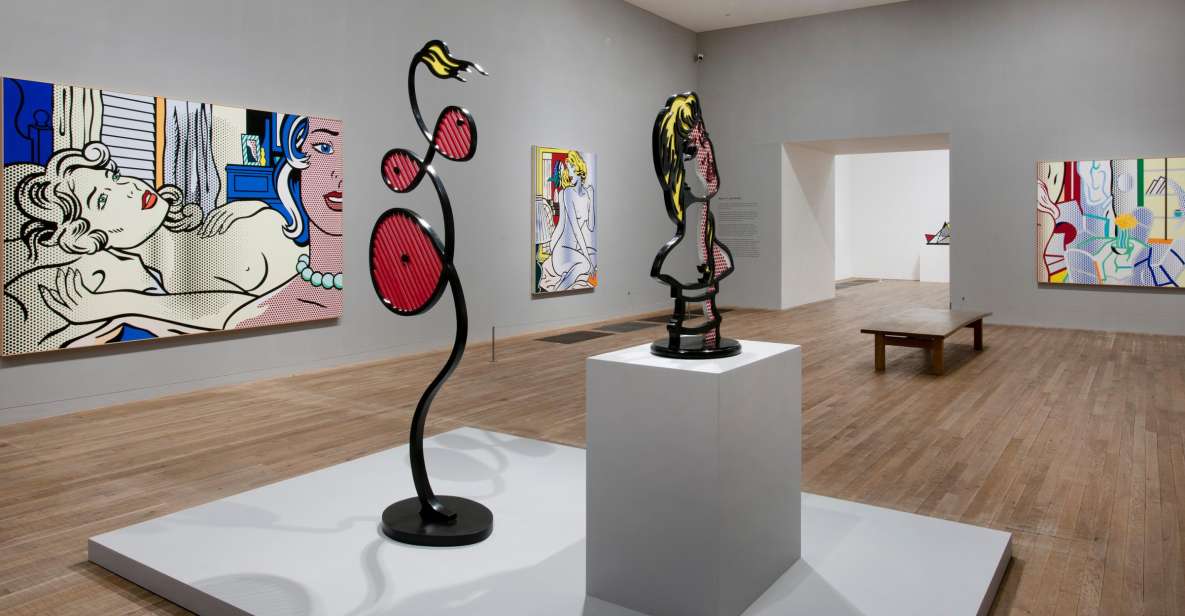
This tour is built around a guided tour of the Tate Modern’s galleries with a focus on the artwork of the 19th and 20th centuries. What you’ll see isn’t presented like a random list. Instead, you get a timeline of ideas—useful when you want to understand how artists learned from the past and then shattered it.
Mondrian’s lines and squares: when simplicity becomes the big message
Mondrian is a perfect example of why a guide matters. You might look at his grid-like compositions and think, okay, it’s just lines. The tour approach reframes it: you learn how his exacting style baffled other artists and why “simple” didn’t mean “easy.” You also pick up how that kind of structure influenced later thinking about form and modern design.
Picasso and Dali during the Spanish Civil War era
You’ll also revisit major favorites tied to the Spanish Civil War, including Picasso and Dali. This is one of those moments where history stops being background noise and starts shaping the artwork itself. You don’t just see the result; you learn what was happening around the artists and why their output during that period carries extra emotional weight.
You can also read our reviews of more museum experiences in London





Monet and the Impressionists: fast-forward from atmosphere to impact
Then the tour introduces Impressionism through Claude Monet. This matters because Impressionism is often misunderstood as just “pretty light.” With a guide, you get the angle of influence—how this movement changed expectations about realism, color, and the visible world.
Even if you’ve seen Monet before, the tour helps you see Impressionism as a turning point. It’s not a final stop. It’s one step in the chain that leads toward more radical approaches later in the century.
Rothko’s abstraction: feeling the argument, not just seeing it
Abstract-expressionism can feel like a wall of color if you’re not sure what to look for. That’s why the tour includes Mark Rothko. His work is a great anchor because it still communicates emotion and presence. With a guide’s explanation, you start paying attention to how the colors relate to you, not only to the painting.
Warhol and pop art: why Marilyn Monroe is more than a celebrity image
Pop art can sound shallow until you learn what artists were doing with fame and mass media. This tour spotlights Andy Warhol, including the famous Marilyn Monroe reference. The point isn’t celebrity gossip. It’s how Warhol treated popular culture as serious subject matter—and why that was a bold move at the time.
Once you understand that logic, other pop art elements start to make sense too.
Duchamp’s Fountain: the moment you’re allowed to disagree
And yes, you’ll end up around Duchamp’s Fountain, where you basically get permission to argue with the whole idea of art. You’ll debate the merits of the work, and that’s not a gimmick. It’s a key part of understanding modern art’s bigger challenge: it’s not only about skill. It’s about intent, context, and what counts as art.
If you like thinking on your feet, this stop is often where the tour becomes memorable.
Don’t skip the Buckingham Palace timed entry step
What makes this package especially practical is that it doesn’t just end at Tate Modern. You get timed entry to Buckingham Palace after your guided tour. That’s a real advantage in London, where waiting in the wrong line can eat your afternoon.
You’ll go from modern art concepts to one of the city’s most recognizable landmarks without wasting half a day in transit or queueing. It’s a smoother plan than pairing two separate activities on your own and hoping the timing works out.
Price and value: what you’re really paying for
At $112 per person, this tour isn’t the cheapest way to visit Tate Modern. But you’re paying for several things that add up:
- A professional art historian guide (live interpretation, not self-guided browsing)
- Skip the ticket line at Tate Modern
- A guided, structured experience focused on major works and movements
- Timed entry to Buckingham Palace after the tour
Not included matters too. The price doesn’t cover food and drinks, and it also doesn’t include temporary exhibits. So if you’re expecting a full-day pass that includes everything under the museum sun, you’ll want to adjust expectations.
For many people, the value comes from the “guided connections” piece. If modern art feels intimidating, the guide can turn your visit into something you genuinely understand. That’s hard to measure on paper, but easy to feel once you walk out of the museum.
The “plan around this” checklist for a smooth visit
A few practical points can make or break your day, so I’d sort these out before you go.
Keep your bag small
No luggage or large bags are allowed inside the museum. Only handbags or small thin bag packs go through security. If you’re used to traveling light, you’re fine. If you packed like you’re moving houses, you’ll need a different strategy.
Bring valid photo ID
You should bring a passport or ID card. Photo ID is required.
Expect some walking
There’s a small amount of walking involved. If you have mobility limits, this matters. Also, wheelchair-friendly tours are mentioned as available upon request, but the tour notes that it’s not suitable for wheelchair users. If you need wheelchair access, contact the operator ahead of time and ask specifically for the wheelchair-friendly option.
Dress appropriately for entry into some sites
Some sites on this tour require appropriate dress. London is usually casual, but it’s smart to avoid anything too extreme.
Museum closures can happen
Tate Modern and other London attractions can have occasional closures without warning. If a closure delays the opening by more than 1 hour from the tour starting time, an alternative is provided, but refunds aren’t possible in these cases. That’s worth knowing if your schedule is tight.
Meeting point can change
The meeting point may vary depending on the option you book, so check your specific confirmation details.
Who should book this Tate Modern + Buckingham Palace combo
This is a strong fit if:
- You’re seeing Tate Modern for the first time and want the art explained in clear, connected terms
- You like major names and want to understand how movements influenced each other
- You want to keep your schedule efficient with timed entry at Buckingham Palace
- You prefer a small group pace (up to 8 people) instead of a huge crowd
It’s less ideal if:
- You can’t manage the museum’s bag rules or the small amount of walking
- You need a guaranteed wheelchair-friendly format (you’ll have to request it, and standard info says it’s not suitable)
- You’re only interested in temporary exhibits, since those aren’t included
Should you book this tour?
I’d book it if you want modern art to feel understandable and not just visually impressive. The combination of a guided art historian experience, skip-the-line convenience, and timed entry to Buckingham Palace is a practical value mix.
Skip it only if you’re truly comfortable wandering Tate Modern solo and you don’t care about the movement connections. Otherwise, this format is built to help you leave with more than a photo set.
If you do book, pack small, bring your photo ID, and wear shoes you’re happy to walk in. Then enjoy the fun part: watching the tour turn famous paintings and arguments into something you can actually follow.