REVIEW · LONDON
London Tootbus Hop on Hop off Bus Tour and Thames River Cruise
Book on Viator →Operated by Tootbus · Bookable on Viator
A double-decker bus is the quickest way to orient. With Tootbus, you can cover major sights without wasting time figuring out routes, then hop off when you want. I especially like the real-time app tracking and the freedom to choose what to see up close.
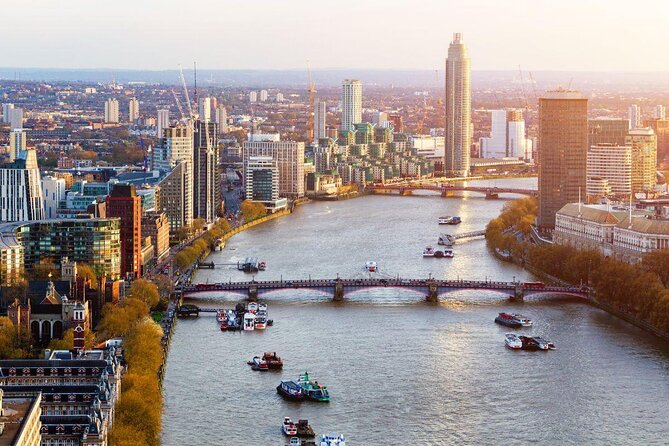
The other big win for me is the pairing with a Thames River cruise. You get a second angle on the city, plus onboard narration that helps you connect landmarks you just passed from the street.
One thing to watch: bus service can slow down when traffic hits or when crowds surge at stops. That can mean longer waits than you hope for, which matters if you’re timing entry tickets for nearby attractions.
In This Review
- Key things to know before you ride
- Price and what you actually get for $53.74
- How the hop-on hop-off pass works in real life
- Westminster and the Parliament zone: seeing power without getting lost
- The City core: from St Paul’s to the river edges
- Tower of London and the Thames: where the cruise fits best
- West End and South Kensington energy: portraits, shopping, and pacing
- Bayswater, Paddington, Oxford Street: the transit chain you’ll love
- Oxford-to-Victoria and then north: using rail hubs as sightseeing shortcuts
- The audio experience: where it helps and where it can frustrate
- Using the stops strategically: a simple way to plan your day
- Comfort, staff, and the human side of the trip
- So is it worth it? My value verdict
- Should you book Tootbus and the Thames cruise?
- FAQ
- How long is the London Tootbus Hop on Hop off bus tour plus Thames cruise?
- Where does the tour take place?
- What language is the audio commentary available in?
- Is this a hop-on hop-off style tour?
- Can I track buses and find stops in real time?
- Does the Thames River cruise ticket work only on the same day?
- Is food and drink included?
- Is there a restroom onboard the bus?
- Are service animals allowed?
- Is there free cancellation?
Key things to know before you ride
- Three distinct hop-on routes so you can target areas instead of committing to one fixed loop
- App stop tracking that helps you locate the closest boarding point in real time
- Thames cruise ticket matches your bus pass dates, so you’re not scrambling to fit it in
- Audio commentary for adults and separate children’s audio, so everyone hears the plan
- Major landmarks line up with convenient stops, from Trafalgar Square to St Paul’s and the Tower area
Price and what you actually get for $53.74
At about $53.74 per person, this tour isn’t just a ride. It’s a hop-on hop-off bus pass plus a Thames River cruise ticket valid for the same period as your bus ticket. That combo is what makes it feel like value, especially if you’re doing London for the first time and want the big hits in a short window.
You also get a practical style of sightseeing: sit, watch, listen, then step out to explore. If you do London in two days, you’re not locked into one day’s worth of wandering. Even though the ride time is listed as about two hours, the real benefit is stretching it across your schedule using hop-on hop-off flexibility.
The main trade-off is that you’re still depending on London traffic. When that slows buses, your “fast orientation” can turn into a waiting game, so build in buffer time around busy stops.
You can also read our reviews of more boat tours in London



How the hop-on hop-off pass works in real life
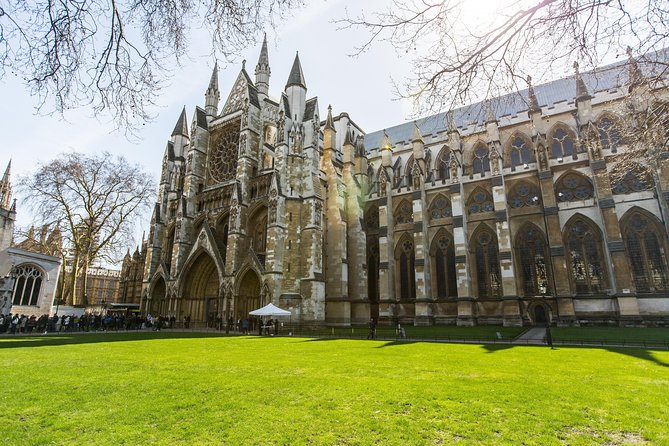
You redeem your mobile ticket by boarding at designated stops across central London. Once you’re on, you can stay seated for long stretches for panoramic views from the open-top deck, or you can hop off and take your time with neighborhoods.
This style works best when you treat the bus like your moving hub. I like to think of it as a free bus-transport layer over your day. You’re not trying to watch everything from the top deck; you’re using the route to choose what’s worth walking to next.
The tour also includes a bonus plan: you can hop off to join a city walking tour or take the Thames sightseeing cruise. That means your pass can turn into either “more walking” or “more views from water,” depending on your mood.
Westminster and the Parliament zone: seeing power without getting lost
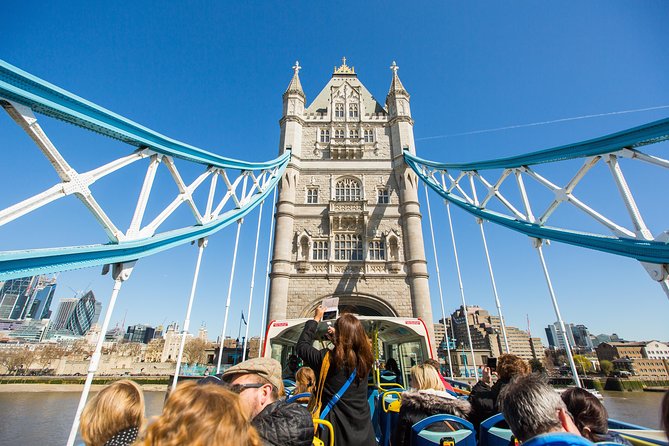
Your loop through the Westminster area is the part that makes the bus worth it versus walking. You can get those iconic views quickly, then decide how long to linger.
A common starting point is Coventry St (in front of Shake Shack). From there, you roll toward Pall Mall East and Trafalgar Square, a natural first stop because it anchors so many central sights. Trafalgar Square itself is the sort of place you can quickly orient around, then branch off toward Whitehall or the river.
Next up are stops around Whitehall and Craig’s Court. This is where you’ll see the government streets that look busy from the sidewalk and even busier from inside a moving double-decker. If you hop off here, you’ll be positioned for a compact walk rather than a long trek.
You’ll also pass Banqueting House, a quieter-feeling historical stop compared with the louder square areas. If you’re the type who likes a quick pause instead of a full attraction detour, hopping off for photos and stretching your legs works well here.
Then comes Parliament Street near Westminster Station, plus views toward Westminster Pier and the London Eye area. Even if you don’t go inside, these are “spot you in ten minutes” moments. You’re standing on sightlines you’d spend longer reaching on foot.
The City core: from St Paul’s to the river edges
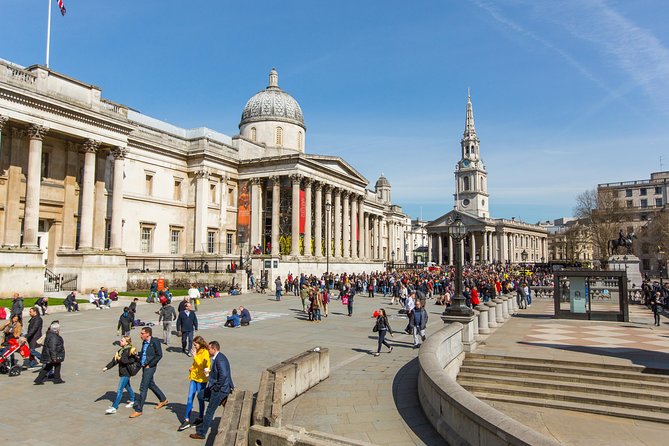
The route shifts east toward the area where London feels dense and grand all at once. Stops like St Paul’s Cathedral are the kind of landmark you can spot from blocks away, and the bus makes it easy to catch the best angles without jockeying for position on a busy sidewalk.
You’ll also hit the London Bridge area and the Tooley Street stop near the river. This side of the river is useful if your plan includes lunch near one spot and sightseeing near another. You can hop off, walk a loop, then back on without committing to a long river-crossing.
Another great stop in this region is Temple (via Victoria Embankment). It’s close enough to major sights to feel central, but the walking pace there tends to be more tolerable than the busiest square-to-square corridors. If you want a “slow down” break, this is a good moment to do it.
The big practical point: this portion of the route lets you stitch together multiple photo targets and short walks. Instead of choosing one neighborhood all day, the bus helps you sample a few.
Tower of London and the Thames: where the cruise fits best
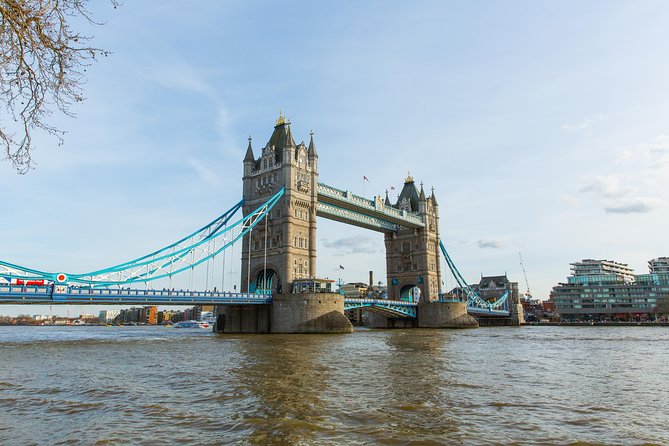
The bus route places you near the Tower area at Tower Hill and the Tower of London stop. If you only have limited time and want the Tower from multiple angles, the bus gives you that without a full day commitment. You can hop off for a quick look, or treat the stop as a transport point to another stop.
Then you can connect smoothly to the river experience. The Thames River cruise is valid for the same period as your bus ticket, so you can decide when to use it. I’d plan the cruise for a time when you want to slow down and let the city come to you.
From the bus side, Westminster Pier is an especially convenient area because it’s already tied to the central Westminster sights. You’re not going across town twice. You’re building the day in a straight line: sights on top, then water-level views.
One nice bonus: the Thames commentary can do more than just describe buildings. It helps you understand why certain sites sit where they do and how the river shaped the city. Even if you’re not into narration, just watching the skyline change is worth the time.





West End and South Kensington energy: portraits, shopping, and pacing
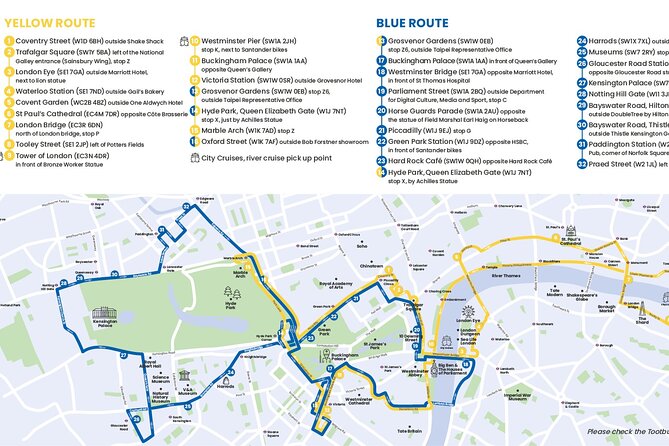
West London is where your route can feel more like London-as-a-city than London-as-a-museum. Stops like Covent Garden are prime for hopping off because you can grab a meal, do a quick shopping browse, and still get back on the bus if you don’t finish exploring.
From there, you’ll cycle through the Trafalgar Square / Piccadilly / Green Park zone and down toward Hard Rock Cafe and Queen Elizabeth Gate. Even if you don’t enter any big-ticket venues, these stops create strong visual anchors. They also help you manage your walking time, because you can step off exactly when you want to explore and reboard once you’re done.
This continues into Harrods and the Museums area. Since “museums” is listed as a stop, you’ll likely be positioned for quick access to that cluster. If your plan is to pick one museum and not burn your whole day, this is a helpful staging point.
Next you’ll reach Kensington Palace via Kensington High Street and Notting Hill Gate via Notting Hill Gate. These stops are more neighborhood-feel than landmark-only. If you like window-shopping and street atmosphere, hopping off for a wander here can add variety beyond the classic monuments.
Bayswater, Paddington, Oxford Street: the transit chain you’ll love
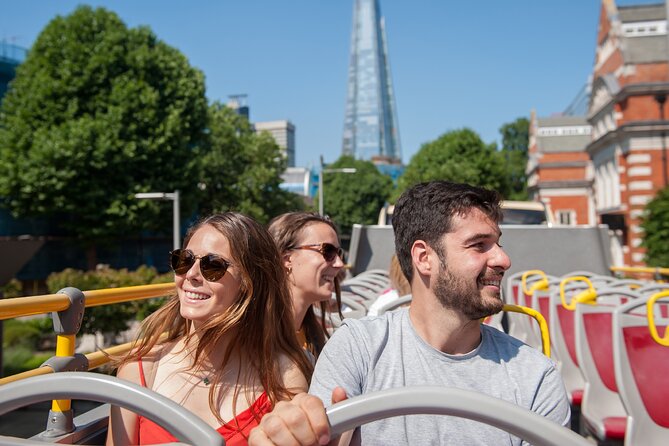
Once you’re in the Bayswater and Paddington stretch, you’re closer to everyday London rhythm. The stops at Bayswater Road (near major hotels) make it easier to connect with where you’re staying, even if your hotel isn’t right beside a top attraction.
Paddington Station and Praed Street are transit hubs, which is handy. If you’re using trains or switching plans mid-trip, you’re not stuck far away from rail connections. It’s also a good point to regroup and decide what you’ll prioritize next.
Then you roll into Oxford Street and Marble Arch. This is a straightforward “see it, walk a bit, and don’t overdo it” zone. It’s busy, but it’s also where you can do fast browsing if that’s part of your travel style.
If you’re tired, reboard and let the bus carry you toward calmer central points. The hop-on hop-off structure is at its best here because it prevents a long, exhausting walk when you hit your limit.
Oxford-to-Victoria and then north: using rail hubs as sightseeing shortcuts

Stops around Victoria Station give you a clean transition between sightseeing and transportation. You can hop off near Victoria if you want to move on to another part of the city afterward without backtracking.
The northbound stretch includes major names: Russell Square, Euston Station, King’s Cross Station, and St Pancras Station. These aren’t just places to catch trains. They’re London sights in their own right, and the bus helps you see them in context without committing to a long walking day.
You’ll also pass British Museum near Great Russell Street and Bloomsbury-area vibes around those same stops. If you’re a “one museum and done” visitor, you can hop off, spend your time, then reboard later. That flexibility is the core reason hop-on hop-off works for a busy itinerary.
Another stop near this area is St Martin’s in the Field via Wyndham’s Theatre and Charing Cross Road. It’s a useful pivot point if your day includes theater district energy and central landmarks without wanting to stitch everything together on foot.
The audio experience: where it helps and where it can frustrate
The tour runs with audio commentary for adults and a separate children’s track. The value here is pacing. If you’re listening as the bus moves, you pick up the “what am I seeing” faster than pure photo stops.
I’d also treat the audio as helpful context, not a substitute for deciding what to explore. When bus rides are crowded or the route is delayed, the commentary can feel less useful because you’re moving slower than expected. In a worst case, you may feel like you’re just stuck on a bus instead of learning landmarks in order.
If you’re using audio, set yourself up early. One practical tip: make sure you can access the audio equipment at the start of your ride so you’re not fiddling once you’re already rolling.
Using the stops strategically: a simple way to plan your day
I recommend you pick one “anchor area” and then use the bus to connect two smaller areas. For example, you could anchor around Trafalgar Square and Whitehall, then hop down later toward St Paul’s and the Tower. Another easy anchor is Covent Garden, because it’s central and pairs well with river views.
Don’t try to cover every stop. The bus is there to help you choose. If you get off at a stop, give yourself a time block for walking, photos, and one meal or coffee, then get back on before you’re exhausted.
Also watch for confusion around stop names. Some stops may be listed by the nearest recognizable landmark, which is helpful, but it can still feel mismatched if you expected exact street-by-street labeling. If you’re unsure, use the app’s closest-stop guidance and double-check the street corner.
Comfort, staff, and the human side of the trip
This is where the ride can feel smooth or tense, and staff matter. I like that the tour is positioned as comfortable and straightforward, and several people describe drivers as courteous and helpful.
One name that shows up in the experience is Leon, praised for knowing London’s history and for keeping the tour information clear and funny. That kind of on-the-ground personality is what turns a basic route into something you remember.
Still, you should plan to deal with the real world. When crowds build at a stop, boarding can take longer than you expect, especially if your app has connectivity delays. If your day depends on exact timing, give yourself buffer time.
So is it worth it? My value verdict
For a first-time visitor or anyone short on time, I think this pass earns its keep. You’re paying for three things: transport across central neighborhoods, audio context, and the added Thames cruise. If you would otherwise buy a river cruise ticket separately and spend time figuring out buses or routes, this is a neat way to bundle decisions.
Where the value drops is when you’re unlucky with waiting times or disruptions. Since London traffic and event days can affect bus frequency, the bus can turn from “easy sightseeing” into “stand here and wait.” If that happens, the cruise may still save your day, but you’ll feel the time crunch.
If you have flexibility and you like planning your sightseeing in chunks, it’s a strong buy. If you need a perfectly clockwork itinerary, plan extra slack.
Should you book Tootbus and the Thames cruise?
Book it if you want a straightforward way to get your bearings fast, see landmarks like Trafalgar Square, St Paul’s, the Tower area, and Buckingham Palace, and add the river views without building a separate day plan.
Skip it (or consider another option) if you’re highly time-dependent and you hate waiting around transit stops. Also, if you prefer very “live guided” content rather than audio narration, this might feel more like getting around with commentary than a classic guided tour.
If you’re deciding today, my advice is simple: do it when you can afford some flexibility, and use the app to reduce the stop-finding stress.
FAQ
How long is the London Tootbus Hop on Hop off bus tour plus Thames cruise?
The bus tour is listed at approximately 2 hours. The Thames River cruise ticket is included and is valid for the same period as your bus ticket.
Where does the tour take place?
The experience is in London, England.
What language is the audio commentary available in?
The experience is offered in English, and it includes audio commentary for adults plus bespoke children’s audio-commentary.
Is this a hop-on hop-off style tour?
Yes. You can redeem your pass on the bus at designated stops and hop on and hop off along the routes.
Can I track buses and find stops in real time?
Yes. The Tootbus app provides real-time bus tracking and shows the closest stop.
Does the Thames River cruise ticket work only on the same day?
The Hop-on Hop-off Thames River cruise ticket is valid for the same period as your bus ticket.
Is food and drink included?
No. Food and drink are not included.
Is there a restroom onboard the bus?
No. A restroom on board is not included.
Are service animals allowed?
Yes. Service animals are allowed.
Is there free cancellation?
Yes. You can cancel for a full refund up to 24 hours in advance of the experience’s start time.