REVIEW · LONDON
Notting Hill’s Secret Spots: A Self-Guided Walking Tour
Book on Viator →Operated by Vidi Guides · Bookable on Viator
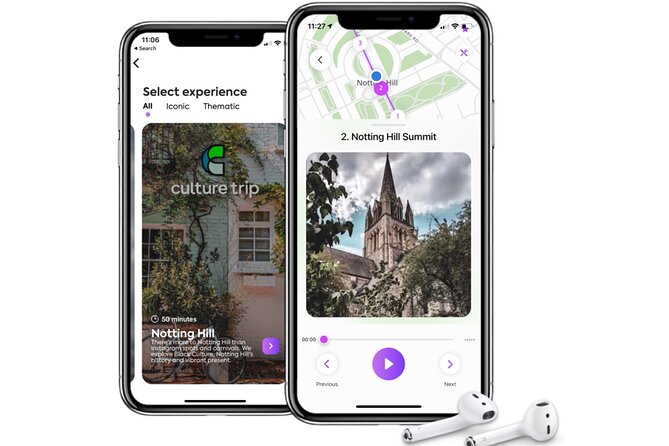
Notting Hill has layers you can walk through. This self-guided audio walk turns the neighborhood into a moving story, with GPS map help and stop-by-stop commentary you can pause whenever you want. You’ll get an intimate feel for how Notting Hill changes from block to block, from bright market streets to places marked by real-world events.
What I like most is the audio storytelling approach. The guide-style narration mixes pop-culture vibes with neighborhood history and present-day context, and it’s delivered with personality and light banter—so it doesn’t feel like a dry lecture. I also love the built-in flexibility: you can start when it suits you, skip what you’re not in the mood for, and replay the parts that click.
One thing to consider: it’s not a level stroll. You’ll be walking uphill early on, and the route moves at “comfortable walking” pace—so plan for shoes that work and a phone that stays charged.
In This Review
- Key things to know before you go
- A neighborhood story you control: audio on your schedule
- Price and value: what you’re really paying for
- Getting there and getting your phone ready
- Start at Ladbroke Square: uphill energy and centuries of change
- Notting Hill’s first story stop: the odd event that altered the course
- Pause for gardens: pretty streets with real context
- Museum of Brands: nostalgia nearby, admission extra
- Grenfell Tower: a heavy stop that needs your attention
- Cambridge Gardens: Windrush context in everyday space
- Portobello Road Market: the street that turns the volume up
- Electric Cinema: Britain’s oldest cinema and a darker side
- The Tabernacle: ending at Notting Hill Carnival’s home base
- Physical pace and who this walk fits best
- Should you book this self-guided Notting Hill walk?
- FAQ
- How long does the Notting Hill secret spots walk take?
- Do I need Wi‑Fi to listen to the audio?
- Are tickets to Electric Cinema and Museum of Brands included?
- What should I bring with me?
- Where does the tour start and end?
- Is there a cancellation option if my plans change?
Key things to know before you go
- Self-guided audio with GPS: you follow a map and listen offline after downloading
- Short but varied route: markets, gardens, cinema history, and memorial sites
- Optional indoor stops: Museum of Brands and Electric Cinema cost extra
- Photo-friendly moments: the tour flags Instagram picture spots
- Small group cap: designed for a maximum of 10 people
A neighborhood story you control: audio on your schedule
This is the kind of walking experience that works well in London because it respects real life. You’re not stuck with a big group that shuffles along at one speed. Instead, you set off, follow the GPS map, and listen when it makes sense—while you’re waiting for the light, taking a coffee break, or slowing down to read the vibe of a street.
The audio is also the point of the tour. It’s designed to help you connect what you see to what happened, without requiring museum tickets or constant scrolling. If you like wandering for atmosphere, this format keeps you oriented without turning your day into a checklist.
And because it’s self-guided, you can shape the emphasis. Want more market time? Lean into Portobello Road. Prefer the deeper community and memorial context? Spend extra minutes around the Grenfell Tower and Windrush-related stops.
You can also read our reviews of more walking tours in London



Price and value: what you’re really paying for

At $9.62 per person, you’re mainly paying for the audio experience plus the route guidance. You’re not paying for entry fees, and that matters for value. Two of the stops you’ll pass near—Museum of Brands and Electric Cinema—are not included, and their admission is listed as starting around £20 each.
That doesn’t make the tour less good. It just means the best value comes from treating this as a guided walk plus optional upgrades. If you go in on those two indoor stops, you’ll spend more—but you’ll also get a more complete experience. If you don’t, you can still get a lot from the storytelling, the street-level scenes, and the market-and-architecture focus.
Also, the total walking time is about 50 minutes, which is perfect for fitting into a busy day. In London, time is money. This one gives you a meaningful hit of Notting Hill without eating your whole afternoon.
Getting there and getting your phone ready
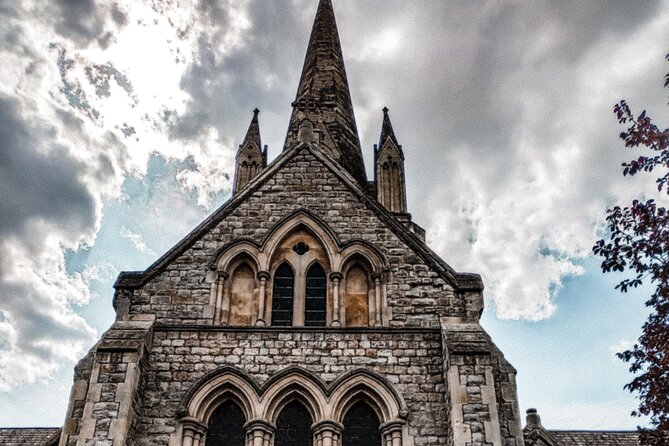
The walk starts at 1 Ladbroke Square, London W11 3LX and finishes at The Tabernacle, 34–35 Powis Sq, London W11 2AY. You can start during the daily window listed for the activity (the schedule runs broadly from early morning until evening across the provided date range).
A practical note: earphones aren’t included, and the mobile device isn’t included either. So bring a phone you’re comfortable using on the street, plus earbuds or headphones. Also make sure your phone has enough battery for GPS use and audio playback.
You’ll download the audio for offline mode before you go. That’s a big deal in London—cell coverage can be spotty, and you don’t want your narration dying mid-block. Once downloaded, you can rely less on Wi‑Fi and more on your downloaded experience.
Start at Ladbroke Square: uphill energy and centuries of change
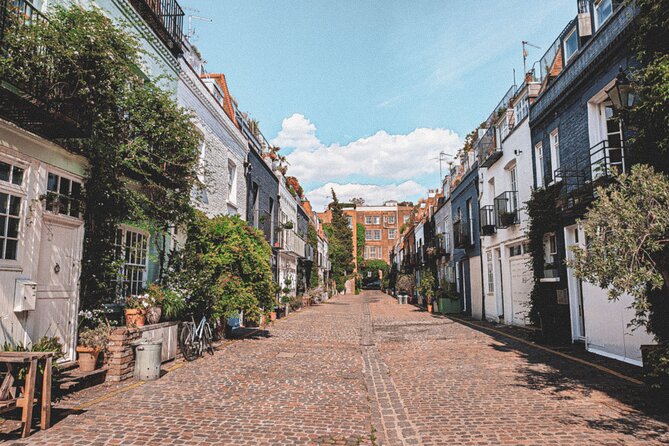
You begin at Ladbroke Square and immediately get a feel for Notting Hill’s “always moving” character. The early stretch includes walking uphill, and the audio frames what you’re seeing as part of a much longer transformation through the centuries.
This first segment is less about snapping photos and more about getting your bearings fast. The narration helps you notice how the neighborhood’s identity has shifted over time, so later stops land with more meaning. It’s a smart way to begin because it turns the physical effort of uphill walking into context.
If you’re the type who likes to know why a street looks the way it does, this is where you start paying attention. If you’re tired, take it slow. You’re not racing the clock; the format is made for pauses.
Notting Hill’s first story stop: the odd event that altered the course
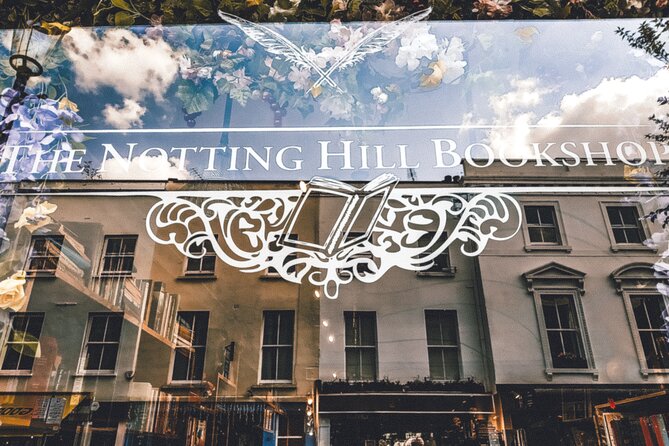
Next, you’re guided into the neighborhood itself with a standout audio moment about a rather odd event that changed the course of the area’s past. You’ll be pointed toward what the story connects to, and the commentary gives you that “wait, that explains a lot” feeling.
I like this style because it avoids turning Notting Hill into a single-note postcard. Instead, it suggests the neighborhood has moments that redirected its path—small enough to feel like a story, big enough to shape the streets you’re standing on.
A good way to use this stop: listen straight through once, then glance around without your phone for a minute. That short reset helps you connect audio and reality.
You can also read our reviews of more guided tours in London






Pause for gardens: pretty streets with real context
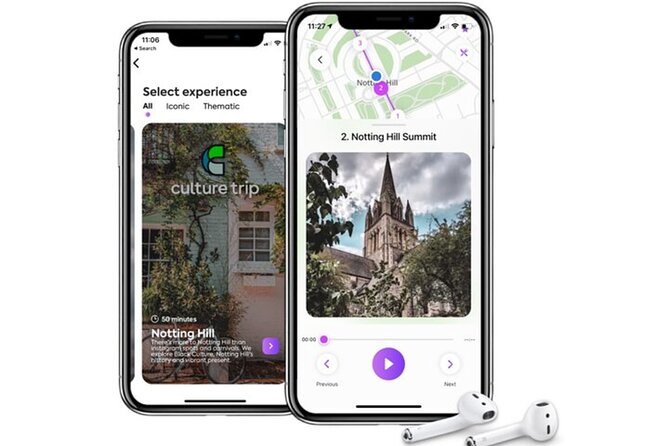
As you keep walking, you’ll pass picturesque gardens and more residential charm. This section gives you a break from the busier streets and lets the neighborhood breathe.
Gardens in London often do more than look good—they show how people live around the space and how the streets are managed. Even if you don’t have a specific “must-see” garden name on your list, the audio makes the pause feel purposeful, not random.
If you’re photographing, keep your expectations realistic: gardens look best in natural light and at a relaxed pace. Take a photo, then enjoy the walk. Don’t spend 20 minutes trying to perfect the shot if you’re heading toward markets next.
Museum of Brands: nostalgia nearby, admission extra
You’ll then reach the area where the Museum of Brands sits, with audio that nudges you toward a nostalgic side of the neighborhood. The point here is option and taste: if you want a structured indoor visit, this is your cue.
But the important money detail is that admission is not included. The price is noted as starting from about £20, so decide based on your interests. If you love objects, packaging, collectibles, and the feel of past decades, it may be worth adding. If you’d rather stay outside and keep your budget tight, you can simply enjoy the walk and move on.
Either way, the audio helps you understand why this stop fits the overall Notting Hill story. It’s not only about famous addresses—it’s also about how everyday culture gets remembered.
Grenfell Tower: a heavy stop that needs your attention
Then the tone shifts. The route includes Grenfell Tower, with narration tracing the tragic events that shaped the neighborhood’s darkest hour.
This stop is not about comfort. It’s about remembrance and context. I recommend walking a little slower here and giving the audio your full attention instead of half-listening while multitasking. Even if you’ve heard parts of the story before, this framing can change what you notice in the surrounding area.
If you’re sensitive to difficult history, plan your pacing. It’s okay to pause, step back, and regroup. The tour format supports it—you control the playback and the time you spend on each segment.
Cambridge Gardens: Windrush context in everyday space
From there, you move toward Cambridge Gardens, where the audio outlines the turbulent history and struggles of the Windrush generation.
What I appreciate about placing this context in a walking route is that it connects larger history to the lived geography of the neighborhood. You’re not reading a page in isolation—you’re standing in the place and seeing it as part of a continuing story.
This section can feel emotionally heavier than the market streets. It can also be more clarifying. If you come away with one new understanding from this walk, make it the connection between community experience and the neighborhood’s physical spaces.
Portobello Road Market: the street that turns the volume up
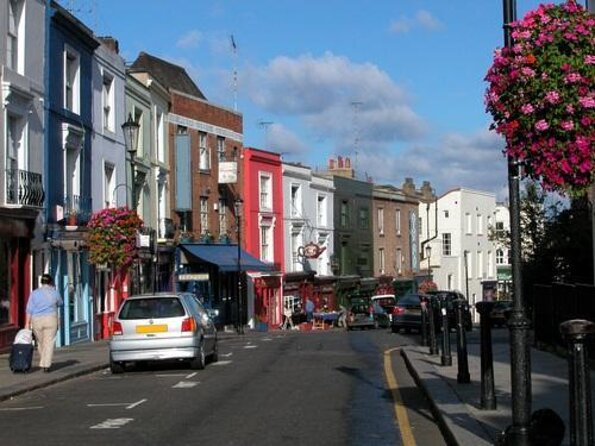
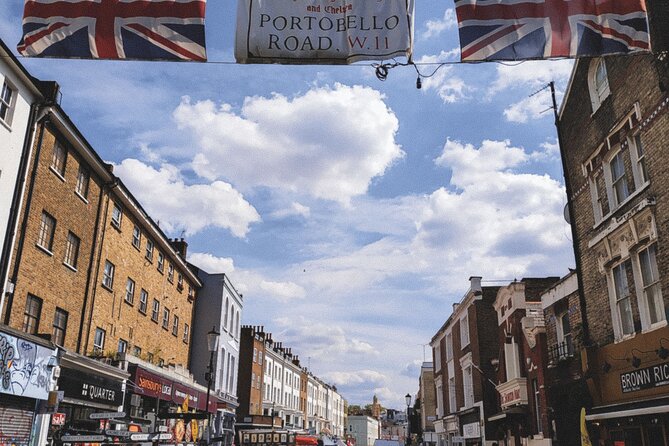
Next comes one of Notting Hill’s big draws: Portobello Road Market. The audio guides you along this iconic street through colorful shops and market energy.
Here’s how I suggest you use this segment. Treat it like a street-level sampler. Browse for a few minutes, decide what looks good, and keep moving so you don’t lose your timing before the next stop. Markets can eat time fast if you let them.
Also, this is where the “self-guided” flexibility pays off. If you want more time shopping or grabbing coffee, you can linger. If you want to stay focused on the audio and not get distracted, you can walk at a steady pace and keep the commentary running.
If you care about photography, this is one of the easiest sections to find natural backdrops. Don’t overthink it—capturing the street scene is the point.
Electric Cinema: Britain’s oldest cinema and a darker side
You’ll reach Electric Cinema, with audio framing it as Britain’s oldest cinema and hinting at a dark past. Like Museum of Brands, this is an optional indoor stop with admission not included (prices are noted as starting from about £20).
This one is worth considering if you love film history, old theaters, and architecture that has lived through difficult eras. If you’re mainly here for the walk and the street atmosphere, you can skip the entry fee and still get the storytelling payoff from the exterior and the commentary.
A smart compromise: listen to the audio fully before deciding. The narration often helps you judge whether you’ll actually enjoy the inside visit, or whether this is better as a stop-through story.
The Tabernacle: ending at Notting Hill Carnival’s home base
Your walk finishes at The Tabernacle, a distinctive building associated with Notting Hill Carnival. The audio stop highlights its unique architecture and why it matters in the neighborhood’s cultural life.
I like ending here because it offers a different kind of closure than a museum or a monument. It’s tied to celebration, performance, and community identity. Even if you’re visiting on a quiet non-carnival day, you can still feel the building’s role in the neighborhood calendar.
Use the finale as a transition point. If you want to keep exploring, you’re already in a part of Notting Hill where the culture doesn’t feel distant—it’s right there in the streets and buildings.
Physical pace and who this walk fits best
This tour is best for people who enjoy walking with purpose and want context without a formal group structure. It’s built for moderate physical fitness, and because the route includes uphill walking early on, it’s not ideal if you need fully level terrain.
It also suits you if:
- you like audio guides more than staring at signs
- you want a short neighborhood introduction in one go
- you appreciate a route that mixes everyday sights with more serious context
- you prefer skipping or replaying sections depending on your mood
It may be less ideal if:
- you hate listening to audio while walking
- you’re traveling with limited phone battery and can’t reliably recharge
- you’re looking for fully ticketed attractions only (since some stops cost extra)
Should you book this self-guided Notting Hill walk?
I think this is a smart booking if you want a 50-minute Notting Hill overview with real emotional range: market life, architecture, and heavier stories connected to Grenfell and Windrush context. The audio delivery—especially the personality and light banter—makes it feel less like a script and more like a friend guiding you down the street.
Don’t book it expecting free museum tickets. You’ll likely pay extra if you choose to go into Museum of Brands or Electric Cinema. But if you treat those as optional bonuses, the basic walk is strong value.
If you want a flexible way to understand Notting Hill beyond the famous highlights, this is the kind of tour you’ll actually use.
FAQ
How long does the Notting Hill secret spots walk take?
The walking tour runs about 50 minutes (approx.).
Do I need Wi‑Fi to listen to the audio?
No. The tour offers offline mode, letting you download the tour in advance so you can listen without Wi‑Fi.
Are tickets to Electric Cinema and Museum of Brands included?
No. Entrance tickets for those attractions are not included, and prices are listed as starting from about £20 each.
What should I bring with me?
You’ll need your mobile device to access the mobile ticket and audio. Earphones are not included, so bring headphones or earbuds.
Where does the tour start and end?
It starts at 1 Ladbroke Square, London W11 3LX and ends at The Tabernacle, 34–35 Powis Sq, London W11 2AY.
Is there a cancellation option if my plans change?
Yes. You can cancel for free up to 24 hours in advance for a full refund. Cancellation less than 24 hours before the start time is not refunded.