REVIEW · LONDON
Private DJ Class
Book on Viator →Operated by London Sound Academy · Bookable on Viator
A DJ class in London, minus the crowd noise. You get private, trainer-led coaching on industry-standard Pioneer DJ decks, focused on the core skills that make mixing sound smooth. It’s a practical, hands-on way to understand what DJs actually do with timing, song structure, and sound.
I especially like that the lesson is private, so you’re not sharing headphones (or worrying that your early attempts will be heard by strangers). I also like that the skill set is concrete: beatmatching and blending, plus the tools behind cleaner transitions like phrasing, harmonic mixing, EQing, and filters. One consideration: at 2 hours, you’ll learn the basics well, but you shouldn’t expect mastery of every DJ trick in one sitting.
In This Review
- Key Highlights You Should Care About
- What This London Private DJ Class Really Gives You
- Where You Meet and What “Studio Time” Feels Like
- Using Pioneer DJ Decks: Why the Equipment Matters
- The Skills You’ll Learn (And How They Translate)
- Beatmatching and blending
- Phrasing
- Harmonic mixing
- EQing and filters
- A True Private Lesson: Personalized Coaching That Saves Time
- What the 2-Hour Flow Likely Looks Like (And Why It Works)
- Price and Value: Is $137.13 Worth It?
- Who Should Book This DJ Class in London
- Practical Tips Before You Go
- Should You Book This Private DJ Class?
- FAQ
- How long is the private DJ class?
- What does the class cover?
- Is this a private experience?
- Where do I meet for the class?
- Is the class offered in English?
- What’s the price per person?
- How far in advance should I book?
- Do I get a mobile ticket?
- Is free cancellation available?
- Is the class suitable for people who use service animals?
Key Highlights You Should Care About
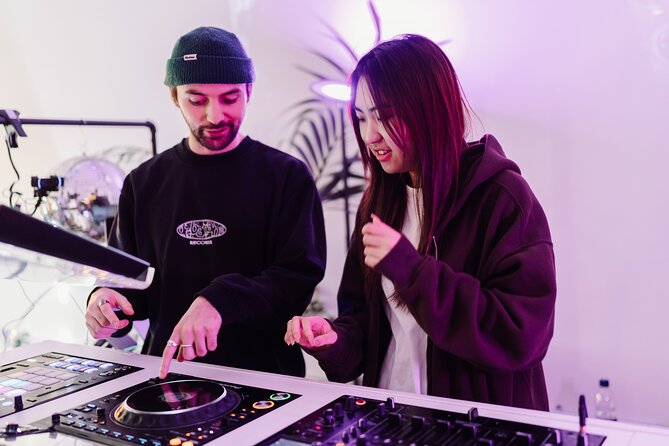
- 1:1 style attention so you can ask questions and get fixes on the spot
- Pioneer DJ decks for a realistic, industry-standard experience
- Beatmatching + blending training from the ground up, not just a demo
- Music theory tools without the lecture vibe: phrasing and harmonic mixing
- EQing and filters so you can control clashes and shape transitions
- Private class format where your mixing stays yours, not for public ears
What This London Private DJ Class Really Gives You
If you’ve ever watched someone mix and thought, I want to know what’s happening under the hood, this class is built for that moment. The format is straightforward: show up at the studio, use professional gear, and practice the skills that turn two tracks into one cohesive ride. It’s not about being flashy; it’s about building control.
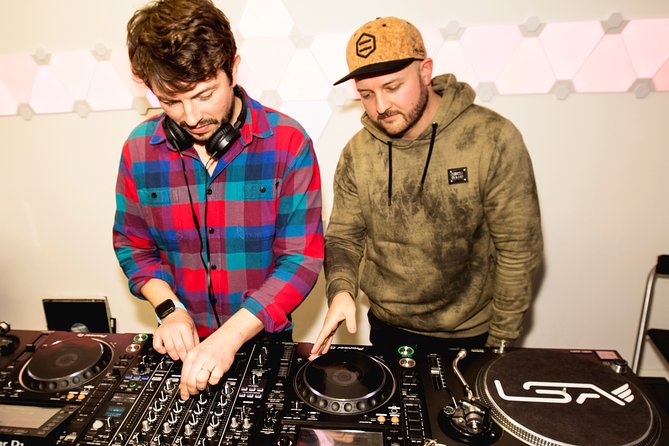
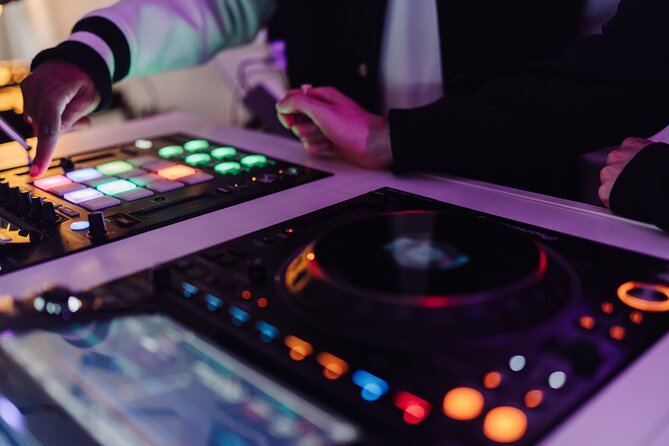
The big win is that you’re learning on Pioneer DJ decks, which matters because DJing changes when you switch between “toy” controllers and the real workflow DJs expect. You’ll be working with the same kind of layout and approach you’ll see in clubs and studios, so the learning transfers better than you might get from generic setups.
The other win is the private lesson setup. In many music experiences, the room gets loud, the trainer splits attention, and you feel like you’re interrupting. Here, the goal is personalized help, and the session structure supports hands-on practice while keeping things focused.
One more practical detail: it’s in London at 93a Bayham St, London NW1 0AG. If you’re trying to fit something fun but not too complicated into a day of sightseeing, a local studio class beats long excursions.
You can also read our reviews of more private tours in London


Where You Meet and What “Studio Time” Feels Like
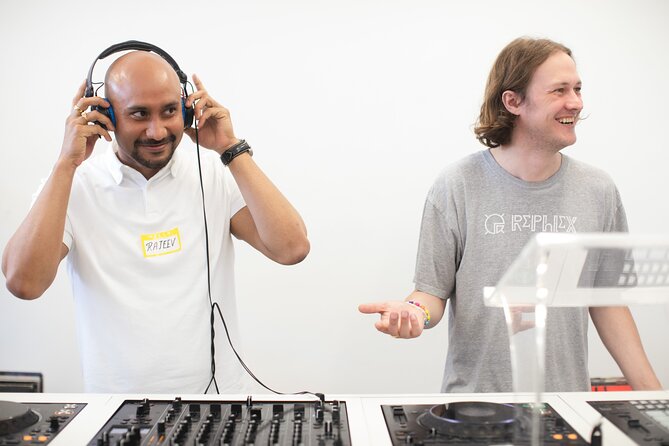
You’ll meet at 93a Bayham St, London NW1 0AG. The activity ends back at the meeting point, so you can plan your schedule without guesswork. Since it’s listed as near public transportation, you don’t need a car or special planning to get there.
Because the class lasts about 2 hours, your best move is to treat it like a booked appointment, not a “drop in when you feel like it” thing. Arrive with a little buffer so you can settle, get oriented, and start practicing faster. The faster you start, the more value you get out of the time.
The private format also changes the vibe. You’re not waiting around while others take turns. You can focus on your own progress and your own troubleshooting, which is especially helpful for beginners who want clarity instead of vague encouragement.
Using Pioneer DJ Decks: Why the Equipment Matters
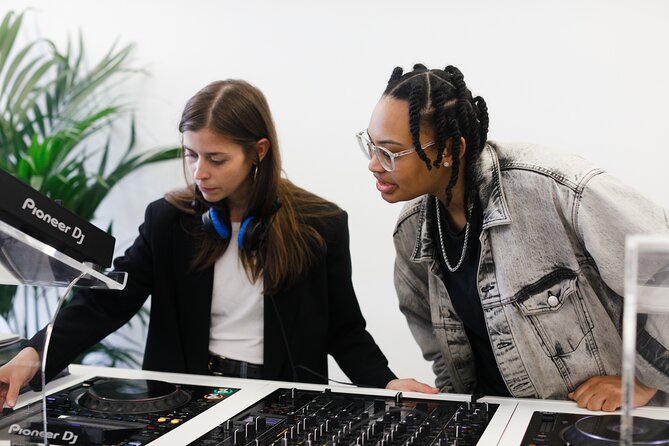
This isn’t a mystery-meets-music show. It’s a hands-on class where you learn how to mix on industry-standard Pioneer DJ decks. That choice is more important than it sounds.
When you practice with professional decks, you learn the real habits: how you line up elements, how you adjust track interaction, and how you use onboard controls for timing and tone. If you’ve tried DJ software or controllers before, the workflow may feel familiar, but the learning can still click differently on decks built for performance.
I also like that the class is aimed at foundational skills. Pioneer decks are capable, but they’re also consistent, which means your practice time can focus on technique instead of fighting unfamiliar controls. That’s how you turn 2 hours into actual progress rather than just pushing buttons.
The Skills You’ll Learn (And How They Translate)
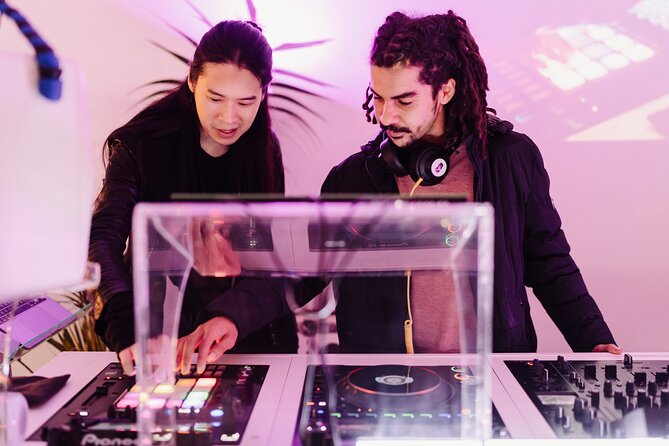
The lesson covers the basics DJing relies on: beatmatching, blending, phrasing, harmonic mixing, EQing, and filters. That list tells you the class doesn’t stop at timing. It goes toward making your transitions sound intentional.
Beatmatching and blending
Beatmatching is the timing foundation. You’ll learn how to match the rhythmic pulse so the tracks interact without sounding like they’re slipping apart. Blending follows right behind it: once the beats line up, you learn how to transition in a way that doesn’t feel abrupt.
This matters because early DJ attempts often fail for one of two reasons: the beat alignment isn’t stable, or the transition feels harsh. Beatmatching and blending address both.
You can also read our reviews of more tours and experiences in London



Phrasing
Phrasing is where mixing starts to feel musical instead of mechanical. It’s about aligning changes in a track’s structure so your handoffs make sense to the listener. You’re not just matching tempo; you’re respecting how songs are built.
If you’re learning why some mixes sound natural while others feel “stitched,” phrasing is one of the answers.
Harmonic mixing
Harmonic mixing is the technique behind smoother sounding overlaps. It focuses on what happens when notes and keys meet. Even if you don’t become a harmonic expert in 2 hours, learning the idea helps you hear why some transitions work even when the beat match is perfect.
EQing and filters
EQing and filters are your sound-sculpting tools. EQing helps you carve space in the mix so one track doesn’t fight the other. Filters let you control brightness and energy during transitions.
This is one of the most practical parts for beginners because it’s a fast way to fix what sounds wrong. If something clashes, EQ and filters give you a path to repair it during the moment.
A True Private Lesson: Personalized Coaching That Saves Time
The promise here is simple: personalized attention from your trainer. In a skills-based class, attention is the difference between guessing and improving fast.
Because it’s private, you don’t have to wait for a turn. You can work through problems as they happen. That matters most during early beatmatching, where you need quick feedback to stay confident and keep your hands moving the right way.
It also means the trainer can tailor pacing. Some learners need one concept repeated with a new explanation; others need more hands-on practice before moving to the next skill. A private setup supports that kind of adjustment.
The other neat detail: you don’t need to worry about anyone else hearing your mixing, since it’s a private class. That’s surprisingly calming. When you’re learning, you want your focus on the technique, not on performance anxiety.
One more point from the class’s standout feedback themes: people liked how comfortable it felt with the high-end software and technology involved in DJing. If tech intimidates you, the 1:1 structure is a big reason the experience can feel approachable instead of overwhelming.
What the 2-Hour Flow Likely Looks Like (And Why It Works)
The session is about 2 hours, which suggests a tight, skill-first structure. You’ll likely start with setup and basics, then move through each mixing element in a way that builds on what you just tried.
Here’s what that flow means for you as a learner:
- You can’t spend the whole time watching. The lesson needs to include practice on the decks.
- You get a guided progression: timing tools first, then structure/music tools, then sound-shaping tools.
- The trainer can correct issues while you still remember what you did wrong (not an hour later).
Because the class is built around specific techniques, you leave with a clearer map of what to practice next. Many short workshops fail because they teach vague inspiration. This one names the skills: beatmatching, phrasing, harmonic mixing, EQing, and filters.
Price and Value: Is $137.13 Worth It?
The price is listed at $137.13 per person. For a private, 2-hour lesson using Pioneer DJ decks, that cost makes sense as paying for studio time plus a trainer devoted to your session.
Here’s the value equation I’d use:
- If you want a group class, you’re usually paying less but sharing attention.
- If you want fast feedback, you’re paying more.
- This sits at the sweet spot for people who want real skill growth in a short window.
Two hours won’t turn you into a club-ready DJ, but it can absolutely give you a functioning foundation and the confidence to practice. If you’re the type who learns best by doing, the price is easier to justify than for purely instructional formats.
Also note the class is typically booked about 15 days in advance on average. That’s a hint that spots can get claimed when schedules line up, so booking earlier is a smart move if you’re traveling during busy weeks.
Who Should Book This DJ Class in London
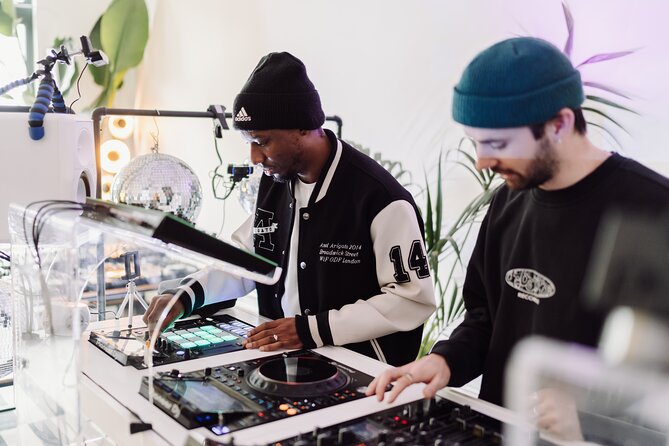
This is a great fit if:
- You’re curious about the DJ scene and want the nitty-gritty with real equipment
- You’ve never mixed before and want a structured start
- You want private help rather than trying to figure things out alone
- You like hands-on learning more than sitting through theory
It may be less ideal if:
- You only want to watch and don’t plan to practice
- You’re hoping for a long training arc or advanced production skills (the time is only about 2 hours)
Practical Tips Before You Go
A few small things help you get more from the session:
- Bring curiosity, not perfection. Early mixing sounds messy. That’s normal.
- If you have any experience (even basic), tell the trainer. It helps them choose what to correct first.
- Plan your schedule so you’re not rushing afterward. You’ll likely want a minute to reset after hands-on tech time.
Also, the class is offered in English, and confirmation is received at booking. You’ll also be dealing with a mobile ticket, so keep your phone charged and ready.
Should You Book This Private DJ Class?
I’d book it if you want a focused, hands-on London music experience with private coaching and real Pioneer decks. The strongest selling point is the combination of personalized attention and a curriculum that hits the actual building blocks: beatmatching, phrasing, harmonic mixing, EQing, and filters.
If you’re sensitive about cost, the private format is the tradeoff: you pay for trainer time and studio attention. Still, for many people, learning the fundamentals quickly is exactly what they want from a trip activity.
Bottom line: if you’re the type who likes to leave with a new skill you can practice at home, this class is a very strong choice.
FAQ
How long is the private DJ class?
The session is listed as about 2 hours.
What does the class cover?
You’ll learn to mix on Pioneer DJ decks, including beatmatching and blending, plus phrasing, harmonic mixing, EQing, and filters.
Is this a private experience?
Yes. It’s a private tour/activity, meaning only your group will participate.
Where do I meet for the class?
You meet at 93a Bayham St, London NW1 0AG, UK. The activity ends back at the meeting point.
Is the class offered in English?
Yes, the class is offered in English.
What’s the price per person?
The price is listed as $137.13 per person.
How far in advance should I book?
On average, it’s booked about 15 days in advance.
Do I get a mobile ticket?
Yes, a mobile ticket is included.
Is free cancellation available?
Yes. Free cancellation is available if you cancel up to 24 hours in advance for a full refund.
Is the class suitable for people who use service animals?
Yes. Service animals are allowed.