One great guide turns the British Museum into a story. I love the private, customized pace and how the tour locks onto the most important objects like the Rosetta Stone. I also like that you can pick a morning or afternoon slot. One consideration: with just about 2.5 hours, you cannot see everything, so you’ll want a couple of priorities in mind.
I went into the museum expecting to feel overwhelmed. Instead, Anthony Matthews made the whole place feel navigable, with humor and clear context for what you’re seeing. The focus stays on the artifacts and what they mean, not on wandering aimlessly through galleries.
Logistics are simple: you get a mobile ticket, the guide handles the flow, and it’s private for your group of up to six. The only real downside for some people is that an air-conditioned vehicle is not included, and this is a very old building in a very old city, so not every corner is fully accessible.
In This Review
- Key points that make this tour worth it
- A private British Museum tour turns chaos into direction
- How the 2.5-hour visit flows inside the museum
- Stop inside the museum: Rosetta Stone and Egypt’s big story
- Tutankhamun, jars, and afterlife objects: more than museum props
- Leaving Egypt: Rome, propaganda, armor, and gold
- Greek statuary and action scenes that actually make sense
- Why the guide approach is the real value
- What you get included (and what to plan around)
- When this private tour is a great fit
- Timing tips: morning vs afternoon and how to use it
- What you should prioritize before you go
- Should you book this private British Museum tour?
- FAQ
- How long is the Private Guided Tour of the British Museum?
- How much is the tour?
- Is this tour private?
- What language is the tour offered in?
- Is the entrance ticket included?
- What’s included with the guide?
- What is not included?
- Where does the tour start and end?
- Are service animals allowed?
- Can I cancel for a full refund?
Key points that make this tour worth it
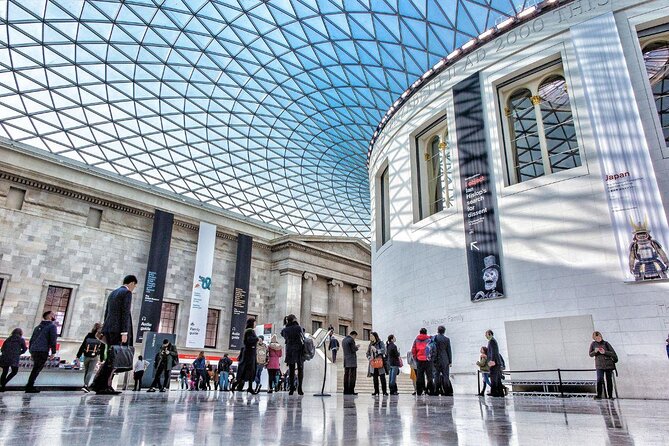
- Private highlights, not a generic loop: your route can be adjusted to what your group actually cares about
- Anthony Matthews brings archaeology to the front: science, excavation context, and translation of ancient writing you can actually understand
- Fast start for busy days: the tour is set up so you can get in early and avoid some of the worst crowds
- Egypt, Greece, and Rome in one plan: you’ll connect storylines across civilizations instead of seeing random objects
- Family-friendly without getting watered down: teens and younger kids can stay engaged for the full walk
A private British Museum tour turns chaos into direction
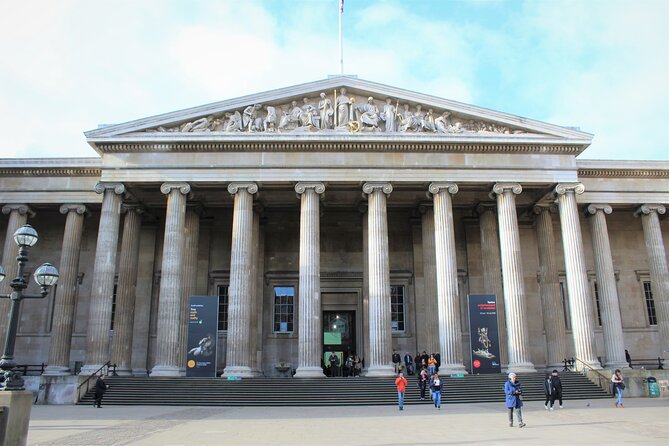
The British Museum is huge. It’s the kind of place where you can easily burn two hours doing laps without ever landing on the things you came for. This private tour fixes that problem fast.
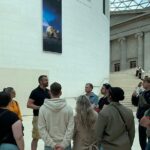
With a group size capped at six, you get the benefit of personal attention without paying for a “big bus tour” experience. You’ll still walk, but you’re walking with a plan and context. That matters because the museum isn’t laid out to help you learn. It’s laid out to store and display. Your guide provides the learning path.
The standout here is Anthony Matthews. From the tone of the tour, you can tell he’s not just reading labels. He’s telling you why objects matter—how they were used, how they were found, and how we know what we know. When someone can connect the object to a larger story, the room stops being intimidating and starts becoming understandable.
You can also read our reviews of more guided tours in London



How the 2.5-hour visit flows inside the museum
This tour is built around a single destination: the British Museum itself. You spend about 2 hours walking and learning, plus time to settle in and move at a comfortable pace. The goal is simple: see key highlights, understand what you’re looking at, and walk away with a coherent sense of the ancient worlds the museum covers.
Stop inside the museum: Rosetta Stone and Egypt’s big story
Your visit starts with an introduction to the museum and its collections, then moves into the Egyptian highlights that anchor a lot of modern understanding of ancient language and power.
The Rosetta Stone is the headliner, and you’re not just shown it—you get the “why” of it. Expect context about how it helped unlock Egyptian history through translation. You’ll also hear enough background to make the stone feel like a tool of discovery, not just an impressive chunk of rock behind glass.
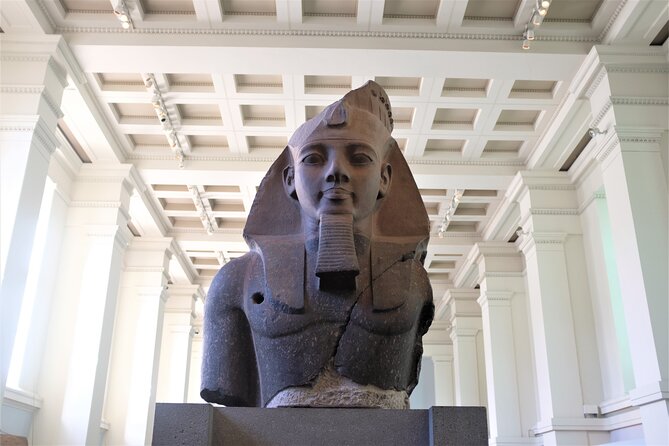
From there, the tour expands into the objects that make Egypt feel real: you’ll see a statue connected to Tutankhamun, plus elements tied to beliefs around the afterlife. The tour includes sarcophagus-related motives, canopic jars, and the Book of the Dead. If those terms sound abstract to you, that’s normal. This kind of private guiding makes the symbols and purpose click.
What to watch for: in Egyptology rooms, it’s easy to focus only on the famous pieces. Anthony’s approach nudges you to pay attention to the smaller details too—the patterns, the ritual items, and what they were meant to do for a person in the afterlife.
Possible drawback: Egypt is a heavy theme. If you’re not into Egyptian history, the tour will still likely bring you through major Egyptian stops early because they’re central to understanding the museum’s overall impact.
Tutankhamun, jars, and afterlife objects: more than museum props
Tutankhamun is famous, but most people only know the headline. In this tour flow, his story becomes a gateway: you’ll hear about his life and how he died, then shift into how Egyptians planned for what came next.
The canopic jars and Book of the Dead material are the heart of that afterlife conversation. You’ll learn what those objects were for and how they fit the broader belief system. That turns the museum display into a living worldview rather than a collection of artifacts.
Leaving Egypt: Rome, propaganda, armor, and gold
After the Egyptian anchors, you move into the wider ancient world—especially Rome, with stops that help you see how power was displayed and communicated.
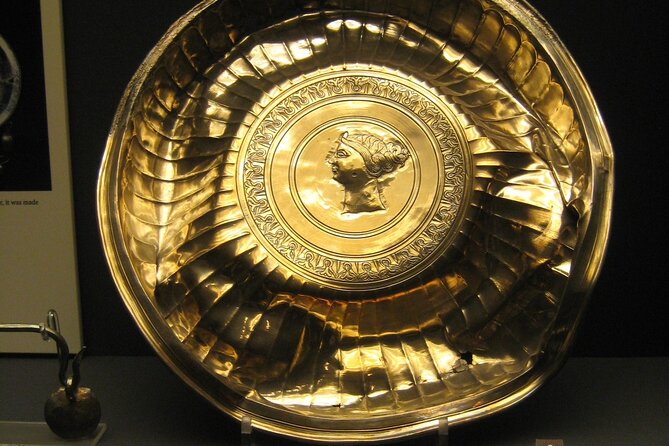
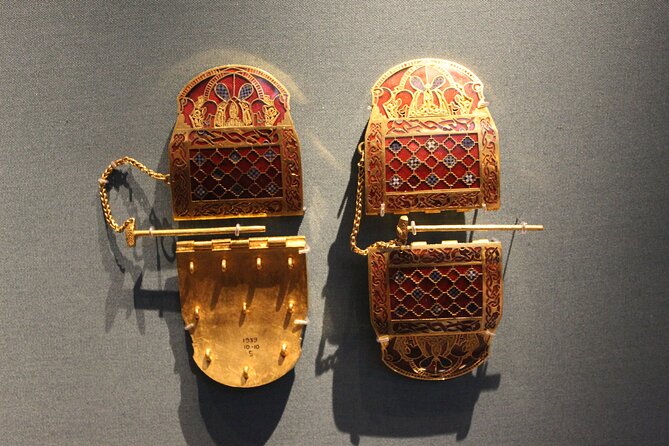
You’ll learn about the origins of Rome and its technology, then encounter examples of classical propaganda in glass—one of those details that sounds odd until you realize how messages were built into objects and materials. You’ll also see alligator armor and exquisite gold jewelry.
Even if you don’t consider yourself a “Roman person,” this portion helps you understand why Rome looked the way it did. It wasn’t only about conquest; it was about image, materials, and technique.
You can also read our reviews of more private tours in London





Greek statuary and action scenes that actually make sense
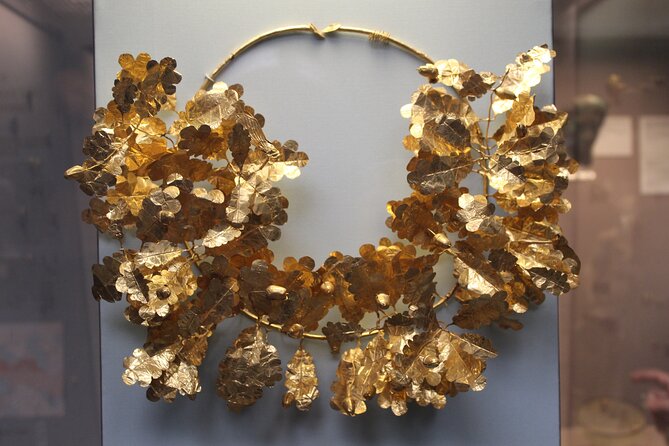
The route also includes Greek statuary and dramatic imagery—such as a gold headdress and amazons fighting. These pieces are often the moments people remember most because they look like they’re mid-motion.
With a guide, you can read what you’re seeing: the posture, the styling, and the storytelling built into the sculpture. That’s the difference between seeing Greek art and understanding why people built art the way they did.
Why the guide approach is the real value
The British Museum has labels. You could read them. But without someone translating the bigger picture, labels often turn into text you skim and forget.
Anthony Matthews brings a science-and-story style that works in two ways:
- You get context fast. Instead of treating each artifact like a standalone item, you connect it to a civilization’s beliefs, politics, and daily reality.
- You ask questions and the tour adapts. The private format lets the guide pause for your group, rather than pushing everyone through the same script.
One detail that comes up repeatedly is his ability to manage crowds. He’s set up to get you in early so you have a small cushion before the museum becomes packed. That can matter a lot, especially when you’re trying to keep a group focused for 2.5 hours.
Another big plus is how he keeps the pace family-friendly. If you’re traveling with kids or teens, you’re not stuck with a lecture that lands only for adults. The tour includes explanations that keep younger minds engaged while still respecting the subject.
What you get included (and what to plan around)
This experience includes an entrance ticket and a licensed, insured guide. You also get a mobile ticket, which is handy because it keeps you from juggling paper.
What’s not included is an air-conditioned vehicle. That usually matters if you expect a car pickup. This tour is primarily a guided walk-and-learn experience inside the museum area, and the meeting point is in Greater London with the tour ending back at the same point.
You’ll also want to plan for walking time inside the museum. A two-hour museum tour can feel longer than you think if you stop often to take photos or read small details.
When this private tour is a great fit
This tour shines if any of these describe you:
- You want the British Museum highlights without spending half your day guessing where to go
- You care about ancient civilizations—especially Egypt, Greece, and Rome
- You’re traveling as a family and want a guide who can handle mixed ages
- You like your history with both storytelling and practical explanations
- You want a guided route you can adjust to your interests on the spot
It’s also a smart choice if your time in London is limited. The museum alone can swallow an entire day, but this tour gives you a high-impact overview with enough depth to make the famous objects meaningful.
Timing tips: morning vs afternoon and how to use it
You can choose a morning or afternoon tour. If you’re trying to maximize comfort and reduce crowd stress, morning often helps. In busy season, getting in early can change the entire feel of the museum—less shoulder-to-shoulder walking and more time to look.
If you choose an afternoon slot, still plan to be ready to move. Your guide’s job is to steer you to key places efficiently, so you’ll get more value if you don’t schedule long, complicated plans right before the start.
What you should prioritize before you go
Since the tour covers major highlights rather than every gallery, you’ll get the best experience if you start with a short mental list. Pick two or three targets.
For example:
- Are you most excited by language and the Rosetta Stone moment, or the afterlife objects like canopic jars and the Book of the Dead?
- Do you want Roman power and display, including propaganda-style objects, armor, and gold?
- Are you most drawn to Greek sculpture and myth scenes like amazons fighting?
If you tell Anthony Matthews what your group cares about, the tour can shape its focus around you. That’s one of the best parts of a private setup.
Should you book this private British Museum tour?
Book it if you want a structured, high-value way to experience one of the world’s biggest history museums without feeling lost. The private group size, the ticket and guide included, and Anthony Matthews’ approach to explaining objects make it feel like the museum finally clicks.
Skip it (or reconsider your expectations) if you’re hoping for total museum coverage in 2.5 hours. This is a highlights tour. It will teach you how to see the big masterpieces and understand the stories behind them, but you won’t leave having seen every section.
If you’re the type who likes photos and meaning, or if you’re bringing kids and you want them to care, this is an easy yes.
FAQ
How long is the Private Guided Tour of the British Museum?
It runs for about 2 hours 30 minutes.
How much is the tour?
The price is $344.49 per group, up to 6 people.
Is this tour private?
Yes. It’s a private tour/activity, and only your group participates.
What language is the tour offered in?
The tour is offered in English.
Is the entrance ticket included?
Yes. The entrance ticket is included as part of the experience.
What’s included with the guide?
A licensed, insured guide is included.
What is not included?
An air-conditioned vehicle is not included.
Where does the tour start and end?
It starts in Greater London, London, UK, and ends back at the meeting point.
Are service animals allowed?
Service animals are allowed.
Can I cancel for a full refund?
Yes. You can cancel up to 24 hours in advance for a full refund. If you cancel less than 24 hours before the start time, the amount paid will not be refunded.