REVIEW · LONDON
Private Highlights Tour of the British Museum
Book on Viator →Operated by The Museum Guide · Bookable on Viator
A museum tour that actually has a point.
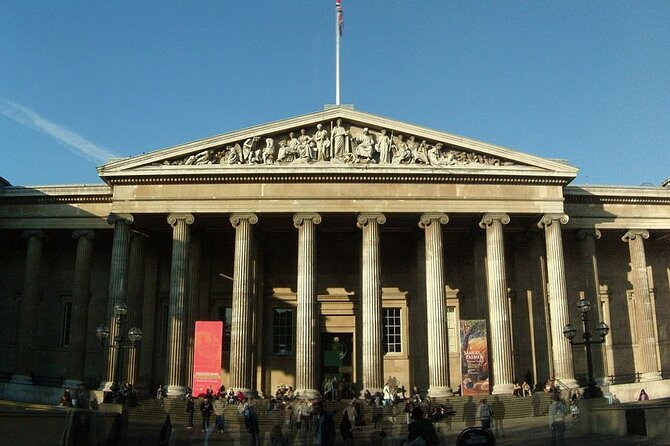
This private British Museum highlights tour is built around your interests, and the guide works across centuries and continents with the right mix of wonder and uncomfortable truths. I especially like the customized approach and the way the guide doesn’t dodge tough, controversial history behind key objects.
Because it’s a 3-hour run through major favorites, you’ll move at a pace. If you like to linger in one gallery for a long time, this format may feel a bit like a brilliant highlights reel.
In This Review
- Key things you’ll love about this British Museum private tour
- Private Highlights Tour of the British Museum: what 3 hours feels like
- Where your tour starts: Montague Place meets museum-ready context
- The heart of the experience: how the British Museum highlights are explained
- Rosetta Stone: why one object can change everything
- Parthenon Sculptures (Elgin Marbles): art, empire, and modern ethics
- Lewis Chessmen: craftsmanship plus a little mystery
- Sutton Hoo and Vindolanda Tablets: history you can almost feel
- Standard of Ur: power, symbolism, and art that tells on itself
- Egyptian Mummies: belief, ritual, and the ethics question
- Aztec Double-Headed Serpent: myth as a language of meaning
- Portland Vase: the thrill of craftsmanship
- Assyrian Guards and Ramesses II: visual power and how rulers wanted to be seen
- Statue of Tara and Ife Head: spirituality and realism that can surprise you
- Hoa Hakananai’a and the FeeJee Mermaid: artifacts with story shock
- Why the guide quality matters more than the object list
- Value check: is $468.78 per group actually a good deal?
- Best for history buffs, families, and anyone tired of feeling lost
- Should you book this Private Highlights Tour of the British Museum?
- FAQ
- How long is the Private Highlights Tour of the British Museum?
- What is the group size limit?
- What does the tour cost?
- Does the tour include museum entry?
- What language is the tour offered in?
- Where do we meet and where does the tour end?
- Is this a private tour or shared group?
- Can I cancel for a full refund?
- Are service animals allowed?
Key things you’ll love about this British Museum private tour
- Interest-first planning: the guide asks what you care about, then steers you toward the right objects and themes.
- A guide who tackles controversy: you’ll get context for objects that come with political and ethical questions.
- High-impact artifacts across the museum: Rosetta Stone, Parthenon sculptures, Sutton Hoo, and Egyptian mummies, plus more.
- Designed for groups up to 10: it works well for families and mixed ages, including teenagers.
- Free entry through a lesser-known entrance: you arrive with a guide and get straight into the museum experience.
Private Highlights Tour of the British Museum: what 3 hours feels like
This is a private tour with a group size up to 10 people, led by a professional guide in English. The total time is about 3 hours, so you’re not sightseeing forever—you’re getting a guided hit of the museum’s best-known objects and the stories you’ll remember later.
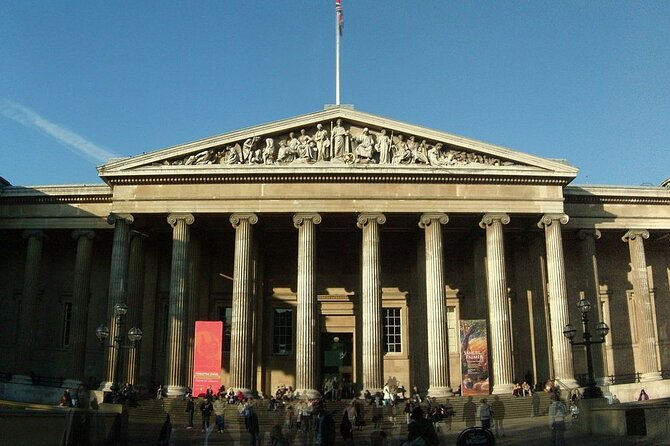
You’ll also get a mobile ticket, and the tour includes free entry to the British Museum through a lesser-known entrance. The guide doesn’t just point; they explain. That matters a lot at the British Museum, because the building is big and the collections are deep. A highlights tour like this is the easiest way to get oriented fast and still leave with more meaning than a quick photo stop.
One more practical detail: you meet at Montague Place (Montague Pl, London) and you finish inside the museum on Great Russell Street. That last part is handy—you don’t have to reset your route after you’re done.
You can also read our reviews of more private tours in London



Where your tour starts: Montague Place meets museum-ready context
At the start, you’ll talk with your guide about what you want to focus on. This isn’t a generic route read off a checklist. If you care more about writing, empires, art styles, ancient science, trade, or myth, you can say so, and your guide can steer the walk accordingly.
That initial conversation is one of the biggest reasons the tour works so well. The British Museum is so broad that one person might be hungry for Egypt, while another wants Roman Britain or African sculpture. With the guide tailoring your focus, you’re more likely to feel like the tour is actually for you—not just for everyone.
The tour also has a “teach the story behind the object” tone. One review specifically praised a guide named Jessica for engaging a group of 10 family members, including teenagers, and keeping the context relevant and well-balanced. That balance is the secret sauce for a museum like this: you want the facts, but you also want to understand why the facts matter.
The heart of the experience: how the British Museum highlights are explained
Even though the itinerary lists one main stop—the British Museum—the tour is really a guided walk through major collections. Your guide hits the museum’s headline objects, but you’ll notice something different in how they’re framed: you’ll hear the “this is important” version and the “this is complicated” version.
Here’s what you’ll see, and why each item is such a powerful teaching tool.
Rosetta Stone: why one object can change everything
The Rosetta Stone is the kind of artifact that makes people sit up. It’s famous because it connects languages, scholarship, and decoding—turning unknown scripts into readable history. In a guided format, you’ll get the real point of the story, not just the nickname and photos.
If you’re into how knowledge spreads—how people solve problems with evidence—this is a great anchor object. It also sets the tone for the tour: the museum isn’t only about art; it’s about systems of understanding.
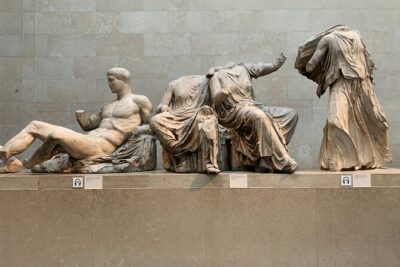
Parthenon Sculptures (Elgin Marbles): art, empire, and modern ethics
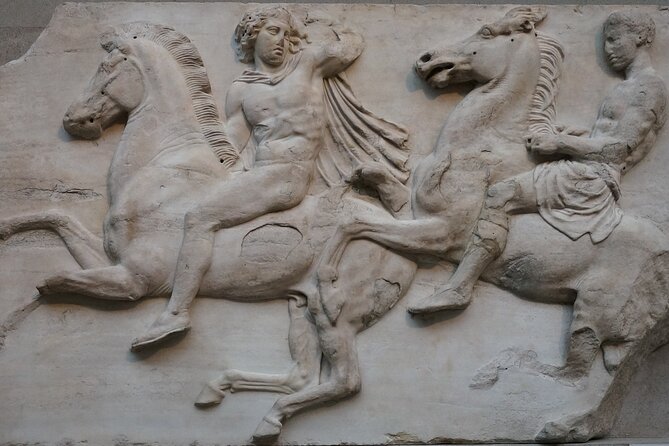
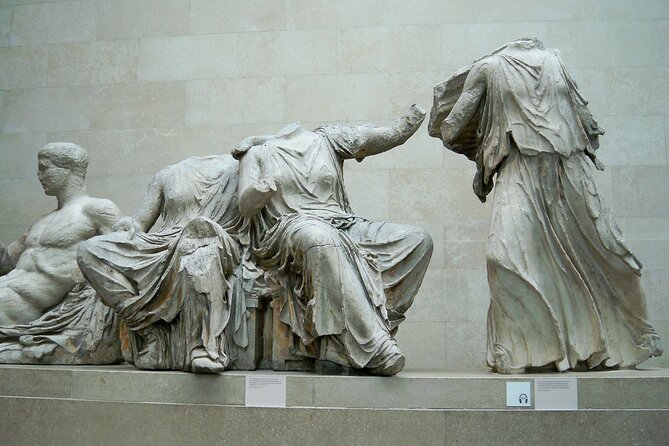
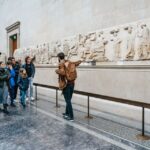
The Parthenon Sculptures (Elgin Marbles) are one of those topics that can get tense fast. This tour’s promise is that the guide won’t shy away from the controversy behind certain items. Translation: you’ll get context, not silence.
You don’t need to be an expert to enjoy this section. What you’ll want is a guide who can explain the artistic significance alongside the historical circumstances that put these works far from their original setting. A balanced approach is what keeps the discussion thoughtful instead of emotional.
You can also read our reviews of more museum experiences in London




Lewis Chessmen: craftsmanship plus a little mystery
The Lewis Chessmen are small, but they’re endlessly discussable. They offer a window into medieval life—games, skill, and the art of carving. The fun with a guided highlights tour is that you’re not stuck with only surface impressions. You’ll learn why these objects have become so memorable, even though the details of their story can feel mysterious.
Sutton Hoo and Vindolanda Tablets: history you can almost feel
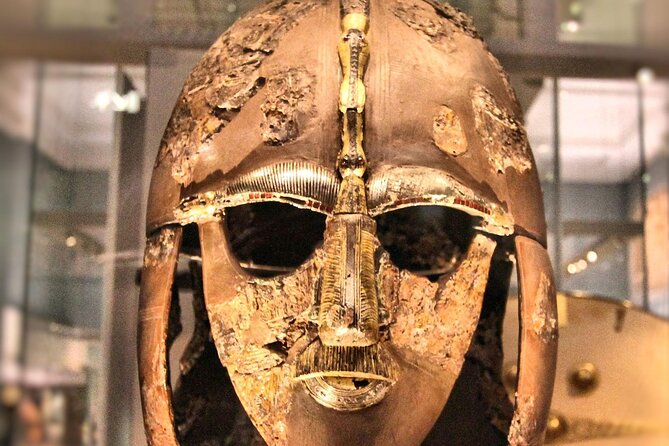
With Sutton Hoo, you’re in the world of elite burial culture and the material evidence that helps fill in what texts don’t always say. It’s impressive because the objects act like survival notes from the past.
Then you shift to Vindolanda Tablets, which are the opposite kind of artifact—small written records that feel startlingly close to real daily communication. If you like ancient “voices” and the texture of everyday life, these tablets are a highlight for their ability to make the distant past seem personal.
Standard of Ur: power, symbolism, and art that tells on itself
The Standard of Ur is one of those artifacts that rewards your attention even in a quick tour. It shows how images can communicate status and belief. Your guide’s job is to connect the artistic language to what people were trying to say and achieve.
This is a good moment to pay attention to the details you might otherwise skip. In a highlights tour, the guide helps you know what detail is worth your time.
Egyptian Mummies: belief, ritual, and the ethics question
The tour includes Egyptian Mummies, which are famous, but they can be emotionally heavy. What makes them a strong guided stop is the way context matters. You’re not just looking at bodies; you’re looking at a belief system tied to identity, ritual, and preservation.
This is also where a guide who handles tough topics well becomes especially valuable. When the tour explains what you’re seeing and why it mattered to people, the experience becomes clearer rather than sensational.
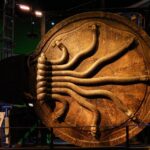
Aztec Double-Headed Serpent: myth as a language of meaning
The Aztec Double-Headed Serpent gives you myth and symbolism in a single image. The educational value here is in interpretation—how belief becomes art and how art becomes a visual way to share cosmic ideas.
If you’ve ever wished museum labels explained not just what something is, but what it’s doing culturally, this is the kind of object that makes the answer concrete.
Portland Vase: the thrill of craftsmanship
The Portland Vase is all about visual storytelling in glass. It’s the kind of artifact that makes you slow down, even if you’re moving quickly through a tour. Guided commentary helps you notice what’s happening in the imagery and why the piece is technically and artistically significant.
Assyrian Guards and Ramesses II: visual power and how rulers wanted to be seen
With Assyrian Guards and Ramesses II, you get a double hit of political theater. These objects aren’t neutral. They’re designed to project authority—through scale, pose, and symbolism.
A guided tour makes this section especially useful because you’ll learn how different empires communicated control. It turns “pretty sculpture” into “designed message.”
Statue of Tara and Ife Head: spirituality and realism that can surprise you
The Statue of Tara brings in a spiritual dimension. Your guide can help you read the object as religious and cultural expression, not just a sculpted figure.
Then the Ife Head does something different: it highlights artistic achievement and expression in a way that can be genuinely eye-opening for visitors who only associate “museum art” with Europe. It’s a strong reminder that excellence and innovation show up everywhere.
Hoa Hakananai’a and the FeeJee Mermaid: artifacts with story shock
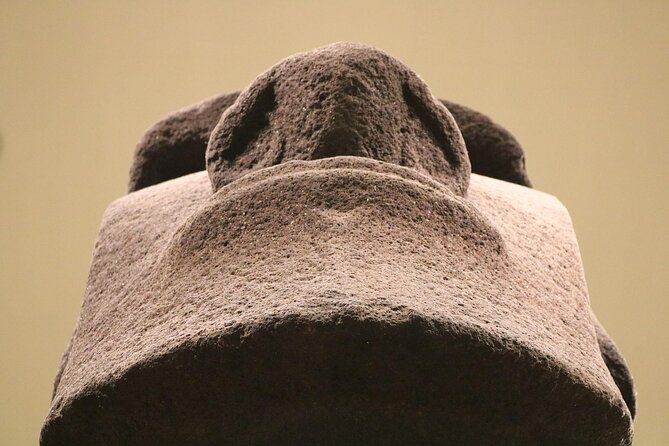
The Hoa Hakananai’a (a famous Rapa Nui carving) brings Polynesian creativity into view, and it can be a standout if you like objects that feel tied to place and tradition.
And then there’s the FeeJee Mermaid—which is here for a reason. It’s the kind of object that makes people ask questions about belief, curiosity, and how museums have historically displayed things. With a guide who tackles tough history, you’ll likely get more than a spooky label—you’ll get a context layer that explains how such an object ended up here and why it matters.
Why the guide quality matters more than the object list
You can find a list of “famous museum items” anywhere. What you can’t easily find is an expert who knows how to make those items teach something useful.
The strongest praise in the reviews centers on the guide’s ability to bring artifacts to life. In one review, families described Jessica as engaging for a whole mixed group of 10 people, including teenagers. The key point wasn’t volume of facts—it was story and balance, keeping explanations relevant without flattening the hard parts of history.
That style matters at the British Museum. The museum holds objects from cultures with different histories of contact, conquest, trade, and collection. When a guide can talk about controversy with a steady tone, the experience becomes clearer rather than chaotic.
Value check: is $468.78 per group actually a good deal?
The price is $468.78 per group (up to 10) for about 3 hours, and it includes a fully guided expert tour plus free entry to the British Museum through a lesser-known entrance.
This is good value when:
- You’re traveling as a family or small group and want one guide instead of splitting up.
- You’re bringing teens who need structure and story to stay interested.
- You want context for controversial topics, not just a walk-and-point tour.
- You don’t want to spend your museum energy figuring out which galleries to prioritize.
Where it may be less ideal is if you’re solo and you mainly want to wander slowly and read everything on your own. In that case, you might prefer flexible self-guided time. But if your priority is getting the museum’s core meaning in a short window, this format makes a lot of sense.
Also note: the tour is private, so you’re not squeezed into a crowd and shuffled along. That’s a real comfort factor in a museum where crowds can turn a visit stressful.
Best for history buffs, families, and anyone tired of feeling lost
This tour is a strong fit for:
- History buffs who want major works explained with context.
- Families with mixed ages—especially when teens need stories, not just facts.
- Visitors who want a museum tour that’s willing to discuss the complicated side of the collection.
- People who love variety: Egyptian mummies one moment, a mythic Aztec serpent or a startling “mermaid” display the next.
It’s also a smart choice if you’ve only got a limited time window in London and want to make the British Museum count.
If your main goal is total freedom to stop anywhere for as long as you want, you might find this tour’s structure a little limiting. But if you want a guide to do the hard work of selection and pacing, you’ll likely feel glad you booked.
Should you book this Private Highlights Tour of the British Museum?
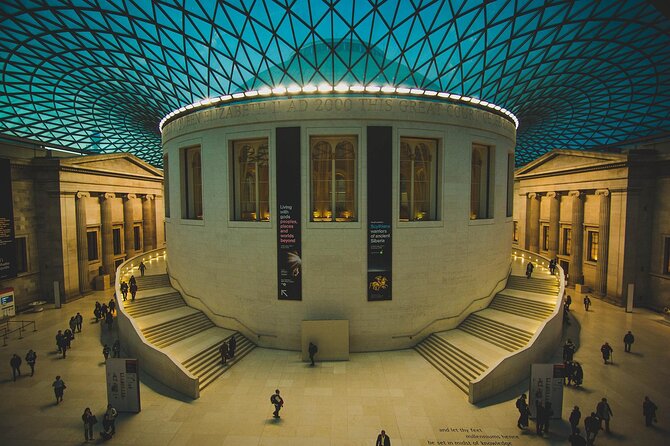
I’d book it if you want the British Museum in a format that’s efficient, private, and story-driven. The big win is the combination of a route through major objects plus a guide who can handle controversy and context without turning the visit into an argument.
Book it especially if:
- You’re traveling with a group up to 10 and want one shared plan.
- You care about explanations that make the artifacts feel connected, not random.
- You want help navigating a museum that’s too big to “figure out” in a day.
If you’re the type who loves to read every label slowly and doesn’t need a plan, you can still enjoy the museum on your own. But for most people who want meaning in a short visit, this tour is a smart way to get oriented and leave with the right questions—and the right answers.
FAQ
How long is the Private Highlights Tour of the British Museum?
It’s approximately 3 hours.
What is the group size limit?
The tour is for a private group up to 10 people.
What does the tour cost?
The price is $468.78 per group.
Does the tour include museum entry?
Yes. The tour includes free entry to the British Museum through a lesser-known entrance.
What language is the tour offered in?
The tour is offered in English.
Where do we meet and where does the tour end?
You start at Montague Place (Montague Pl, London) and the tour ends inside the British Museum at Great Russell St, London WC1B 3DG.
Is this a private tour or shared group?
It’s private. Only your group participates.
Can I cancel for a full refund?
Yes. You can cancel up to 24 hours in advance for a full refund.
Are service animals allowed?
Yes, service animals are allowed.