Contemporary art makes more sense with a guide. This Tate Modern tour pairs an art historian with an easy, curious way of looking, so the museum stops feeling random and starts feeling readable. You get guided conversations, not a lecture-only march.
I love the small-group size (max 10) and how it keeps questions flowing, even if you feel unsure about what you’re seeing. I also love the interactive approach, where you share your own interpretation before the guide brings in context.
One thing to consider: temporary exhibitions are not included, so the price feels easier to justify when you’re mainly there for Tate’s core collection highlights.
In This Review
- What makes this Tate Modern art-historian tour different
- Why Tate Modern can feel confusing, and how this tour fixes it fast
- The 2-hour structure: a short visit that teaches, then gives you room to roam
- Stop inside Tate Modern: the guide’s “skills of looking” lesson
- What you’ll learn from modern art when nobody tells you what to think
- Abstract, sculpture, photography: the themes that run through the rooms
- Small group size: why max 10 people changes everything
- Guide styles you may encounter: Julia and Rosa
- Free entry, luggage storage, and quick photo time
- Paid temporary exhibitions: what you should plan for
- Price and value: is $137.12 per person a fair deal?
- Timing and “good weather” reality check
- Who should book this Tate Modern tour (and who might skip it)
- Should you book this Tate Modern art-historian tour?
- FAQ
- How long is the Tate Modern art historian tour?
- What is included in the price?
- Are temporary exhibitions included?
- What group size is this tour limited to?
- Is the tour offered in English?
- Do I need prior art knowledge?
- Where does the tour start?
- How do I get my tickets?
- Is luggage storage available?
- What is the cancellation policy?
What makes this Tate Modern art-historian tour different
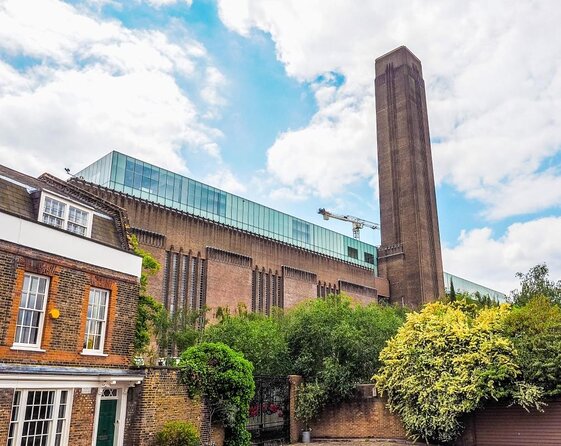
- Max 10 people means more real talk and time for your questions
- An art historian guide helps you turn confusion into practical viewing skills
- Interactive questions first, explanations second, so you feel invited—not lectured
- Free entry ticket + free luggage storage take friction out of the visit
- Designed for non-art-experts, including solo visitors and families with kids
Why Tate Modern can feel confusing, and how this tour fixes it fast
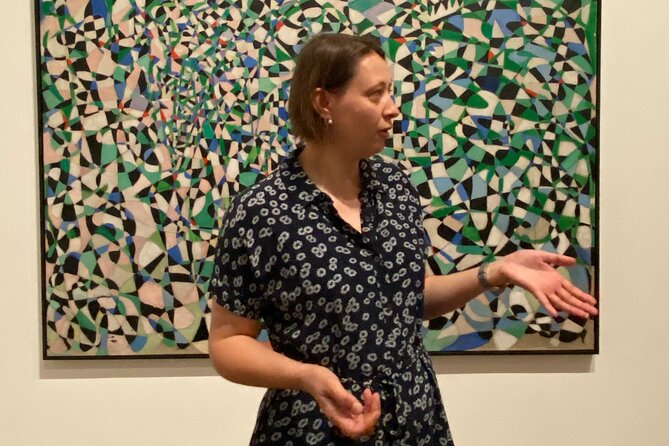
Tate Modern is one of those places that can flip between wow and huh, sometimes in the same room. Contemporary and modern art often resists the usual museum rules: find the date, find the style, nod politely, move on. Here, the guide starts with the real issue most people have: How do I even begin looking?
What I like about this tour’s approach is that it treats confusion as normal. Instead of pushing you to “get it,” the guide helps you build simple habits—what to notice, how to describe what you see, and how to connect the artwork to bigger ideas. You leave with a better way to look next time, even if you don’t love every single piece.
You can also read our reviews of more tours and experiences in London.



The 2-hour structure: a short visit that teaches, then gives you room to roam
This is a 2-hour tour, which matters more than it sounds. Tate Modern is big, and if you try to do it alone, your attention can scatter. A timed tour also keeps you from getting stuck in one gallery for an hour, then rushing through the rest.
The format is also built around conversation. You’re not just following along. You’re encouraged to trust your own eyes and instincts—then test those instincts against art-historical context. That rhythm is what makes the time feel efficient without feeling rushed.
When you’re done, you’re still close enough to explore on your own. That’s the sweet spot for me: learn a method with a guide, then spend extra time where you actually feel something.
Stop inside Tate Modern: the guide’s “skills of looking” lesson
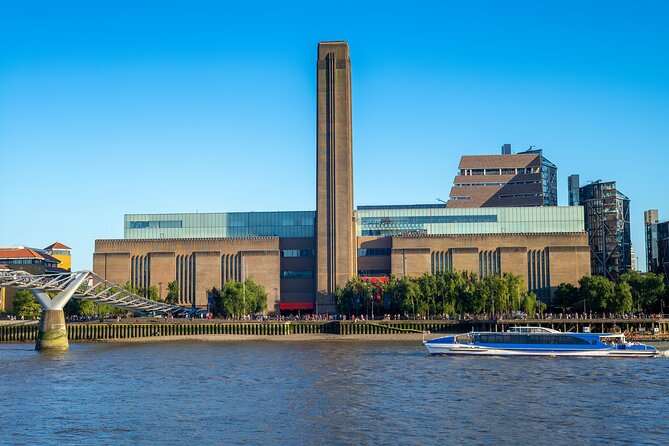
The entire experience centers on your time in Tate Modern’s galleries. There’s one main stop, and it’s designed around the same core questions many people carry into the museum:
- How did abstract art come about?
- Does the gender of the artists matter to how we read their work?
- What happened to sculpture in the 20th century?
- Is photography art?
- Who decides what counts as art, and can art change the world?
- Do you have to like what you see to understand it—and vice-versa?
The key is that these aren’t thrown at you as facts to memorize. They’re used as talking points while you look at specific works. So you’re constantly doing two things at once: reacting like a real person and learning like a student. That’s how it clicks.
If you’re visiting with kids, this matters even more. Some guides (like Julia, who comes up again and again in real-world feedback) are especially good at making the questions feel playful and doable for younger visitors. That makes it easier for everyone to participate instead of zoning out.
What you’ll learn from modern art when nobody tells you what to think
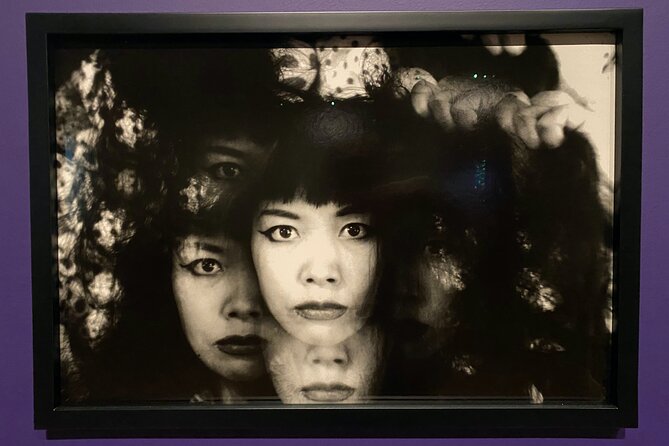
One of the most practical parts of this tour is how it treats interpretation. You’re encouraged to share what you think first, and only then does the guide connect it to broader themes.
That might sound simple, but it’s a big deal in museums. Most people freeze because they assume they need the “right answer.” Here, you get permission to take your own response seriously. Then the guide gives you tools to refine it—without making you feel wrong for starting from your own instincts.
That’s also why this tour can work even if you have zero art background. The guide isn’t testing you. You’re building vocabulary in real time: how to describe form, material, composition, and meaning in a way that actually helps you understand what you’re looking at.
Abstract, sculpture, photography: the themes that run through the rooms
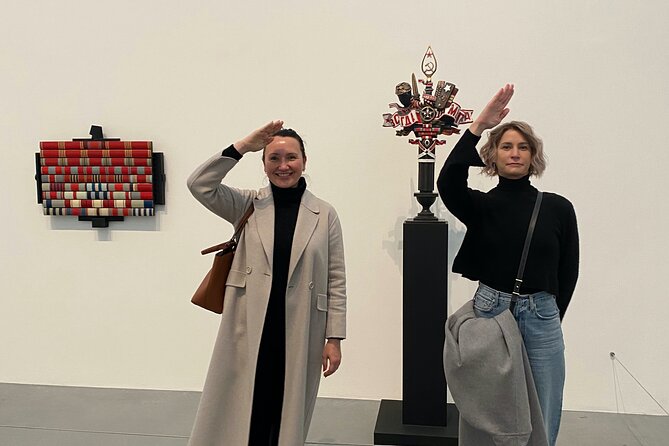
Tate Modern collects modern and contemporary art, and that means the galleries can jump from one style to another like a playlist. The tour handles that by using themes that connect artworks across decades.
Here’s what those themes help you notice:
Abstract art origins
You stop seeing abstraction as a random puzzle. Instead, you start recognizing it as a response to bigger shifts—new ideas about representation, new ways to express emotion or politics, and changing definitions of what art should do.
Sculpture in the 20th century
Sculpture doesn’t always mean stone statues anymore. You learn how modern sculpture evolved into new materials and new concepts—often tied to technology, experiments in form, and shifting ideas about space.
Photography as art
You get a clearer sense of how photography moved from documentation to expression. The point isn’t to tell you whether you should like it. It’s to help you understand what choices photographers make and why those choices can matter.
Who defines art
This question is more powerful than it sounds. You start noticing how context shapes meaning: museums, critics, and cultural movements all influence what gets shown and how it’s interpreted. The guide pushes you to think about power and taste without turning it into a lecture.
If you’re the type who likes to argue (politely) or ask why something is labeled a masterpiece, this tour gives you space for that.



Small group size: why max 10 people changes everything
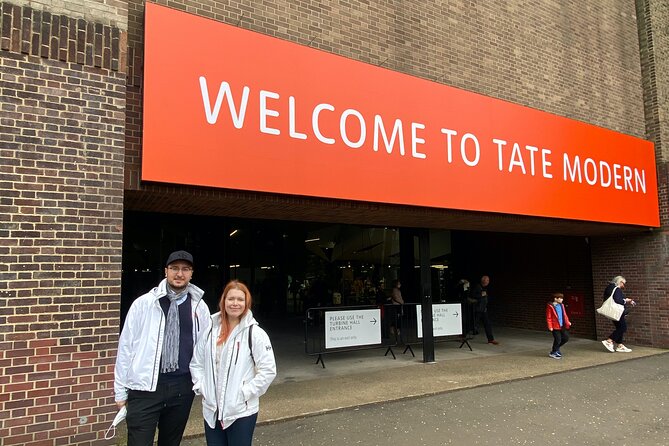
Max 10 travelers (the tour’s group limit) is where the magic happens. In a large crowd, you either hear the guide from far away or you miss the moment when your question would matter. In a small group, your questions actually steer what you talk about.
This shows up in feedback that highlights how guides engage different ages and personalities. Some visitors specifically mention their kids staying involved, with guides able to match the pacing and tone. If you’re traveling with a teenager who claims they hate museums, this format gives you a real chance to prove them wrong.
It also helps if you’re visiting solo. You get conversation without feeling like you’re “doing it wrong.”
Guide styles you may encounter: Julia and Rosa
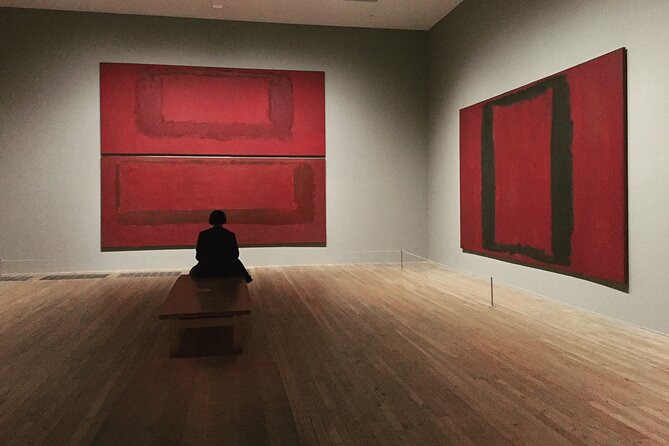
The tour’s art historian guides come through in the details people shared. Julia is described as energetic, witty, and highly effective at tailoring the tour to personal preferences. One common theme: she asks questions first, then explains with context so your own interpretation grows instead of being replaced.
Another guide named in feedback is Rosa, described as having a detailed institution background and a thorough way of connecting art periods and context. That kind of guide style is great if you want a more structured “here’s how to read this” approach.
You don’t need to guess which one you’ll get. The main value stays the same: you’ll be guided by an art historian, not a script, and you’ll be encouraged to talk about what you see.
Free entry, luggage storage, and quick photo time
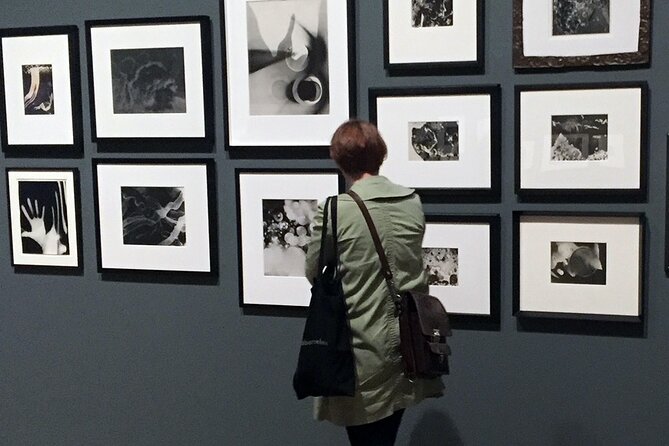
This experience includes a few practical items that make the museum day smoother:
- Free entry ticket to Tate Modern
- Free luggage storage (a relief if you’re carrying bags)
- Time for a photograph or two in front of chosen works
Those details matter because Tate Modern can feel like a logistics puzzle if you’re arriving with luggage or limited time. The free ticket means you’re not doing the mental math mid-visit. The luggage storage means you can actually look, not shuffle around with a heavy bag.
And the photo time is smart. It’s not a random “take a picture and leave” moment. It’s built into the tour flow around artworks you’re focusing on.
Paid temporary exhibitions: what you should plan for
The tour includes entry for Tate Modern itself, but temporary exhibitions are not included. That’s important for your budget and expectations.
In real-world feedback, one visitor noted a paid temporary exhibition experience as part of their day. Since the tour data you’re working from says temporary exhibitions are not included, treat that as something that may vary by date or what your guide chooses to highlight. The safest move is simple: when you book, confirm whether any temporary show tickets are part of your specific departure.
If you’re mainly interested in the core museum collection, you’re in the right place. If you’re fixated on a specific temporary exhibition, you’ll want to plan that separately.
Price and value: is $137.12 per person a fair deal?
At $137.12 per person, this isn’t a budget add-on. So I look at value in terms of what you get that you likely wouldn’t get on your own.
Here’s the value math that matters:
- You’re paying for an art historian’s time, not just directions through rooms
- You’re getting free museum entry included
- You’re getting a small group (max 10), which increases question time
- You’re getting a guided method for looking—especially helpful at Tate Modern, where “self-guided” can feel overwhelming
If you’ve ever walked into contemporary art and left with just a few vague impressions, the “skills of looking” piece can feel worth it. Not because the guide forces you to like everything—but because you learn how to talk about it in a way that makes the museum click.
One fair drawback to remember: some people still feel the price is high. If you’re price-sensitive, decide what you want more: a guided method for seeing, or the freedom to go at your own pace without paying for expertise.
Timing and “good weather” reality check
This tour is designed for indoor museum time, but the provider states it requires good weather. That usually means they build their operations around reliable conditions—maybe for the walk to/from the museum or general scheduling on the day.
So if you’re visiting in a rainy stretch, keep one flexible day in your itinerary. If the experience is canceled due to poor weather, you’ll be offered a different date or a full refund.
Who should book this Tate Modern tour (and who might skip it)
This tour is a strong fit if you:
- Want a guided way to understand modern and contemporary art
- Prefer a conversation over a lecture
- Like small-group experiences, especially if you’re visiting with family
- Feel uneasy about art and want tools to make it feel less intimidating
You might skip or consider alternatives if you:
- Want to spend the entire day in Tate Modern with no structured timing
- Only care about a specific temporary exhibition and want that fully handled for your visit
- Are extremely price-sensitive and would rather spend that money on extra museum time or nearby experiences
Should you book this Tate Modern art-historian tour?
Yes, I think you should book it if Tate Modern feels like a big question mark in your mind. The best reason is the method: you’re taught how to look, how to describe what you see, and how to connect art to larger ideas—without needing prior art knowledge.
Book it especially if you want something that feels personal and practical, with a guide who can keep the pace friendly and the conversation moving. And if you do want temporary exhibitions, check your departure details so you’re not surprised by extra ticket costs.
If your goal is to leave Tate Modern with clearer eyes—not just more photos—this is one of the smarter ways to spend two hours in London.
FAQ
How long is the Tate Modern art historian tour?
It lasts about 2 hours.
What is included in the price?
You get free entry to Tate Modern, a chance for a photograph or two at selected artworks, time with an art historian guide, and free luggage storage.
Are temporary exhibitions included?
No. Temporary exhibitions are not included.
What group size is this tour limited to?
The maximum group size is 10 people.
Is the tour offered in English?
Yes, it is offered in English.
Do I need prior art knowledge?
No prior art knowledge is required.
Where does the tour start?
The tour starts at Tate Modern, London SE1, UK.
How do I get my tickets?
You’ll receive a mobile ticket.
Is luggage storage available?
Yes, free luggage storage is included.
What is the cancellation policy?
You can cancel for a full refund up to 24 hours in advance. If you cancel less than 24 hours before the start time, you won’t receive a refund.