REVIEW · LONDON
Slavery and City of London Walking Tour
Book on Viator →Operated by Sam's Walks · Bookable on Viator
London hides hard truths in plain sight. This Slavery and City of London walking tour threads the story through the streets you thought you only visited for sightseeing, using familiar landmarks plus lesser-known corners of the Square Mile.
I love how the walk ties big institutions and everyday places together, from the East India Company’s world to the Bank of England apology about past slave-trade involvement. I also like the way Sam (Sam’s Walks) talks—clear, engaging, and funny at the right moments—so the history feels like a conversation, not a lecture.
One thing to consider: the topic is heavy, and even with an upbeat tone, it may feel uncomfortable if you prefer lighter sightseeing. Add in that it’s a city walk that depends on good weather, and you’ll want comfortable shoes and a steady head.
In This Review
- Key points at a glance
- What you’re really signing up for in the City of London
- Price and what $27.43 buys you for 90 minutes
- Getting started near Tower Hill, then finishing around Aldgate
- Stop-by-stop: from Granville Sharp to St. Paul’s Underground
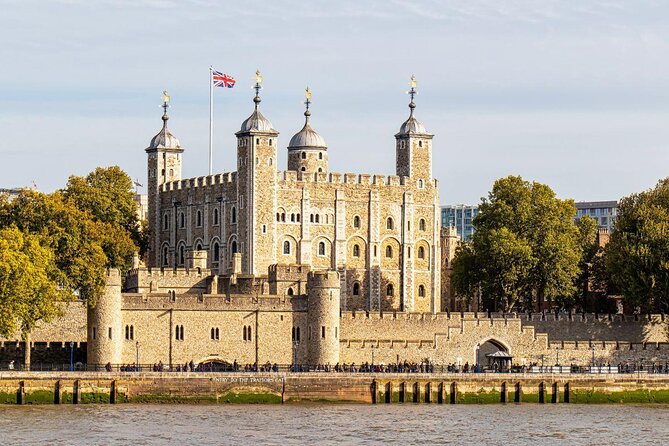
- Ordnance Office at the Tower of London: Granville Sharp’s workplace
- Roman wall of Londinium: the City’s border starts 2,000 years ago
- The site of East India House: where trade met forced labor
- Fenchurch Street and Fen Gardens: remembering abolition with the Gilt of Cain
- Jamaica Wine House: London’s coffee-house links to sugar and slavery
- St. Mary Woolnoth Church: John Newton’s rector years
- Bank of England Museum and Threadneedle Street: apology, statues, and the Royal Africa Company
- St. Paul’s Cathedral area: closing with a landmark you know
- Why the Roman-to-abolition timeline works (and where it might feel dense)
- The guide makes it feel like street history, not textbook history
- Hidden sights: how “most travelers miss it” becomes real
- Who should book this tour?
- Should you book the Slavery and City of London Walking Tour?
- FAQ
- How long is the Slavery and City of London walking tour?
- Where does the tour start?
- Where does the tour end?
- What’s the group size limit?
- How much does it cost?
- Is a mobile ticket provided?
- Do you need to pay admission to see the stops?
- Is the tour dependent on weather?
- What time does the tour start?
- Who operates the tour?
Key points at a glance
- A route built around specific places tied to slavery, abolition, and Britain’s trade power in the City of London
- St. Paul’s and the City’s old boundaries are used as landmarks to explain where history still sits in the stone
- Sam’s guide style blends architecture, oral history, and imagery collected through his work
- Firsthand abolitionist names in the neighborhood, like Granville Sharp and John Newton
- No paid admissions needed at the listed stops, with a focus on what’s visible and walkable from the street
What you’re really signing up for in the City of London

This is not a generic “top sights” walk. Instead, you’re moving through the City of London as a living map of how power worked—through commerce, law, and shipping—then following the moral consequences that later led to abolition campaigns.
The strength here is the mix: you’ll see famous buildings like St. Paul’s Cathedral while also stopping at sites most visitors miss. The route is designed to make the Square Mile feel smaller and more connected than you expect, because it links the same themes across Roman London, trade-era London, and the abolition movement.
You also get group energy without feeling packed. The tour caps at 35 people, which usually means you can hear the guide and still look at the details when you stop.
You can also read our reviews of more walking tours in London



Price and what $27.43 buys you for 90 minutes
At about $27.43 per person for roughly 1 hour 30 minutes, the value comes from two things: time efficiency and built-in context.
You’re not paying for museum tickets at every turn. Several stops are listed as admission free, including the Roman wall segment and major City-of-London viewpoints. That matters in a city where “walking tours” can sometimes add cost after cost.
What you’re really purchasing is interpretation: how a guide connects each place to slavery, abolition, and the British economy. The history isn’t floating in the abstract. It’s pointed at a specific building corner, church frontage, or public landmark—so you leave with images in your head, not just dates.
Getting started near Tower Hill, then finishing around Aldgate
The walk starts at Tower Hill Tram in Trinity Square (EC3N 4TH) with a 12:00 pm start time. It ends at Aldgate Underground station area (Aldgate High St, EC3N 1AH), so you can plan an easy lunch or afternoon plans afterward.
This is practical for a few reasons. First, Tower Hill and Aldgate sit inside the parts of London that are walkable for visitors who want more than just one quick photo stop. Second, the itinerary is built around short segments—most stops are around 5–15 minutes—so you don’t feel stuck for long stretches.
Also, you get a mobile ticket. That’s a real advantage in London, where paper tickets can be one more thing to juggle.
Stop-by-stop: from Granville Sharp to St. Paul’s Underground
Here’s the story arc you’ll walk, in the order you’ll experience it.
Ordnance Office at the Tower of London: Granville Sharp’s workplace
Your first named anchor is Granville Sharp, a prominent anti-slavery figure in 18th-century Britain. The tour connects him to the Ordnance Office at the Tower of London, framing abolition not as something that happened in speeches alone, but as something rooted in real jobs, offices, and public life.
Practical note: this opening stop sets the moral and historical tone early. If you’re the type who likes context before you start seeing landmarks, you’ll appreciate that.
You can also read our reviews of more city tours in London





Roman wall of Londinium: the City’s border starts 2,000 years ago
Next, you’ll see the Roman wall tied to Londinium, the settlement that grew into London. The guide uses the wall to explain how London’s early foundations relate to slavery too—pointing out that Romans took Britons as enslaved people, while the locals complained the Brits were lazy.
One detail I’d take seriously here: reviews and route notes describe seeing the “border” of the City in a very visual way. That’s important because it changes how you think about the Square Mile. Instead of treating it like just another part of London, you start seeing it as a defined space with its own long-running identity.
The site of East India House: where trade met forced labor
You’ll then move to where East India House once stood, headquarters of the East India Company. The tour links the Company’s power to slave labor and the trafficking of enslaved people from East and West Africa.
This stop is a turning point. Even if you know London had colonial trade, the East India Company connection adds a sharper edge: it’s not only about distant plantations. It’s about boardrooms, shipping networks, and the City’s role in the business side of human suffering.
Fenchurch Street and Fen Gardens: remembering abolition with the Gilt of Cain
At Fenchurch Street, the walk points to Fen Gardens and the Gilt of Cain Sculpture. The sculpture commemorates the abolition of the transatlantic slave trade.
This is one of those moments where you get a different kind of learning. Instead of the explanation coming from a museum placard, you’re learning through public art and symbolism. It also helps you notice things you’d normally walk past.
If you like getting meaning from street-level details, you’ll enjoy this.
Jamaica Wine House: London’s coffee-house links to sugar and slavery
The Jamaica Wine House stop takes you to the location of London’s first coffee house, the Jamaica Coffee House. The tour frames it as a hub in the sugar trade and the slave plantations of the West Indies.
This is a smart pivot. Coffee houses can sound harmless. Here, the guide uses the everyday culture of coffee to show how people gathered, traded ideas, and likely heard news connected to the slavery supply chain.
You don’t need to agree with every historical interpretation to see the point: London’s “social spaces” were tied to commerce.
St. Mary Woolnoth Church: John Newton’s rector years
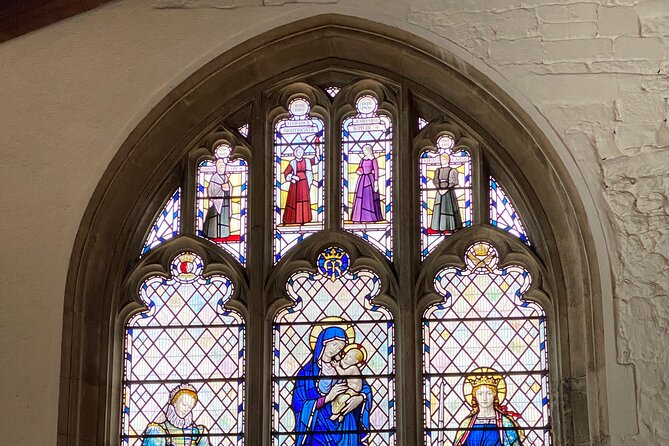
At St. Mary Woolnoth Church, the focus shifts to John Newton, a slavery abolitionist who was rector there. This stop grounds the moral story in a real person connected to a specific church site.
If you want the walk to feel human—not just institutional—you’ll like this. It’s one of the places where the history becomes easier to remember because it connects a recognizable name to a physical location.
Bank of England Museum and Threadneedle Street: apology, statues, and the Royal Africa Company
The Bank of England Museum stop is designed to hit both memory and accountability. The tour notes that the Bank has apologised for the involvement of some past directors and governors in the slave trade. It also mentions a commitment to remove statues and paintings of those figures from public display in the Bank’s Threadneedle Street building.
From a value standpoint, this is powerful because it turns history into something you can still observe today—what’s being removed, what’s being acknowledged, and what the public sees.
The walk also ties the Bank area to the Royal Africa Company, explaining that sheriffs, mayors, and aldermen of the City of London met there as shareholders. That’s the City’s local leadership linked to the structure of the trade, not only the distant empire story.
St. Paul’s Cathedral area: closing with a landmark you know
The route finishes by the St. Paul’s Underground station on the Central line, and it includes St. Paul’s Cathedral in the closing stretch. The contrast is intentional: you end near a landmark many people come to for beauty and scale, while you’ve spent the last stretch learning what the City helped enable.
If you plan your day around views, this ending works. You’ll likely be able to step out of the walk and look at St. Paul’s again with different eyes.
Why the Roman-to-abolition timeline works (and where it might feel dense)
One reason this tour lands well is the timeline approach. You start with Roman London, then jump to the East India Company and trade-era London, then move into abolitionists like Granville Sharp and John Newton, and finally reach the Bank of England’s modern-facing accountability.
That arc can be dense, but it’s also meaningful. You’re not just learning that slavery existed—you’re learning that London’s systems, borders, and institutions helped shape it across centuries.
You might not want heavy topic stacking back-to-back if you prefer a gentler pace. The good news is the guide breaks the walk into bite-sized stops and keeps the conversation moving, with humor and clarity mentioned again and again in the guide’s style.
The guide makes it feel like street history, not textbook history
Sam’s Walks is built around a specific kind of guiding: place-based explanation. The route leans on architectural details and uses oral history and imagery connected to the guide’s research.
That style matters in London, because the city can flatten history. One building can look like another if you don’t know what to notice. With this approach, you learn what to focus on when you’re standing in front of it.
You’ll also hear the kind of talk that treats the City of London as its own entity. The walk highlights how the Square Mile is separate in key ways (including references to its own mayor and police force), which helps explain why some of its trade and governance history feels distinct from the rest of the UK.
In short: you leave with a better mental map of the City, not just a list of stops.
Hidden sights: how “most travelers miss it” becomes real

A big promise of this tour is hidden sights, and the way it delivers is by steering you into the details that don’t scream tourist attraction.
Fen Gardens with the Gilt of Cain Sculpture is a good example. It’s the kind of place you might never seek out on your own, yet it carries a direct abolition message.
Even the church stop works the same way. St. Mary Woolnoth isn’t just a “pretty church.” It’s used to connect a well-known abolitionist to the neighborhood, so you’re learning through everyday sights you’d otherwise treat like background.
Who should book this tour?
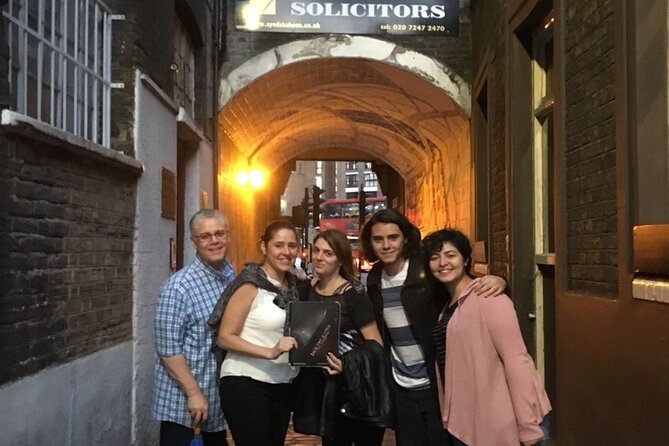
Book it if you want a City of London walk that connects landmarks to real trade and real moral choices. It’s a great fit if you like history that’s grounded in street corners, not just museum walls.
It also suits group travelers who want something more thoughtful than a standard sights tour, especially since the group size is capped at 35.
You might skip it if you’re looking for a light, breezy overview. This one deals with slavery and the structures behind it, even when the guide keeps the tone balanced and sometimes even upbeat.
Should you book the Slavery and City of London Walking Tour?
I’d book this tour if you care about understanding London beyond postcards. The price is reasonable for the time, the route uses many free-to-view stops, and the guide’s style turns hard topics into something you can actually process while walking.
If you only have time for one City of London walk, this is a strong choice because it gives you both recognizable landmarks and the lesser-known places that connect the story.
If you’re sensitive to heavy subject matter, go in with your expectations set. Wear comfortable shoes, plan a calm buffer afterward, and you’ll get far more than a quick stroll.
FAQ
How long is the Slavery and City of London walking tour?
It runs for about 1 hour 30 minutes.
Where does the tour start?
The meeting point is Tower Hill Tram, Trinity Square, London EC3N 4TH.
Where does the tour end?
It ends at Aldgate Underground station area, near Aldgate High St, London EC3N 1AH.
What’s the group size limit?
The tour has a maximum of 35 travelers.
How much does it cost?
The price is $27.43 per person.
Is a mobile ticket provided?
Yes, the tour uses a mobile ticket.
Do you need to pay admission to see the stops?
Many of the listed stops are marked as admission ticket free.
Is the tour dependent on weather?
Yes. It requires good weather, and if it’s canceled due to poor weather you’ll be offered a different date or a full refund.
What time does the tour start?
The start time listed is 12:00 pm.
Who operates the tour?
The experience provider is Sam’s Walks.