REVIEW · LONDON
The British Museum London: Private Guided Tour – 3 hour
Book on GetYourGuide →Operated by ArtGuides · Bookable on GetYourGuide
The British Museum can swallow hours fast. With a private guide, I like how this 3-hour route zeroes in on the biggest global treasures and the stories that connect them, from the Rosetta Stone to the Parthenon Marbles. You also get the museum’s own history as you go, which makes the collections feel less random and more like one long timeline.
My favorite part is the way your guide’s commentary turns museum objects into historical moments you can actually picture. One drawback to plan for: you’re seeing major highlights, not trying to cover the whole building, so if you’re hoping to leave with every wing checked off, this format may feel a bit short.
In This Review
- Key things that make this tour worth your time
- A 3-hour plan for a museum this size
- Meeting at the rear entrance on Montague Place (fast start)
- Your first stop: grounding the British Museum story
- Parthenon Marbles and the Rosetta Stone, explained for real context
- Egyptian art and mummies: what to look for beyond the wow factor
- The Lewis Chessmen: art, play, and history in one set of objects
- Waddesdon Bequest and Sutton Hoo Treasure: royal-scale meaning, museum-scale clarity
- Ancient Greek and Roman masterpieces, plus Chinese works of art
- What’s actually included (and what you should plan for)
- Price and value: $263 per group up to 5
- English live guide: the difference a human makes
- Wheelchair access, and who the format fits best
- Who should book this British Museum private tour
- Should you book it?
- FAQ
- How long is the British Museum private guided tour?
- Where do we meet the guide?
- Is museum entry included?
- Are temporary exhibitions included?
- How much does it cost and how many people can be in the group?
- Is the tour private?
- What language is the tour guide?
- What’s the cancellation and payment policy?
Key things that make this tour worth your time
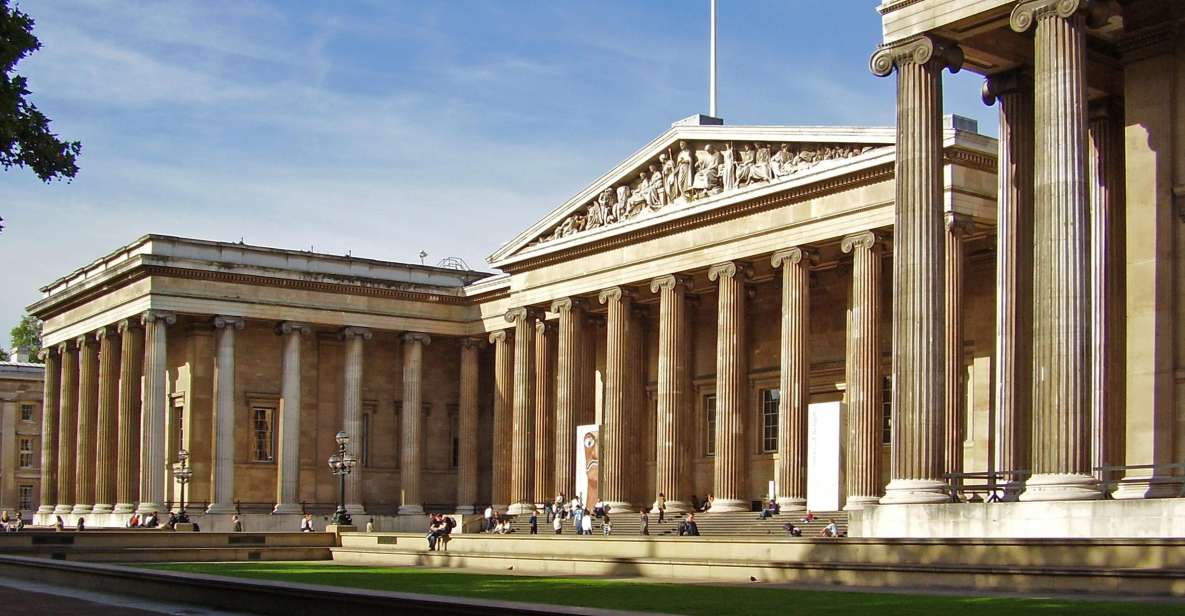
- A focused 3-hour hit list across ancient and later world civilizations, with context that makes stops click.
- Parthenon Marbles (Elgin Marbles) and the Rosetta Stone handled as more than famous names you glance at.
- Egyptian art and mummies explained in a way that helps you understand what you’re looking at.
- Lewis Chessmen, Waddesdon Bequest, and Sutton Hoo Treasure in one guided sweep.
- A guided route that works even when the museum layout is complex and busy.
A 3-hour plan for a museum this size
The British Museum is massive. Even if you know what you want to see, it’s easy to lose time drifting between rooms. This private 3-hour format is built to prevent that—your guide keeps the pace and the focus, so you can hit key objects and learn why they matter.
I like that the tour isn’t pretending you’ll see everything. It’s more practical than that: you’ll leave having seen iconic works and understood their place in a bigger story, rather than collecting a list of “I saw that” photos.
You can also read our reviews of more guided tours in London



Meeting at the rear entrance on Montague Place (fast start)
You meet at the rear entrance on Montague Place. Your guide holds a large card with your name printed on it, which helps you find the right person quickly.
There’s also a real-time-saver here: the meeting point is described as having no queue. That matters because the museum is often busy, and getting moving early helps you use your three hours efficiently.
Your first stop: grounding the British Museum story
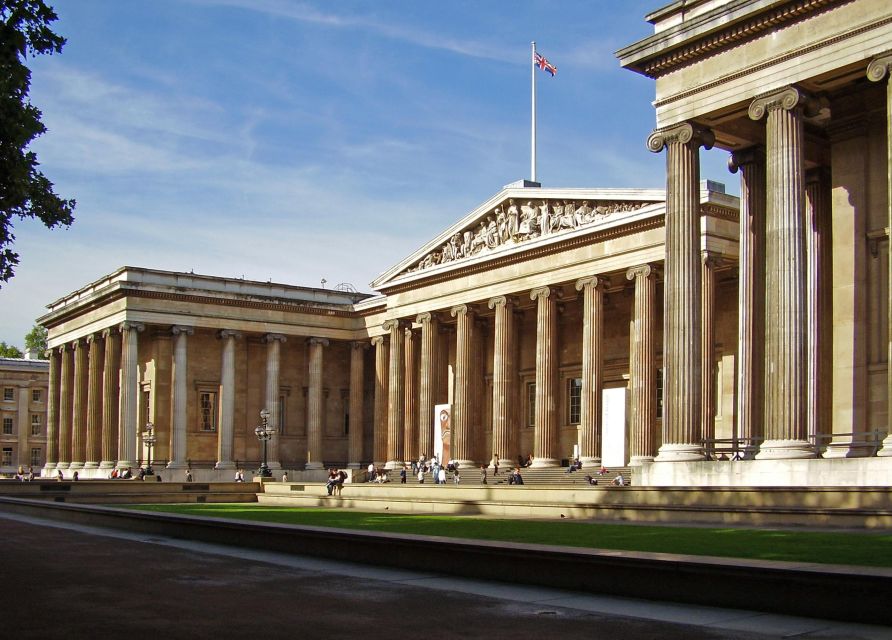
Before jumping into the heavy hitters, the tour covers the museum’s history and how its vast collection is organized. That brief foundation is more useful than it sounds. Once you understand how the museum thinks—what it collects, why it’s presented, and how artifacts are grouped—you read the next galleries differently.
You’re not just looking at objects. You’re learning a system. And that makes even familiar icons feel clearer.
Parthenon Marbles and the Rosetta Stone, explained for real context
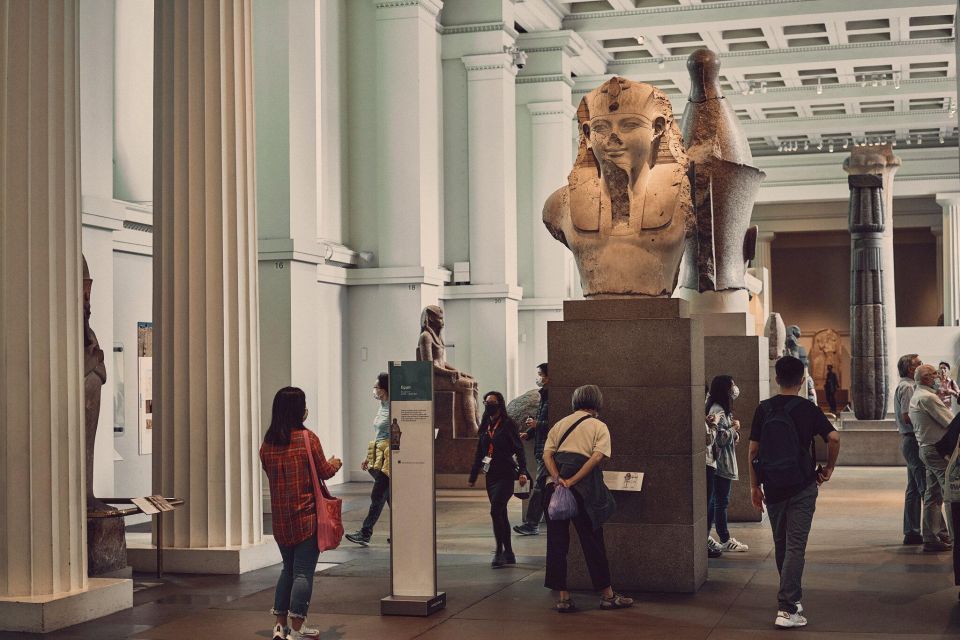
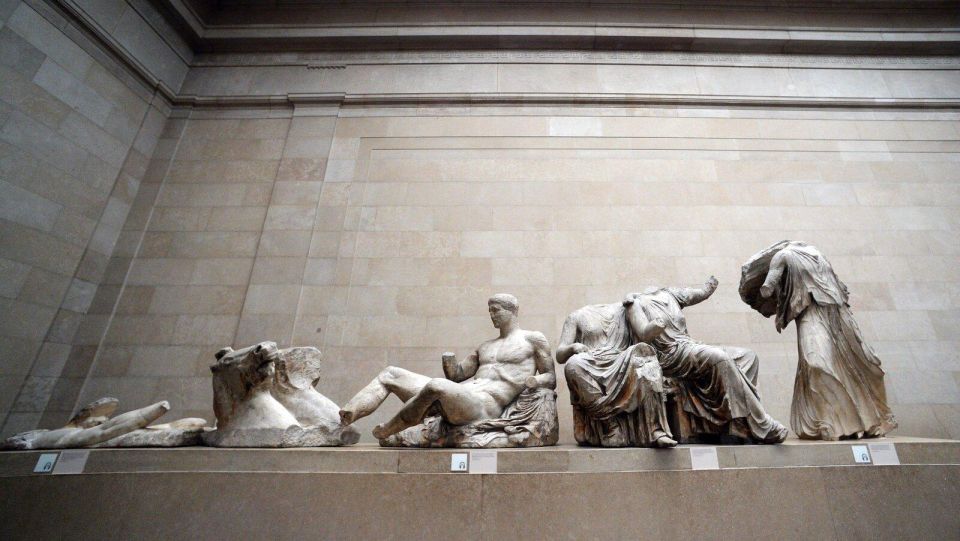
Two objects anchor many first-time British Museum visits: the Parthenon Marbles (Elgin Marbles) and the Rosetta Stone. In this tour, they’re not treated like quick photo ops. Your guide gives you the historical framing so the significance lands while you’re standing in front of the artifacts.
With the Parthenon Marbles, the key value is the context: these are works tied to ancient Greek art and civic identity. When you understand what they were made to represent, you can start noticing details that would otherwise feel like “pretty carvings.”
Then comes the Rosetta Stone, which is famous for a reason: it’s a crossroads artifact that helped unlock understanding of languages. Your guide’s job is to connect that fame to what you’re actually seeing, so it’s less of a mythic museum legend and more of a tangible turning point.
Egyptian art and mummies: what to look for beyond the wow factor
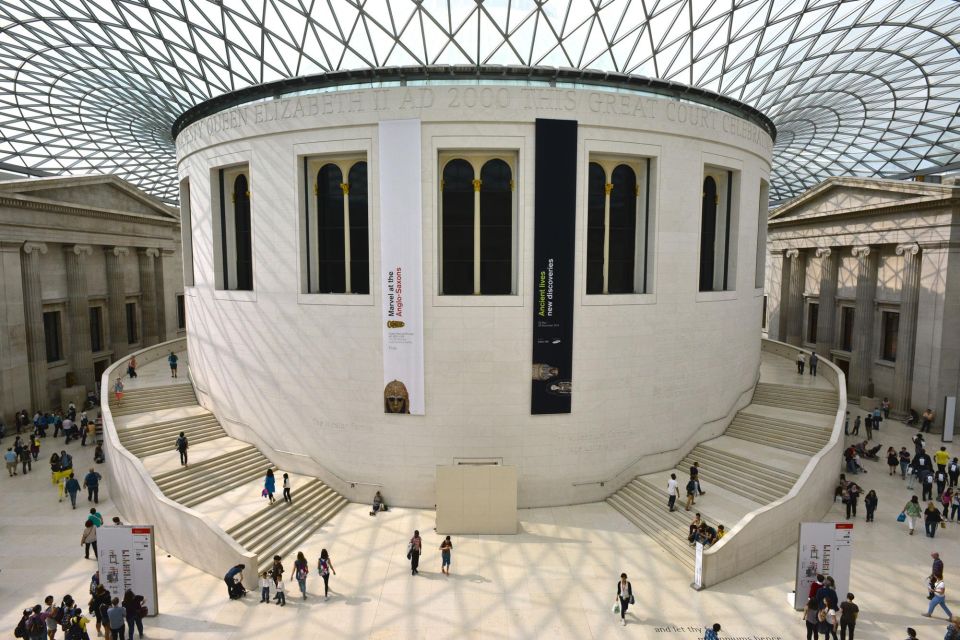
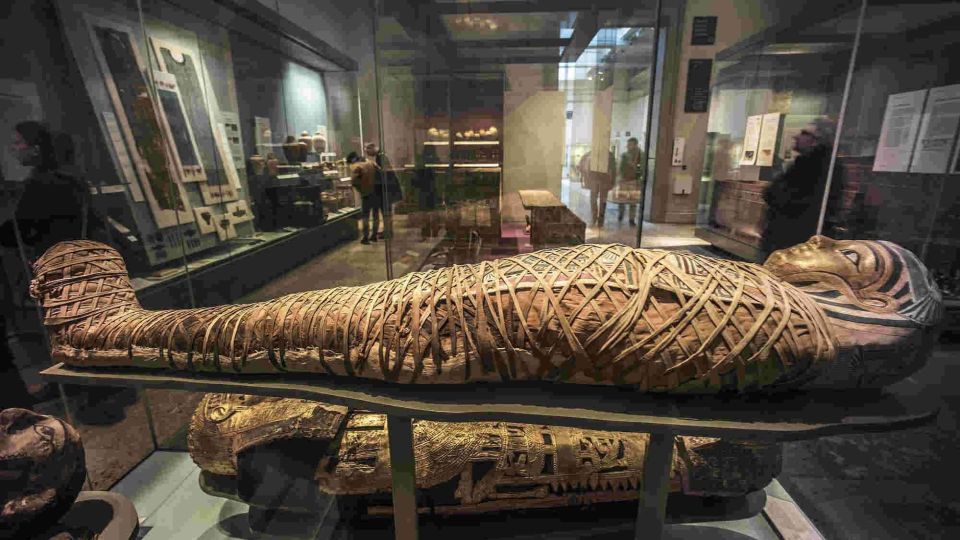
Egyptian galleries are often a highlight because the objects feel instantly dramatic—especially mummies. But the magic wears off fast if you don’t know what you’re looking at. On this tour, Egyptian art and mummies are explained with historical context, so you’re not just reacting to the spectacle.
You can expect commentary that ties the artifacts to the culture that produced them and the beliefs that shaped how people were remembered. That difference is big. It turns a collection of fascinating objects into evidence of how life, death, and status were understood.
You can also read our reviews of more private tours in London





The Lewis Chessmen: art, play, and history in one set of objects
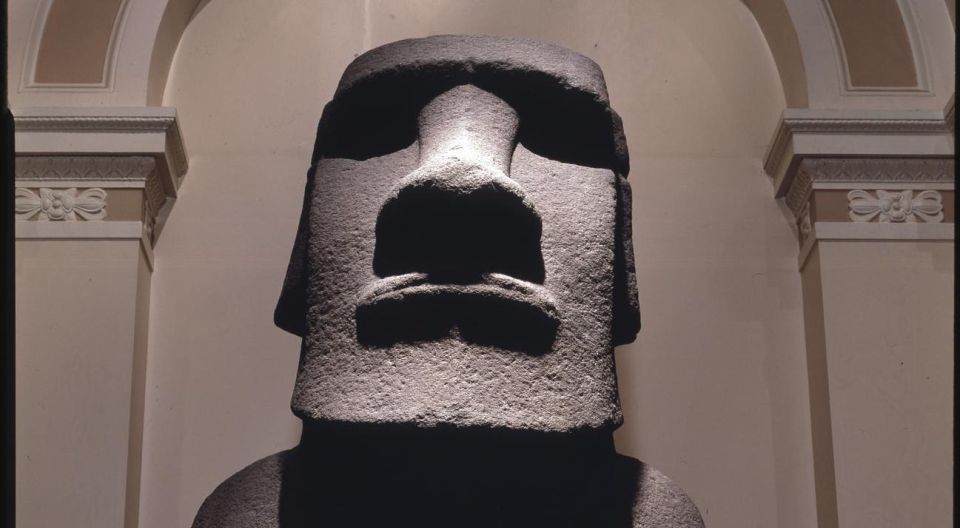
The Lewis Chessmen are small compared with the museum’s headline pieces, but they’re exactly the kind of artifact that benefits from a guide. Your stop isn’t just about seeing chess pieces; it’s about understanding what these objects reveal about the time and the makers.
When someone explains the story behind them, you start reading the craftsmanship and symbolism differently. You begin to see them as cultural artifacts—proof that leisure, skill, and style existed alongside the more famous “big events” we usually talk about.
Waddesdon Bequest and Sutton Hoo Treasure: royal-scale meaning, museum-scale clarity
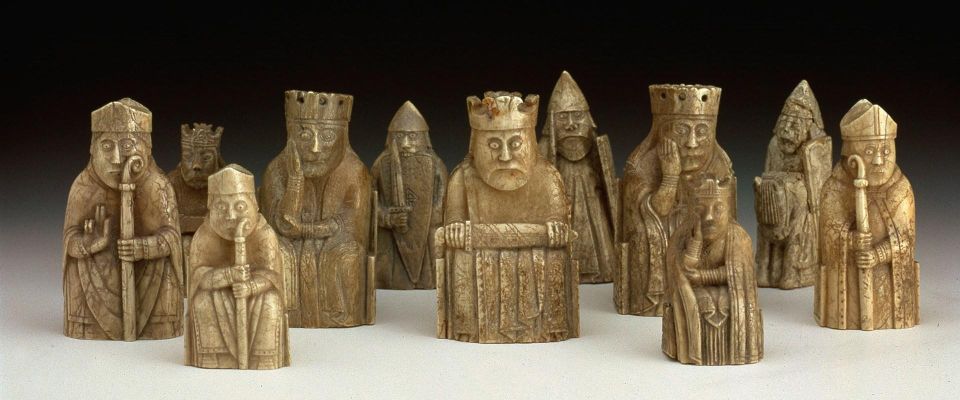
Two other stops bring you into the realm of high-status objects: the Waddesdon Bequest and the Sutton Hoo Treasure. These pieces can feel intimidating because they come with reputations. A private guide helps you move past the label and into the why.
With royal or elite treasure, your guide’s commentary helps you understand the human story: who had access to wealth, what craftsmanship meant, and how power was displayed. Standing in front of these artifacts becomes less about admiration and more about understanding the society behind them.
That’s also where a private tour shines. In a busy self-guided visit, you might scan for 10 seconds and move on. With a guide, you get enough time to make the objects intelligible.
Ancient Greek and Roman masterpieces, plus Chinese works of art
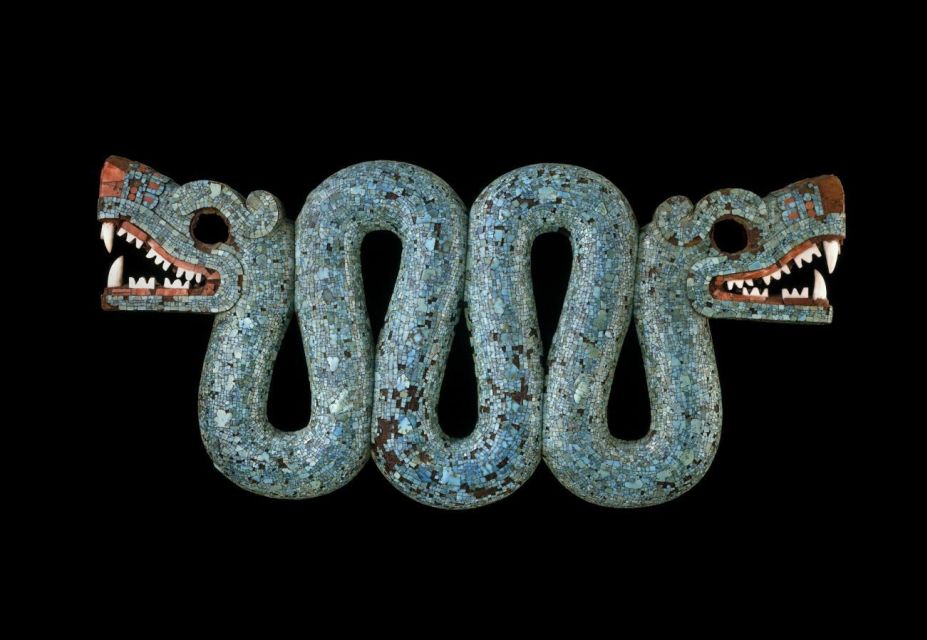
This tour isn’t a one-civilization visit. It’s built to cover major civilizations across a long span of time, and you’ll see Ancient Greek and Roman masterpieces alongside Chinese works of art.
That mix is valuable because it prevents the common first-time mistake: focusing on one “favorite” culture and ignoring everything else. You’ll still get detail, but in a way that helps you compare how different societies made meaning through art.
Your guide also plays a practical role here. The museum layout can be confusing, and different collections can feel disconnected if you’re only using your own intuition. The route keeps the narrative moving so the museum feels like one big conversation, not separate islands.
What’s actually included (and what you should plan for)
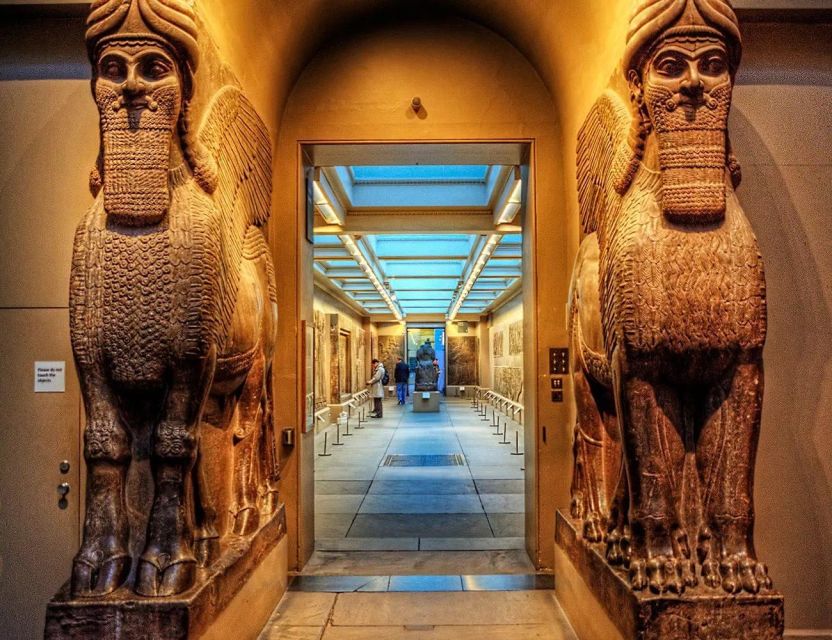
This private guided tour includes entry to the British Museum and the private guide. Temporary exhibitions are not included, so if a special show is a must for your dates, you’ll need to plan for that separately.
Also, since this is a highlight-based 3-hour experience, you should expect a curated selection from across the collections. You’ll see many big names, but not every gallery.
Price and value: $263 per group up to 5
The price is $263 per group, for up to five people, for three hours. That’s how you should evaluate the value: it’s not priced per person, it’s priced for a small group.
For families, close friends, or a small group of history lovers who don’t want to split up, a private guide can be better value than you’d expect. Even if you’re museum-savvy, the real cost savings isn’t money—it’s time. In a place this big, three guided hours can prevent the wasted wandering that self-guided visits often include.
If you’re only one traveler, the per-person cost effectively becomes higher. But if your goal is a tight, story-led tour of the big artifacts, you may still find it worth it for the focused attention.
English live guide: the difference a human makes
The tour uses a live guide in English, and that matters. Museums are full of objects that look static until someone explains the background. Here, the guide’s commentary places items in their proper historical context—so you can connect artifacts across time instead of treating them as unrelated exhibits.
One standout example from the guide experience: Mr. Robert Miller has been praised for engaging, story-driven explanations that bring the exhibits to life. If you get a guide with that kind of energy, you’ll likely feel the tour as more than a checklist.
Wheelchair access, and who the format fits best
The tour is listed as wheelchair accessible and uses a private group format. That’s a good sign for mobility planning.
One important consideration: it’s noted as not suitable for visually impaired people or hearing-impaired people. If that applies to your group, you’ll want to look for an alternative tour style that’s designed for your needs.
Who should book this British Museum private tour
This tour is best for you if:
- You want the major highlights without guessing where to go first.
- You’d rather hear context about the Rosetta Stone, Parthenon Marbles, Egyptian pieces, and key treasures than skim labels.
- You’re traveling with up to four others and can share the group price.
It may not be the best fit if:
- You’re hoping for a full museum walkthrough of every wing.
- You’re planning around temporary exhibitions that you must see.
- You need a tour type designed for visual or hearing accessibility.
Should you book it?
If your ideal London museum day is focused, story-based, and efficient, I think this is a strong pick. You’re paying for a guided route that helps you understand famous objects while you’re standing in front of them—especially when it covers the connections between ancient and later world treasures.
I’d book this tour if you want to leave with a clearer sense of how these collections fit together, not just a pile of photos. Just go in knowing the tradeoff: it’s a highlight plan, not an all-day, everything route. If that matches your style, you’ll likely find it one of the best ways to experience the British Museum without losing hours to confusion.
FAQ
How long is the British Museum private guided tour?
The tour lasts 3 hours.
Where do we meet the guide?
Meet at the rear entrance on Montague Place. Your guide will be holding a large card with your name printed on it.
Is museum entry included?
Yes. Entry to the British Museum is included.
Are temporary exhibitions included?
No. Temporary exhibitions are not included.
How much does it cost and how many people can be in the group?
The price is $263 per group for up to 5 people.
Is the tour private?
Yes. It’s a private group tour.
What language is the tour guide?
The live tour guide speaks English.
What’s the cancellation and payment policy?
You can cancel up to 24 hours in advance for a full refund. You can also reserve now and pay later, meaning you pay nothing today.