REVIEW · LONDON
The Great British Museum Experience
Book on Viator →Operated by The Great Weekender · Bookable on Viator
Big artifacts, smaller crowds.
This British Museum experience is built for people who want the main masterpieces without getting stuck in the usual crush. I like that it’s a small group (max 15), so your guide can actually talk and answer questions instead of shouting over everyone. You’ll also avoid the typical London crowd flow that can turn even famous rooms into a slow, stop-and-go shuffle.
One of the best parts is the built-in flexibility: your guide selects stops based on what you care about. The highlights can include the Rosetta Stone and the Elgin/Parthenon Marbles, with enough background to make the famous pieces feel more than just pictures on your phone.
The trade-off is simple: it’s about selected highlights in about 2.5 hours, not a museum-by-museum walkthrough of everything. If you’re the type who likes to linger for an hour in one gallery, you might wish this ran longer.
In This Review
- Key highlights worth knowing before you go
- Why this British Museum tour feels different with a 15-person cap
- Meeting at Museum Tavern and getting inside without wasting time
- Museum origins first: the people behind the world’s earliest public museum
- Stop inside the British Museum: Rosetta Stone and the Elgin Marbles
- How personalization changes your visit (and why the guide matters)
- A realistic look at the 2 hours 30 minutes: what you’ll get and what you won’t
- Price and value: why $93.68 can make sense for this setup
- Who this tour suits best (and who may want a different plan)
- Should you book this British Museum tour?
- FAQ
- How long is the British Museum tour?
- What’s included with the ticket?
- What language is the tour offered in?
- Where do I meet the guide?
- Is there a group size limit?
- Can I cancel for a full refund?
Key highlights worth knowing before you go
- Max 15 people means you get time to ask questions and actually hear your guide
- Timed entry + admission ticket included helps you spend more time inside and less time waiting
- Guide-selected highlights match your interests, not some generic route
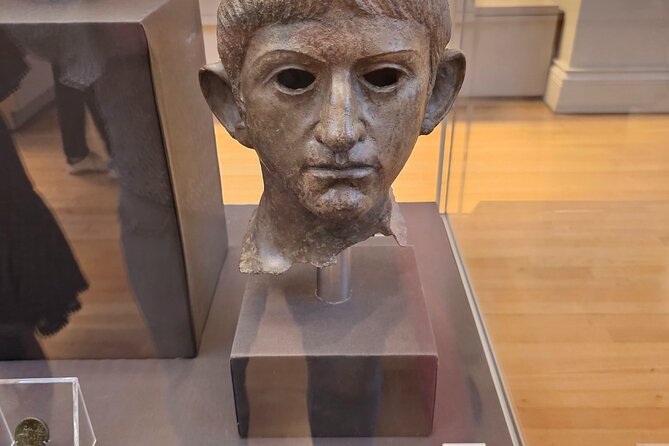
- Rosetta Stone and the Elgin Marbles are on the typical “must-see” list
- Wesley-style guiding (named in one standout experience) is praised for pointing out less-obvious stops and explaining what you’re looking at
Why this British Museum tour feels different with a 15-person cap
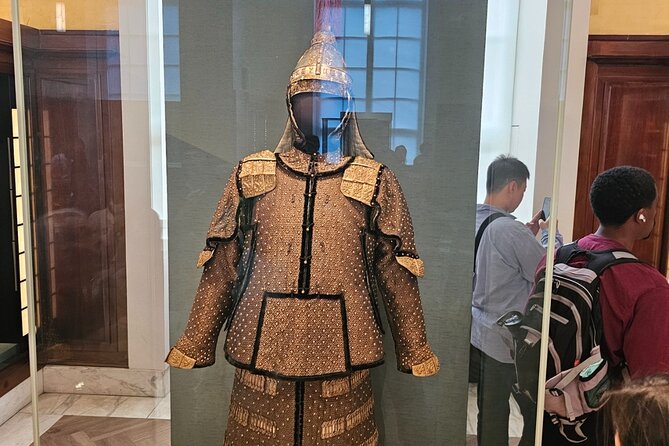
If you’ve visited the British Museum at peak times, you already know the problem: crowds can turn “education” into “survival.” This tour tackles that head-on with a group limit of no more than 15. That size matters more than it sounds. In a smaller group, your guide can slow down when something catches your eye and speed up when the group is ready.
I also like that the tour is framed around your interests, not a rigid script. So instead of rushing through rooms like you’re on a museum conveyor belt, you’re more likely to land in the right places. And since the guide is local and experienced, you get practical, human explanations rather than just a facts-only lecture.
That small-group setup is also the reason this works well for people who love history but don’t want to spend two days planning museum strategy. You can show up, get guided, and walk away with a sharper sense of how the collection was built.
You can also read our reviews of more museum experiences in London



Meeting at Museum Tavern and getting inside without wasting time
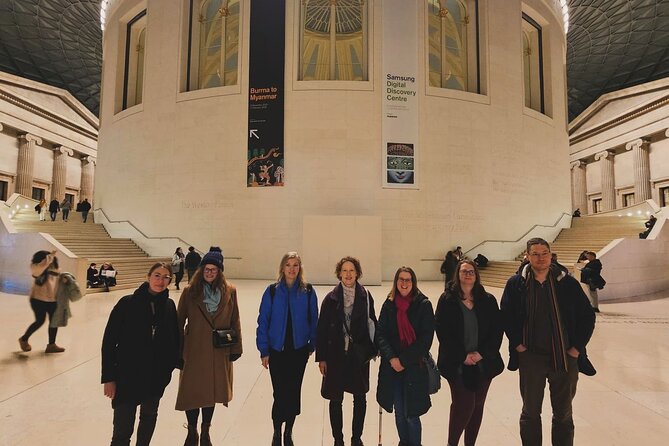
Logistics are where good tours earn their keep. This one meets at Museum Tavern, 49 Great Russell St, London WC1B 3BA. The guide will meet you outside the front of the museum between two red telephone boxes on Great Russell Street. Then the group does an intro and gets arranged for entry.
Two practical details help a lot:
- Timed entry is included, so you’re not just wandering the queue system.
- You’ll have a mobile ticket, which is easy to manage on your phone (good news when London weather decides to do London weather things).
The tour also starts and ends back at the same meeting point, which is convenient. You’re not left figuring out how to get back across the museum campus at the end.
One more thing: this is offered in English, and the tour notes say it’s near public transportation. So even if you’re staying somewhere outside central London, you should be able to get there with less hassle than you’d expect from an all-day museum plan.
Museum origins first: the people behind the world’s earliest public museum
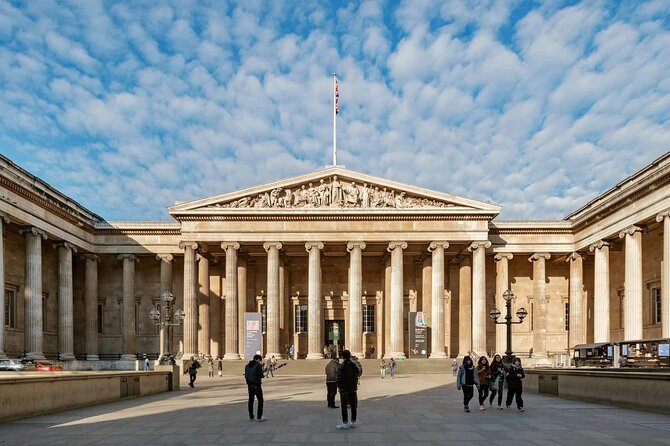
You don’t start with artifacts right away. Instead, you’ll hear about the origins of the British Museum and the people who started the earliest public museum in the world. That may sound like a boring warm-up, but it sets the tone for everything you’ll see.
Here’s why I think this matters: museum objects can feel like they were dumped into glass cases from different corners of the world. A quick origin story explains the idea behind the collection and the early push to make knowledge public. Even if you’re not a museum scholar, you’ll understand why the British Museum is structured the way it is and why certain categories of objects were collected and displayed.
It also gives your guide a chance to calibrate the route. If someone in your group is most excited about writing systems, empire-era artifacts, or classical sculpture, the guide can shape the highlights to match. And because the group is capped at 15, you’re more likely to get that personalization rather than a one-size-fits-all explanation.
Stop inside the British Museum: Rosetta Stone and the Elgin Marbles
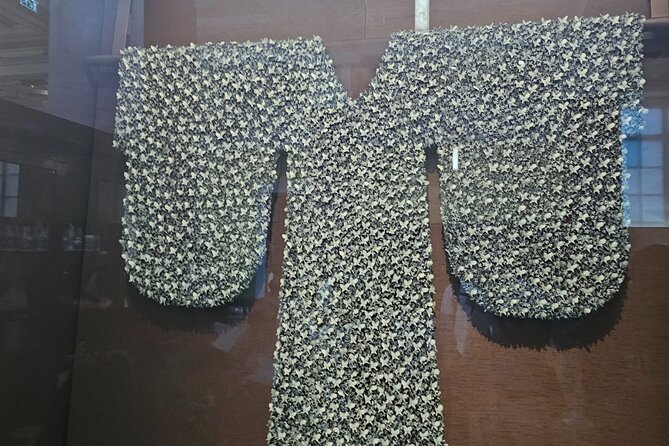
Once you’re in the museum, the tour shifts to selected highlights chosen by your guide according to your interests. The core “headline” stops can include the Rosetta Stone and the Elgin Marbles (linked in the description to Greece and the Parthenon sculptures).
The Rosetta Stone is famous for a reason, but fame can make people forget to look closely. A good guided stop helps you focus on what’s in front of you: why the object matters and how it connects to the idea of language, translation, and knowledge spreading. Even if you think you already know the basics, the real payoff comes from having context spoken plainly, not as a textbook paragraph.
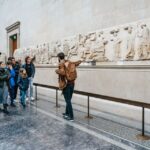
Then there are the Elgin/Parthenon Marbles—another famous cluster of objects where a guide’s background helps you see more than just “old stone.” You get the story and background, plus how these sculptures fit into a larger cultural picture from Greece. The point isn’t to turn the moment into a debate; it’s to help you understand why they’re treated as key masterpieces and how museum displays shape what people notice.
And yes, the experience is still about variety beyond these stars. The tour description says you’ll see other interesting artifacts too. So even if those two headline pieces are what drew you in, you should also come away with at least a few extra stops that feel tailored rather than stock.
How personalization changes your visit (and why the guide matters)
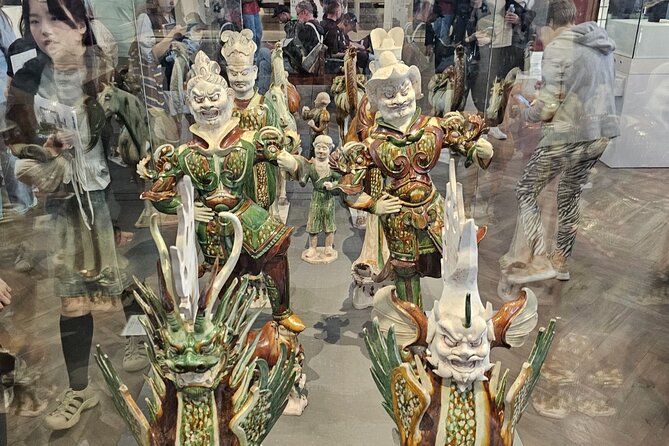
This is not a “walk fast, look quickly” situation. The tour is explicitly described as personalized to the group’s tastes. That usually translates to two concrete benefits you’ll feel on the ground:
1) You spend time where you’re interested.
2) You get better explanations where your attention lands.
That second part is big. Museum guides can either read facts off a card or make objects click. In one highly praised experience, a guide named Wesley is singled out for taking the group to items the person never would have thought to stop at—and for making the explanations meaningful. That’s exactly the kind of value you want here. The British Museum has more objects than you can possibly “do” in one outing. A guide who can spot your interests and steer you toward the right rooms saves you from randomly drifting and missing the good stuff.
Also, because the guide chooses highlights for your group, the tour tends to feel more like learning with a person than sightseeing with a timer. You’re guided through an introduction and then onward to the selected highlights.





A realistic look at the 2 hours 30 minutes: what you’ll get and what you won’t
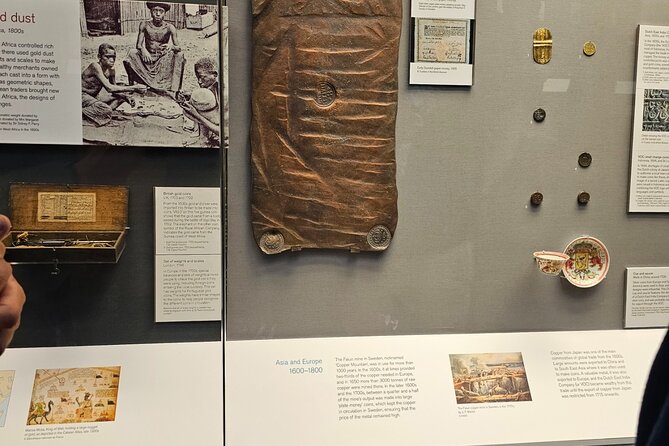
Let’s talk about time honestly. The total duration is about 2 hours 30 minutes, and the format is built for seeing “selected highlights.” That’s a smart choice for first-timers or for people who want the museum experience without turning it into a full-day commitment.
What you’ll likely get:
- A museum intro that gives context before you start staring at stone and glass
- Headline objects like the Rosetta Stone and the Elgin Marbles
- Several additional stops based on your interests
- Admission handled via timed entry, so you don’t spend the whole plan waiting
What you won’t get:
- A complete museum survey
- Time to read every placard slowly in every room
- The kind of flexible roaming you’d do if you were visiting independently
Also, the tour info notes moderate physical fitness is needed. It doesn’t mean you need athletic shoes and a marathon mindset, but you should be comfortable walking through museum areas and standing while your guide talks. Service animals are allowed, and that’s helpful to know if you rely on one.
If you’re the type who loves to take your time with one subject, consider this tour as your “guided anchor.” Then, if you come back later on your own, you’ll know where to spend your extra hours.
Price and value: why $93.68 can make sense for this setup
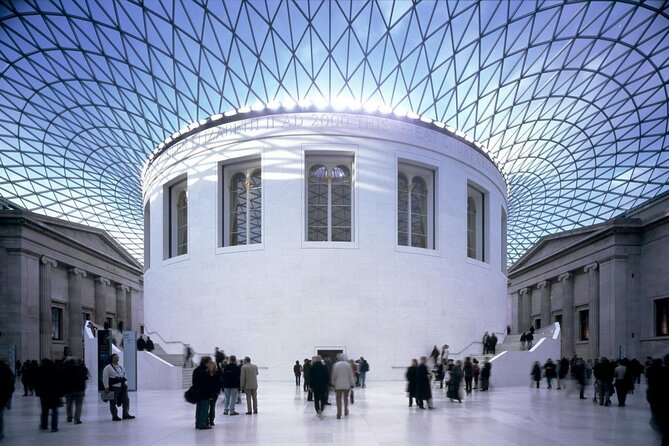
At $93.68 per person for about 2.5 hours, this isn’t a cheap “just buy a ticket” museum outing. But you’re paying for several things that add up:
- A local, experienced tour guide
- Timed entry (and ticketing is included)
- A small group cap that improves the quality of the experience
- Your highlights are selected based on your interests, which saves you time
If you were to visit on your own, you’d still have access to the museum—but you’d lose the guided context that turns famous pieces into understandable objects. You’d also be more likely to wander into the wrong galleries for your interests, because the British Museum is huge and easy to misread if you don’t know what you’re looking for.
So the value calculation here is about time and sense-making. You’re not just buying access. You’re buying a guided route that tries to maximize what you learn during the exact time you have.
Who this tour suits best (and who may want a different plan)
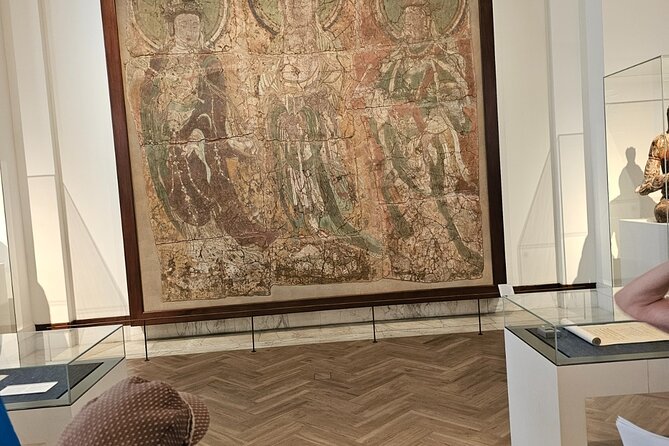
This works especially well if:
- You’re a history buff who wants strong interpretation, not just images
- You’re visiting London with limited time and still want top-level museum moments
- You prefer smaller groups so you can actually hear your guide
- You want your visit shaped by your interests (instead of a fixed itinerary)
You might want a different approach if:
- You’re hoping to see everything the museum has to offer
- You love slow, independent wandering with lots of unstructured time
- You want a long, multi-hour deep pass through many galleries rather than a focused highlights session
A good way to think about it: this is a high-impact tour that helps you get your bearings and get the stories straight.
Should you book this British Museum tour?
Yes, if you want a guided highlight route that respects your attention span. The small group size, the focus on timed entry, and the guide-led selection of stops make this a strong option for first-timers and for people who don’t want London crowds to control their day.
I’d especially recommend it if Rosetta Stone–type icons and classical sculpture are on your list, but you also want the guide to steer you toward additional meaningful artifacts. And if you like the idea of being guided by someone who can explain background clearly—while still letting the group’s interests shape the route—this is a good match.
If you have time for a full independent museum day later, you can treat this as the setup tour. You’ll know what to return to, and you’ll spend those extra hours with better context.
FAQ
How long is the British Museum tour?
The tour runs for approximately 2 hours 30 minutes.
What’s included with the ticket?
It includes admission ticket access, a full guided tour by an experienced local tour guide, and timed entry to the museum.
What language is the tour offered in?
The tour is offered in English.
Where do I meet the guide?
Meet at Museum Tavern, 49 Great Russell St, London WC1B 3BA, UK. The guide meets you outside the museum front between the two red telephone boxes on Great Russell Street.
Is there a group size limit?
Yes. The tour has a maximum of 15 travelers.
Can I cancel for a full refund?
Yes. You can cancel up to 24 hours in advance for a full refund.