REVIEW · LONDON
The History of London City Center Tour Semi-Private 12ppl Max
Book on Viator →Operated by Babylon Tours London · Bookable on Viator
Westminster in one smart walking loop. This semi-private 2.5-hour London tour strings together major landmarks while your guide explains how the city’s story runs from Roman-era roots to modern power.
Two things I really like: the group stays small (max 12), so the guide can answer questions instead of talking into the void. And the route is built for active walking, hitting big-name sights like Trafalgar Square, Downing Street, and Buckingham Palace without wasting time on long transfers.
One possible drawback to keep in mind: the tour is mostly a walk-and-look experience, and key spots aren’t included as entry tickets. Westminster Abbey is exterior at the end with entry available for you to visit on your own (no guided interior), and Churchill War Rooms and Big Ben don’t include admission.
In This Review
- Key Highlights to Expect
- Why This Covent Garden to Westminster Walk Makes Sense
- Small-Group “Semi-Private” Means You’ll Actually Get Answers
- Price and Value: What $59.28 Buys You (and What It Doesn’t)
- First Stops: Covent Garden and the Saxon-to-Theatre Shift
- Trafalgar Square, Nelson’s Column, and What Protests Have in Common
- Admiralty Arch and Whitehall: Where Power Lives (and Walks)
- Downing Street and St. James’s Palace: Royal and Prime-Minister England
- Buckingham Palace: The Working Building Angle
- Churchill War Rooms Area: WWII Power Under the Streets
- Big Ben and the Houses of Parliament: Seeing the Gothic Power Center
- Finishing at Westminster Abbey: Entry on Your Own Time
- Timing, Pace, and the Gear That Keeps You Happy
- When Routes Change (National Celebrations) and Why You Should Expect It
- Who This Tour Fits Best
- Should You Book This London City Center History Tour?
- FAQ
- How long is the London City Center history walking tour?
- What’s the group size for the semi-private option?
- Where do you meet and where does the tour end?
- Is Westminster Abbey included with guided entry?
- Are tickets included for Churchill War Rooms and Big Ben?
- What accessibility limitations should I know about?
Key Highlights to Expect
- Max 12 guests: small-group attention with a faster, more personal pace
- Roman-to-royalty timeline: your guide connects leaders, wars, and government through the streets
- Covers the classic core: Trafalgar Square, Whitehall, Downing Street, Buckingham Palace, Westminster Abbey
- WWII context included: you pass the Churchill War Rooms area and learn what it was used for
- End at Westminster Abbey: you finish at the Abbey with time to enter on your own
- Rain or shine: you keep moving even if the weather turns London-stubborn
Why This Covent Garden to Westminster Walk Makes Sense
London is big, but its center is easy to understand when you can see the connections. This tour gives you that “everything links together” feeling by walking through the government-and-monarchy spine of the city.
You start in Covent Garden, then work your way toward Westminster Abbey. Along the way, your guide ties the landmarks to real moments: monarchs, political power, and wartime leadership—especially the kind of history you miss when you’re just snapping photos.
The format is also practical. It’s not a long day of bus rides and far-off detours. It’s a single walking story, designed for people who want to get oriented fast.
You can also read our reviews of more city tours in London



Small-Group “Semi-Private” Means You’ll Actually Get Answers
“Semi-private” here isn’t marketing fluff. The cap is 12 travelers maximum, which matters in London, where crowded tours can turn into one-way voiceovers.
With a smaller group, you’re more likely to get:
- clearer explanations when you stop
- quick answers when you ask why a place matters
- a pace that fits a normal sightseeing walk rather than a sprint
You’ll also feel the difference in stress level. London center gets busy—especially around the major squares and government buildings. A group this size helps you move with purpose instead of getting swallowed by foot traffic.
And yes, the reviews strongly echo this. People praise guides by name—Matilda, Guy, Andrew, Gerg, Jake, Alexandra, and Becky—for being friendly, understandable, and tuned in to the group. Even when everyone’s curious about different things, the small size keeps the conversation from getting lost.
Price and Value: What $59.28 Buys You (and What It Doesn’t)
At about $59.28 per person for roughly 2 hours 30 minutes, you’re paying for a focused walk with a professional guide. You’re not paying for lots of separate attraction admissions.
Here’s the trade-off:
- Included: the guided walking tour, the guide’s time, and an end stop at Westminster Abbey for you to enter on your own.
- Not included: admission tickets for Churchill War Rooms and Big Ben, and the tour does not include a guided interior visit of Westminster Abbey.
So the value isn’t in “every stop is a paid attraction.” It’s in using the guide to make the landmarks click. For first-timers, that’s often the best kind of value: spend less time figuring out what you’re looking at, and more time understanding why it matters.
First Stops: Covent Garden and the Saxon-to-Theatre Shift

Your tour begins at Covent Garden, which is more than shopping and street energy. You’ll hear how the area’s history can reach back to early settlement, with roots as early as the 7th century and a Saxon settlement origin.
This is a smart place to start because Covent Garden gives you a warm-up zone. It’s easier to settle your walking pace here, and it’s also lively enough that you don’t feel like you’re waking up mid-tour.
If you like history but hate boring lectures, this part tends to work well. You’re walking through a place that still feels like a district, not a museum corridor.
Trafalgar Square, Nelson’s Column, and What Protests Have in Common
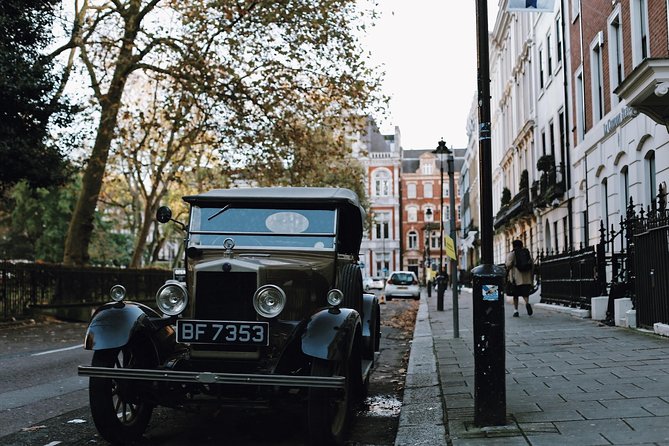
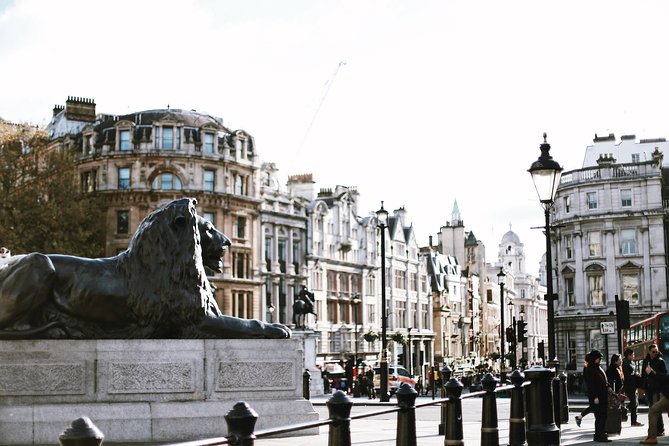
Next comes Trafalgar Square, and the story behind it goes way beyond the famous statues.
You’ll learn that the square commemorates the Battle of Trafalgar, a British naval victory during the Napoleonic Wars. And you’ll also hear how the square has been a stage for protests and demonstrations that continue to this day.
Then you’ll pause at Nelson’s Column, built to honor Admiral Horatio Nelson, who died at Trafalgar in 1805. This is where the city’s symbolism becomes easy to understand: London doesn’t just remember events with plaques. It builds permanent visual anchors.
Plan for a short stop here. Even at 10 minutes, the goal isn’t to linger—it’s to give you enough context that the rest of the walk feels meaningful.
You can also read our reviews of more private tours in London






Admiralty Arch and Whitehall: Where Power Lives (and Walks)
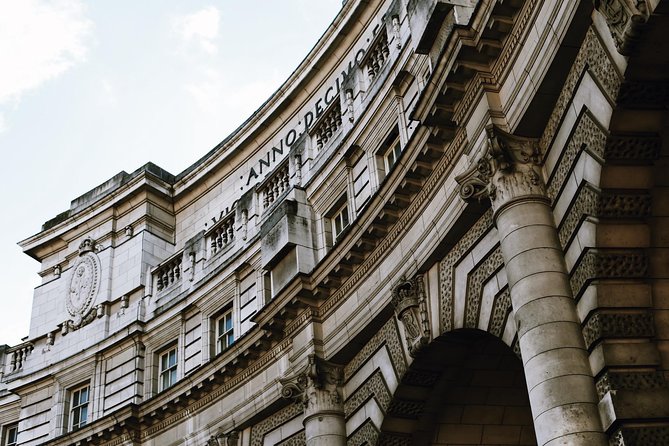
From Trafalgar, you move through Admiralty Arch, which provides road and pedestrian access between the Mall and Trafalgar Square. You’ll hear it was commissioned by King Edward VII in memory of Queen Victoria.
That detail matters. It’s a reminder that these places aren’t randomly “pretty buildings.” They often mark transitions in royal eras.
Then you’ll walk along Whitehall, the long stretch running between Charing Cross and the Houses of Parliament. You’ll also get the name’s origin: Whitehall has been associated with major government offices since Henry VIII’s court at Whitehall Palace in the 1530s.
Whitehall is one of those areas where history is literally layered over modern administration. Walking it on foot helps you see the scale and proximity of the power center.
Downing Street and St. James’s Palace: Royal and Prime-Minister England
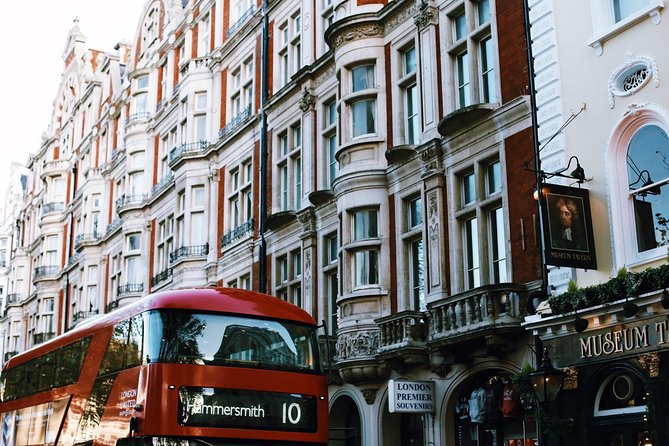
You’ll reach 10 Downing Street, the official location and working address associated with the Prime Minister. Even if you don’t expect a dramatic “inside visit,” the value here is the guided context: you’ll understand what this street represents in the UK’s government system.
You’ll also pass St. James’s Palace, described as the most senior royal palace in the UK. It’s been a royal residence for over 300 years, and you’ll hear how it connects to major events in royal history.
This is a good moment to remember the tour’s theme. You’re not just seeing famous front doors. You’re walking the physical links between monarchy and national leadership—power in two different costumes.
Buckingham Palace: The Working Building Angle
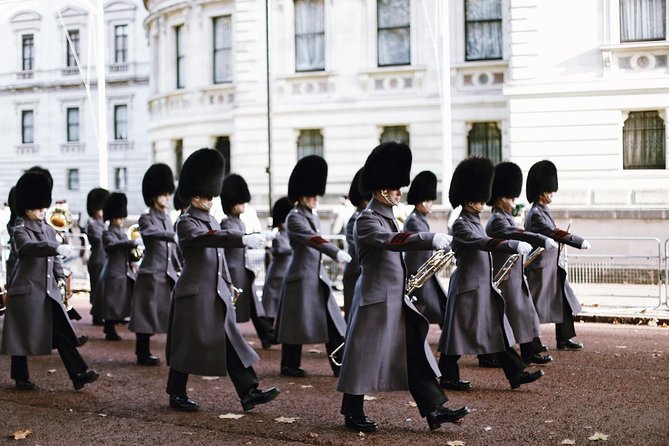
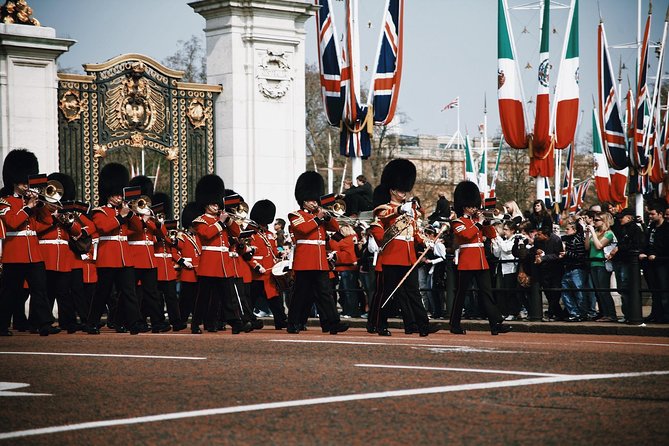
The tour includes Buckingham Palace, the official London residence of the UK sovereigns since 1827. The key framing is that it’s still a working building, not just a photo stop.
So even if you’re not getting a deep interior look, you’ll leave with a clearer sense of what it functions as administratively today.
On timing: one of the reviews mentions the changing of the guards and service bands when the timing worked out. That kind of moment isn’t guaranteed, but it’s a reminder that this area can deliver small live-history surprises if your schedule aligns.
Churchill War Rooms Area: WWII Power Under the Streets
You’ll pass the Churchill War Rooms, part of the Imperial War Museums. The tour focuses on the Cabinet War Rooms—an underground complex that served as a British government command center during the Second World War—and also references the Churchill Museum’s biographical angle.
Important note: the tour lists Churchill War Rooms admission as not included, so you should treat this as a guided pass-through with explanation rather than a built-in ticket to go underground.
Even so, the payoff is strong if you’re interested in how wartime leadership worked when communications and planning had to happen fast and securely.
Big Ben and the Houses of Parliament: Seeing the Gothic Power Center
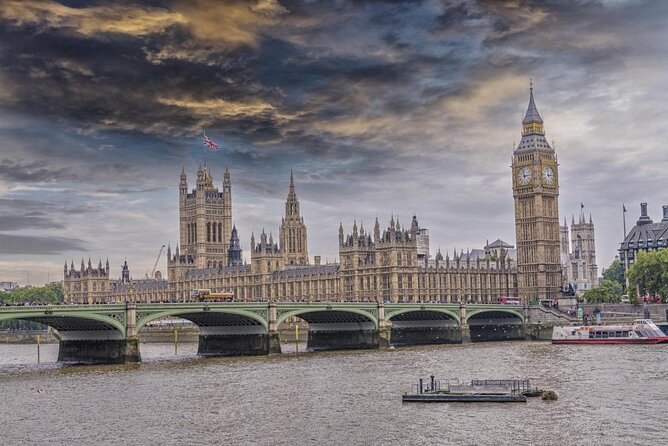
Then you’ll see Big Ben, the clock tower at the end of the Palace of Westminster. The tour doesn’t include admission for it, so think of this as a major exterior viewpoint—still worth it, because it anchors the whole Westminster area visually.
After that, you’ll see the Houses of Parliament, also known as Westminster Palace. You’ll hear it’s a Gothic style building with a history spanning over 900 years, and it’s where the House of Commons and House of Lords meet.
This is one of those “street-level history” experiences that feels different from a museum visit. You’re seeing governance as architecture and proximity—how decisions were meant to be made in place, not just in books.
Finishing at Westminster Abbey: Entry on Your Own Time
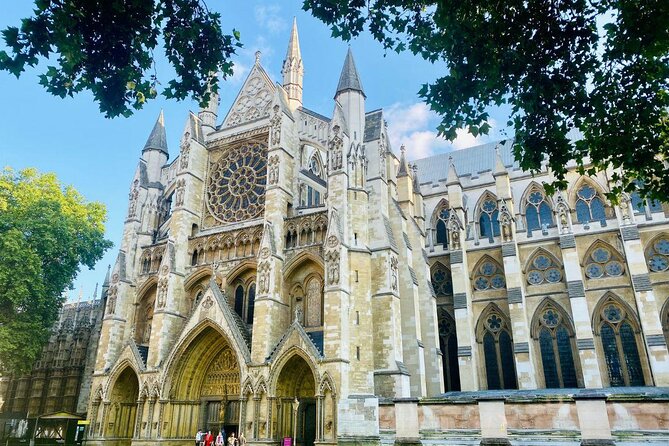
Your tour ends with the exterior of Westminster Abbey. Entry to the Abbey is included, but with a clear boundary: a guided tour of the Abbey interior is not included.
So what does that mean for you?
- You’ll finish at the right place with your guide’s orientation done.
- Then you can go inside and move at your own pace—unguided, but with the context you just got from the walk.
For many people, this is the best of both worlds. The walking tour gives meaning and connections. The Abbey visit lets you wander without feeling like you’re trapped in someone else’s script.
Timing, Pace, and the Gear That Keeps You Happy
This tour runs rain or shine, and it’s built for moderate physical fitness. It’s about walking through central London, so plan like you’re doing a solid city walk, not a casual stroll.
A few practical tips that make a big difference:
- wear comfortable shoes
- carry water
- bring an umbrella for rain
- bring a hat in summer
- skip large bags or suitcases—no large bags or suitcases are allowed
Also, you’ll want to be ready to meet your guide on time. The start is 10:00 am, and the meeting point is in/near public transit at Covent Garden.
One more detail worth taking seriously: you’re asked to provide a mobile phone number (with country code). That’s used for tour coordination, and it helps prevent last-minute confusion if plans shift.
When Routes Change (National Celebrations) and Why You Should Expect It
London can throw curveballs. If national celebrations affect the route, you’ll get an alternative route that still aims to see all the highlights.
The trade-off is that refunds or discounts aren’t offered in those cases. The practical advice: wear comfortable shoes anyway, and don’t assume your photos will match day-for-day exactly—expect the “best route available” version of the highlights.
Who This Tour Fits Best
This is a good match if you:
- want a high-impact first-day introduction to central London
- enjoy walking and learning along the way
- like political and wartime context, not just royal photo ops
- prefer a small group so questions don’t get ignored
It may not be the best fit if you have mobility limitations or you use a wheelchair. The tour is not available for those with walking disabilities or wheelchair use.
Should You Book This London City Center History Tour?
I’d book it if you want a clean, guided overview of the Westminster-and-royals center with a small group and a guide who can connect the dots. The route is built around real power points—Trafalgar, Whitehall, Downing Street, Buckingham Palace, Parliament—and it ends with you at Westminster Abbey for your own time inside.
Skip it if you specifically want lots of included attraction admissions, because Churchill War Rooms and Big Ben aren’t covered with tickets here, and Westminster Abbey interior is unguided.
If you’re the type who likes to understand what you’re looking at—fast—this one is a strong value for your first full day in London.
FAQ
How long is the London City Center history walking tour?
It runs for about 2 hours 30 minutes.
What’s the group size for the semi-private option?
The tour is limited to a maximum of 12 travelers.
Where do you meet and where does the tour end?
You start at Covent Garden, London and end at Westminster Abbey (Stop R), London SW1H 0NE.
Is Westminster Abbey included with guided entry?
Entry at the end is included, but a guided tour of the Westminster Abbey interior is not included. The interior visit is unguided.
Are tickets included for Churchill War Rooms and Big Ben?
No. The tour lists admission tickets as not included for Churchill War Rooms and Big Ben.
What accessibility limitations should I know about?
This tour is not available for people with walking disabilities or wheelchair use. A moderate physical fitness level is required.