REVIEW · LONDON
The Ultimate 6-hour Private Tour of London in an Iconic Black Cab
Book on Viator →Operated by Black Cab Heritage Tours · Bookable on Viator
Six hours, one iconic black cab.
This private black cab day ties together London’s biggest landmarks in smart chunks, so you spend less time figuring out routes and more time seeing the city up close. You’ll get photo stops, short walks, and a guide who keeps the day moving while still making each area make sense.
I especially like the hotel pickup and drop-off (Central London only)—it cuts the hassle right out of the day. And I like the cab format itself: you get curbside access, quick angles for photos, and the kind of flexibility that helps when streets get crowded.
One thing to plan for: many of the headline sights have admission tickets not included, and some stops are brief. If you want long museum time, you’ll need extra time beyond this 6-hour loop.
In This Review
- Key things that make this black cab London tour work
- Price and logistics: what $830.76 per group really means
- The black cab advantage: better angles, fewer hassles
- Westminster: the “power loop” from royal residence to Parliament
- Up close to the Queen’s London residence
- Big Ben and the clock-face moment (no ticket needed)
- Westminster Abbey: royal weddings and centuries of burials
- Palace of Westminster and Parliament views
- Number 10: the Prime Minister’s address
- Whitehall Palace, Banqueting House, and execution history markers
- Horse Guards Parade and mounted ceremony timing
- Trafalgar Square to the Thames: center London and the “London postcard” river
- Trafalgar Square’s Lord Nelson statue
- St. James’s Park break: one of the royal parks
- River Thames and the Millennium feature
- St. Paul’s and the City: from cathedral scale to financial and wartime landmarks
- St. Paul’s Cathedral: Wren’s masterpiece
- Bank of England: where gold reserves are secured
- World War II icon marker
- Mansion House and civic architecture
- The Monument: Great Fire commemoration
- Markets, Tower area, and Borough Market: classic London food and fortress views
- Leadenhall Market: a quick stop with Harry Potter vibes
- Tower of London: fortress and Crown Jewels keeper (ticket not included)
- Tower Bridge: iconic from multiple angles
- Metropolitan Police HQ and the Thames crossing story
- Borough Market: 15 minutes of food fuel (free)
- Shakespeare’s Globe: replica open-air theatre (ticket not included)
- Fleet Street area: newspapers and Sweeney Todd
- West End edge: Covent Garden, National Gallery, Leicester Square, and Chinatown/Soho
- Covent Garden street life (free)
- National Gallery: free art pause with a Bond nod
- Queen Victoria Memorial and the Buckingham Palace foreground angle (free)
- Leicester Square and Soho flavor
- Piccadilly, Mayfair, Harrods area, and the Albert Memorial
- Piccadilly Circus: the pulse point
- Mayfair thoroughfare shopping and grand hotel fronts
- Albert Memorial: Prince Albert to Queen Victoria commemoration
- Royal Albert Hall: unique architecture stop
- Harrods department store area
- St. James’s Palace and Changing of the Guard: where the timing matters
- St. James’s Palace and troop movements
- Clarence House, Lancaster House, Spencer House: filming links and family ancestry
- St. James’s neighborhood: clubs and posh shop streets (free)
- The Changing of the Guard itself (free, around 25 minutes)
- How to plan your day inside 6 hours
- Who should book this black cab tour, and who might skip it
- FAQ
- How long is the private black cab tour?
- How many people are in a booking?
- What’s included in the price?
- Are admission tickets to attractions included?
- Do I need to buy tickets for Big Ben, Westminster Abbey, and St. Paul’s?
- Is pickup available from my hotel?
- What if my hotel is outside Central London?
- Is there a mobile ticket?
- Is the Changing of the Guard included?
- Can I cancel for a full refund?
Key things that make this black cab London tour work
- Private group of up to 6: easy pace, your questions get answered, and the guide can shift priorities
- Real London black cab taxi time: curb-hugging convenience beats some large-bus tours
- A “see it all” route: Westminster to the Thames to the City, then across central neighborhoods
- Guard-changing moments built in: you time your photos around ceremonies rather than just passing by
- Plenty of free stops: you can enjoy viewpoints, markets, and public sights without adding ticket costs
Price and logistics: what $830.76 per group really means
This is priced at $830.76 per group (up to 6 people) for about 6 hours. At full capacity, that works out to roughly $139 per person. That’s a very different value math than paying per ticket or per seat on a larger tour bus, because you’re buying private transportation plus a guide’s routing skills.
The practical win is that you’re not hunting meeting points all morning. Hotel pickup and drop-off is included for Central London only, and if your hotel is outside Central London (or you don’t give details), the recommended meeting point is Embankment Tube Station. For many visitors, that one decision—staying central enough to qualify—can make the whole day smoother.
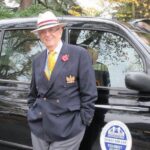
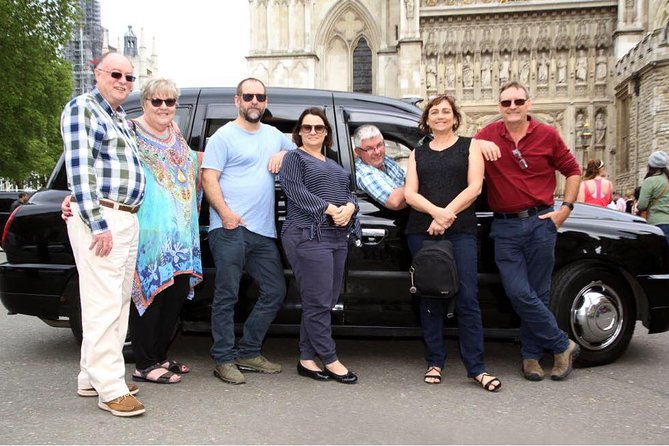
Also note the vehicle options: you’ll ride in a London taxi (listed as TXE, TX4, or Mercedes Vito). Reviews consistently point to clean, comfortable cabs and guides who know where to park and how to time arrivals for the best views.
You can also read our reviews of more private tours in London

The black cab advantage: better angles, fewer hassles
Big buses are great for broad coverage, but they come with friction: long walks, blocked roads, and waiting at stops. A black cab day is different. You get to hop out for quick short walks and photo opportunities, then get back in and move.
I like that the tour is structured around tight windows at each stop. Most of London’s icons are best enjoyed from the outside anyway—think towers, facades, and squares. The cab lets you get close, then reposition fast if traffic shifts. One theme from the guides who lead these tours: they keep pointing out what’s coming next and help you get cameras ready before you get out.
And because this is private (only your group), you can ask for a small change in focus without derailing the day. Several guides (like Tracy, Dennis, Johnny, and Doug) are praised for adapting when people had specific preferences or special needs, including helping someone with less walking.
Westminster: the “power loop” from royal residence to Parliament
This day kicks off in the Westminster area, and you’ll feel the theme quickly: monarchy on one side, democracy on the other, and the machinery of government all around.
Up close to the Queen’s London residence
You start with the royal side—seeing the residence and its setting from right near the curb. This is the kind of stop where you’re mostly collecting details: the architecture, the security presence, and the scale. It’s also a quick warm-up that gets you oriented for the cluster of government buildings ahead.
Big Ben and the clock-face moment (no ticket needed)
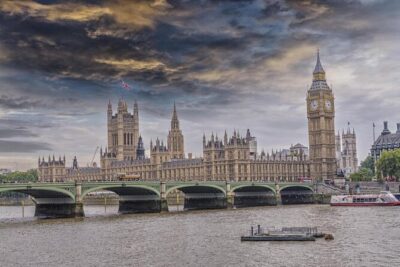
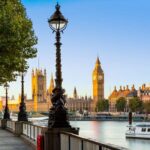
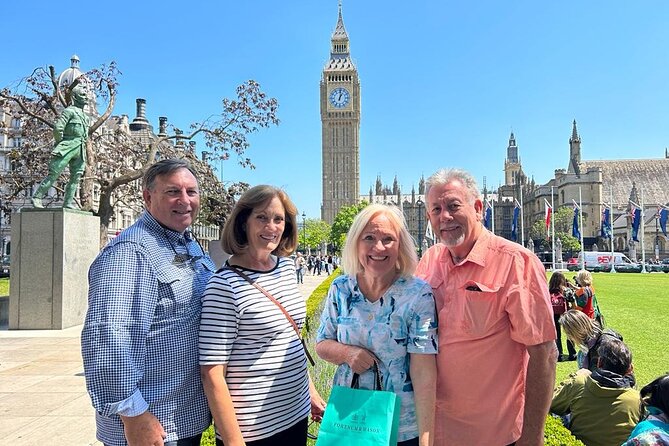
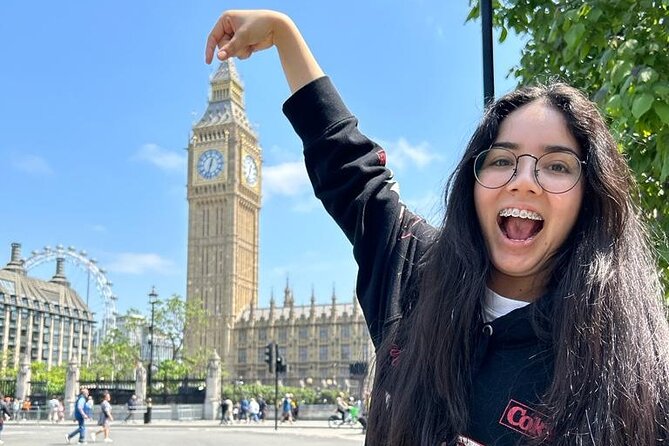
Next is Big Ben (the famous clock face). Even without an entry ticket, the value is the photo and the perspective—plus the guide’s explanation of why this clock became a global symbol. The stop is listed as about 5 minutes, so treat it like a fast photo and a few good questions, not a long linger.


Westminster Abbey: royal weddings and centuries of burials
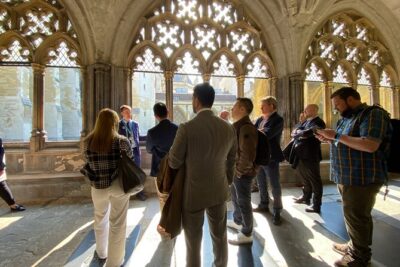
Westminster Abbey is where you get the deep “England in one building” feeling: royal marriages, coronations, and burials. Your stop is around 10 minutes, and admission tickets are not included, so plan for exterior time and key moments from the area outside. If you want to go inside, this is where you’d need to add tickets separately.
Palace of Westminster and Parliament views
Then comes the Palace of Westminster, home to the Houses of Parliament. Like the other headline stops, it’s built for quick arrival and outside viewing. Again, admission tickets are not included, so the best use of your time is to look at the building’s layout and the way Westminster Abbey and Parliament create the “ceremonial core” of the city.
Number 10: the Prime Minister’s address
You’ll also see Number 10, Britain’s Prime Minister’s residence. This stop is short, but it adds context: it’s one thing to read about politics, and another to stand near the physical location where decisions are made.
Whitehall Palace, Banqueting House, and execution history markers
From there the route moves along Whitehall: Whitehall Palace (linked to the execution of King Charles I) and Banqueting House (a classic building in the heart of Westminster). These aren’t stops you’ll sit through like a museum. They work as “story anchors”—places your guide can connect to major events you’ve already heard about.
Horse Guards Parade and mounted ceremony timing
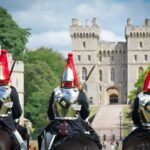
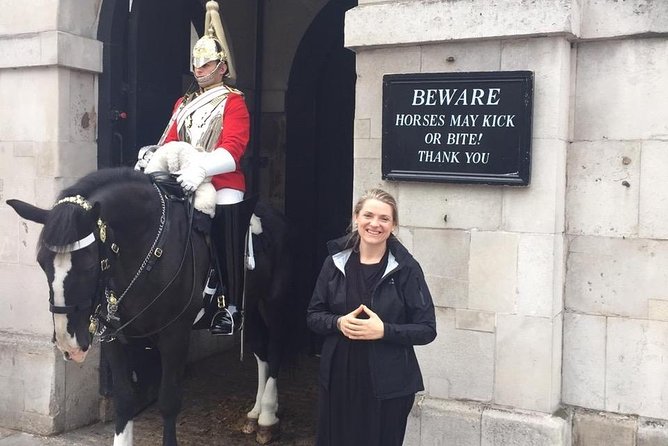
One of the more memorable moments is Horse Guards Parade at Whitehall, where you’ll see the Horse Guard Change of the Queen’s mounted regiment. This stop is listed around 10 minutes and is noted as free. The trick here is timing: parking, crowd control, and where you stand matters, and that’s exactly where having a guide who knows arrival timing helps.
Trafalgar Square to the Thames: center London and the “London postcard” river
After Westminster, you move toward the area where London turns from government to public space.
Trafalgar Square’s Lord Nelson statue
You’ll reach the exact centre of London and see the famous monument to Lord Nelson, from Trafalgar Square. This is a classic photo pause with lots of surrounding landmarks that help you understand London’s geography.
St. James’s Park break: one of the royal parks
Next is one of the four royal parks in central London, listed here as a stop. In practice, this is where you get a breather from street-level intensity, and where your cab can reposition you for river views and the next walking cluster.
River Thames and the Millennium feature
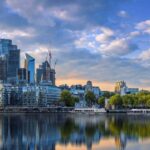
Then it’s onto the River Thames for those iconic river views. The tour includes an installation connected with the new Millennium, described as now permanent and popular. If you’re a first-timer, this section helps you understand why so much of London’s story runs along the water.
St. Paul’s and the City: from cathedral scale to financial and wartime landmarks
One reason this tour stands out is that it doesn’t stop at the “tourist icons.” It also covers the City of London—the business district with huge historical markers.
St. Paul’s Cathedral: Wren’s masterpiece
You’ll arrive at St. Paul’s Cathedral. The stop is about 10 minutes, and admission tickets are not included. That said, the exterior and the setting tell you a lot. It’s a “scale stop,” and a guide’s context matters here, especially if you care about how the city rebuilt after the Great Fire.
Bank of England: where gold reserves are secured
Next is the site described as securing the country’s gold reserves. This is one of those “you learn what matters” stops. You may not go inside, but you’ll leave understanding why this part of London has always been power and money.
World War II icon marker
You’ll also see a stop honoring a key World War II leader and icon. Even if your guide doesn’t spend a long time on it, that quick marker helps connect modern London to the 20th-century story.
Mansion House and civic architecture
Another highlight is an architectural stop described as home of the Lord Mayor of London. It’s a useful reminder that London isn’t only royal and parliamentary; it also has deep civic traditions.
The Monument: Great Fire commemoration
Finally, you’ll see the stop that commemorates the conflagration that destroyed 5/6 of the City in 1666. This is one of those places where a short photo stop becomes a story reset. Your guide can tie it to why many of the nearby streets and buildings feel layered.
Markets, Tower area, and Borough Market: classic London food and fortress views
This part of the route takes you through some of the most character-rich neighborhoods.
Leadenhall Market: a quick stop with Harry Potter vibes
You’ll stop at Leadenhall Market, noted as Victorian and appealing to Harry Potter fans. It’s about a 5-minute stop and listed as free, which makes it perfect for a quick walk-by, a couple photos, and moving on.
Tower of London: fortress and Crown Jewels keeper (ticket not included)
Next is the big one: Tower of London. The stop is about 10 minutes, and admission tickets are not included. If this is a “must enter” site for you, plan to add tickets elsewhere. If it’s more about seeing the tower’s presence and taking photos, the cab drop makes it efficient.
Tower Bridge: iconic from multiple angles
You’ll reach Tower Bridge for about 5 minutes. You get the classic “wow” moment, but with cab convenience that helps you grab your best angle before the crowd thickens.
Metropolitan Police HQ and the Thames crossing story
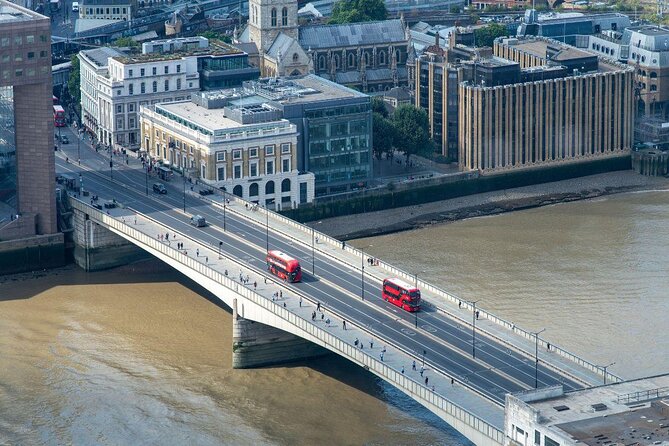
After that, you’ll pass by London’s Metropolitan Police Force headquarters (described as relevant to the area) and hear the story about the first crossing of the Thames about 2,000 years ago near this spot. It’s a quick lesson in London’s age—helpful if you’re the type who likes learning how a place evolved.
Borough Market: 15 minutes of food fuel (free)
Then it’s Borough Market for about 15 minutes, described as high-quality street food and specialty coffee. Since it’s listed as free, you can use this time to browse and snack without thinking about ticket add-ons. It’s also a good “pace controller” stop: you can eat a little, regroup, and be ready for the theater and shopping zones later.
Shakespeare’s Globe: replica open-air theatre (ticket not included)
You’ll also see Shakespeare’s Globe Theatre, noted as a replica of a 17th-century open-air theatre. It’s about 10 minutes, and admission tickets are not included. Even without going inside, you can feel how theatre traditions shaped river culture.
Fleet Street area: newspapers and Sweeney Todd
There’s a stop tied to London’s older newspaper industry and the Sweeney Todd reference. This is more “story stop” than “photo stop,” and your guide can help connect the literary reference to the physical streets.
West End edge: Covent Garden, National Gallery, Leicester Square, and Chinatown/Soho
After the City and markets, the tour turns toward central neighborhoods where London feels more like a movie set.
Covent Garden street life (free)
You’ll hit Covent Garden, about 5 minutes, listed as free. It’s a quick hit: street performers, active sidewalks, and loads of photo opportunities. The stop isn’t long, so go for the vibe and one or two key photos rather than trying to “do Covent Garden” in miniature.
National Gallery: free art pause with a Bond nod
Next is the National Gallery, around 10 minutes, listed as free. If you’re a fan of big-screen culture, you might enjoy the note about 007 ties. Either way, even a short exterior-and-catch-the-essentials pause is a good reset before you move into the busier squares.
Queen Victoria Memorial and the Buckingham Palace foreground angle (free)
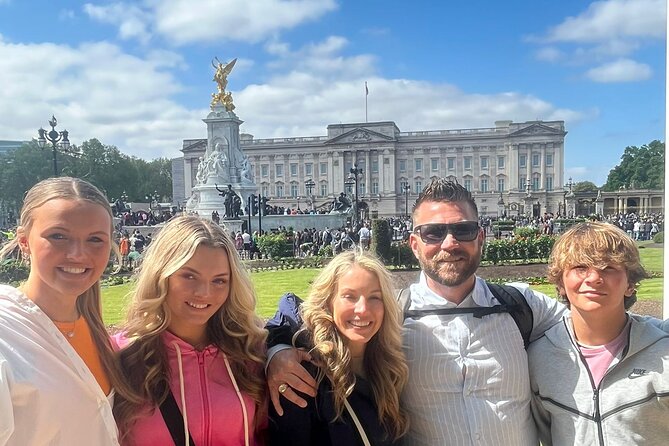
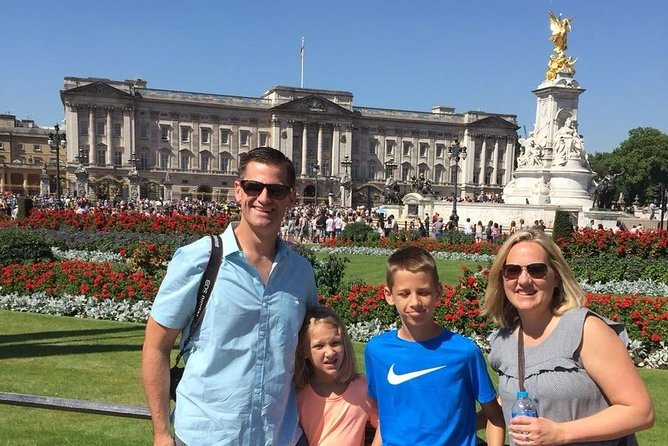
You’ll also see the Queen Victoria Memorial, noted as in the foreground of Buckingham Palace, with a 5-minute stop and free. This is a “check it off, frame it right” stop—good for photos because you’re close to the right visual context.
Leicester Square and Soho flavor
The tour then references London’s equivalent of Times Square—Leicester Square—and then shifts toward the Little Italy and Chinatown area, plus the general West End pulse.
This part is where you may notice the biggest difference between a cab tour and walking-only touring: you can keep moving across busy streets without wasting time.
Piccadilly, Mayfair, Harrods area, and the Albert Memorial
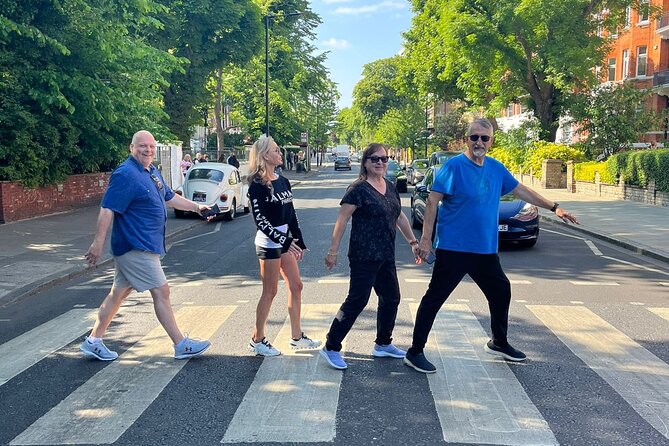
You’ll spend time in the upscale core—shopping streets, grand monuments, and parks around the edges of that commercial energy.
Piccadilly Circus: the pulse point
Expect a stop for Piccadilly Circus, described as the heartbeat of London. It’s short, but it’s useful when you want to orient yourself for a future day of wandering.
Mayfair thoroughfare shopping and grand hotel fronts
Then the route leans into Mayfair, with notes about flagship department stores and designer-lined streets. This isn’t “shopping time” so much as seeing the streets: the scale of storefronts, the look of the area, and why London’s most expensive neighborhoods feel like they do.
Albert Memorial: Prince Albert to Queen Victoria commemoration
You’ll stop at the Albert Memorial, about 5 minutes, free, tied to Prince Albert and the Great Exhibition of 1851. It’s a classic “stand and look up” monument, and short stops work well here.
Royal Albert Hall: unique architecture stop
There’s also a stop described as a concert venue with unique and stunning architecture—Royal Albert Hall. Even if you don’t go inside, the exterior context helps you see why it’s considered an iconic London building.
Harrods department store area
The route also includes a stop referencing Harrods as one of the most famous department stores. This is largely about the landmark feel, not a long shopping visit.
St. James’s Palace and Changing of the Guard: where the timing matters
If you care about ceremony, this last “royal stretch” is the reason to pick a guided cab tour.
St. James’s Palace and troop movements
You’ll see St. James’s Palace, described as Henry VIII’s Tudor palace and a place for troops connected to the Changing of the Guard ceremony. It’s about 10 minutes, with admission not included.
Clarence House, Lancaster House, Spencer House: filming links and family ancestry
The tour includes Clarence House (Charles, Prince of Wales, tied to The Crown filming location in the description), Lancaster House (linked to Downton Abbey), and Spencer House (tied to Diana Spencer’s ancestry). These are shorter stops—around 5 minutes each—so the value is in context, not entry.
St. James’s neighborhood: clubs and posh shop streets (free)
A stop at St. James’s covers the posh shops and gentleman’s clubs feel. It’s listed as free and about 10 minutes.
The Changing of the Guard itself (free, around 25 minutes)
Finally: Changing of the Guard. It’s noted as every day in summer and four times weekly the rest of the year, with a 25-minute stop and free. This is the time window where your guide’s experience helps most. A well-timed arrival can make the difference between watching from the back of a crowd and getting a satisfying view for photos.
One small practical note: guard ceremonies can draw crowds even when they’re free. If your priority is the ceremony, keep your expectations realistic about how much you can do at other stops.
How to plan your day inside 6 hours
This tour is built for coverage, not for slow travel. That’s good news if your main goal is “see the highlights and learn the stories,” and not so good if you want long museum time.
Here’s how I’d set you up for a smooth day:
- Decide in advance what must be entered. Big ticket items like Westminster Abbey and Tower of London have admission tickets not included, and the stops are brief.
- Use the cab for photos. The quick stops are your friend. Make your camera ready before you step out; guides often point out what’s coming next.
- Snack smart at Borough Market. You get about 15 minutes, so plan to grab something quick and keep moving.
- Arrive mentally ready for changing priorities. Good guides (many praised guides like Tracy, Dennis, Johnny, and Doug) adjust when streets, parking, or your interests shift.
- Wear shoes that handle short walks. The tour includes short walks and photo stops. It’s not a marathon, but it’s not only sitting either.
If you’re a first-time visitor, or you want a high-impact overview across Westminster, the Thames, the City, and central neighborhoods, this route fits well. It also works nicely for families who want everyone included without forcing long treks.
Who should book this black cab tour, and who might skip it
Book this if:
- You want a private day with curbside access and a local guide routing the stops
- You’re on a tight schedule and want a real run-through of London’s top areas
- You value short, meaningful explanations tied to landmarks (not just photo ops)
Consider skipping or adding time if:
- You want to spend long hours inside major attractions that list tickets not included
- You’re the type who hates moving quickly between places (this is a “high coverage” plan)
FAQ
How long is the private black cab tour?
The tour runs for about 6 hours.
How many people are in a booking?
The maximum group size is up to 6 people.
What’s included in the price?
You get an English-speaking driver guide, private transportation in a London taxi (TXE/TX4/Mercedes Vito), short walks and photo stops, and hotel pickup and drop-off from Central London.
Are admission tickets to attractions included?
No. The tour notes that admission tickets are not included for several major sights.
Do I need to buy tickets for Big Ben, Westminster Abbey, and St. Paul’s?
The tour lists admission tickets as not included for stops including Big Ben, Westminster Abbey, Palace of Westminster, and St. Paul’s Cathedral, so you should plan on purchasing tickets separately if you want to enter.
Is pickup available from my hotel?
Yes, hotel pickup and drop-off is included only from Central London.
What if my hotel is outside Central London?
If your hotel is outside Central London (or you don’t provide hotel info), the recommended meeting point is Embankment Tube Station.
Is there a mobile ticket?
Yes, a mobile ticket is offered.
Is the Changing of the Guard included?
Yes. The tour includes Changing of the Guard, listed as free, with a stop duration of about 25 minutes, and notes that it runs daily in summer and four times weekly the rest of the year.
Can I cancel for a full refund?
Yes. You can cancel for a full refund if you cancel up to 24 hours in advance of the experience’s start time.
Should you book this tour? If you want one efficient day that gets you from Westminster to the Thames to the City, plus royal ceremony moments, this black cab format is a strong choice. The only real caution is admissions: if you care about going inside multiple ticketed attractions, build in extra time or expect to pair this tour with separately timed entries.