REVIEW · LONDON
The Royal Albert Hall Tour
Book on Viator →Operated by Royal Albert Hall · Bookable on Viator
London’s most famous hall rewards curiosity. Step inside the Royal Albert Hall with a friendly guide and you’ll get the architecture, the stage history, and the behind-the-scenes stories that explain why this place matters. I love the chance to see the Queen’s Box and the Royal areas up close, and I love the way the guide ties iconic performances to real history. One thing to plan for: you may not get to the main floor, and some spaces can have stricter photo and viewing rules.
This is a tight, well-paced one-hour tour with a small group size (up to 14), which makes it easier to ask questions and actually hear the anecdotes. If you’re lucky, your timing lines up with preparations for an evening event, and you might catch an orchestra rehearsal or an artist sound check.
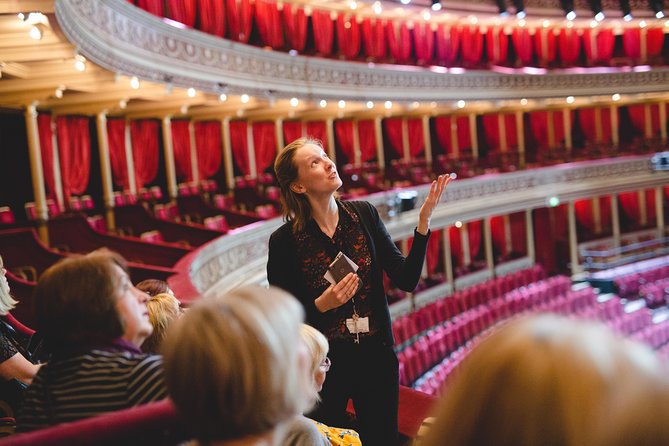
Tours are led by guides with real personality—names that show up in recent tours include Mandy, John, Jo, Alex, Valentin, and Joe-Phillipe. That’s a big part of the value here, because the facts land best when someone explains them in plain language.
In This Review
- Key highlights that make this tour worth your time
- Inside Royal Albert Hall: what the building feels like
- The Royal areas: Queen’s Box and the Royal Retiring Room
- The stage history: more than names on a wall
- Rehearsals and sound checks: what you might catch
- What a typical 60-minute tour feels like
- Guides make or break it: who you might get
- Value for the money: is $27.73 a smart buy?
- Who should book this tour (and who might want to think twice)
- Booking and getting the most out of it
- Should you book the Royal Albert Hall Tour?
- FAQ
- How much does the Royal Albert Hall tour cost?
- How long is the tour?
- Is the tour offered in English?
- What’s included in the price?
- Are food and drinks included?
- Can I cancel for a full refund?
Key highlights that make this tour worth your time
- Queen’s Box and Royal Retiring Room access so you see where royalty sat and waited
- Gallery views that help you understand the hall’s scale fast
- Iconic-performance photos you can match to your favorite artists and ask questions about
- A live-rehearsal chance (or sound check) depending on what’s scheduled
- Small group size (max 14) for a more personal, conversational tour
Inside Royal Albert Hall: what the building feels like
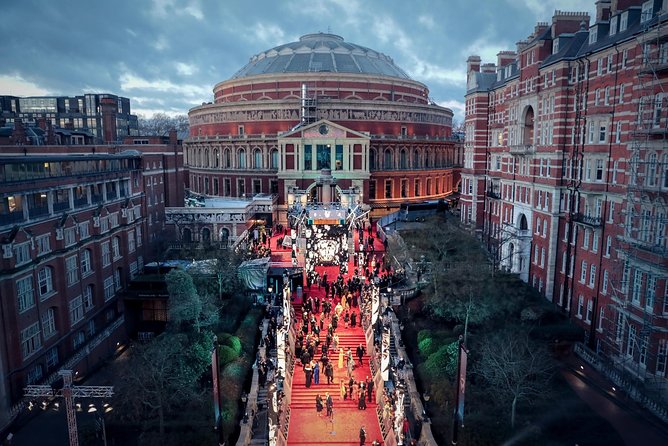
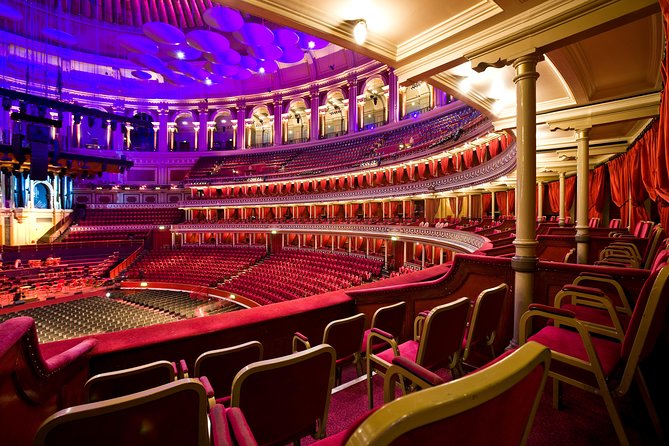
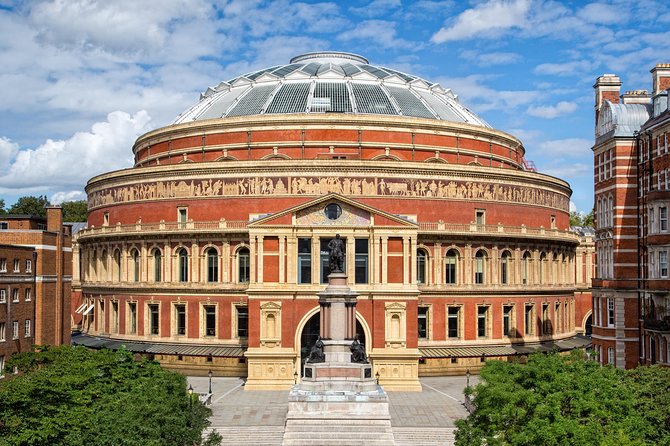
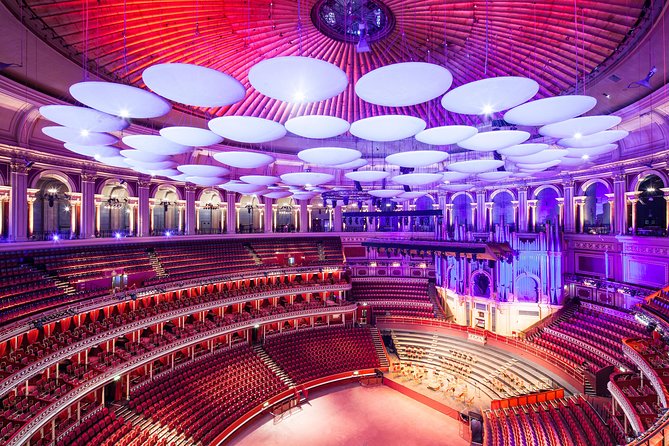
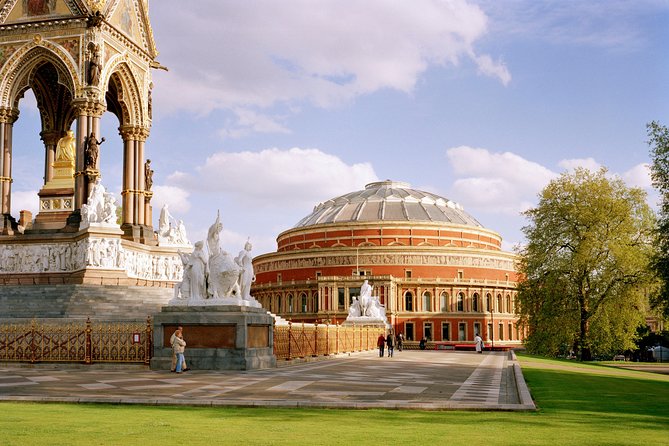
Royal Albert Hall is one of those London landmarks where the outside alone doesn’t prepare you for the inside. The tour is built to help you read the room: you move through the auditorium, you notice the layout, and you get a sense of how performances flow from rehearsal to stage.
I like that the guide doesn’t just rattle off facts. You’re shown the hall’s key spaces, and then you’re given stories—how the venue came to be, how it was funded, and even the love story that nearly stopped construction. Those details matter because they turn the building from a postcard into a real project with setbacks, ambition, and people behind it.
You also get the sense of “this is a working venue,” not a museum. The hall has hosted everything from major pop and rock acts to the BBC Proms and even sports-related moments. You’ll likely hear examples like Arctic Monkeys, Beyoncé, Kraftwerk, Ed Sheeran, and others—plus non-music milestones that make the Royal Albert Hall feel like part of the bigger London story.
Practical takeaway: if you’re a music fan, you’ll have an easier time spotting connections between the hall’s design and why certain kinds of performances fit it so well.
You can also read our reviews of more tours and experiences in London.


The Royal areas: Queen’s Box and the Royal Retiring Room
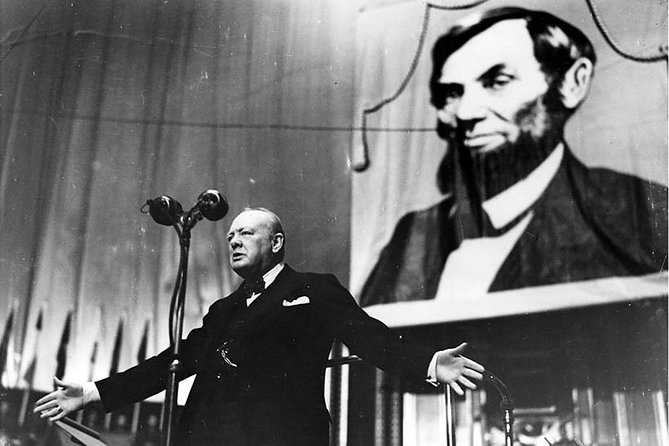
One of the biggest reasons I’d book this tour is the access to the Royal areas. You don’t just see the auditorium from a distance—you go into spaces that feel private and ceremonial.
You’ll see the Queen’s Box and the Royal Retiring Room, including the space associated with the Queen’s routine when she takes her seat in the box. That kind of detail is exactly what makes the tour click: the guide helps you understand what those rooms were for, and how the building supported public events while still offering a behind-the-scenes flow.
In practical terms, this is also where you get your best “you’re standing in the same spot” moments. Even if you’re not a royal-history person, you’ll feel the difference between general seating zones and these designated areas. It changes how the hall’s scale lands in your mind.
Small tip: keep an eye on your view lines. The tour includes gallery time, and the perspective from up there makes it easier to grasp how the hall wraps around the stage.
The stage history: more than names on a wall
During the walk-through, you’ll notice photos of standout performances across the hall. This is where your personal taste can turn a basic tour into a memorable one. If you have a “favorite artist” list, this is the time to connect those faces to the room they played.
The guide stories help you understand that those photos aren’t random celebrity posters. They’re clues to what the hall has been used for over time, from orchestral concerts and major live shows to events that aren’t strictly music.
One review mentioned the stage where everything from Elton John’s red piano to Cirque du Soleil rehearsals (and more) came into focus. Even if your tour doesn’t line up with a moment like that, the way the guide points out these links can make the hall feel alive.
Why this part is valuable: you walk away knowing how the building became a magnet. You’re not just leaving with “it’s beautiful.” You’re leaving with “here’s why performers keep coming here.”
Rehearsals and sound checks: what you might catch
The tour includes a special ingredient: the possibility of seeing artists rehearsing for an evening performance. It’s not guaranteed, but it’s frequent enough that it’s worth expecting.
Here are the types of moments people have been able to experience:
- hearing an orchestra rehearsal tied to BBC Proms timing
- catching a rehearsal while the hall is in setup mode
- witnessing sound check activity for an evening show
- seeing performance testing while crews work
Two notes to keep your expectations grounded:
- If the hall is actively being set up, you may not get the full audio experience you’re hoping for. One person even mentioned wanting to hear the sound system but the team was in setup mode.
- Photo rules can be tighter around rehearsals and certain areas, depending on what’s happening that day.
Still, if you’re someone who likes the “how it actually works” side of live performance, this is a real draw. Sitting in the hall while musicians rehearse—even for a short window—does something a video can’t. The acoustics, the spacing, and the timing feel different in person.
What a typical 60-minute tour feels like
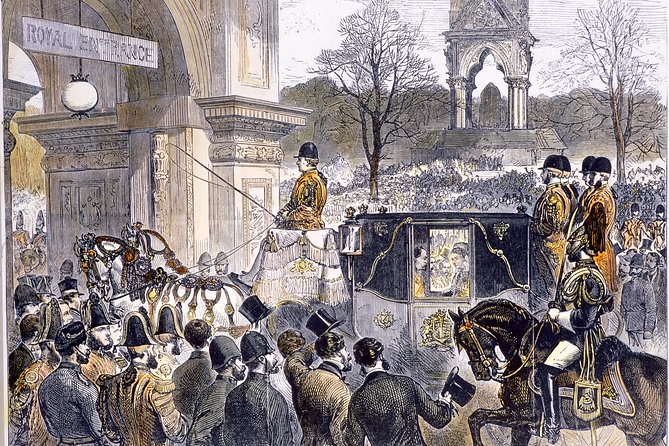
This tour runs about an hour. That’s a sweet spot in London: long enough to see the main spaces, short enough that you’re not stuck on a slow loop.
In most cases, you’ll:
- start by heading into the hall with your guide
- get a guided look at the auditorium and stage zones
- move through the Royal areas like the Queen’s Box and Royal Retiring Room
- finish with gallery viewing and photo/story stops
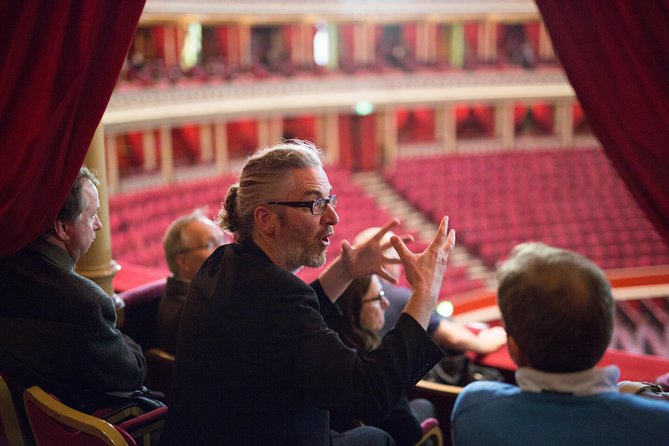
The group size (max 14) matters here. With fewer people, you can actually hear the guide without constantly leaning. It also makes it easier for the guide to answer questions like you’re part of the conversation, not a number in a group.
One thing to be aware of: the tour intro can happen in a louder area depending on timing. A couple of people pointed out that an introduction location can have background noise, which can make it harder if your English needs a bit of extra focus. If that matters to you, arrive ready to concentrate for the first few minutes, and don’t be afraid to ask the guide to repeat something in a simpler way.



Guides make or break it: who you might get
The Royal Albert Hall tour is “about the hall,” but the guide is the engine. The best tours are the ones where the guide’s enthusiasm matches the place.
Recent guides named in tour experiences include:
- Mandy
- John
- Jo
- Alex
- Valentin
- Joe-Phillipe
The common thread: guides bring the stories to life with anecdotes, humor, and a sense of what makes the hall special beyond the architecture.
If you’re choosing a time slot, I’d treat the guide as part of the deal. Your biggest payoff often comes from how they connect the dots—why certain rooms exist, what the hall has hosted, and what you’re looking at as you move through.
Value for the money: is $27.73 a smart buy?
At $27.73 per person for about an hour, this tour is priced like a solid London “see something real” activity rather than a premium sit-down experience. The value comes from four things you don’t always get in short tours:
- Guide-led access plus an included admission ticket
- Royal areas (Queen’s Box and Royal Retiring Room), not just general viewing
- Small group size (max 14), which improves the quality of your time
- A genuine chance of a rehearsal or sound check window depending on the schedule
You do need to budget a little for yourself. Food and drinks are not included, though alcoholic drinks can be purchased. Some people also mentioned stopping for coffee and a croissant in the cafe area, plus picking up small souvenirs from the shop. If you want a relaxed pace after the tour, build in time.
Who this is best for: music lovers, architecture fans, and anyone who wants a quick but meaningful look at a historic working venue.
Who should book this tour (and who might want to think twice)
This is a great fit if:
- you love music history and want it tied to real rooms
- you’re curious about the Royal areas and the hall’s ceremonial spaces
- you like the idea of hearing rehearsal moments if timing works
- you’re short on time and want an efficient 1-hour experience
You might think twice if:
- you’re expecting full access to every seating level and every viewpoint
- you really care about being down on the main floor (some tours don’t include that)
- you need a very quiet start; intro noise can vary depending on the moment
Either way, it’s one of those “you’ll understand the hall by the end” tours. You don’t leave wondering what you saw. You leave knowing what you were meant to notice.
Booking and getting the most out of it
A few practical ways to get better results from your visit:
- Pick a time when you’re not rushing. The tour is short, and you’ll enjoy it more if you can linger briefly in the surrounding area after.
- Go in ready to ask questions. The guide stories are often tied to what you notice—photos on the walls, stage references, and room purposes.
- Keep your phone put away if rules tighten. Some tours don’t allow photos in certain areas, and rehearsal moments can come with extra restrictions.
- If a show is happening, remember setup is part of the experience. You might not get a perfect listening window, but you might catch the “real life” backstage process.
Should you book the Royal Albert Hall Tour?
Yes, if you want a high-value London experience that mixes architecture, real stories, and a chance of rehearsal magic in a short window. The Queen’s Box and Royal Retiring Room access, the small group size, and the guide-driven storytelling are the reasons this tour earns its strong ratings.
I’d skip it only if you’re specifically chasing main-floor access, guaranteed audio from the sound system, or a relaxed museum-style pace. For everyone else—especially music fans and first-timers—this is one of the easiest “worth it” bookings in central London.
FAQ
How much does the Royal Albert Hall tour cost?
The Royal Albert Hall tour costs $27.73 per person.
How long is the tour?
The tour lasts about 1 hour.
Is the tour offered in English?
Yes, the tour is offered in English.
What’s included in the price?
The tour includes a guide, and admission ticket access is included.
Are food and drinks included?
No. Food and drinks are not included, though alcoholic drinks are available to purchase.
Can I cancel for a full refund?
Yes. You can cancel up to 24 hours in advance for a full refund.