REVIEW · LONDON
Museum of Brands Entrance Ticket
Book on Viator →Operated by Museum of Brands · Bookable on Viator
Brand history in a small London museum. If you love logos and packaging, this self-guided ticket gives you time with 12,000+ items from the Victorian era to today.
I like that you can stay as long as you like, which is great when you find a label that grabs you. One watch-out: since it’s self-guided, you won’t get a live narrator stitching the story together for you.
In This Review
- Key highlights to know before you go
- Museum of Brands: what you can realistically fit in 1–2 hours
- Entrance ticket value at $19.41: what you’re really paying for
- Using a mobile ticket in London: quick entry, fewer headaches
- Self-guided roaming through 12,000+ branding items
- What to expect when you enter: one main stop, lots to see
- Accessible and family-friendly: built for different kinds of visits
- Best days and times in 2026 (and why date choice matters)
- Booking early: when $19.41 turns into “not sold out”
- Should you book this Museum of Brands ticket?
- FAQ
- How long does the Museum of Brands entrance ticket last?
- What is included with the ticket?
- Are food and drinks included?
- Do I get a mobile ticket?
- What are the opening hours?
- Is it accessible and are service animals allowed?
- What’s the cancellation policy?
Key highlights to know before you go
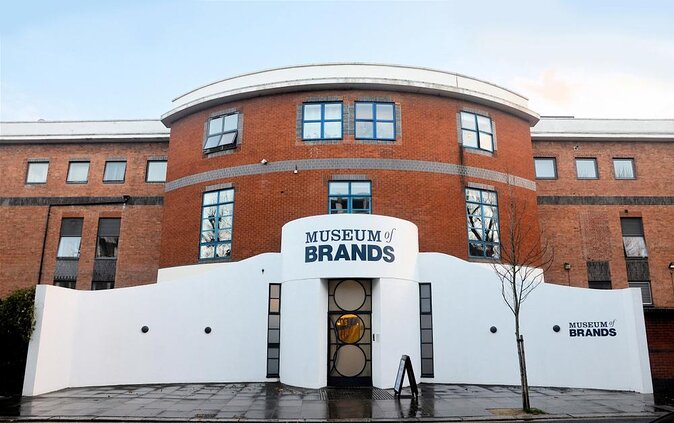
- 12,000+ items spanning Victorian-era branding to modern days
- Self-guided format means you set the pace, no rushing
- Good for all ages with accessible facilities
- Mobile ticket for easier entry
- Small group cap (10 people) helps keep things orderly
Museum of Brands: what you can realistically fit in 1–2 hours
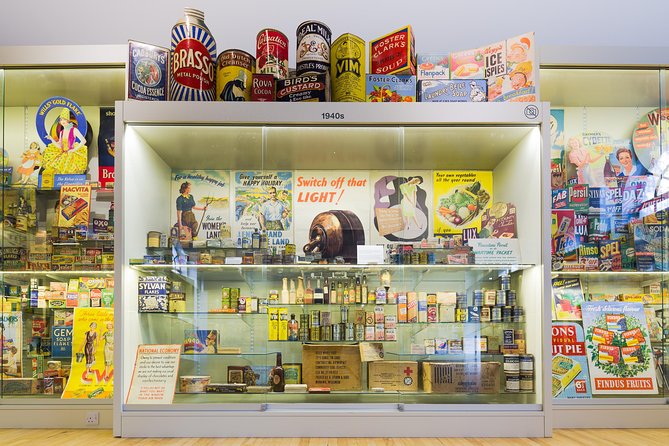
This is the kind of museum you can do lightly or do properly. The entry ticket is designed for about 1 to 2 hours, with the visit time typically pegged around 1 hour once you’re inside. That range matters because the collection is big enough to make time slip away.
You’ll be moving through rooms of packaging, advertising, and brand-related artifacts. If you like browsing at human speed—pausing at the odd label, reading the bits you’d normally toss—1 to 2 hours feels about right. If you’re trying to “collect the main sights” fast, you can cut it shorter. Just know that the best part is usually the slow looking.
Also, because it’s self-guided, you’re not following a strict route. You can start wherever catches your eye first, then circle back if you want. That freedom is a real value, especially if you’re traveling with someone who likes different things than you do.
You can also read our reviews of more tours and experiences in London



Entrance ticket value at $19.41: what you’re really paying for
The price is $19.41 per person, and what you’re buying is straightforward: admission to the Museum of Brands. There’s no added tour fee, no special add-on required. It’s simply entry, then your time inside.
Is it worth it? If you enjoy everyday consumer history—how products looked, sounded, and sold themselves—that admission usually lands well. The museum is built for people who find meaning in the mundane: boxes, bottles, tins, ads, and the design choices that reflect the era they came from.
Two practical notes help you judge value:
- Food and drinks aren’t included, so plan on buying something nearby or bringing snacks if permitted by the venue. (The ticket itself is entry only.)
- Since it’s self-guided, your “value” depends on how much you like figuring things out by observation. If you want a scripted narrative, you may feel like you’re doing extra work.
For most people, though, the combination of a big collection and flexible time makes the price feel fair.
Using a mobile ticket in London: quick entry, fewer headaches
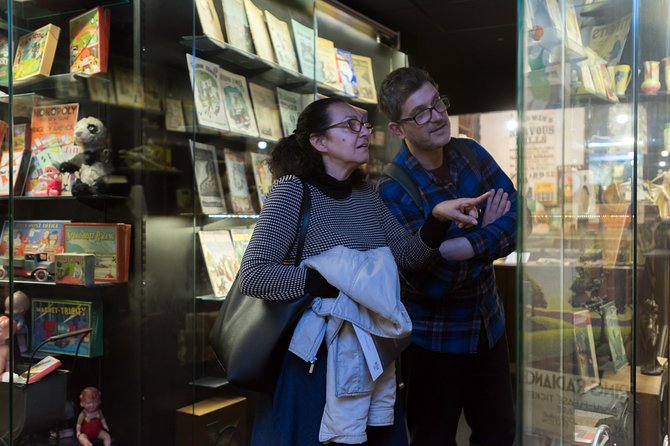
This experience uses a mobile ticket, which usually means you won’t be hunting for a paper voucher. In practice, you’ll want your confirmation ready on your phone at the entrance.
That sounds basic, but it’s a big deal in London where lines and app glitches can steal time from your day. The fact that you receive confirmation at booking also helps you plan without wondering if tickets will show up.
One more logistics detail that’s worth knowing: it’s near public transportation. So if you’re building your day around Tube/bus time, you can usually slot it in without needing a big commute.
Self-guided roaming through 12,000+ branding items
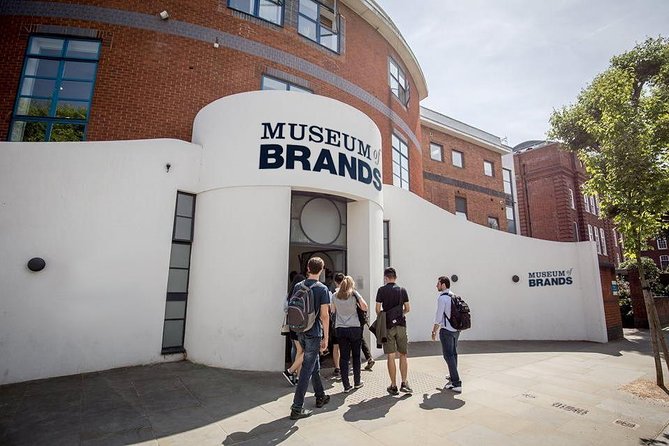
The headline feature is huge: over 12,000 items stretching from the Victorian era to today. That span is what makes the museum interesting. You get to compare how brands tried to get attention then versus now—color choices, typography, product names, and the visual tricks used to make people want things.
Since the visit is self-guided, you should treat it like a choose-your-own-browse. Here’s how I’d use the time so you don’t end up staring at labels for 20 minutes and realizing you only covered half a floor:
- Pick one theme first: packaging style changes, ad design, or how certain product categories evolve.
- Spend your first 15 minutes “getting your bearings” visually—then slow down once you find a lane you like.
- Don’t feel guilty skipping something. With 12,000 items, you’re never “done.” You’re selecting what speaks to you.
The museum’s format also makes it work for mixed groups. Someone who loves design can focus on layout and fonts. Someone who cares more about everyday life can focus on what products were trying to be. Same room, different angles.
What to expect when you enter: one main stop, lots to see
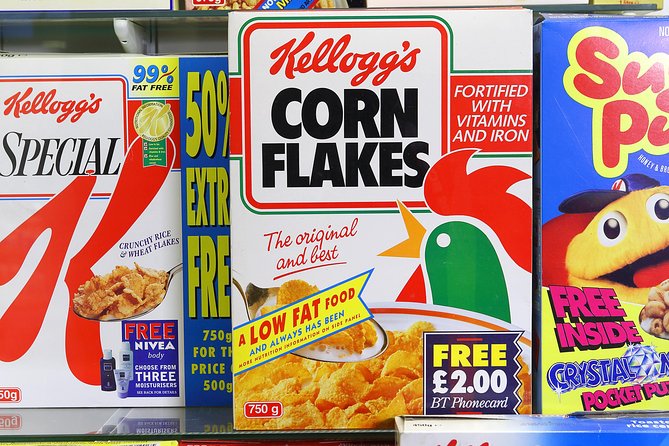
There’s one core experience: entry to the Museum of Brands. That’s it. No long sequence of timed activities.
So once you’re in, the question becomes: how do you structure your visit? The museum is designed so you can take your time. You can reasonably expect to wander for about an hour, but you can stretch closer to 2 hours if you’re reading closely, taking photos, or stopping at clusters where the visuals connect across decades.
Possible drawback, explained plainly: because it’s self-guided, the museum relies on you to decide what’s important. If you walk in expecting a guided commentary that tells you exactly what to notice, you may feel you’re missing context. On the other hand, if you like museum freedom—where your curiosity drives the route—this setup is exactly the point.
You can also read our reviews of more museum experiences in London






Accessible and family-friendly: built for different kinds of visits
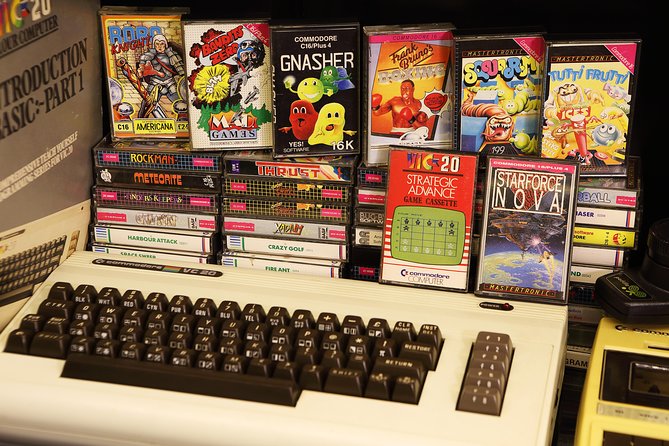
The museum is described as suitable for all ages and it has accessible facilities. That matters in a practical way. It means you’re less likely to hit “not ideal” obstacles during your visit.
If you’re visiting with kids, a self-guided museum can work well because kids don’t need to follow a rigid story. They can zoom in on something visually striking: a box, a label, a weird bottle shape. For adults, it’s the same concept, just slower.
Service animals are also allowed, which is a real confidence boost if you need that accommodation. And the activity notes that most people can participate, so it doesn’t read like a niche or physically demanding outing.
Best days and times in 2026 (and why date choice matters)
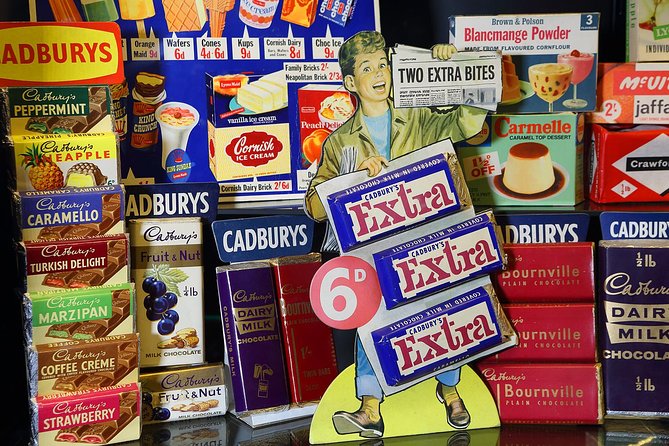
The published opening hours for 2026 are Monday to Friday, 10:00 AM to 5:00 PM. That’s important because a lot of people plan London weekends first. If your trip lands on a Saturday or Sunday, you’ll want to double-check before you count on it.
If you can go during a weekday slot, you’ll likely have a smoother experience. Even when a museum isn’t busy, weekday mornings usually feel easier for browsing—less rushing, fewer lines at entry, more calm time to read labels.
Also, because the visit is about 1–2 hours, you can pair it with a nearby neighborhood walk or another short indoor stop. It’s the kind of plan that fits well between bigger-ticket activities.
Booking early: when $19.41 turns into “not sold out”

On average, this ticket is booked about 40 days in advance. That tells you demand isn’t zero. If you’re traveling in a busy season or you’re planning multiple timed stops, booking ahead is smart.
The price is fixed, the visit window is straightforward, and the ticket is mobile—so there’s little reason to wait until the last minute unless your dates are flexible.
One more factor: the experience has a maximum of 10 travelers. That doesn’t mean you’ll be alone in the museum, but it does suggest a controlled, smaller setup. In real terms, that can help entry feel less chaotic.
Should you book this Museum of Brands ticket?
Book it if you like design, advertising, or the idea that everyday objects can tell you a lot about how people lived and bought. The museum’s strength is scale—12,000+ items—plus the freedom of being self-guided. For the price of $19.41, you’re paying for time with a big collection, not for a scripted tour.
Skip it (or at least adjust expectations) if you want a guided narrative. Since there’s no live interpretation listed, you’ll be doing more of the thinking yourself: noticing, connecting, and deciding what era differences matter most to you.
If you’re building a London day with variety, this is a good fit. It’s a fun change of pace from bigger museums because it’s about consumer culture—labels you’ve seen, ads you may have forgotten, and packaging that looks weird in the best way.
FAQ
How long does the Museum of Brands entrance ticket last?
The visit is listed at about 1 to 2 hours in total, with the entry experience typically planned for around 1 hour.
What is included with the ticket?
The ticket includes museum entry.
Are food and drinks included?
No. Food and drinks aren’t included.
Do I get a mobile ticket?
Yes. The ticket is mobile, and you’ll receive confirmation at the time of booking.
What are the opening hours?
For 2026, the hours listed are Monday to Friday, 10:00 AM to 5:00 PM.
Is it accessible and are service animals allowed?
The experience notes accessible facilities and that service animals are allowed.
What’s the cancellation policy?
You can cancel for free up to 24 hours in advance of the experience start time for a full refund. If you cancel less than 24 hours before, the amount paid isn’t refunded.