REVIEW · LONDON
Tower of London: After-Hours Tour with Ceremony of the Keys
Book on GetYourGuide →Operated by the tour guy · Bookable on GetYourGuide
Night turns the Tower into something else. This after-hours walk with a real Yeoman Warder (Beefeater) makes the grounds feel like a living story, and the Ceremony of the Keys lands harder when you can hear the ritual in the dark. I also love that you learn about the grim heart of the Tower—especially the Chapel Royal of St Peter ad Vincula—without needing to rush through daytime crowds. One consideration: this tour is exterior-only, so it does not include entry to the Crown Jewels or inside the buildings.
What makes it work is the timing. As the public gates close, the Tower goes quieter and the guide can slow the pace while you stand in the exact places where power, imprisonment, and fear played out. The group format keeps you moving, but you’re still able to pause for the White Tower area and get your bearings fast.
It’s a great fit if you like history told by someone who actually wears the uniform, not just a script. It’s less ideal if you need wheelchair access or you’re traveling with strollers or large bags, since the route is walk-based and restricted.
In This Review
- Key things you’ll notice
- After-hours Tower of London: why the night changes everything
- Walking with a Beefeater: how the guide turns stones into a story
- Outer Ward stops: Traitor’s Gate, Tower Green, and that White Tower photo moment
- Inner Ward and Outer Ward passes
- Traitor’s Gate (and why it matters)
- Tower Green
- White Tower photo stop
- Chapel Royal of St Peter ad Vincula: the quiet weight of famous burials
- Ceremony of the Keys: what to watch during the nightly lock-up ritual
- What you’re really paying for: after-hours time, a Beefeater guide, and ceremony access
- Who should book this Tower of London night tour
- Practical tips for a smooth, comfortable night out
- So, should you book it?
- FAQ
- How long is the Tower of London after-hours tour?
- Where does the tour start?
- Does this tour include the Crown Jewels?
- What’s the main guided experience?
- Will I be able to attend the Ceremony of the Keys only with my group?
- Are strollers, baby carriages, or luggage allowed?
- What should I bring for the tour?
- Is it accessible for wheelchair users or people with mobility impairments?
Key things you’ll notice
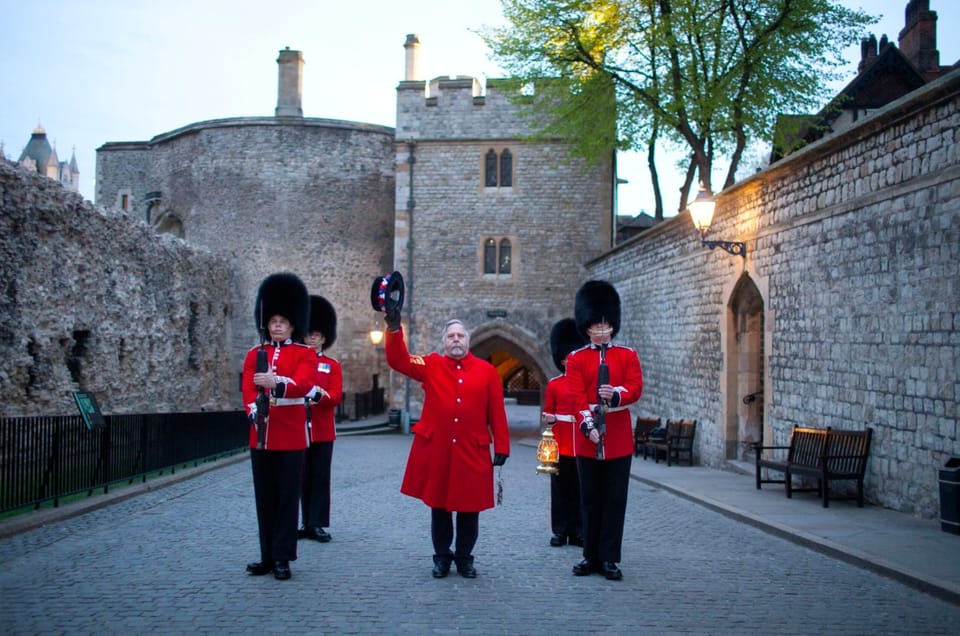
- Yeoman Warder storytelling at night: the guide’s military background and long connection to the Tower shape the pace
- Ceremony of the Keys: the nightly lock-up tradition comes with real atmosphere
- Traitor’s Gate and the Outer Ward: you’ll understand how the Tower functioned as a prison system
- Chapel Royal of St Peter ad Vincula, viewed from outside: famous burials get their context without getting rushed
- White Tower photo stop: a clear moment to orient yourself before you leave
After-hours Tower of London: why the night changes everything
Daytime at the Tower is impressive, but night is different. At night, the grounds feel tighter, the shadows do the heavy lifting, and the stories the Tower is famous for stop sounding like textbook facts. You’re guided through the grounds once the public visit window is over, so your walk feels more like stepping into a closed institution than touring a museum.
The tour keeps to the exterior grounds, not the inner ticketed attractions. That actually helps. You get a guided “reading” of the space: where people entered, where they were processed, where authority operated, and how the buildings relate to one another. You’ll learn the Tower didn’t start as a single-purpose prison—it evolved. That matters, because the Tower’s power comes from its changing roles over time.
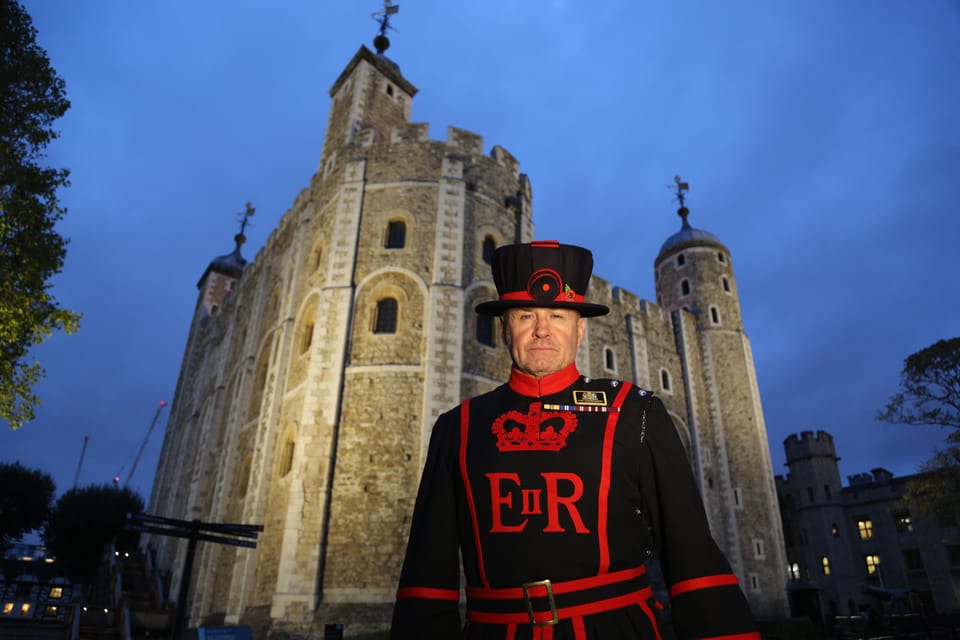
This is also where the “real guide” part becomes more than marketing. Your Yeoman Warder is the kind of guide who knows how to shape a group walk: short explanations, clear landmarks, and story beats that match the space you’re standing in. In past groups, a guide named Barry has been praised for telling the Tower’s stories with real passion, not just a flow of dates.
You can also read our reviews of more tours and experiences in London.


Walking with a Beefeater: how the guide turns stones into a story
The Tower of London is packed with sites people can name—White Tower, Tower Green, Traitor’s Gate. The difference here is how those names get taught. You’ll be led by a legendary, English-speaking Beefeater guide who’s part of the Tower’s living tradition. That connection shows in the structure: the tour sticks to key locations and wraps each one in context.
A few things I’d expect you to feel during the 105 minutes:
You get a story arc. The guide typically builds from the Tower’s origins and royal side into the Tower’s darker use as a feared prison. The pacing helps you understand cause and effect, instead of treating every stop like a separate trivia card.
You learn how the Tower worked at human scale. Even though you’re mostly seeing exteriors, you hear about betrayal, power struggles, imprisonment, and executions—the things that made the Tower feared. Hearing these themes explained while you’re physically near the relevant zones makes it easier to picture how people moved through the system.
You should also plan for a slightly “ceremonial” delivery. One guide style detail that gets praised is that the Yeoman Warders are prepared and focused, like they’re giving you the version they’d want their own visitors to remember.
Outer Ward stops: Traitor’s Gate, Tower Green, and that White Tower photo moment
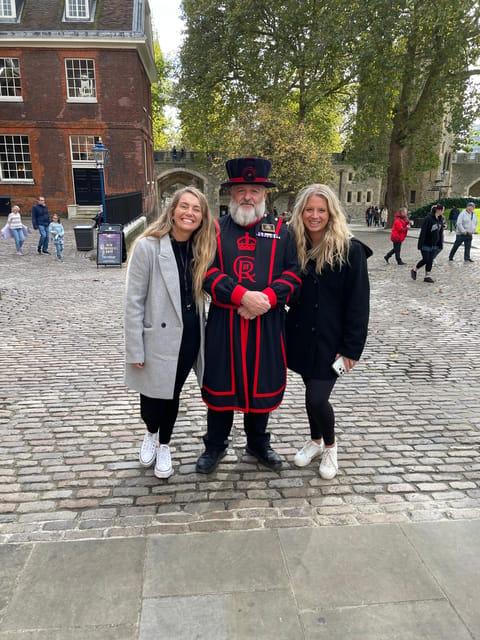
You start at the Tower of London Shop and then move right into the grounds with a guided walk that keeps you oriented around the main layers of the complex. The Outer Ward and Inner Ward areas are passed during the route, and the key is that you’re not just wandering. You’re learning what those zones meant.
Here’s how each key area can land for you:
Inner Ward and Outer Ward passes
You’ll pass through these spaces as part of the route. Even without going deep into every interior building, these passes help you understand how the Tower is organized—like a layered security and authority layout. The guide’s job is to make that structure click quickly so you’re not just seeing walls.
Traitor’s Gate (and why it matters)
You’ll stand near the Traitor’s Gate area and learn how the Tower became one of England’s most feared prisons. For me, the value of this stop is the explanation of how places become symbols. Traitor’s Gate isn’t only a location—it’s a narrative shortcut to the Tower’s “you’re entering the system now” feeling.



Tower Green
The guide connects Tower Green to the Tower’s role in public power and punishment. Even viewed from outside, it makes sense why the area is remembered: the Tower wasn’t only a holding place; it was a warning.
White Tower photo stop
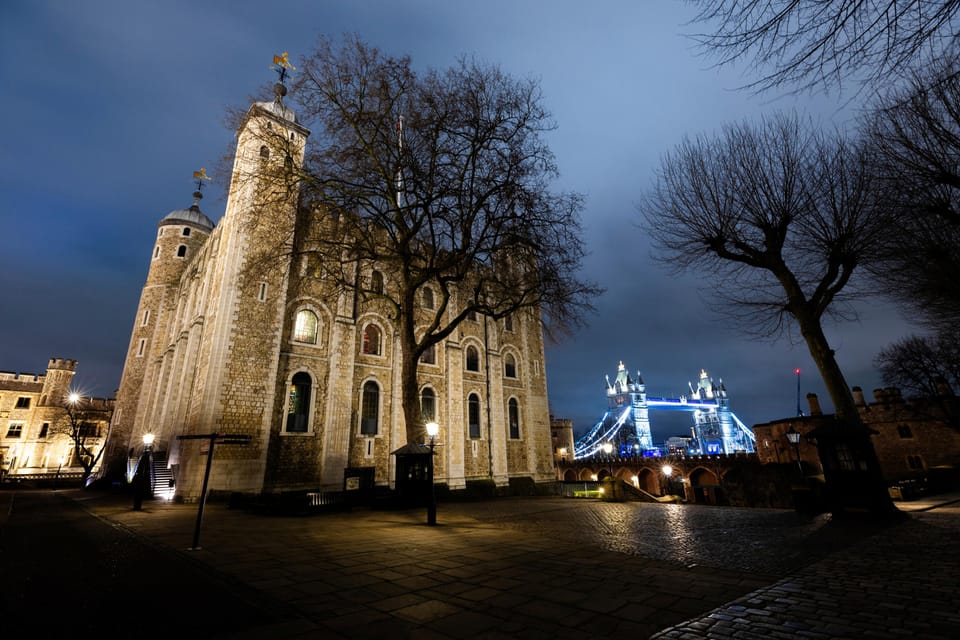
There’s a photo stop at the White Tower. Think of this as your “anchor moment.” You’ll get a chance to capture the most iconic silhouette and, more importantly, to mentally lock in what you’ve just heard. When you walk away later, this helps you remember the tour as a coherent path instead of disconnected facts.
Practical note: night photography can be tricky. Bring your steady hand, and expect that your best shots might be slightly darker or noisier than you’d like.
Chapel Royal of St Peter ad Vincula: the quiet weight of famous burials
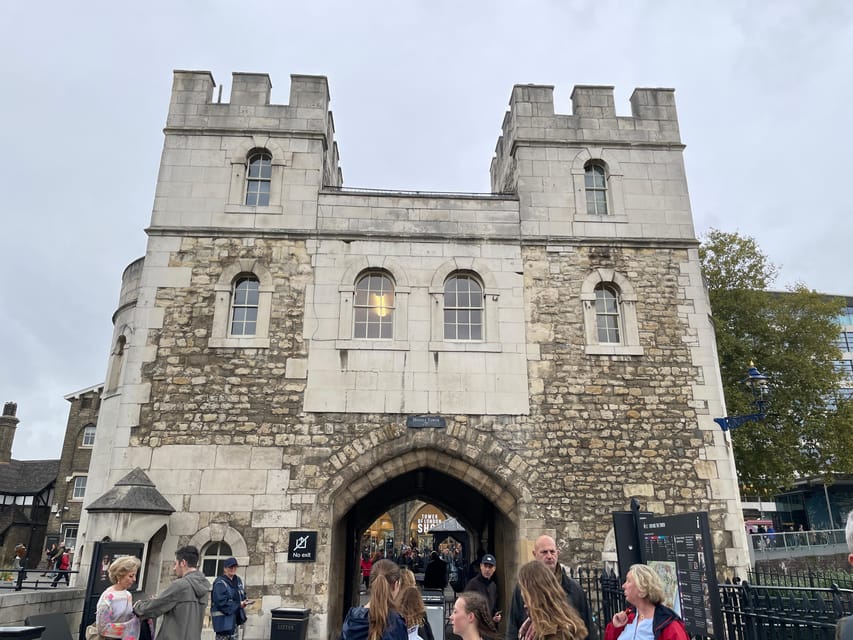
One of the most talked-about aspects of this tour is the way the guide handles the Chapel Royal of St Peter ad Vincula. You won’t go inside, but you’ll still learn why this space matters—and that’s the key. The Tower’s most famous stories aren’t only about the dramatic arrest and sentencing. They’re also about what happens afterward.
From outside the chapel area, you’ll learn about the final resting place of major figures, including:
- Anne Boleyn
- Catherine Howard
- Lady Jane Grey
- Sir Thomas More
The tour’s approach is respectful and clear. Instead of rushing through names, you get the context of why the chapel became a place people feared, avoided, or remembered depending on their role in Tudor politics. This can be surprisingly emotional for a short walking tour, even without interior access.
If you’re someone who likes the human side of history, this stop is worth paying attention to. It’s where the Tower stops being purely a fortress and becomes part of England’s political afterlife.
Ceremony of the Keys: what to watch during the nightly lock-up ritual
The highlight is the Ceremony of the Keys, a nightly tradition that has continued for more than 700 years. This isn’t a quick “watch and go” moment. The ritual is built around official lock-up, and when you’re there as part of an after-hours experience, it feels like you’re witnessing the Tower doing what it was built to do.
Here’s what I’d focus on while you’re watching:
Pay attention to the lead-up and the moment the Tower gets officially locked. It’s the symbolic “shift” from day-to-night, public-to-closed.
Watch the movement and pacing of the officials. The guide’s prior storytelling makes the ceremony easier to understand; without that background, you might just see a formal reenactment vibe. With the tour context, it feels like tradition functioning as a closing ritual.
Know the ceremony isn’t exclusive to your tour group. The ceremony is open to other visitors and groups who have purchased tickets for it. That means you should expect some shared space and mixed crowd dynamics, even though the grounds tour is set up for your group.
If you’re choosing between this tour and a self-guided Tower visit, the Ceremony of the Keys is a huge deciding factor. It’s the kind of experience that gives the Tower a pulse.
What you’re really paying for: after-hours time, a Beefeater guide, and ceremony access
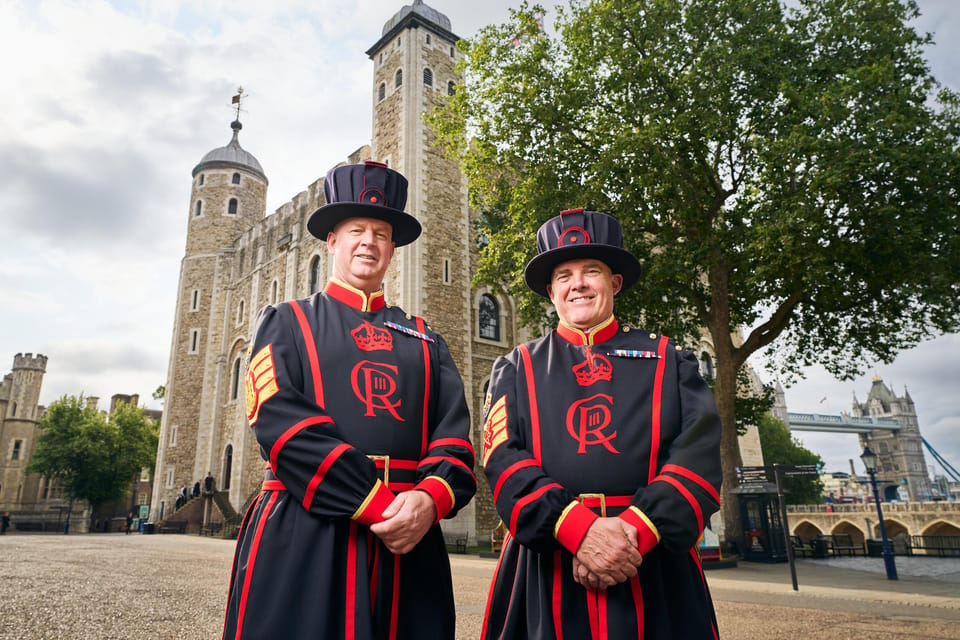
At about $175 per person for a 105-minute experience, you’re paying for three things:
1) After-hours access to the Tower’s grounds in a quieter, more atmospheric setting
2) A Yeoman Warder to connect the stops into one coherent story
3) Attendance at the Ceremony of the Keys as part of the full package
If all you want is a short view of the ceremony, it’s worth remembering the ceremony is also ticketed for other visitors. So if your main goal is only the lock-up ritual, you may feel this price is heavy compared to that single element.
But if you want more than the ceremony—if you want to understand why the Tower is famous, how it became a prison system, and how the chapel connects to Tudor power—this package starts to look like better value. The guide’s storytelling is the multiplier. It turns “places you recognize” into “places you understand.”
Also, you skip the ticket line. For a popular site, saving that time can be the difference between feeling rushed and feeling grounded.
Who should book this Tower of London night tour
This is a strong choice for you if:
You like history told by someone who’s part of the institution. The Yeoman Warder format matters here because the tour is built around landmarks and tradition, not just presentation slides.
You want a more atmospheric Tower experience. Night changes how you perceive the space, especially with themes like betrayal and execution discussed right where those stories played out.
You want the Ceremony of the Keys, but you also want context. The tour gives you background so the ceremony makes more sense and feels more meaningful.
You should skip it if:
You need wheelchair access or have mobility impairments that require special assistance. The tour isn’t designed for wheelchairs or walking impairments needing special support.
You’re traveling with baby strollers or baby carriages. Those aren’t allowed.
You need to bring luggage or large bags. Those aren’t allowed either.
If you’re traveling with children, it can still work—just note that the walk is the core of the experience, and the restrictions are tight.
Practical tips for a smooth, comfortable night out
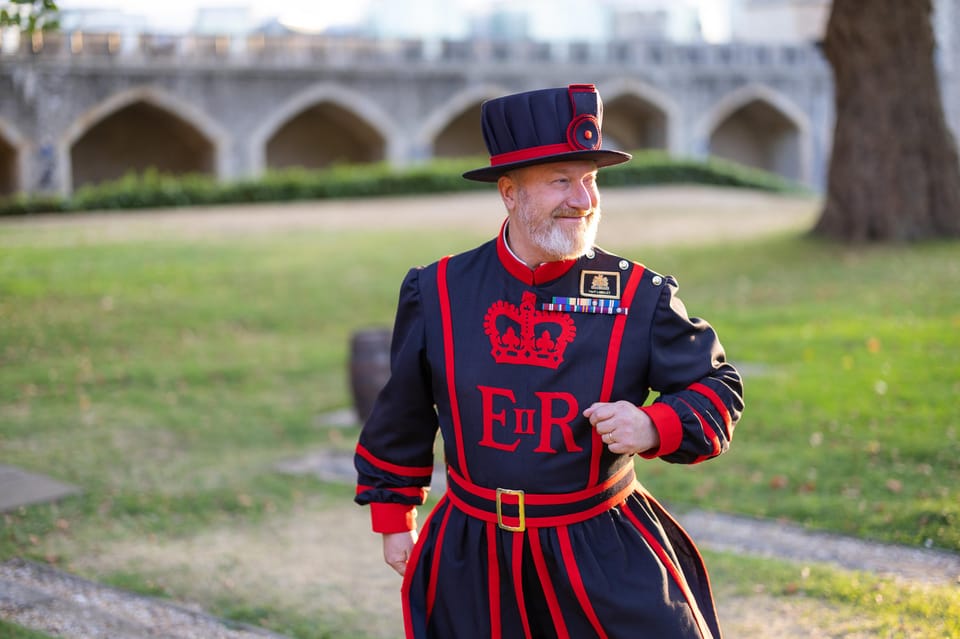
This tour is short, but it’s not casual. You’ll be walking on uneven ground in the Tower area.
Bring passport or ID, and wear comfortable shoes you can trust on dark surfaces. Also dress for weather—night in London can be chilly and damp, and you’ll feel it during the walk.
A couple more practical thoughts:
Arrive 10 minutes early at the Tower of London Shop. Meeting points matter at night because finding the group can take longer than you expect.
Look for staff in red holding a sign that says The Tour Guy.
Expect the focus to be the grounds. The tour is clear that it does not include access to the Crown Jewels, and it also doesn’t include entry inside buildings—so if that’s your top priority, you’ll want a different ticket.
So, should you book it?
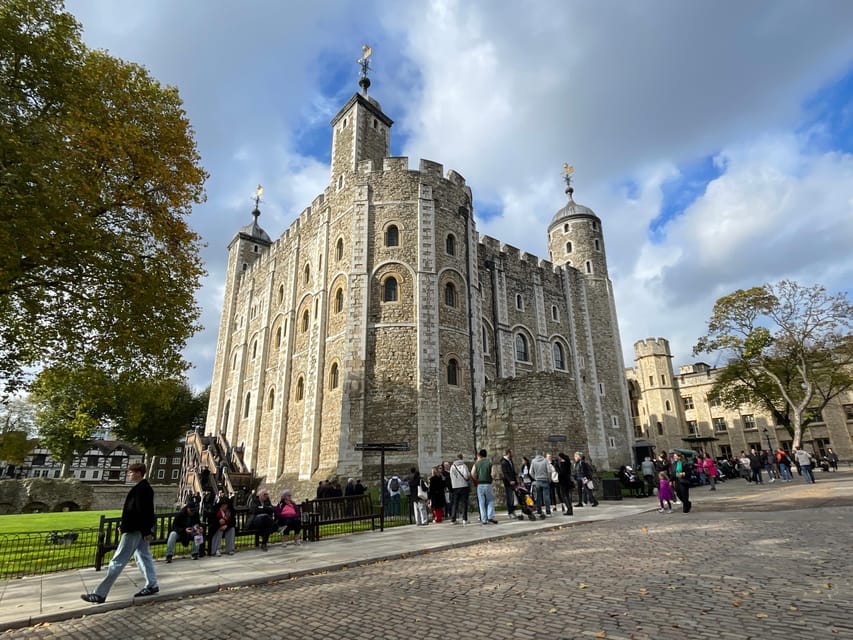
I think you should book this Tower of London after-hours tour if you want the Tower’s atmosphere plus a guide who can connect the sites to the stories. The most praised parts—night access, strong Yeoman Warder storytelling, and the Ceremony of the Keys—are exactly the combo that makes the experience feel more than a standard visit.
Skip it if you’re mainly chasing the Crown Jewels or you need accessibility accommodations that aren’t available on this walk-based route. Also, if you’re purely ceremony-focused and don’t care about the exterior context, check the alternative options first so you don’t pay for more story than you need.
If you’re on the fence, this is the kind of experience that’s easiest to justify when you care about “how it all fits together” and you like your history with real-time atmosphere.
FAQ
How long is the Tower of London after-hours tour?
It runs for 105 minutes.
Where does the tour start?
You meet at the Tower of London Shop. Arrive 10 minutes early and look for staff in red holding a sign with The Tour Guy.
Does this tour include the Crown Jewels?
No. It focuses on the Tower’s historic grounds and the Ceremony of the Keys, and it does not include access to the Crown Jewels or entry inside buildings.
What’s the main guided experience?
You get a walking tour of the Tower’s exterior grounds with a live English-speaking Beefeater guide, followed by the Ceremony of the Keys.
Will I be able to attend the Ceremony of the Keys only with my group?
No. The Ceremony of the Keys is open to other visitors and groups who purchased tickets, even though the grounds tour is for your group.
Are strollers, baby carriages, or luggage allowed?
No. Baby strollers, baby carriages, luggage, and large bags are not allowed.
What should I bring for the tour?
Bring a passport or ID card, wear comfortable shoes, and dress for the weather.
Is it accessible for wheelchair users or people with mobility impairments?
No. The tour isn’t suitable for wheelchair users or guests with mobility impairments that require special assistance.