Soho packs rock legends into two hours. On this guided stroll you hit Denmark Street landmarks tied to names like the Beatles, Bowie, the Stones, Oasis, and more, with stories that connect the dots between the people, the business, and the music. My favorite part is how Evren links street-level details to real career moments, including where famous performances and recordings took place.
I also love the way the route is built for your time. You finish back at the old Dog and Duck pub, which makes it easy to keep the conversation going without scrambling for a place afterward. One consideration: it’s a walking tour, so if weather is nasty, you’ll still be outside most of the time—plan accordingly.
In This Review
- Key Things to Know Before You Go
- Denmark Street Starts the Tour Like a Greatest Hits Album
- The “Icons in One Small Area” Walking Plan
- Where Business, Not Just Talent, Changes Everything
- Lennon, Oasis, and the Photo-Spot Kind of Fame
- Studios and Recordings: Ziggy and Hey Jude Without the Museum Vibe
- The Time-Smart Morning Stroll That Leaves Your Afternoon Free
- Ending at The Dog and Duck: The Best Kind of Wrap-Up
- Who This Tour Is For (and Who Might Want Something Else)
- Value Check: Is $31.95 Worth It for Two Hours?
- Should You Book the Rock Music Walking Tour of London’s Soho?
Key Things to Know Before You Go
- Tight, memorable route: Two hours that focus on major stops without dragging you across the whole city
- Evren’s storytelling style: Music-industry anecdotes mixed with on-the-street context
- Big-name “where it happened” stops: From Denmark Street to spots tied to recordings and album visuals
- Small group feel: Maximum of 20 people
- Good morning plan: You get a finished tour and still have the rest of the day free
- Pub end, drinks not included: You can relax afterward, but alcohol is on you
Denmark Street Starts the Tour Like a Greatest Hits Album
If you’ve ever thought you’d love to see where rock got its start, this is the kind of tour that gives you instant proof. You begin in central Soho near Tottenham Court Road, then settle into an area where music culture isn’t stuck behind glass. It’s on the pavement and on the building facades, with street corners that feel like they’ve been waiting for fans to look up.
The Denmark Street focus is a big reason people rave about this tour. You’re not just told that famous musicians existed—you get pointed toward the kinds of places where scenes formed: instrument shops, music-related businesses, and hangouts where aspiring artists could plausibly cross paths with the next opportunity. Even if you don’t know every band, you’ll recognize the pattern of it: talent clusters, then the industry notices.
One more practical win: because the tour is only about two hours, you don’t feel trapped. This is great if you want something specific and satisfying early in the day, then leave room for the rest of your London plan.
You can also read our reviews of more walking tours in London



The “Icons in One Small Area” Walking Plan
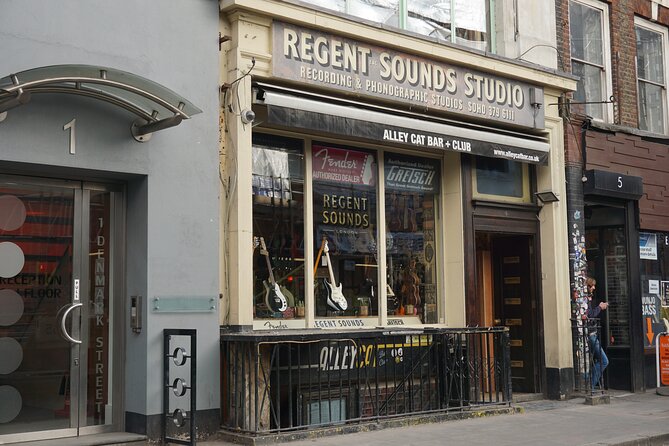
The tour’s core idea is simple: Soho fits an insane amount of rock-and-pop lore into a surprisingly small footprint. As you walk, the guide keeps names and moments moving forward in time—so it feels like a storyline instead of a random list of famous people.
Here’s what the route is built around:
- That first wave of British rock influence you associate with the mid-20th-century scene
- Soho as a music crossroads where talent rubbed shoulders with industry players
- Places tied to performances, studios, and major releases so you’re standing near the “why it mattered” part
The itinerary isn’t shy about scale either. You’ll be hearing references to major artists such as the Rolling Stones, David Bowie, Jimi Hendrix, and Elton John, all connected through the Soho orbit. If you’re a classic-rock fan, you’ll likely pick up extra layers because you already know the songs. If you’re more casual, the guide’s job is to make the stories make sense anyway, and the structure helps.
Where Business, Not Just Talent, Changes Everything
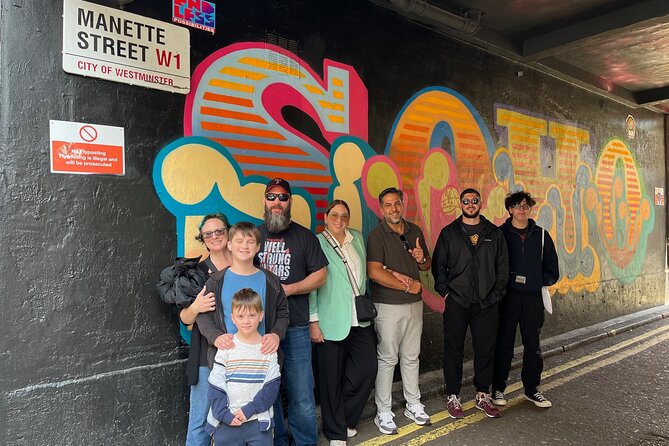
One standout theme in this tour is that music careers aren’t only about gigs and inspiration. They’re also about who gets to make decisions.
A key stop is tied to Brian Epstein. You’ll hear about his role around a legendary Jimi Hendrix night in 1967—a reminder that behind the creative side, there’s always a business pipeline. That detail matters because it stops the story from becoming purely myth. It shows how big opportunities can hinge on timing and the right connections.
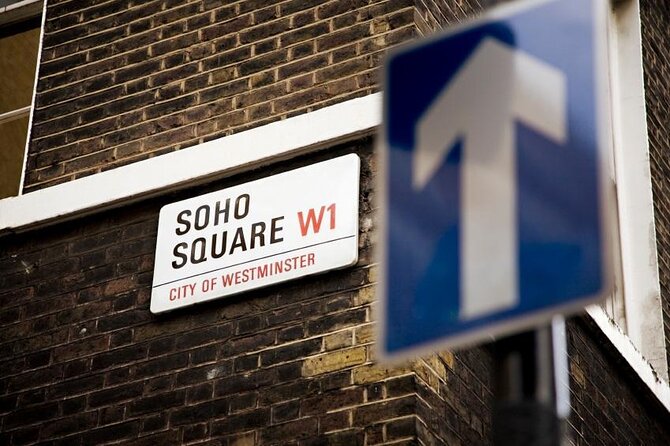
Then you shift to Soho Square, another place where the guide frames the scene as a working environment, not a fantasy. You’ll see the area linked to Paul McCartney’s business headquarters, which is exactly the kind of detail you miss when you explore on your own. It’s easy to think of famous artists only as performers. This tour gently insists you also learn how the machinery worked—management, offices, planning, and deals.
Even if you’re not trying to become a music-business expert, these stops do something valuable: they give you context that makes the iconic songs feel more grounded in real life.
Lennon, Oasis, and the Photo-Spot Kind of Fame
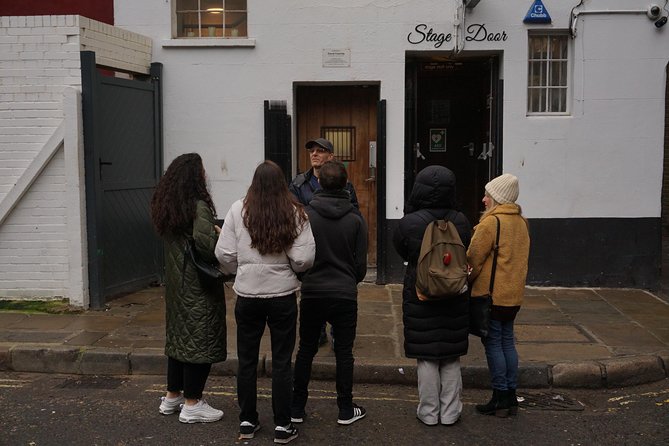
Not every stop is about a recording studio. Some are about the look of culture—how a band’s image becomes part of the public record.
You’ll hear about John Lennon and a famous comedy routine tied to the area. That’s a fun shift from the usual “serious artist” framing. It shows how mainstream fame can involve humor and media moments, not just music.
You’ll also stand in the spot where a famous Oasis album cover was taken. This is the kind of stop that works even for non-superfans because it’s visual. You can almost “see” the cover being made as you look around. For photography lovers, it’s also a morale boost: you get a clear reason to point your camera at a specific wall, corner, or entrance.
This part of the tour is one reason I’d call it a fan-friendly experience. It respects what people love about music—sound, yes, but also image, storytelling, and pop-culture moments you can recognize instantly.
Studios and Recordings: Ziggy and Hey Jude Without the Museum Vibe
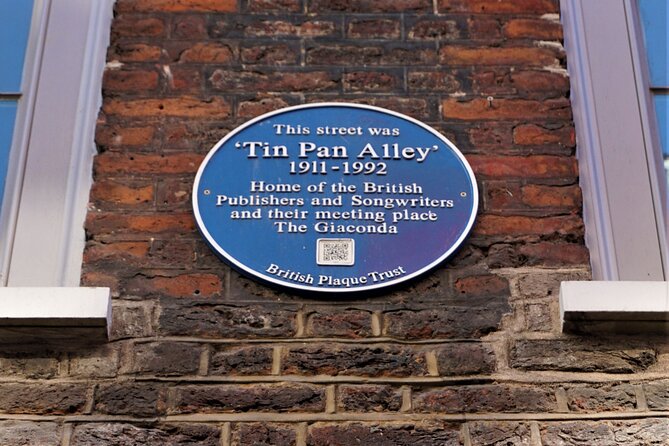
Two stops hit especially hard if you care about the craft behind the songs: the tour points you toward locations tied to major studio work.
You’ll be guided to the studio where David Bowie recorded Ziggy, and then to the studio where the Beatles recorded Hey Jude. I like these moments because they turn “I love this song” into something more physical. You’re not just thinking about audio anymore; you’re connecting it to a place where the work was done.
There’s also a practical benefit. If you only visit museums, your brain absorbs facts in a quiet, controlled way. On this walking tour, those facts come with motion—fresh street views, nearby context, and the sense that the city is still part of the story. That’s why studio-linked stops feel more alive than they would in a gallery.
One small caution: studios and “recording-place” sites are often not obvious from the street. So don’t count on you spotting a plaque and instantly understanding the significance. This is where having a guide matters most. Evren’s job is to point out what to notice, not just where to stand.





The Time-Smart Morning Stroll That Leaves Your Afternoon Free
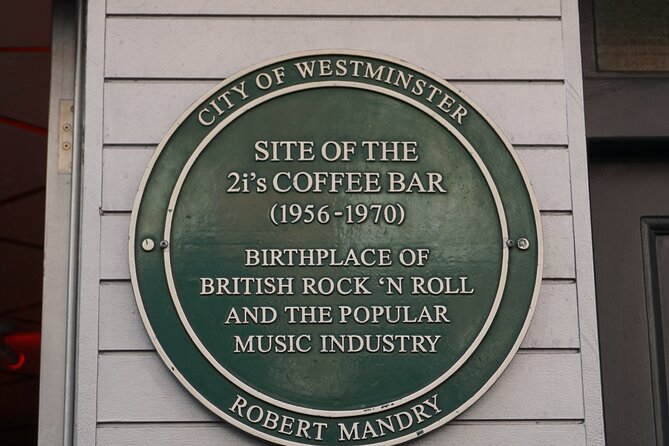
This tour is scheduled as a morning-friendly plan, and the timing really matters for value. You get a solid chunk of Soho without sacrificing the rest of your day. For me, that’s the ideal way to tour London neighborhoods: do the “anchor experience” early, then explore at a slower pace when you’re not rushing.
The tour runs about 2 hours (approx.), and it’s paced enough to stay fun rather than exhausting. Since it’s a walking format, comfortable shoes are the biggest “bring this or regret it” item. The route isn’t described as difficult in the info you provided, and most people can participate, but Soho sidewalks still deserve respect.
The small-group cap also helps. With a maximum of 20 travelers, you’re less likely to feel like a number. You’re more likely to get answers when you ask something on-topic—especially if you’re the kind of person who always wonders how bands actually started turning into bands.
Ending at The Dog and Duck: The Best Kind of Wrap-Up
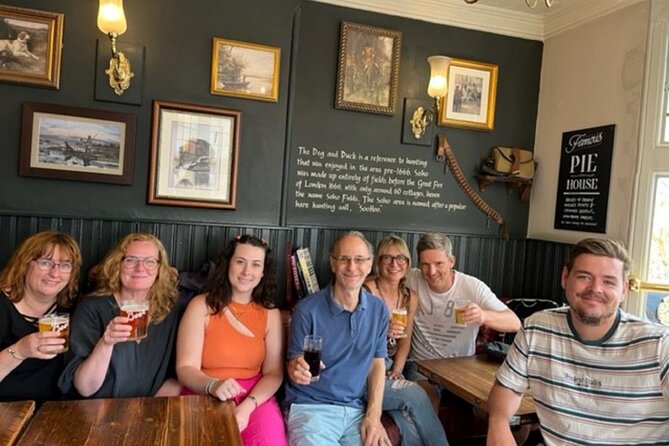
The tour ends at The Dog and Duck, 18 Bateman St—an old historic pub setting that’s made for relaxing after a walk. Alcoholic beverages aren’t included, but that’s not a dealbreaker. You’re not paying for a bar tab; you’re paying for a guided experience that finishes with stories and conversation.
What makes the pub stop feel worth it is that the guide doesn’t just point and go. He adds more personal music-industry stories at the end, and the environment gives you a chance to talk with the group if you want. The venue also gives the tour a satisfying “bookend” rhythm: you start on the streets, then you close with a place where artists and regulars have historically mixed.
If you want an easy next step, this is it. Once you’re done, you’re already in a lively neighborhood pocket where you can keep exploring, grab lunch, or just wander while your brain is still full of rock-and-roll connections.
Who This Tour Is For (and Who Might Want Something Else)

This tour is a strong match if you fit one of these profiles:
- Classic rock fans who want a street-level guide to British music legends
- Beatles, Bowie, Stones, Oasis fans who care about where those cultural moments connected to real locations
- Music-history curious people who enjoy learning how careers form, not only how songs sound
- First-timers in Soho who want a fast, focused way to understand the neighborhood’s music identity
It may be less perfect if you:
- Want a mostly indoor, climate-controlled experience
- Prefer very deep technical studio details (the tour is built for walking + stories, not a recording-gear lecture)
- Expect that drinks are included (they aren’t)
Still, for most people who love rock music and want an experience that feels authentic and local, this tour is a clear win.
Value Check: Is $31.95 Worth It for Two Hours?
At $31.95 per person, the price isn’t just about getting from stop to stop. You’re paying for a guide who connects names to specific locations, plus a route that’s packed with major references inside a compact neighborhood.
Here’s the value math that works in your favor:
- Two hours is long enough to feel like a real experience, not a quick photo walk
- Small group size (max 20) increases your chance of meaningful interaction
- The stop list hits big targets—Denmark Street, Soho Square, studio-linked moments, and iconic photo spots
- The ending at a historic pub gives you a natural place to debrief and absorb what you learned
If you’re choosing between a general city-walk and a themed music walk, this one feels like a better match for people who want their travel to connect with their interests.
Should You Book the Rock Music Walking Tour of London’s Soho?
Book it if you want a high-impact Soho experience that feels personal, story-driven, and focused on where iconic music culture actually took root. The guide’s style, the tight route, and the major-name connections are the big reasons this tour holds attention from start to finish.
Skip it only if you don’t like walking or you’re the type who needs long museum-style explanations. For everyone else, this is the kind of tour that makes you look at familiar bands differently when you’re back in your hotel later, replaying songs with new context.
If you want to do it stress-free, a smart move is to plan it as your morning anchor—then use the rest of the day for your own Soho wandering while the stories are fresh.