REVIEW · LONDON
Visit the Birthplace of The Rolling Stones – Private Tour
Book on Viator →Operated by Swinging 60s London · Bookable on Viator
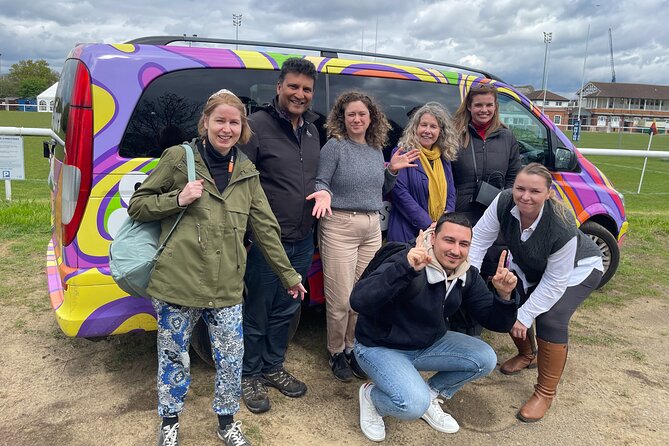
London turns into Stones lore fast. This private 3-hour minivan ride through southwest London ties together the places where the band found its name, sharpened its sound, and started building the scene that made them famous. I love the air-conditioned minivan comfort because most stops are brief, so you want a smooth ride between them.
The professional guide keeps the stories moving with sharp trivia and connections you don’t get from a map. You’ll also spot rare locations tied to the band’s early days—like flats and venues most fans never see. One consideration: a lot of the viewing is outside on public streets, so don’t expect museum-style time inside.
This is fully private for your group (up to 6), and it ends at Richmond Station, which makes it easy to keep exploring after the tour without backtracking across London.
In This Review
- Key highlights worth knowing
- Why a private Stones tour is the smart way to see London’s rock roots
- Getting there: Earl’s Court pickup, then a comfortable ride to Stones London
- Edith Grove and Cheyne Walk: the band’s early name moment and a very famous street
- The Swinging London heart: Chelsea-area street scenes and a private-party throwback at The Half Moon
- Olympic Studios: where the Stones stacked six straight albums (and why that matters)
- Richmond’s “first residency” era: All Bar One (Station Hotel) and the Crawdaddy Club origin
- Richmond Hill and Ormond Road: Mick and Jerry’s early-1990s home, Ronnie Wood, and It’s Only Rock and Roll
- The Crawdaddy Club’s second location and the blues festival that kept moving
- What makes the guide’s approach feel worth it
- Price and value: what you’re really paying for
- Who should book this private Rolling Stones birthplace tour
- Practical notes to help you enjoy it more
- Should you book this tour?
- FAQ
- How long is the Birthplace of The Rolling Stones private tour?
- What’s the group size and price?
- Where does the tour start and end?
- Is the tour ticket mobile, and what language is it in?
- Are entrance fees included at every stop?
- What’s the minimum age?
- What is the cancellation policy?
Key highlights worth knowing
- Private tour for up to 6: personal pace, not a cattle-car schedule
- Air-conditioned minivan: you stay comfortable between short stops
- Pro guide stories, not just photos: trivia with real local connections
- Early Stones addresses: flats, streets, and venue exteriors many people never find
- Recording history on location: Olympic Studios plus the Baker Street link
- Drop-off in Richmond: fast train and tube options right after
Why a private Stones tour is the smart way to see London’s rock roots
If you’re a Rolling Stones fan, you can absolutely piece together sights on your own. But the value here is the “glue” between locations: why these streets mattered at the moment they did, and how the band’s early identity and later momentum connect across southwest London.
A private format also helps. You can ask follow-up questions in real time, and you’re not stuck listening for the next stop through the back of someone else’s conversation. The tour is built around short, efficient moments outdoors, and that works much better when your guide can set expectations and keep the rhythm tight.
You can also read our reviews of more private tours in London
Getting there: Earl’s Court pickup, then a comfortable ride to Stones London
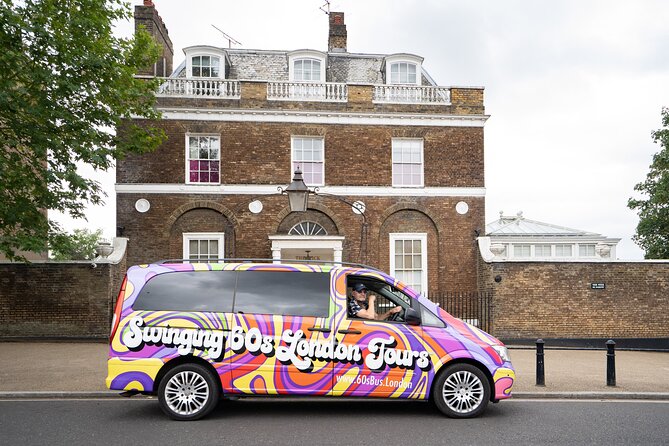
The tour starts at Earl’s Court (at the police box on Earls Ct Rd). From there, you’ll ride in an air-conditioned minivan while your guide strings together the story. That matters because the “Stones London” you’ll see isn’t all in one tight tourist pocket. It’s spread across the kind of neighborhoods where locals actually live, shop, and hang out.
You’ll also be thankful for the handoff at the end. The tour finishes at Richmond Station, so you can quickly move on to dinner, a walk by the Thames, or Richmond Park if you’ve still got energy.
Edith Grove and Cheyne Walk: the band’s early name moment and a very famous street
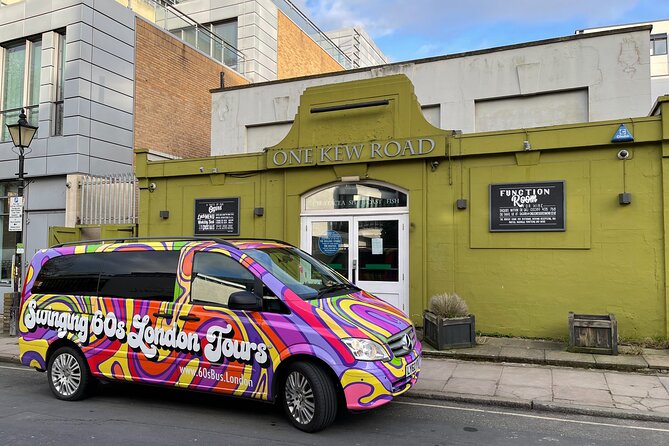
One of the most interesting early beats is the area around where Bill Wyman was auditioned, including a passing moment linked to the Wetherby Pub connection. Then the tour stops outside the flat where the band shared space between 1962 and 1963, the address of 102 Edith Grove.
This isn’t about grand landmarks or flashy plaques. It’s about perspective. You’re seeing the kind of place where creativity happened before the world knew the Stones’ sound. And you get a specific connection: this flat is tied to the band sharing time there and also inviting The Beatles after first meeting them in Richmond. That’s the sort of detail that makes the Stones story feel human and local instead of mythic.
Next comes Cheyne Walk, where Mick and Keith bought houses in 1968. It’s one of London’s more “salubrious” streets, and seeing it from the curb gives you a sense of how far the band’s success carried them. The stop is short, and admission isn’t included here, so think of it as a photo-and-context moment rather than a long linger.
The Swinging London heart: Chelsea-area street scenes and a private-party throwback at The Half Moon
After the residential stops, the tour pivots to the energy of the Chelsea-adjacent scene. You’ll get a look at the beating heart of Swinging London, including the location associated with the Chelsea Drugstore. This part helps you understand that the Stones weren’t just recording songs—they were moving through a network of fashion, music, and nightlife where reputations were made fast.
Then the route includes The Half Moon in Putney, with the tour highlighting a performance at a private party as recently as 2000. That’s a nice reminder. Even as you focus on the early years, the Stones story keeps stretching forward. Places like this aren’t just historical backdrops; they’re part of a long-running London music ecosystem.
Olympic Studios: where the Stones stacked six straight albums (and why that matters)
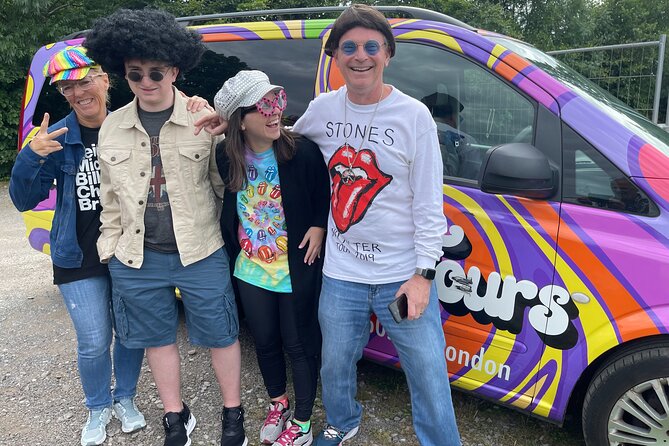
The Olympic Studios stop is one of the most valuable parts for music fans who want more than street-level lore. This is where the Stones recorded six consecutive albums between 1966 and 1972, working with Chris Kimsey and Glyn Johns.
If you care about sound quality and production, this is the kind of detail that turns the tour into something more than trivia. Olympic wasn’t just a studio; it was a working machine for their sound across a stretch of years. You’ll also hear about the earlier link: their first hit, Come On (released in 1963), was recorded at Olympic’s previous location off Baker Street.
So even if the stop is brief, it connects dots across time and geography. You get the sense of continuity—new address, same creative engine.



Richmond’s “first residency” era: All Bar One (Station Hotel) and the Crawdaddy Club origin
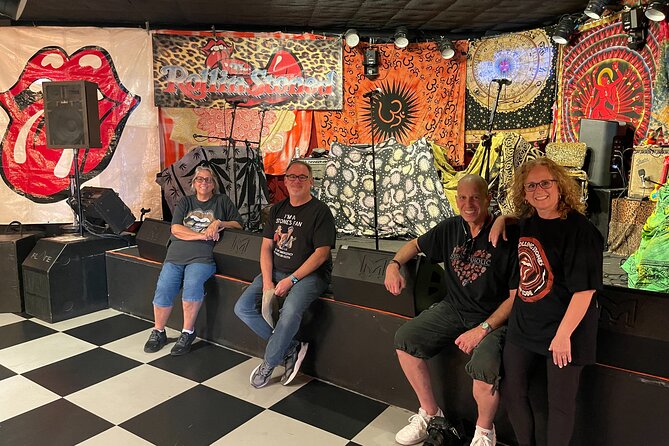
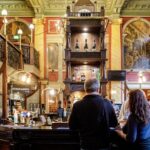
Richmond is where the tour really starts feeling like a focused storyline. At All Bar One Richmond, the guide walks you through the location’s older life as the Station Hotel, and the home of the original Crawdaddy Club.
Here’s where the tour becomes especially concrete about timelines: this Richmond stop is tied to the Stones securing their first residency on Sunday 24 February 1963. It’s also where they first met The Beatles and signed for Decca Records.
This is exactly the kind of connection you want on a private tour. A casual walk might point you at a pub and let you guess at the past. Here, you’re getting the “why” tied to specific dates and milestones.
Richmond Hill and Ormond Road: Mick and Jerry’s early-1990s home, Ronnie Wood, and It’s Only Rock and Roll
Another standout is the quick stop at Terrace Gardens on Richmond Hill, where the tour points out places associated with the band’s later personal lives and songwriting. You’ll hear that Mick and Jerry lived here in the early 1990s, with the note that Jerry still lives there with new husband Rupert Murdoch. You’ll also learn that Ronnie Wood lived there from 1971.
And then comes the songwriting detail that fans love: It’s Only Rock and Roll But I Like It was written here in 1973. It’s a short stop, and admission isn’t included, but that’s the point. The value is in tying a line you know from an album back to a real street and a real time.
Next is Ormond Road and the Sandover Hall location in Richmond, where the Stones performed between 1962 and 1963. Like many of the tour stops, you’re outside looking in. But with the guide’s context, those walls feel less like “generic venues” and more like the stepping stones of early momentum.
The Crawdaddy Club’s second location and the blues festival that kept moving
The tour ends with a rich piece of music-scene history at the Crawdaddy Club location, described as the band’s second address in 1963. This stop adds a twist: the Yardbirds replaced The Stones as the resident band. That detail matters because it shows the club wasn’t a static monument—it was a living stage where lineups shifted as bands rose and fell.
You also get a broader pop-music thread with Harold Pendleton’s National Jazz and Blues Festival, which ran from 1961 to 1965. The guide notes that after years at various locations, the festival ultimately moved to Reading, where it’s described as the longest-running pop festival in the world.
This is where the tour earns its “birthplace” framing. Even though you’re tracking one band, you’re seeing how bigger music movements and venues helped create the conditions for a band like the Stones to take off.
What makes the guide’s approach feel worth it
Across the tour, the best part isn’t a single address—it’s how the guide connects them. You’ll hear stories and trivia as you travel, and the timing feels designed for how people actually pay attention on a London street: quick stop, quick context, then moving on before you lose the thread.
It also helps that the tour avoids boring “here’s a plaque” energy. The stories are tied to events you can picture: auditions, first meetings, first residencies, major recording stretches, and the venues that fed the scene. The result is a ride that feels like fun, not homework, while still packing in the details.
Price and value: what you’re really paying for
At $575.86 per group (up to 6), you’re not paying per person—you’re paying for a private vehicle and a professional guide for your group. For a full group of 6, that works out to roughly $96 per person for about 3 hours of tour time.
That math matters. If you have fewer people, it’s still priced for the private experience, so the value depends on how much you’d spend otherwise on separate tickets, taxis, and the time cost of figuring out the route yourself. For couples or small groups of 2–4, I’d think of it as a “buy the expert + buy the convenience” purchase. You get a structured route with minimal waiting, plus the ability to ask questions on the fly.
Who should book this private Rolling Stones birthplace tour
This tour fits best if you:
- know your way around London neighborhoods but want the Stones story connected across real locations
- prefer guided storytelling over reading your phone while walking
- like the band’s early years as much as the production and songwriting side
- want a private format that stays focused on your group
If you’re expecting long museum-style stops, this isn’t that. It’s a street-and-context tour, using brief exterior views to build a bigger picture.
Practical notes to help you enjoy it more
- Expect short stops outdoors, not long entries. Bring a good attitude for curbside viewing.
- Wear shoes you’re comfortable standing in—Richmond streets are worth walking, even if the tour itself is mostly brief exterior pauses.
- If you want photos, plan for quick captures. The route is paced for history, not a photo marathon.
- Start time is 1:00 pm, and the tour runs about 3 hours, so plan dinner or additional exploring right after you finish in Richmond.
Should you book this tour?
Yes, if your idea of a great London music day is guided stories tied to specific places—especially the early Stones era around Richmond and the creative work connected to Olympic Studios. The private format makes it feel lively and personal, and the overall structure keeps you moving without turning the day into a blur.
If you’re the type who needs lots of indoor access or long stops inside venues, you may feel a mismatch. But if you’re happy soaking up context from the street and letting a guide connect the dots, this is a strong buy for Stones fans who want authentic London reality, not just tourist signage.
FAQ
How long is the Birthplace of The Rolling Stones private tour?
The tour lasts about 3 hours.
What’s the group size and price?
It’s $575.86 per group, up to 6 people, for the private tour.
Where does the tour start and end?
It starts at Earl’s Court Police Box 232, Earls Ct Rd, London SW5 9RD, and ends at Richmond Station in Richmond (TW9 1DJ).
Is the tour ticket mobile, and what language is it in?
Yes, you receive a mobile ticket, and the tour is offered in English.
Are entrance fees included at every stop?
Some stops are listed as free, while others note that an admission ticket is not included. The tour guide will handle the sightseeing plan, but you may encounter stops where no admission is provided.
What’s the minimum age?
The minimum age is 9 years.
What is the cancellation policy?
You can cancel for a full refund if you cancel up to 24 hours in advance of the experience start time.