REVIEW · LONDON
Best of London Walking Tour-3 Hours, Small Group max 10
Book on GetYourGuide →Operated by Amitylux www.amitylux.com · Bookable on GetYourGuide
London has a way of talking back. This small-group walk makes the city’s biggest landmarks make sense, with street-level stops that go past the usual photo spots. You’ll cover Westminster Abbey and Big Ben and also slip into calmer side streets where London feels more like a neighborhood than a postcard.
I particularly liked two things: the guide’s explanations tying monuments to British politics and daily life, and the fact that the group is capped at 10 people, so questions don’t get swallowed. One guide I heard singled out—Nicole—was described as especially professional, respectful, and fun to listen to, with facts plus lighter moments.
The one drawback to consider is timing. In at least one case, the guide arrived about 10 minutes late and ended earlier than expected, which can affect the sense of value if you’re on a tight schedule.
In This Review
- Key Things You’ll Notice on This Tour
- Finding the Start: Waterstones on the Street, Not Inside
- 3 Hours on Foot: Plan for Walking Time and Weather
- Westminster Abbey and Big Ben: More Than Famous Facades
- Trafalgar Square and Parliament Street Energy
- Buckingham Palace: Royal Symbols Explained Simply
- Going Off the Main Path: Alleys, Squares, and Real London Feel
- Small Group Size: Better Questions, Less Waiting
- What You Learn: City Landmarks With Cultural Significance
- Price and Value: Is $75 Worth It?
- What to Bring (So You Don’t Waste the Experience)
- Guide Style: Professional, Respectful, and Sometimes Humorous
- Who This Tour Fits Best
- Should You Book This London Walking Tour?
Key Things You’ll Notice on This Tour
- Small group size (max 10) helps you actually ask questions and stay engaged
- Westminster area highlights are paired with clear context, not just stop-and-point sightseeing
- Off-the-main-path streets give you a more local feel than you’d get from landmark-only routes
- Rain or shine means you should dress and plan for weather the whole way
- English live guide keeps the commentary moving at a steady, understandable pace
Finding the Start: Waterstones on the Street, Not Inside
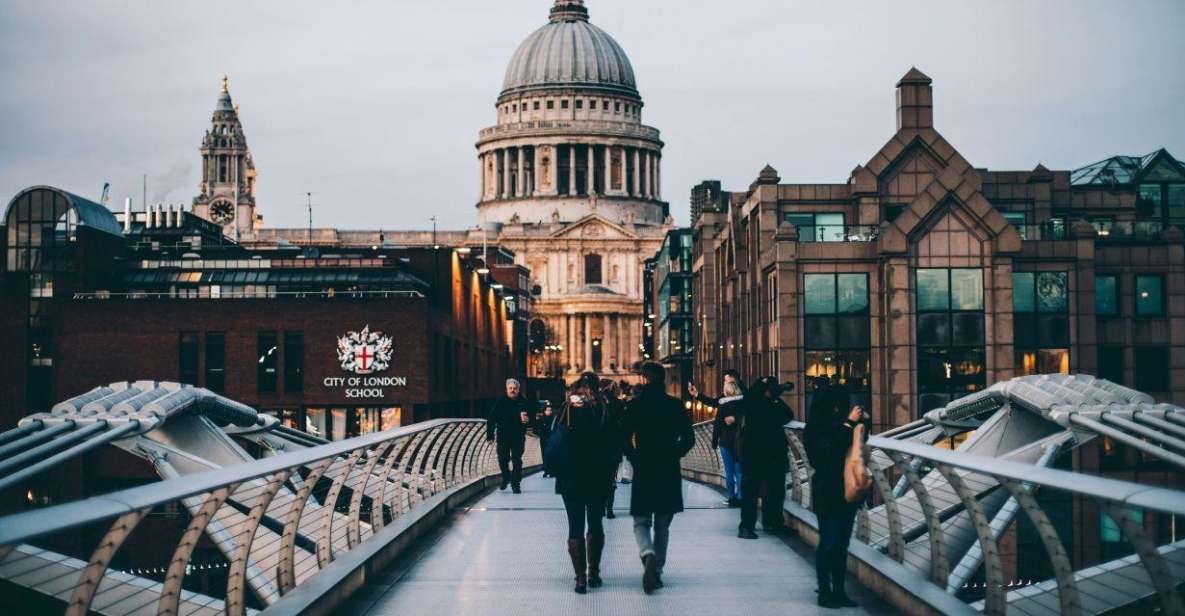
The tour starts in central London at a very specific spot: in front of the Waterstones shop, not inside. The guide will be wearing a tour badge, so you’re not meant to wander around guessing for long.
This sounds minor, but it matters. If you’re arriving from another stop, you’ll want to give yourself a little buffer so you don’t end up late. And since the tour runs in bad weather too, lining up correctly at the meeting point is your best way to avoid standing around longer than necessary.
Also note the “no luggage or large bags” rule. If you’re traveling light, great. If not, you’ll want a locker or storage plan before you meet your group.
You can also read our reviews of more walking tours in London



3 Hours on Foot: Plan for Walking Time and Weather
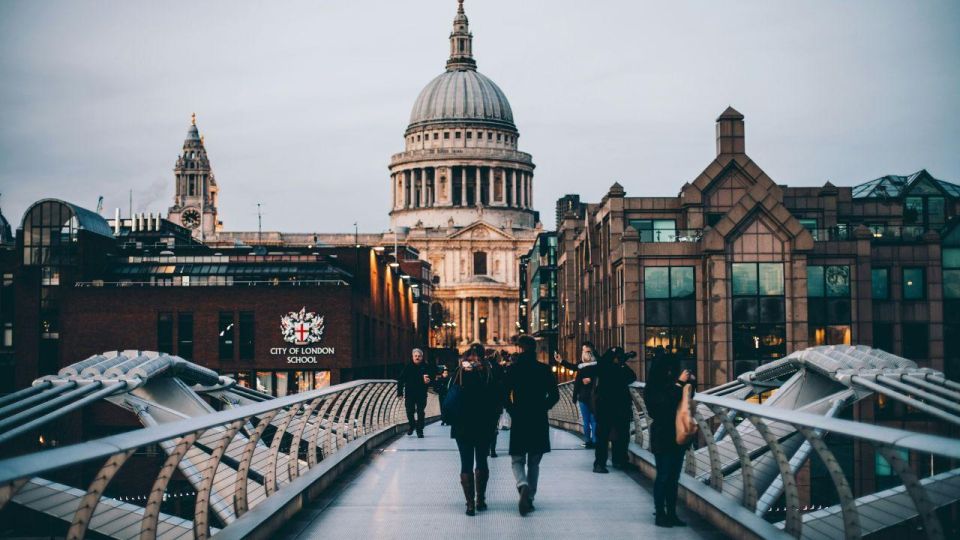
You’re signing up for a 3-hour walking tour, and that’s long enough to feel it if your shoes are wrong or you’re underdressed. Bring comfortable shoes first, then layer up. The tour operates rain or shine, so pack rain gear even if the morning looks clear.
A practical note: this isn’t the kind of outing that’s easy to pause for long breaks. You’ll be walking between major landmarks and smaller streets, which means you should treat it like real city walking, not a slow museum crawl.
One more thing: the tour isn’t suitable for people with back problems, and wheelchair users aren’t included. If walking is already a challenge for you, you’ll likely get more frustration than enjoyment.
Westminster Abbey and Big Ben: More Than Famous Facades
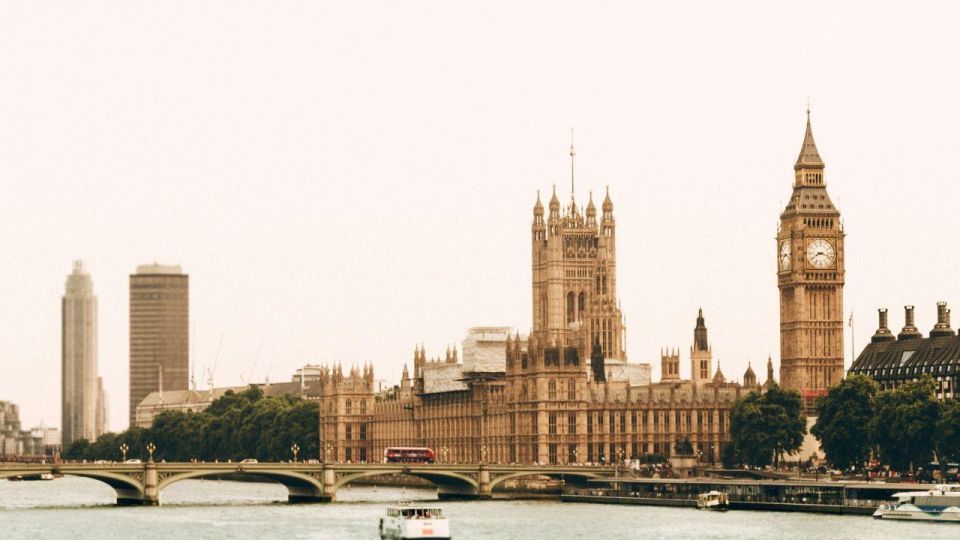
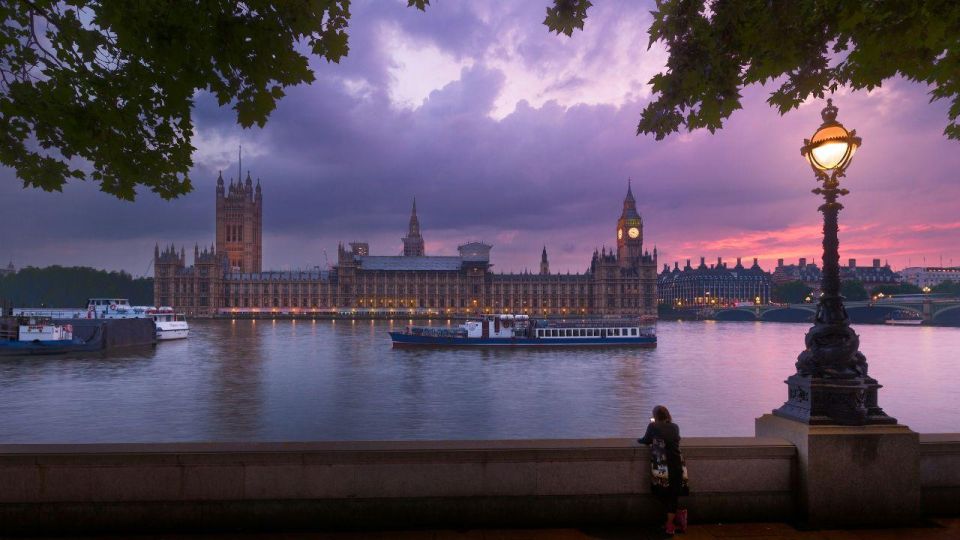
The core of this tour runs through London’s most recognizable political-and-ceremonial area. You’ll see Westminster Abbey, the Big Ben area, and the Houses of Parliament, and the guide’s job is to explain what these places mean beyond their appearance.
What makes this section valuable is the way the commentary connects landmarks to how power works in the UK. Westminster Abbey isn’t just an impressive building; it’s tied to major historical events and the symbolism of British institutions. Big Ben and the Houses of Parliament, similarly, aren’t just “big, old, and famous”—you’ll get the why behind them, with explanations meant to be understandable, not academic.
If you like history but hate when it becomes a long lecture, this part is a good fit. The group stays small, so it’s easier to ask questions while the topics are still fresh.
Trafalgar Square and Parliament Street Energy
Trafalgar Square is one of those London places that feels instantly familiar. You’ll pass through it as part of the route, and the tour uses it as more than a photo stop.
The practical value here is context. You’ll hear how the square and surrounding civic spaces fit into London’s identity—what people associate with it, why it became important, and how the symbolism plays out in the modern city. This is the kind of stop where you can walk around for a minute, look up, and suddenly understand what you’re seeing.
If you’re visiting for the first time, this portion helps you get your bearings fast. If you’ve been before, you’ll still likely enjoy it because the guide’s framing changes what you notice.
Buckingham Palace: Royal Symbols Explained Simply
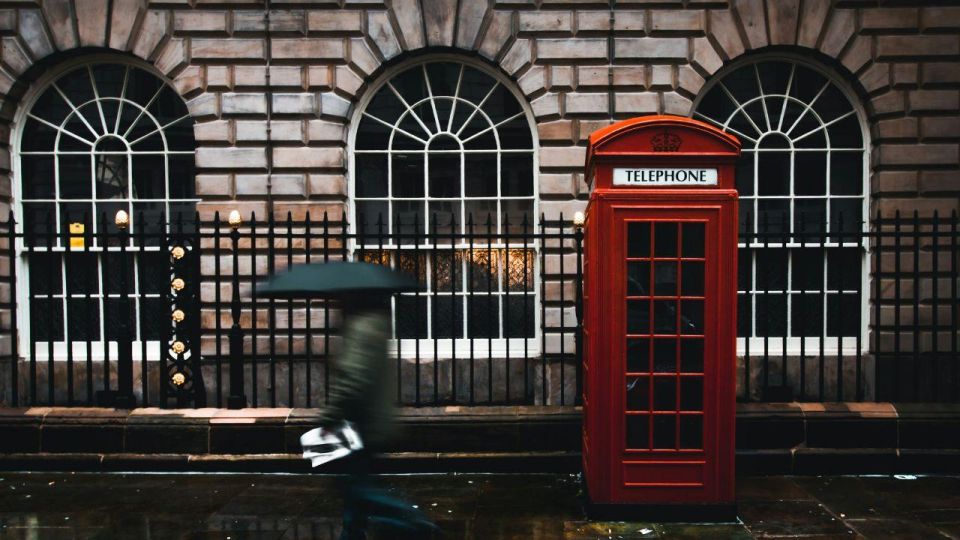
You’ll also cover Buckingham Palace. Again, the point isn’t only seeing the building; it’s learning what you’re looking at.
London’s royals are a mix of tradition, pageantry, and modern public image. A good guide helps you connect the dots between that heritage and what tourists usually only see from the outside. On this tour, the commentary is geared toward making those cultural meanings feel clear, so the palace becomes more than a landmark with guards.
And because the group stays small, you’re less likely to feel rushed as you take in the surroundings. You can pause, look at details, and keep listening without the whole group constantly pulling away.
You can also read our reviews of more tours and experiences in London





Going Off the Main Path: Alleys, Squares, and Real London Feel
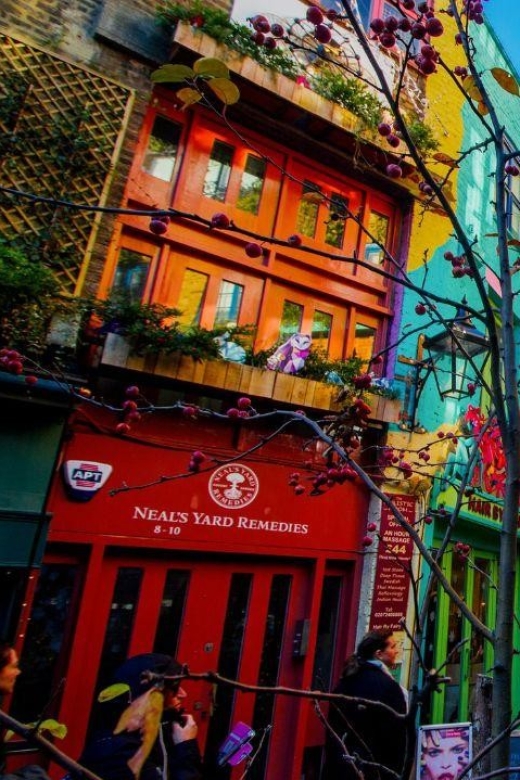
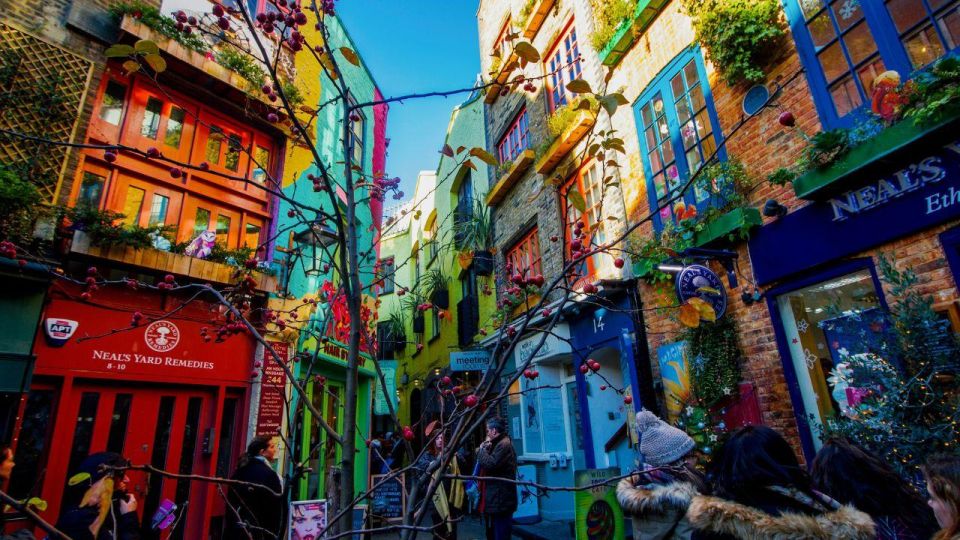
A big selling point is that you’ll venture off the beaten path into quieter pockets of the city. Instead of treating London like a list of famous points, you’ll walk through charming streets and quaint squares that reveal a different side of the city.
Why this matters: those side streets are where London stops being a theme park and starts feeling lived-in. You get a sense of scale—how small lanes connect big landmarks—and you see how the city’s layout supports everyday movement.
This section is also where you can feel the guide’s personality. In the feedback I saw, guides were described as professional and respectful, and in at least one case Nicole was also noted for adding a few humor-friendly moments. That matters on a walk, because it keeps the history from becoming a straight line of dates and names.
Small Group Size: Better Questions, Less Waiting
The tour limits participants to 10 people, which is a major quality lever for a walking guide experience. With fewer people, your questions are more likely to be answered fully instead of cut short. It also means you spend less time trying to see over other heads.
You’ll likely find this format especially helpful if you’re traveling solo or you don’t want to feel like you’re just tagging along behind strangers. The guide can keep an easier rhythm with a smaller group, and you’ll get a more personal “conversation with the city” vibe.
That said, timing matters. If a guide runs late or ends earlier than promised, the small group can still feel like it lost value, even if the guidance is good. If you’re strict about your schedule that day, keep a little slack.
What You Learn: City Landmarks With Cultural Significance
The highlights call out learning the history behind each turn, and that’s exactly where tours like this can either shine or disappoint. Here, the goal is to give you a new understanding of London’s culture and how the city’s major sites connect to its public life.
In plain terms, you should expect explanations that cover:
- Why major sites became important
- How different parts of the city connect historically and politically
- What symbols mean to modern Londoners
- How the story of the area fits into a bigger picture
When it works, this gives you something you can carry with you the rest of your trip. Even if you only have one day for the Westminster area, you leave with a mental map of how the pieces fit together.
Price and Value: Is $75 Worth It?
This tour costs $75 per person for about 3 hours and includes only the guided walk. Food and drinks aren’t included, so if you’re hungry afterward, you’ll need to plan a meal on your own.
At this price, value mostly comes down to two things:
- How strong you find the guide’s explanations
- Whether the walking time feels well-paced and complete
With a small group and major landmarks included—Westminster Abbey, Big Ben, Houses of Parliament, Trafalgar Square, and Buckingham Palace—you’re getting access to the most concentrated sightseeing zone in London. If the guide keeps a good rhythm and uses the extra time well for questions, the cost feels reasonable.
If you’re the kind of traveler who wants a lot of free time at each stop for photos and wandering, you might feel the pace is tight. And if the tour runs shorter than expected, that’s when the “worth it” question becomes sharper. The comfort point is: don’t book this tour if you need it to be a slow-and-flexible itinerary.
What to Bring (So You Don’t Waste the Experience)
This is simple but crucial. Bring:
- Comfortable shoes
- Warm clothing
- Rain gear
- Weather-appropriate layers
And remember the restriction: no luggage or large bags. The goal is a smooth walking route, not hauling baggage through busy central streets.
If you wear layers, you can handle the stop-and-go nature of sightseeing. If you skip rain gear, you’ll feel it quickly. London weather has a talent for arriving right when you’re trying to focus on a guide’s explanation.
Guide Style: Professional, Respectful, and Sometimes Humorous
One standout from the notes I saw: guides were described as knowledgeable in a practical, respectful way. Nicole was specifically mentioned as amazing, insightful, and very nice, with facts that came with a couple of humor-friendly anecdotes.
That kind of delivery matters. On a walking tour, you’re standing and moving while listening. A guide who can keep the tone approachable helps you retain what you learn without feeling like you’re doing homework.
One point to keep in mind: communication and punctuality can affect the overall experience. In at least one situation, there were complaints about arriving late and about waiting in rain while the guide waited under cover. That’s not something you can control as a traveler, but it’s a reminder to show up early and dress for discomfort.
Who This Tour Fits Best
This walk is a strong match if you:
- Want a compact intro to central London landmarks
- Like history and politics, explained in everyday language
- Prefer small groups where questions are welcomed
- Want both the famous sights and a bit of quieter street scenery
It’s not the best fit if you:
- Have back problems or mobility limitations that make extended walking difficult
- Need wheelchair accessibility
- Want food included in the price
- Are looking for a free-roam day where you control every stop’s timing
Also, keep in mind language: the guide is English. If you need another language, you should double-check before booking.
Should You Book This London Walking Tour?
I’d book this tour if you want an efficient, guided way to understand Westminster and the royal-civic zone of London without getting stuck in a big group. The small size, the focus on cultural meaning, and the mix of top landmarks plus side streets make it a good use of a half-day in the city.
Skip it or be cautious if weather timing and strict schedules are an issue for you. With rain or shine, you’ll be happiest if you dress properly and plan to stay flexible.
If you come in wanting context—why these places matter, not just where they are—this is the kind of tour that leaves you with a clearer mental picture of London’s story.