REVIEW · LONDON
Law in London Private Tour
Book on GetYourGuide →Operated by Greenwich Royal Tours · Bookable on GetYourGuide
Few cities make law feel so walkable. This private London tour uses real legal landmarks and a lawyer guide to turn sightseeing into a story about how British law works. You’ll pass through places tied to major cases and courtroom drama, but you’ll also get practical context for what you’re looking at and why it matters.
I especially liked the chance to step inside the Royal Courts of Justice and experience the atmosphere of a working legal center. Second, the mix of classic sites (Old Bailey, Temple Church) with modern institutions (the Rolls Building) gives you a clear timeline of how the system has evolved. One thing to consider: if you show up with very specific legal questions you want fully answered, this is still a walking tour, so you may not get the depth you’re imagining—though the guide is there to answer questions within what’s appropriate.
In This Review
- Key highlights worth planning for
- How London’s law district turns sightseeing into sense
- Starting at the Royal Courts of Justice: where the old rules meet the present
- Crossing to the Old Bailey: the world’s most famous courtroom street
- The British Law Society pause: a break that teaches, not just rests
- The Rolls Building: modern law with global reach
- Inns of Court and Tony Blair’s cloisters: law, then politics
- Temple Gardens and Temple Church: Da Vinci Code, but worth it
- Old Cheshire Cheese Pub wrap-up: a half pint and a Magna Carta souvenir
- Price and value: what you’re really paying for
- Who this tour is best for (and who should temper expectations)
- Practical tips so your afternoon goes smoothly
- Should you book the Law in London Private Tour?
- FAQ
- How long is the London law private tour?
- Where do we meet?
- What days and time does the tour run?
- Is admission to the Royal Courts of Justice included?
- What do I get at the end of the tour?
- Is this tour private?
- Do children get discounts?
Key highlights worth planning for
- Inside Royal Courts of Justice: Victorian architecture plus time with the legal machine in action, including the chance to sit in on a case
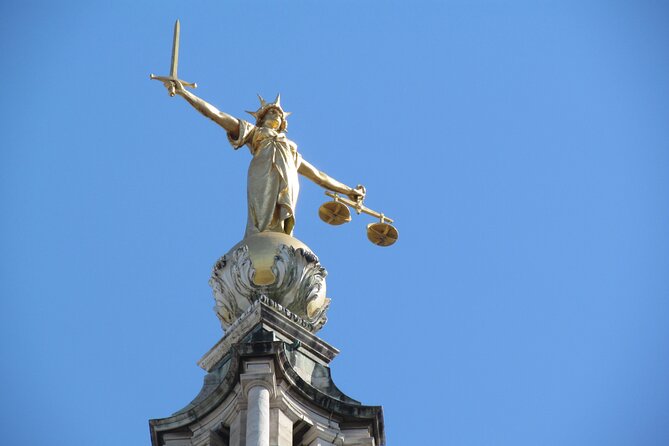
- Old Bailey on a storytelling route: famous courtroom setting tied to well-known trials
- Inns of Court + Tony Blair connection: you’ll pass the spot where Blair had his law offices before politics
- Temple Church and Dan Brown fans’ details: Temple Church is linked to Da Vinci Code film locations
- Rolls Building for modern disputes: a glimpse of today’s commercial and international-style legal work
- Old Cheshire Cheese Pub + Magna Carta: a complimentary half pint and a copy of Magna Carta keep the lesson memorable
How London’s law district turns sightseeing into sense
London has a lot of grand buildings. This tour picks one area and treats it like a living textbook. You’re not bouncing around at random; you’re walking through the places where the legal system has long been practiced, debated, and upgraded.
The best part is that you’ll have a lawyer guide with you for the full 3.5 hours. That changes how you experience architecture and signage. Instead of just reading plaques, you get explanations in plain language about roles, procedures, and what makes each building different.
This is also a smart fit if you like legal TV shows, courtroom drama, and British legal terminology. Think Rumpole of the Bailey energy, but with real buildings and real context. And yes, the tour has a bit of theatrical mood to it—you’ll feel like you’re walking through the same corridor where stories get made.
You can also read our reviews of more private tours in London


Starting at the Royal Courts of Justice: where the old rules meet the present
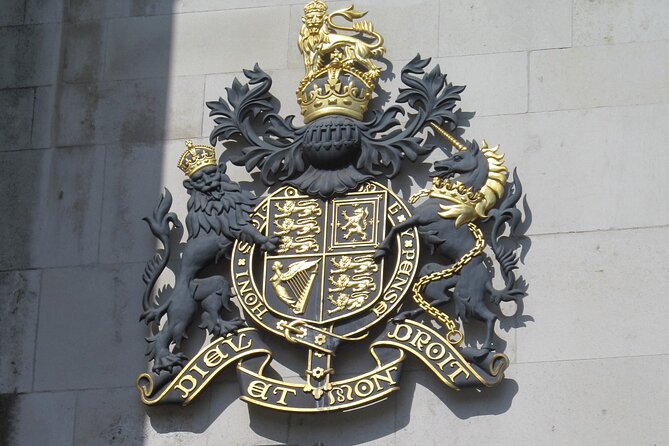
Your tour meets at the front entrance to the Royal Courts of Justice on the Strand. This is a great starting point because it frames the theme immediately: London’s law isn’t just tradition—it’s infrastructure.
Inside, you tour this splendid example of Victorian architecture and learn how London lawyers meet to discuss cases. The key here isn’t the style alone. It’s what the building represents: a physical space built for formal procedure, serious decisions, and public accountability.
A big selling point is the chance to sit in on an actual court case as it’s being heard. You’ll feel the pace and tone that people only understand after they’ve seen it in person. One practical note: courtrooms can be unpredictable, so keep your flexibility. If you’re hoping for courtroom time, this stop is the one to prioritize—because it’s where you’re most likely to see the legal process up close.
Crossing to the Old Bailey: the world’s most famous courtroom street
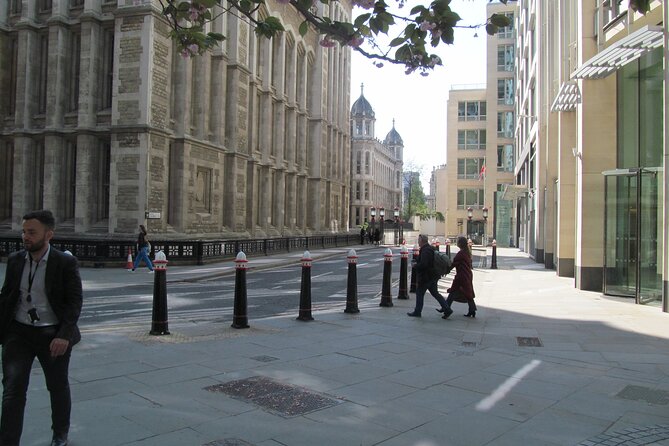
After the Royal Courts, you head toward the Old Bailey, and this is where the tour earns its reputation for atmosphere. The Old Bailey has been at the center of major events and widely known trials, which gives your walk a built-in narrative.
You’ll see where famous cases were heard, including the Lady Chatterley’s Lover obscenity trial. That detail matters because it shows law wasn’t only about crime—it was also about public morality, publishing, and how society draws lines.
If you’re the type who notices details—stone, layout, entrances—this part helps you connect them. Why is something positioned a certain way? Why do people move like they do? The tour helps you read the building instead of just passing it.
One more upside: this isn’t a rushed photo stop. You’re guided through the legal setting at a pace that makes it make sense. And if the weather is awful, you still get value, because the core experience is indoor-and-courtroom based.
The British Law Society pause: a break that teaches, not just rests
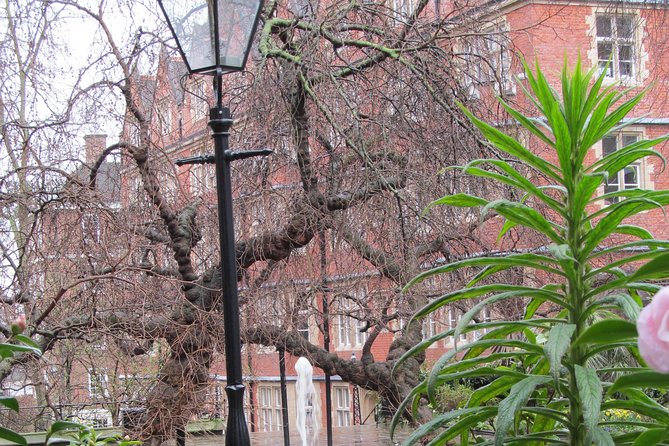
Between major buildings, the tour stops for a tea or coffee break at the British Law Society building. It’s a small part of the itinerary, but it’s useful in real-life terms: you’ll regain energy for the next legs while keeping the legal focus alive.
This pause also helps you reset your brain. The first stops can feel heavy—architecture, court procedures, serious history. A quick break makes the later segments more enjoyable instead of mentally exhausting.
And since it’s a lawyer-led format, you don’t just drink coffee. You can ask questions while the information is still fresh. The guide is set up to answer questions as long as they’re legal, which means you’ll likely leave with a better understanding of the system’s moving pieces.
The Rolls Building: modern law with global reach
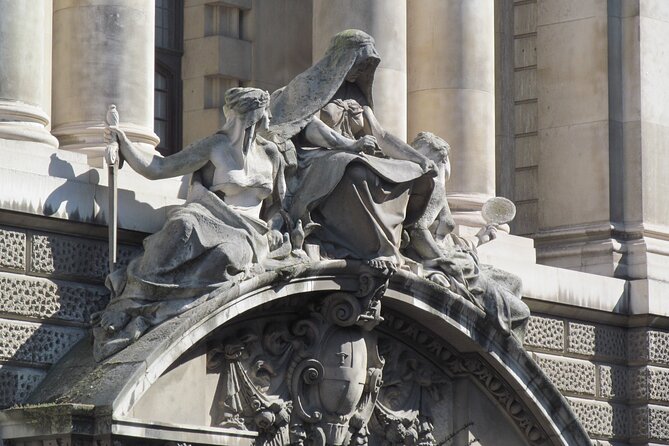
Next comes the Rolls Building, and this is a noticeable shift. The route moves from iconic, traditional courtroom gravitas toward a more modern legal work setting.
This stop is described as increasingly important, and part of the appeal is the real-world scale implied by the types of disputes associated with it—including settlements involving Russian oligarchs and others. You don’t need to be a legal pro to understand the point. London law isn’t just for local disputes; it handles complex matters with international stakes.
For many visitors, the Rolls Building is where the tour’s “law evolved over time” idea becomes concrete. You start seeing the legal system as something that has adapted: newer institutions built to manage modern commerce and modern conflict.
If you’re into architecture, watch the vibe. It tends to feel less like a museum and more like a workplace. That contrast helps you understand how law changes with the needs of society.






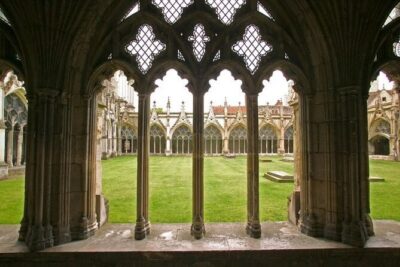
Inns of Court and Tony Blair’s cloisters: law, then politics
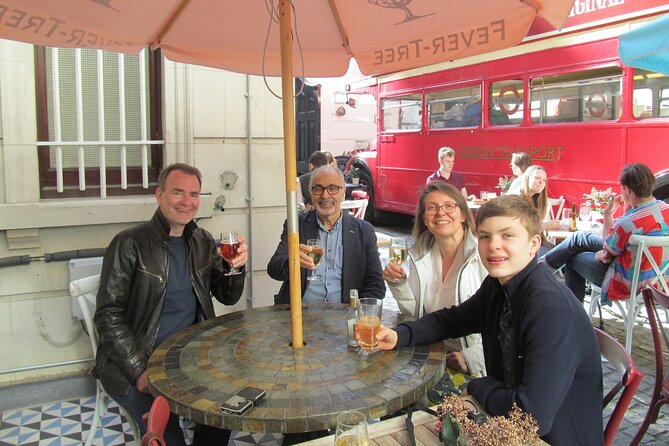
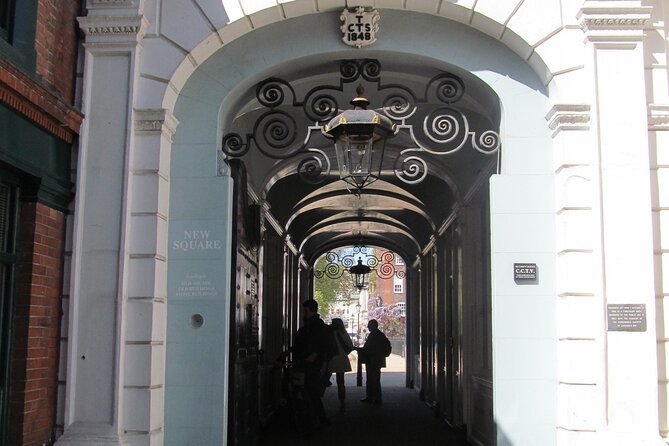
Walking through the Inns of Court is one of the most interesting “hidden in plain sight” parts of the route. These Inns aren’t just scenery—they’re tied to the training and professional culture of barristers.
The tour also makes a specific political connection: you’ll pass the spot where former Prime Minister Tony Blair had his cloisters, prior to entering politics. That matters because it shows how law feeds leadership. The skills, networks, and credibility built in legal circles have long overlapped with government.
This section is where the tour becomes more than an outline of buildings. You start connecting the legal world to the broader story of how power moves in the UK. And if you’re the kind of person who likes “what happened here” details, this is one of your best chances to get them in context.
Temple Gardens and Temple Church: Da Vinci Code, but worth it
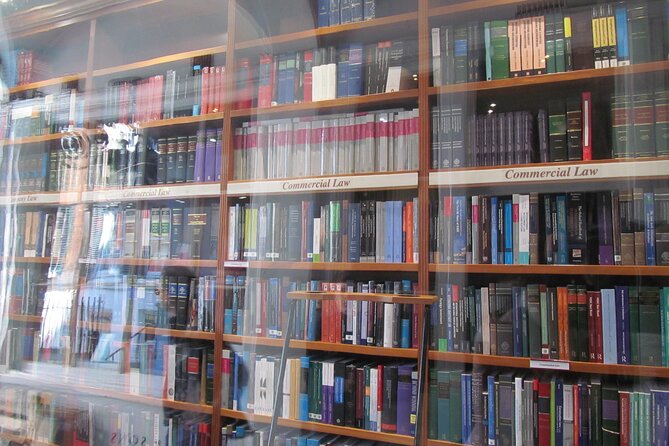
Then you move into Temple Gardens and visit Temple Church. The connection to Da Vinci Code is part of why people find this stop fun. The film association is strong enough that you’ll recognize it if you’ve seen the movie.
But the value isn’t just the pop-culture hook. Temple Church and this area help you feel the deep link between law, institutions, and legacy sites. The tour uses that atmosphere to keep the legal story going, not to turn it into a pure movie location detour.
Also, this is a good point in the tour for families with older kids, especially those who follow along in English. One guide-led success pattern: when you mix strong visuals with clear explanations, teenagers usually do fine here as long as they’re curious.
Old Cheshire Cheese Pub wrap-up: a half pint and a Magna Carta souvenir
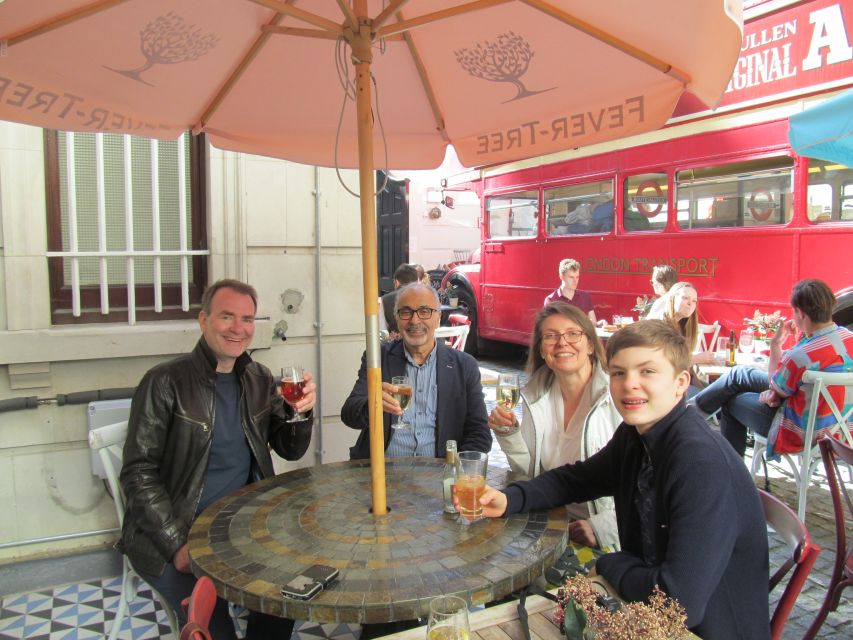
The tour ends at the Old Cheshire Cheese Pub, where you’re served a complimentary half pint of ale on tap. There’s also a soft drink option if you prefer that. After walking through serious spaces, it’s a smart way to land the experience on something human and relaxed.
The pub stop is also where you get a reproduction copy of Magna Carta (1215). This isn’t a random giveaway. It’s a thematic closing that points back to the beginning of the English legal system as many people know it today.
If you like taking something home that helps you remember what you learned, this is a win. You can also use the copy as a conversation starter later, especially if you’re traveling with someone who didn’t want to “sit in a courtroom all afternoon” but still enjoys the story.
Price and value: what you’re really paying for
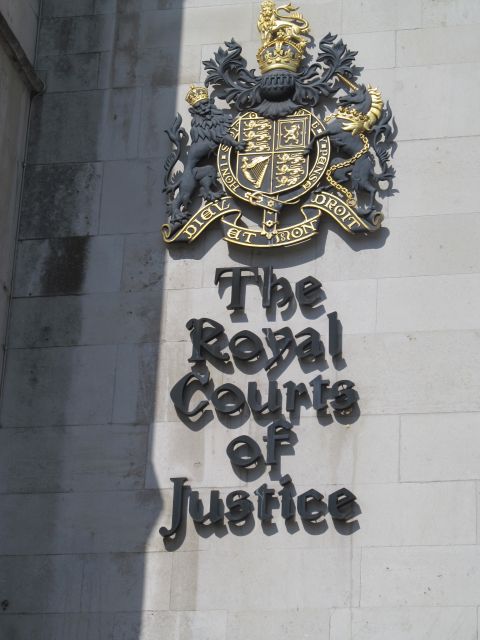
At $364 per person for this 3.5-hour private format, you’re paying for a few things that add up quickly if you booked them separately: lawyer guidance, timed entry and admissions (including to the Royal Courts of Justice), and the extra inclusions like the pub drink and Magna Carta copy.
There’s also pricing info that can make it better for couples. The tour notes £225 pounds per person for a couple (and that adding more people reduces the per-person price). So if you’re traveling as a pair—or even a small group—you’re not just buying a walk; you’re buying value compression.
Here’s how I’d think about it:
- You’re getting admissions included, not just a guide.
- You’re paying for a lawyer-led explanation, which is hard to replicate with a self-guided route.
- You’re getting a structured itinerary through legal hotspots where the context matters.
You do still need to budget for tips, since gratuity isn’t included. That’s typical for private guided tours, but it’s worth keeping in mind so you don’t get surprised.
Who this tour is best for (and who should temper expectations)
This is a strong match for:
- people who love London architecture and want it explained through real-world use
- legal drama fans who want more than plot—especially if you enjoy the British courtroom vibe
- travelers who want a private tour with a guide who can adjust the route to your interests and abilities
- families with teenagers who speak good English, since the explanations are meant to be followed, not translated
It’s also helpful if you’re a professional visitor. If you’re coming from outside the UK legal system, you may notice differences in courtroom dress and tradition. For example, you could find the wig-and-gown look striking if your home system doesn’t use wigs for superior courts. That contrast often makes the visit more memorable, not less.
One caution: while the guide is set up to answer questions, this is still a short walking + courtroom experience. If your goal is to get answers to deep, highly specific legal questions, plan to treat this as educational guidance—not a substitute for legal research.
Practical tips so your afternoon goes smoothly
This is a moderate fitness walking tour. Plan for a few stretches of walking plus time spent standing or moving through active areas. Comfortable shoes matter more than fashion.
The schedule is Monday to Friday only, running 1:30 p.m. to 5 p.m. So if your trip includes weekends in London, you’ll need to build the rest of your sightseeing around weekdays for this one.
Also, you’ll meet at the front entrance to the Royal Courts of Justice on the Strand. Arrive a few minutes early so you don’t feel rushed finding the correct entrance and settling before the tour begins.
Finally, if you want the tour to be truly useful, bring questions that connect to what you’re seeing: how a courtroom works, what “roles” are involved, why these buildings look the way they do, or what legal changes mean in everyday terms.
Should you book the Law in London Private Tour?
Book it if you want a London experience that feels more like a guided understanding than a checklist. The combination of Royal Courts of Justice, Old Bailey, Inns of Court, Temple Church, and the Rolls Building gives you a strong, coherent map of how law lives in the city.
Skip it or consider another option if you only want general sightseeing with zero interest in how courts operate, or if your expectation is that a 3.5-hour walk will satisfy a long list of highly technical legal questions. This tour is best when you show up curious and ready to learn in real time.
If that sounds like you, this is the kind of afternoon you’ll remember—not because it was loud or flashy, but because it gives you a clearer mental model of law, buildings, and the people who use them.
FAQ
How long is the London law private tour?
It runs for 3.5 hours.
Where do we meet?
You meet at the front entrance to the Royal Courts of Justice on the Strand.
What days and time does the tour run?
It runs Monday to Friday, from 1:30 p.m. to 5 p.m.
Is admission to the Royal Courts of Justice included?
Yes. Admissions to venues including the Royal Courts of Justice are included.
What do I get at the end of the tour?
You receive a complimentary half pint of ale on tap (or a soft drink option) at the Old Cheshire Cheese Pub, plus a reproduction copy of Magna Carta (1215).
Is this tour private?
Yes. It’s a private group, described as you with your guide.
Do children get discounts?
Children 5 and under are free.