REVIEW · LONDON
City of London Historical Walking Tour
Book on GetYourGuide →Operated by Dragon Lore Tours · Bookable on GetYourGuide
London has a secret constitution. This small-group walk through the Square Mile turns street corners into a clear timeline, from Celtic roots to Romans, Saxons, Vikings, and Normans.
I especially like how the guide links the City’s big legal ideas to specific places you can actually stand in, from Magna Carta connections to the rise of a corporate power that changed the world. One drawback to plan for: there’s no food on this tour, and you’ll be moving and listening for 2.5 hours.
You’ll end on the themes of resilience—plague, fire, and revolution—with the City’s dragon identity as the visual payoff at the finish near the Bank of England.
In This Review
- Key highlights worth your time
- A constitution in brick and street corners
- From Celtic roots to Roman, Saxon, and Norman London
- Why the City defied the monarchy (and helped shape democracy)
- Magna Carta, corporate power, and how rules get written
- Salters’ Hall: when civic identity and trade meet
- Guildhall and the Royal Exchange: civic rules you can point to
- Mansion House as a marker of continuity
- The dragon emblem after plague, fire, and revolution
- Ending at the Bank of England: the long afterlife of civic power
- Value at $30: what you get in 2.5 hours
- Who this City of London walk is best for
- Should you book this tour of the City of London?
- FAQ
- Where is the meeting point?
- How long is the City of London Historical Walking Tour?
- How much does it cost?
- Is the tour guided in English?
- How big is the group?
- Is the tour wheelchair accessible?
- Is food included?
- FAQ
- What’s the cancellation policy?
- Is there an option to reserve without paying right away?
Key highlights worth your time
- A Square Mile origin story that explains why the City acted like its own power center, separate from Westminster
- A politics-and-law thread that connects royal defiance to democracy and legal foundations
- Magna Carta framed through civic institutions, not just as a distant medieval date
- Salters’ Hall, Guildhall, Royal Exchange, and Mansion House as proof that commerce and governance grew together
- The dragon emblem moment, including how it ties to London’s survival story
A constitution in brick and street corners
The City of London can feel like a different world inside the larger London map. This tour makes that difference make sense fast by showing you how the City evolved as a distinct place—one that earned the reputation of being the envy of kings.
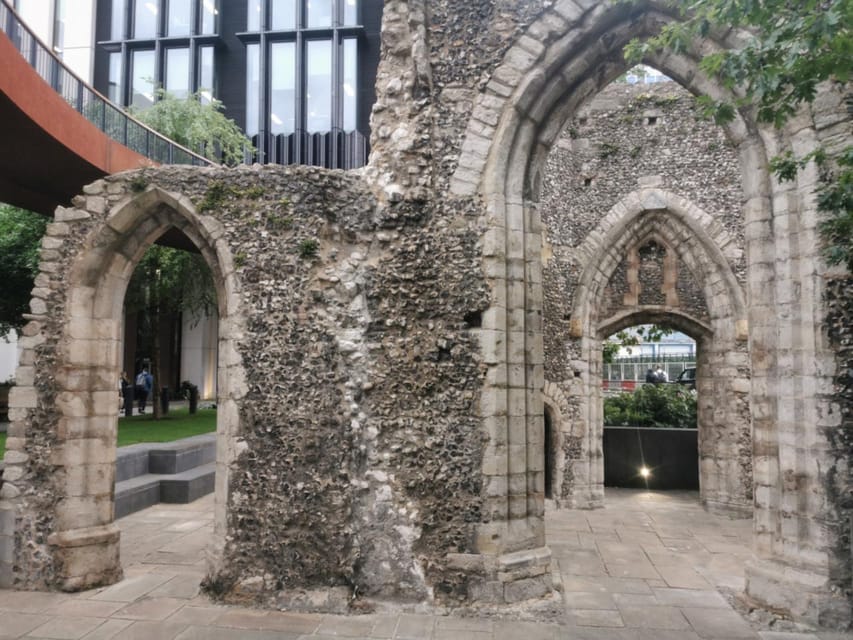
You start at Barbie Green, by a restaurant and opposite ruins, which sets the tone: you’re not touring museums. You’re walking the boundaries of power and picking up the logic of a place that kept defending its rights when other parts of England played by royal rules.
The best part is the perspective. Instead of treating history like a parade of kings, you watch how civic identity formed—through people, trade, institutions, and stubborn local authority.
You can also read our reviews of more walking tours in London



From Celtic roots to Roman, Saxon, and Norman London
The story begins before the famous medieval era, with the City’s early roots and the cultures that shaped it. You’ll trace an origin line from Celtic beginnings through Roman influence, then on to Saxon and later Norman impacts.
The guide uses legends and the movement of different peoples to keep the timeline readable. That matters because the City’s past is layered—if you only glance at one era, you miss why later decisions felt so inevitable.
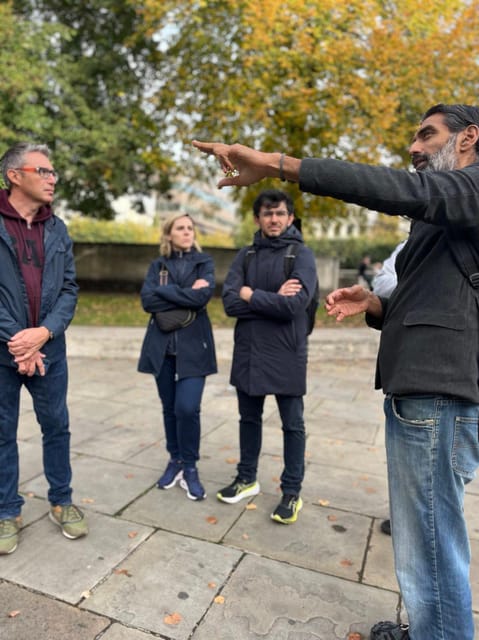
On the walk, you get short, timed explanation beats that give you a rhythm: hear the context, look at what’s around you, then move on. It’s an effective way to keep a 2.5-hour history tour from turning into one long lecture.
Also, the small group size helps. With a limit of 8 participants, questions stay possible, not just polite.
Why the City defied the monarchy (and helped shape democracy)

A big theme on this walk is the City’s role in pushing back against Monarchy. You’ll hear how the Square Mile became known for resisting royal authority and, in the process, shaping legal foundations tied to democracy.
That’s not just ideology talk. The tour frames democracy and legal development as something built by local institutions—agreements, privileges, and rules that were defended when times got rough.
This is where the tour really earns its relevance for modern visitors. You’ll come away with a clearer sense of how rights don’t appear out of thin air. They’re argued for, recorded, enforced, and repeated—especially by organized civic bodies.
Magna Carta, corporate power, and how rules get written

The tour spotlights the City’s connection to the Magna Carta—specifically the way the story is linked to the City as a birthplace of the idea and the pressure behind it. Whether you already know the famous name or not, you’ll get a practical sense of how the legal groundwork was tied to real power struggles.
Then comes a twist that’s easy to miss if you only think of the Middle Ages as castles and swords: the tour also emphasizes how a corporation was born in the City and how that corporate model fed an empire.
You don’t need a finance background to follow the logic. The guide ties it to civic organization—how groups with shared interests negotiate, enforce standards, and coordinate influence. In other words, the City’s story isn’t just about laws. It’s about people building systems that last.
Salters’ Hall: when civic identity and trade meet
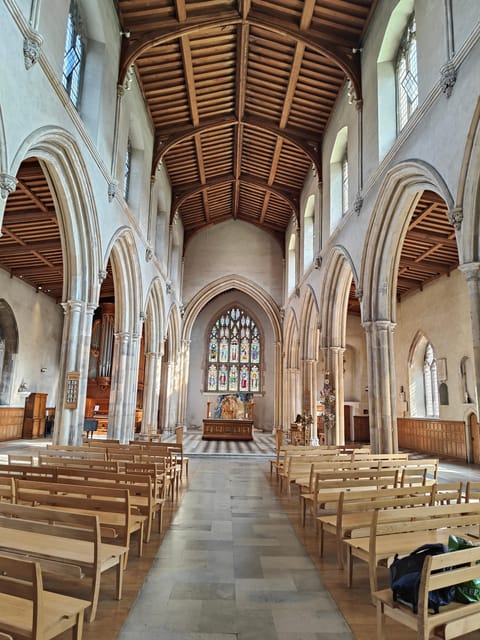
Salters’ Hall is one of the clearest stops for this theme. Here, the focus turns to institutions—organized groups tied to trade and governance.
This stop matters because it shows how the City’s independence wasn’t only political theater. It had structure. You’ll hear how civic power grew through bodies that could act collectively, protect rights, and maintain order when the rest of the world was changing fast.
One practical plus: this is a good place to pause and reset your mental timeline. After earlier centuries, the City becomes more tangible as a place where administration and commerce overlap. That’s the kind of history you can carry into the rest of the walk.
You can also read our reviews of more city tours in London






Guildhall and the Royal Exchange: civic rules you can point to
From Salters’ Hall, you move into the heart of the City’s governing energy with Guildhall. This stop reinforces the tour’s core idea: the City was never passive. It was organized, protective, and ready to defend its privileges.
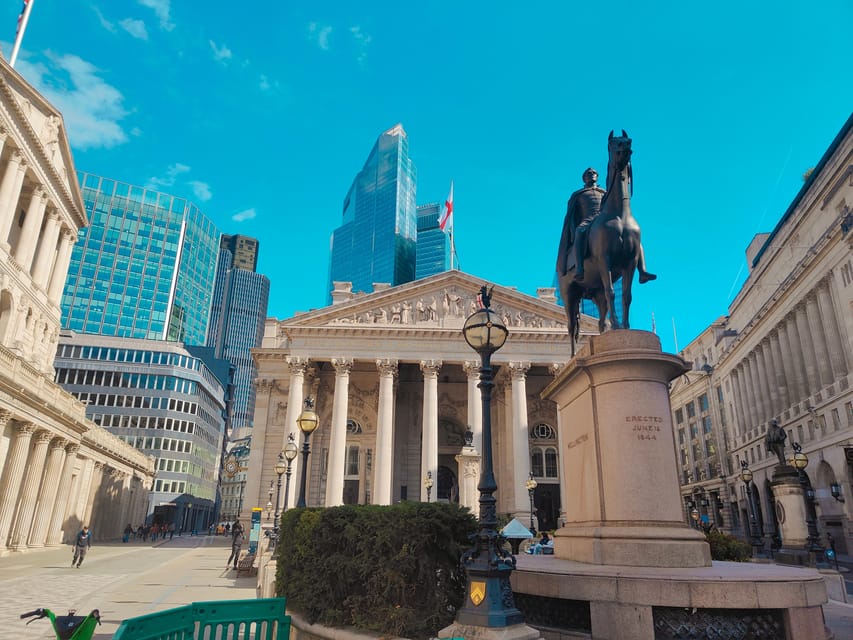
Next you head to the Royal Exchange, where the story tilts further toward commerce. The tour treats trade as part of the City’s identity, not just background noise. You’ll hear how the Square Mile’s economic life fed its ability to negotiate, fund, and maintain its position.
If you like history that explains how systems work, these two stops are the pay-off. You’ll start noticing why certain civic places mattered: they weren’t just grand buildings. They were the engines behind authority and the habits behind long-term control.
Mansion House as a marker of continuity
The walk continues to Mansion House, another key civic address that fits the tour’s theme of long continuity. By the time you get here, the City’s character should feel less like legend and more like a steady pattern: institutions protect their role, rights get defended, and the identity survives the worst of eras.
The tour doesn’t treat the City as stuck in time. Instead, it frames continuity as a strategy. Even when external forces hit—epidemics, disasters, political shocks—the City adapts without losing the core idea that local rights matter.
This stop also helps you connect the earlier “defy the monarchy” theme to the later “resilience” theme. It’s one story, not separate chapters.
The dragon emblem after plague, fire, and revolution
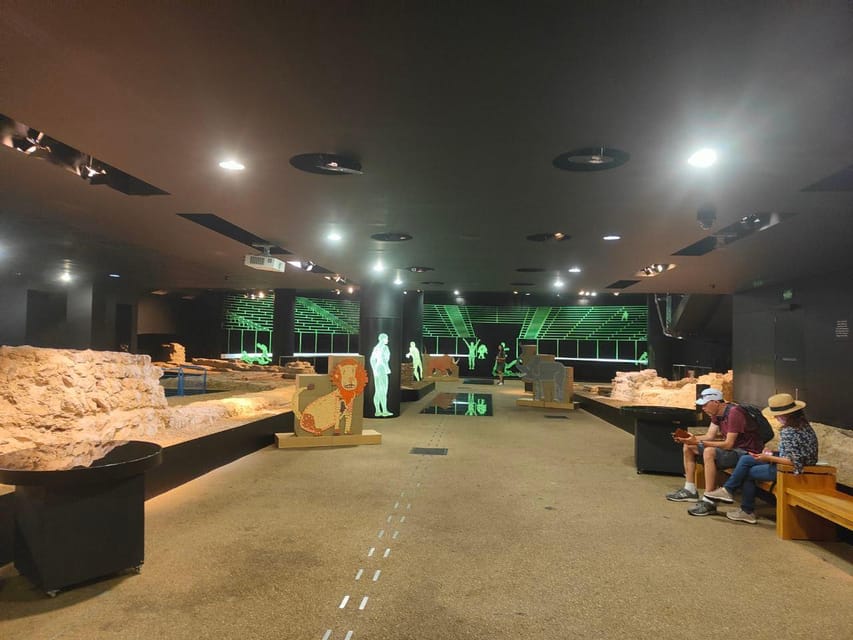
The tour culminates with the City’s survival story, tied to the City adopting its enduring dragon emblem. You’ll hear about the turbulence of the late 17th century, including plague, fire, and revolution, and how the City responded with stubborn recovery.
That dragon moment is more than a logo. It’s presented as a symbol the City kept for generations—an identity marker that says survival isn’t luck, it’s collective effort and civic will.
I also like the personal touch built into the experience. You’ll recognize your guide by longish hair and beard, plus a felt image of a green dragon on their backpack. It’s a small detail, but it anchors the whole story in something you can see and remember while you walk.
Ending at the Bank of England: the long afterlife of civic power

Your finish is at the Bank of England, which makes a smart final step. The tour has spent 2.5 hours building a case that institutions, privileges, and organized power are the real plot.
So ending at a major financial center feels like a logical last page. Even if you don’t care about banking, the symbolism lands: the City’s habit of building and defending systems has an ongoing life.
And because the tour ends near the modern center of English finance, it closes the loop between medieval legal foundations and later economic strength. You don’t just leave with names and dates. You leave with a sense of how power evolves while still carrying its original logic.
Value at $30: what you get in 2.5 hours
At about $30 per person for a 2.5-hour guided walk, you’re paying for interpretation, not just sightseeing. The value is in the way the guide connects places to themes—independence from monarchy, the City’s legal influence, and the story of civic institutions.
You also get practical extras:
- a post-tour PDF that lays out the locations and themes so you can keep the thread after you stop walking
- a live guide in English, with multilingual options if you request your language in advance
- a small group limited to 8, which helps the tour feel like a conversation rather than a one-way broadcast
- wheelchair accessibility, which is rare enough to matter
One more “budget reality” note: there’s no food served. If you’re doing this mid-day, plan a snack and a refill of water before you start, and don’t assume you’ll grab something immediately after.
Who this City of London walk is best for
This tour fits best if you want London history with an argument behind it. If you like hearing why the City became a place kings worried about, you’ll enjoy the focus.
It also suits you if you’ve been to London before and you’re tired of only the obvious landmarks. This is City-focused, square-mile focused, and built around the idea that the less flashy corners explain a lot.
You don’t need a law degree either. The tour is structured around stories you can follow—especially if you like maps in your head and short stops where the guide points out how one era leads to the next.
Should you book this tour of the City of London?
Yes, if your travel style is the kind that likes history you can walk through. This one gives you a coherent story of the City’s independence, legal influence, and resilience, capped by the dragon emblem and a finish that makes the theme feel real.
I’d skip it only if you want a fast hit of famous London landmarks with minimal explanations. This tour is about meaning, not checklists.
If you book, do two things: wear comfortable shoes, and arrive ready to listen. The guide, Arjun, is especially good at making the mix of contemporary setting and older events feel connected—so the Square Mile doesn’t shrink into a set of dates.
FAQ
Where is the meeting point?
You meet at Barbie Green restaurant opposite the ruins.
How long is the City of London Historical Walking Tour?
It lasts 2.5 hours.
How much does it cost?
The price is $30 per person.
Is the tour guided in English?
Yes. The live guide runs in English. Multilingual options are available if you tell the provider your language in advance.
How big is the group?
It’s a small group, limited to 8 participants.
Is the tour wheelchair accessible?
Yes. The activity is listed as wheelchair accessible.
Is food included?
No. No food is served on this tour.
FAQ
What’s the cancellation policy?
You can cancel up to 24 hours in advance for a full refund.
Is there an option to reserve without paying right away?
Yes. You can reserve now & pay later, keeping plans flexible.