REVIEW · LONDON
London: British Museum Guided Tour with Free Entrance Ticket
Book on GetYourGuide →Operated by London Tours and Activities · Bookable on GetYourGuide
The British Museum can feel like a maze. This guided run-through makes it manageable, with a fast-track start and a clear path to some of the museum’s most talked-about objects. I especially like how the guide connects big names—like the Rosetta Stone and Ramses II—with the human stories around them, so you don’t just look, you understand.
You’ll also appreciate the broad sweep the tour covers, from ancient Egypt to Assyria, Greece, and even objects tied to the Aztecs and Easter Island. One drawback to plan for: this is a 2-hour, on-your-feet experience with meeting and routing that can shift, and it’s not set up for wheelchair users or people with mobility impairments.
In This Review
- Key highlights at a glance
- Getting In Quickly at the British Museum’s Main Entrance
- How a 2-Hour Tour Tells the Museum’s Story
- Rosetta Stone: Why This One Object Matters
- Ramses II: The Impact of Scale and Power
- The Elgin Marbles: Seeing Art While Knowing the Controversy
- Assyrian Human-Headed Winged Lions: Reading Myth Into Form
- An Aztec Double-Headed Mosaic Snake (And Why It Feels Rare)
- Moai Sculpture From Easter Island: A Different Kind of Famous
- Sutton Hoo Burial Ship: Britain’s Breakthrough Discovery
- Mold Cape From Stonehenge and Lewis Chessmen
- Real-World Tour Flow: Comfort, Timing, and Group Movement
- Who This Tour Fits Best (And Who Might Want Something Else)
- Price and Value: What $35 Buys You in London
- Booking Advice: How to Make This Tour Feel Worth It
- Should you book this British Museum guided tour?
- FAQ
- How long is the British Museum guided tour?
- Where do I meet the guide?
- Does this tour include fast-track entry?
- What objects and areas will the tour cover?
- What should I bring and what is not allowed?
- Is the tour suitable for wheelchair users or mobility impairments?
Key highlights at a glance
- Fast-track entry to help you skip the worst of the queue
- Two hours that focus on the museum’s most famous objects, not random wandering
- Rosetta Stone + Ramses II as anchor stops with clear context
- Elgin Marbles presented alongside the controversy you’ll want to know about
- Surprise world scope, including Assyrian lions, an Aztec double-headed mosaic snake, and Lewis chessmen
Getting In Quickly at the British Museum’s Main Entrance
The biggest practical win here is the fast-track entry. The British Museum is the most visited museum in the world, and on busy days the line can eat your time and patience. With the included fast entry, you’re aiming to walk into the museum and start the tour without losing your morning to crowd control.
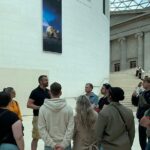
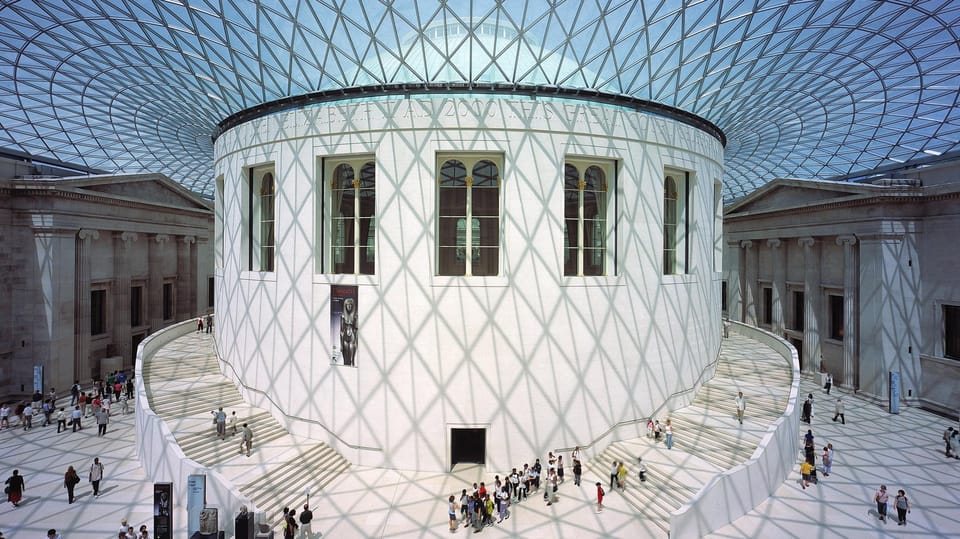
Meet your guide at the main entrance after security, on the staircase. You’ll want to arrive at least 15 minutes early, because that buffer is what keeps your group from getting shuffled when access gets tight. Also, be ready for a small curveball: the meeting entrance can change to Montague Place at busy times. I’d treat your WhatsApp messages as part of your itinerary—actually check them—so you show up at the right door if the plan gets adjusted.
One more heads-up that matters for comfort and timing: the tour is built around walking routes and indoor viewing, and the museum itself has lots of stairs. The provider states it’s not suitable for wheelchair users or people with mobility impairments. If that applies to you, you’ll likely spend more energy navigating than enjoying the objects.
You can also read our reviews of more tours and experiences in London


How a 2-Hour Tour Tells the Museum’s Story
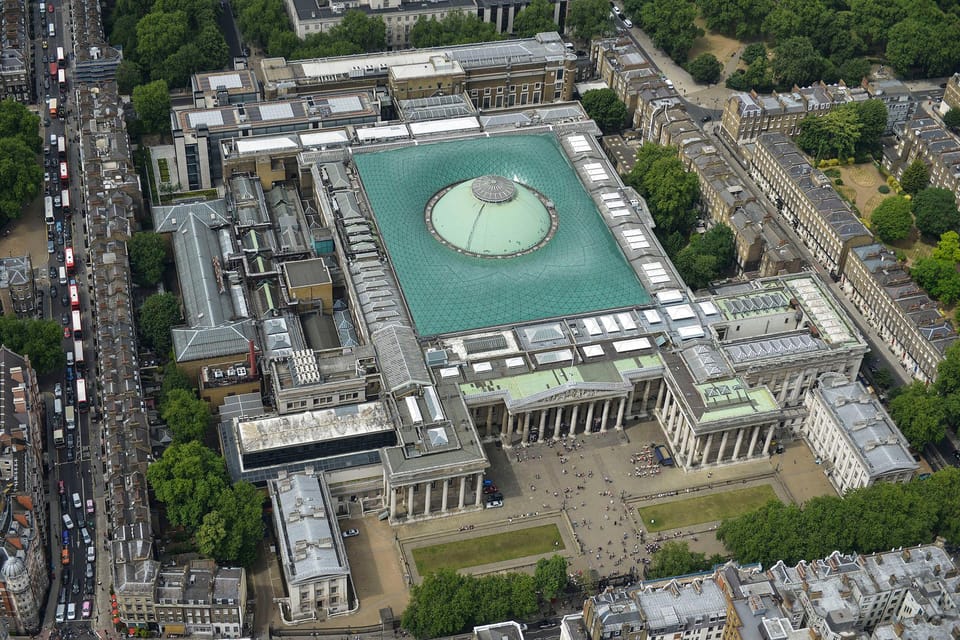
This isn’t a whole-day British Museum crash course. It’s a focused, guided sprint. That can sound limiting, but it’s also why it works: you get a tight set of stops that represent major worlds and major debates, without asking you to figure out the building layout on your own.
The guide’s job is to make each stop feel connected rather than separate. You’ll see objects and learn what they mean, how they’re tied to the cultures that made them, and why they’ve remained famous. The time constraint means you should expect shorter viewing moments at each site—enough to absorb the “why,” not enough to linger for an hour with every detail.
You’ll get the tour in English, Spanish, or Italian, and there’s private group availability if you want a less rushed pace or a smaller group dynamic.
Rosetta Stone: Why This One Object Matters
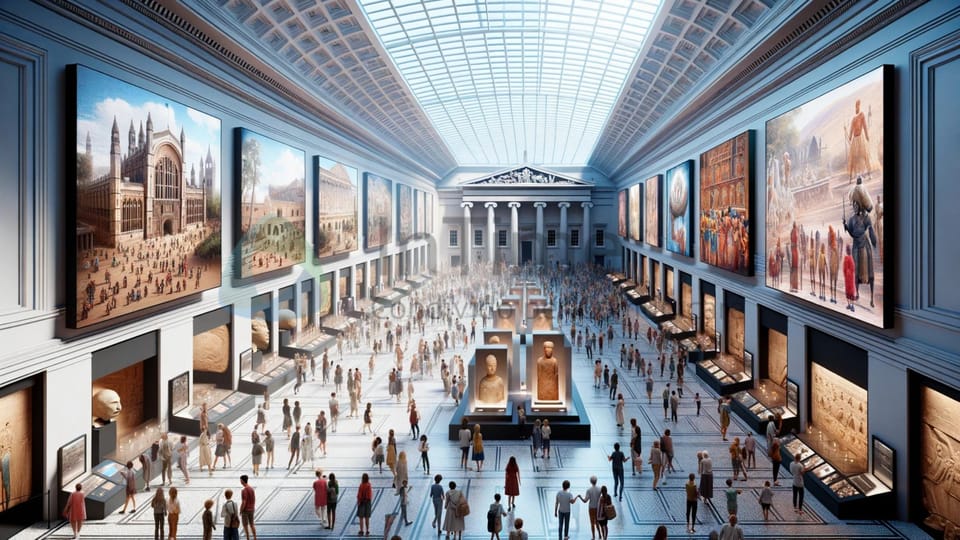
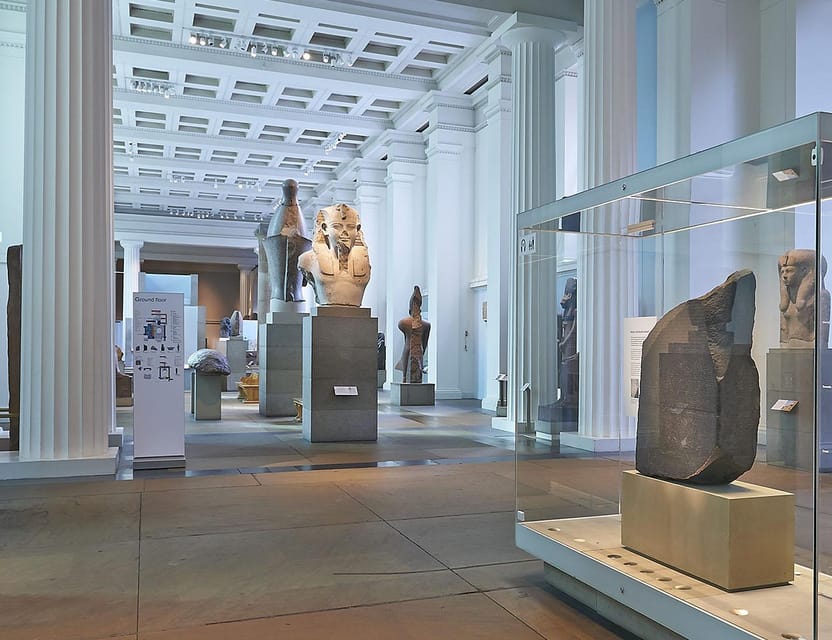
The tour’s centerpiece for many people is the Rosetta Stone. You’re not just seeing a famous artifact; you’re learning why it became the key to unlocking secrets of ancient Egypt. The guide frames it in a way that makes the leap from “a carved slab” to “a turning point in understanding language” feel logical.
What I like about this stop is that it sets your brain up for the rest of the tour. Once you grasp how one object can change what scholars can read and interpret, the other museum pieces start to feel less like random trophies and more like evidence.
If you care about writing systems, translations, and what happens when interpretation becomes possible, this is the moment you’ll want your full attention. It’s also a good reminder to pace yourself—security rules allow cameras, but flash photography isn’t allowed, so you’ll rely on regular lighting conditions and a quick eye.
Ramses II: The Impact of Scale and Power
Next up is the colossal statue of Ramses II, described as the most powerful pharaoh. Even without the guide, that’s the kind of object that hits you immediately because of its size and presence. The guide adds the “why”: how power was communicated through monumental art, and what kind of message these forms were meant to send.
This stop is valuable because it shows you how ancient leaders used imagery as propaganda long before modern media existed. If you like when art and politics mix, you’ll get a lot out of this one.
Practical note: you’ll likely have a bit less space to move around than you’d like, since it’s a top-photo target. Comfortable shoes help here, since you’ll be shifting position and moving with the group.
The Elgin Marbles: Seeing Art While Knowing the Controversy
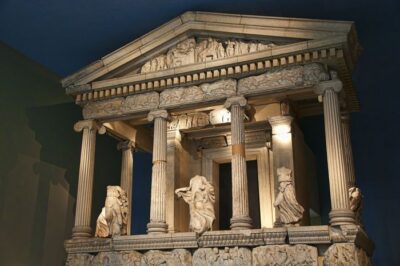
The tour includes a glimpse of the Parthenon sculptures known as the Elgin Marbles from Athens. You don’t just watch the guide point and move on—you get the context that makes these works complicated.
This matters because it changes how you look. Without that framing, you can end up treating famous museum objects like they’re “settled history.” With the framing, you’ll be thinking about how and why objects move, and how culture and ownership disputes shape what you’re looking at today.
This is one of the better uses of a guided tour at a major museum: when the objects carry debates, a guide helps you understand what the debate is, so you can make your own mind up while you’re standing in front of the sculpture.
You can also read our reviews of more guided tours in London






Assyrian Human-Headed Winged Lions: Reading Myth Into Form
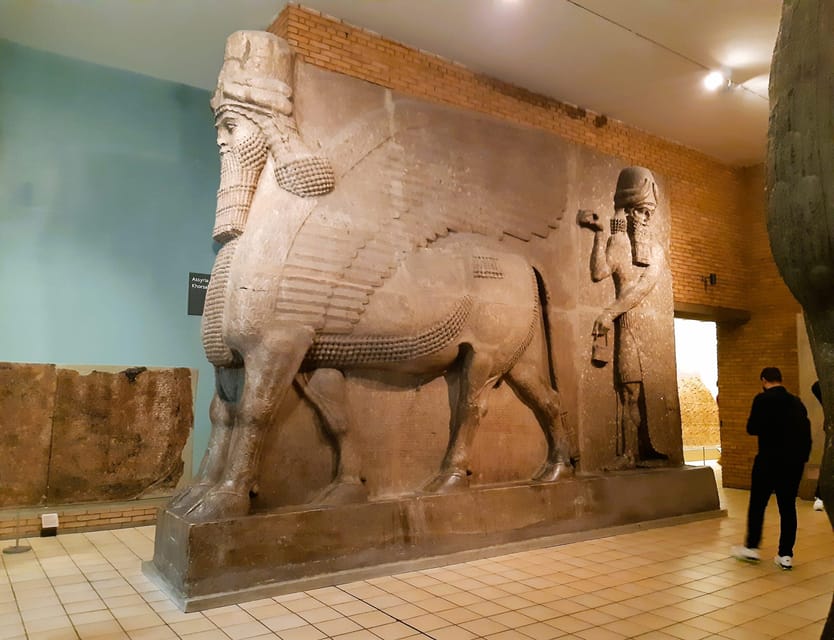
From Greece, you shift to Assyria and see the human-headed winged lions. These are exactly the kind of object that benefits from a guide. Their design is striking, but the guide helps you interpret what you’re seeing and why this hybrid form—human head plus animal wings—was so meaningful.
I like this stop because it broadens your sense of what ancient art was “for.” It isn’t only beauty or only decoration. It’s also power, protection, symbolism, and identity, built into an animal-like figure that’s meant to command attention.
An Aztec Double-Headed Mosaic Snake (And Why It Feels Rare)
Another standout is the Aztec double-headed mosaic snake, described as one of the most rare objects in the museum. You’ll probably see it with a different reaction than you do the big statues. Smaller and more specific, it rewards focus.
The guide’s role here is to help you notice what makes it unusual—both the double-headed concept and the mosaic approach. This is the kind of object that can vanish in a self-guided hurry because it doesn’t have the same “default fame” as the Rosetta Stone or the Ramses statue. With a guide-led route, you get it on your list.
Moai Sculpture From Easter Island: A Different Kind of Famous
The tour also includes the Moai sculpture from Easter Island. This is a strong reminder that the museum’s famous-object map isn’t limited to one region or era. The guide’s framing helps you connect Moai sculpture traditions to the broader idea of how communities create lasting presence in stone.
Even if you don’t know the story beforehand, you can still appreciate the forms. The Moai stop works well as a mental reset: after a sequence of writing, monumental power, and mythic guardians, this is a different tone—quiet, monumental, and rooted in a specific island culture.
Sutton Hoo Burial Ship: Britain’s Breakthrough Discovery
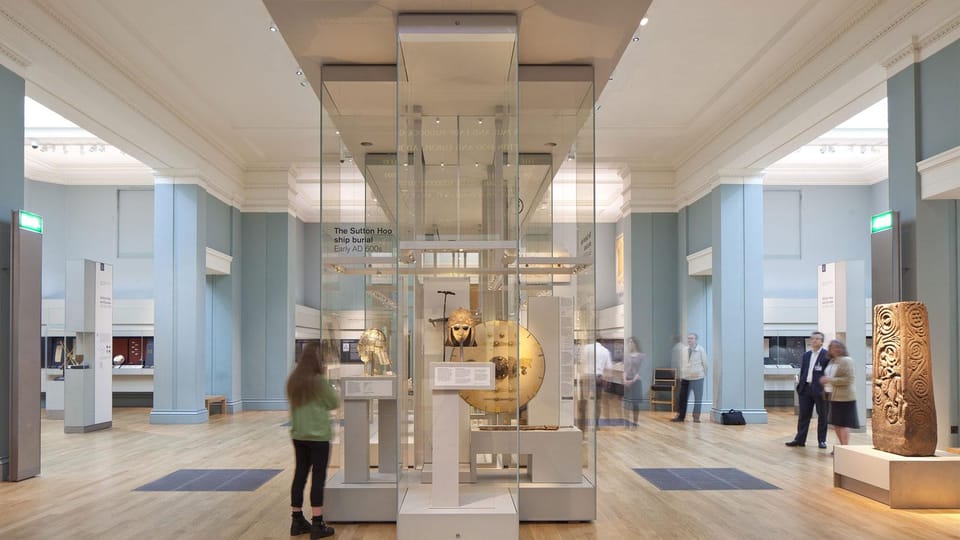
One of the more exciting stops for anyone interested in Britain itself is the Sutton Hoo burial ship discovery. The guide presents it as one of the most spectacular discoveries in British archeology, and it’s also tied to Roman Britain.
This stop is useful because it anchors the museum’s collection back to the UK. If your plan is to visit London and you’re tired of feeling like you’re only seeing other people’s artifacts, this brings the story closer to home.
You’ll also get a sense of how archaeological discoveries can change what we think we know. It’s not just art—it’s evidence.
Mold Cape From Stonehenge and Lewis Chessmen
The tour includes the Mold Cape from Stonehenge, plus medieval chessmen from the island of Lewis.
These stops matter for two reasons. First, they widen the timeline so you’re not only thinking about ancient empires. Second, they show how personal objects and everyday culture can be “museum-worthy” when they’re exceptional examples of their time.
The Mold Cape connection to Stonehenge makes the object feel part of something bigger than itself. And the Lewis chessmen are the kind of item people either love immediately or never forget once they see them—because chess is easy to understand, and the medieval twist makes it memorable.
Real-World Tour Flow: Comfort, Timing, and Group Movement
This experience is designed for a smooth pace rather than slow museum drifting. You’ll move from stop to stop based on where the guide can lead you efficiently through the building.
A practical detail you should take seriously: bag policy. Flash photography isn’t allowed, and backpacks aren’t. Bring a camera if you want photos, wear comfortable shoes, and carry water. If you’re traveling with a backpack, plan to travel lighter for this tour.
You should also expect meeting-point changes during heavy crowds. One guide-led group experience noted that meeting on the front steps after security might not be possible for larger groups, requiring access from the back of the museum. That’s exactly why you should arrive early and check your WhatsApp messages for updates.
Who This Tour Fits Best (And Who Might Want Something Else)
I think this tour is a great match if you:
- want a time-friendly British Museum overview without wasting energy figuring out the building
- like famous objects, but also want the “why” behind them
- enjoy a cross-cultural route that moves across Egypt, Assyria, Greece, and more
- value an expert guide’s stories to help you connect different galleries quickly
It’s not a great fit if you:
- need wheelchair-friendly access (the provider says it’s not suitable)
- hate fast pacing or prefer unstructured, long linger time at each object
- rely on flash photography for photos (it’s not permitted)
If you like to read everything in sight, you’ll probably want a second self-guided visit. This tour gives you a smart first pass, not a full museum immersion.
Price and Value: What $35 Buys You in London
At $35 per person for a 2-hour guided tour, the main value isn’t the objects themselves—you can see many of them on your own later. The value is the combination of fast-track entry plus an expert guide who organizes your visit into a coherent route.
In a high-volume museum like this, time is currency. Skipping the line (when offered) protects your schedule and helps you keep momentum. And because the tour is focused on specific must-sees—the Rosetta Stone, Ramses II, Elgin Marbles, Assyrian winged lions, the Aztec mosaic snake, Moai, Sutton Hoo, Mold Cape, and Lewis chessmen—you’re more likely to leave feeling like you actually hit the highlights rather than just surviving the building.
So, if your goal is a “best-of” visit with context and minimal stress, the price looks reasonable. If your goal is to wander slowly and spend hours per gallery, you might feel boxed in by the time limit.
Booking Advice: How to Make This Tour Feel Worth It
Before you book, do two things:
1) Plan to arrive early and keep your phone ready for WhatsApp entrance updates.
2) Wear shoes you can walk in for a couple of hours with group pacing.
Also, treat the “no flash” and “no backpacks” rules as part of your preparation. A small planning mistake can slow you down at security, which is the opposite of what you want when the tour is timed.
One last practical tip: if you’re the type who likes to photograph, think about how you’ll steady your shot without flash. Regular museum lighting can be dim, so camera settings and posture matter.
Should you book this British Museum guided tour?
If you’re visiting the British Museum for the first time and you want a focused, high-impact introduction, I’d book it. The fast-track entry and guided selection of iconic objects make it a strong use of a couple of hours. You’ll leave with stories you can remember, and you’ll understand why the museum’s most famous pieces carry both wonder and debate.
Skip it only if you need mobility-friendly access or you’d rather spend the day unstructured. In that case, you’ll probably enjoy a self-guided visit more than a set-route tour.
FAQ
How long is the British Museum guided tour?
The tour lasts 2 hours.
Where do I meet the guide?
Meet the guide at the main entrance after the security check, on the staircase. You should arrive at least 15 minutes early.
Does this tour include fast-track entry?
Yes. The tour includes fast track entry and access to the museum’s most famous objects.
What objects and areas will the tour cover?
The tour includes stops that include the Rosetta Stone, the colossal statue of Ramses II, the Elgin Marbles, Assyrian human-headed winged lions, an Aztec double-headed mosaic snake, the Moai sculpture from Easter Island, the Sutton Hoo burial ship, the Mold Cape from Stonehenge, and medieval Chessmen from the island of Lewis.
What should I bring and what is not allowed?
Bring comfortable shoes, a camera, and water. Flash photography isn’t allowed, and backpacks aren’t allowed.
Is the tour suitable for wheelchair users or mobility impairments?
No. The tour is not suitable for people with mobility impairments or wheelchair users.