REVIEW · LONDON
London: British Museum Highlights: Private Tour
Book on GetYourGuide →Operated by MyLondonGuide · Bookable on GetYourGuide
A museum with 8 million artifacts is a lot to face. This private, 2-hour British Museum highlights tour turns the noise into a clear story, from deciphering ancient languages to the ideas of beauty that still shape modern taste. I especially like how it’s built around recognizable anchor objects—Rosetta Stone and the Parthenon Marbles—so you leave with real handles, not just random rooms. One thing to think about: the pace includes a moderate amount of walking, and it’s not suitable for wheelchair users.
You’ll also get a true guide-led experience (not a self-guided shuffle). Your group stays small—up to 4 guests—so you can ask questions and actually connect the themes across ancient Greece, Egypt, Mesopotamia, India, and beyond.
The one likely drawback is practical: the museum rules are strict. Large bags and backpacks aren’t allowed inside, flash photography isn’t permitted, and you can’t touch exhibits—so plan light and be ready to follow the guidance.
In This Review
- Key highlights worth planning around
- Why a private British Museum tour works in 2 hours
- Meeting at Edward VII’s Entrance and getting in through express security
- Rosetta Stone: the moment language becomes readable
- Parthenon Marbles: how Greek beauty shaped later art standards
- Egyptian mummies: the dance of life and death
- Tragic love and fate: how ancestors told emotion through art
- Medieval comic-style Jesus stories: unexpected context that feels real
- What the guide does best: turning facts into a story you can remember
- Museum rules you should know before you go
- Price and value: is $74.08 per person worth it?
- Who should book this British Museum highlights tour
- FAQ
- How long is the private British Museum highlights tour?
- Is the tour private, and how many people can be in my group?
- Where do we meet, and where does the tour end?
- Does the tour include fast-track or express entry?
- Can I take photos inside the museum?
- Are food and drinks included?
- Is the tour wheelchair accessible?
- Should you book this tour?
Key highlights worth planning around
- Fast-track entry helps you get moving quickly once you arrive at the museum
- Rosetta Stone is used to explain how hieroglyphs were cracked
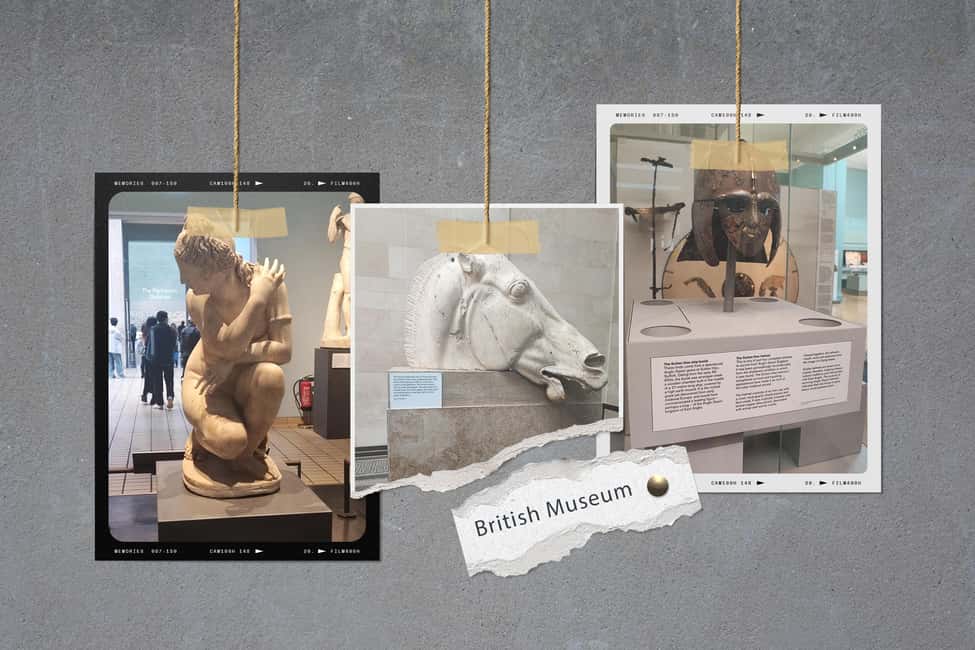
- Parthenon Marbles connect ancient Greek beauty to later ideas of art
- Egyptian mummies point to life, death, and what Egyptians valued
- Tragic love and fate show how older societies told emotional stories in art
- Medieval comic-style stories of Jesus Christ add a surprising, human angle
Why a private British Museum tour works in 2 hours
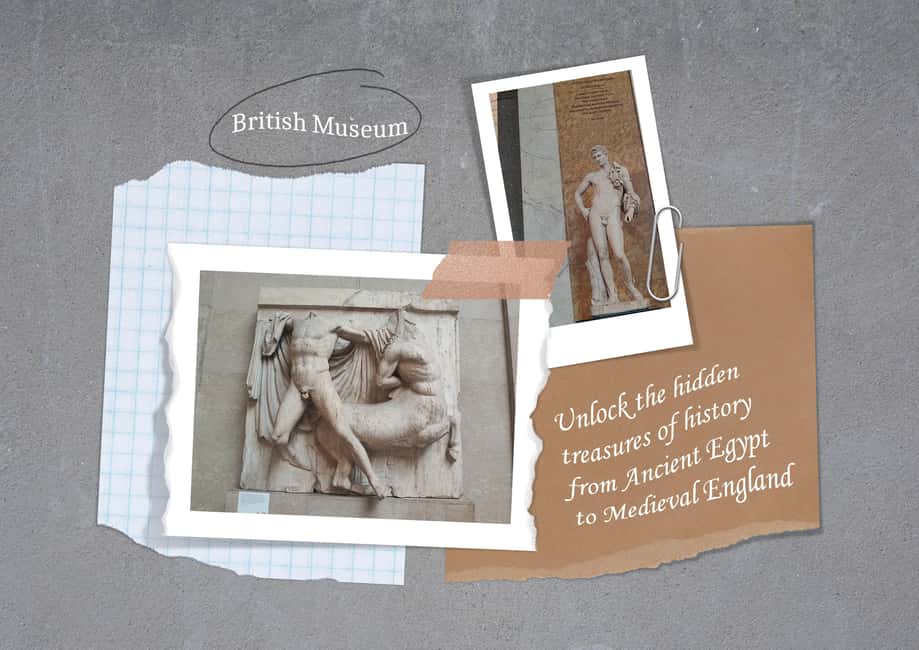
The British Museum can overwhelm fast. Even if you love museums, wandering without structure turns into a blur of labels, ceilings, and guesswork. This tour’s big strength is that it’s built for your limited time: a private 2-hour run focused on major highlights and the themes that link them.
Because it’s private, it’s also flexible in the way a group tour often isn’t. Up to 4 guests means the guide can set a pace that fits your group, answer questions without rushing you, and adjust on the fly if you want more time at one object. If you’re the type who reads every sign, that’s still workable here—just know the tour is curated to fit the time window.
And for first-timers, the value is clarity. You’ll see some of the museum’s most famous pieces, but the guide also threads them together around ideas like beauty standards, language, medicine, beliefs about life and rebirth, and how stories about love and tragedy were portrayed in art.
You can also read our reviews of more private tours in London



Meeting at Edward VII’s Entrance and getting in through express security
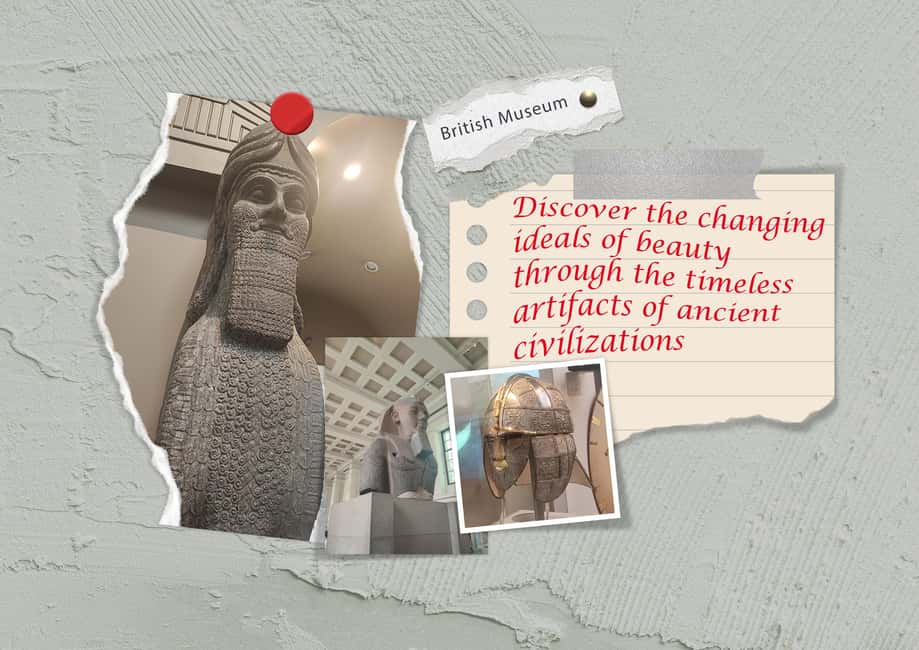
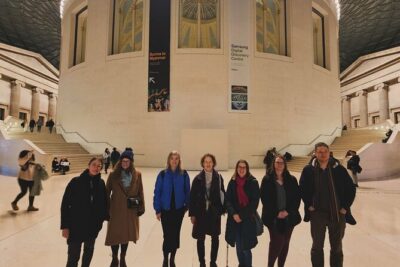
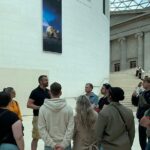
You meet at the Group Entrance to the British Museum (Edward VII’s Entrance). Your guide will be holding a sign that reads My London Guide. That detail matters because the museum has multiple entrances and a lot of foot traffic—finding the group quickly is half the battle.
The other win is speed. The tour includes fast track entry, including an express security check. In a place this popular, saving time at the door isn’t just convenient. It also means you start the experience earlier and spend more of your 2 hours where it counts: in the galleries.
The tour ends right back at the meeting point, so you don’t have to figure out your exit logistics while you’re thinking about what you just saw.
Rosetta Stone: the moment language becomes readable
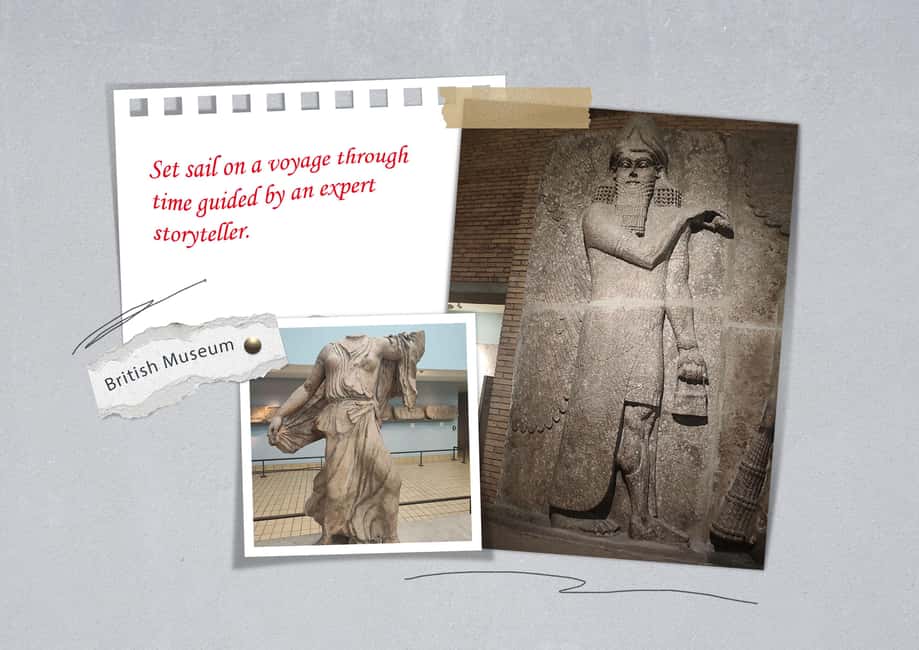
If you come to the British Museum expecting a list of highlights, start with the Rosetta Stone. It’s not only famous—it’s also a gateway object. The tour uses it to explain how hieroglyphs were deciphered, which changes the way you look at Egyptian artifacts afterward.
Here’s what I’d expect you to take away from this stop: decipherment turns objects into messages. Without that key, many ancient records feel like locked symbols. With it, you begin to see human communication—names, details, administration, and beliefs—rather than just shapes carved in stone.
Also, the tour frames the idea of lost languages as a story you can follow. You’re not just learning a fact; you’re getting the thread that connects writing systems to power, knowledge, and record-keeping. That makes the rest of the Egyptian galleries easier to read, even after the tour ends.
One practical note: you’ll likely want to look at the Rosetta Stone closely, but don’t plan on lingering for long at any one object. The tour is timed, and the guide’s job is to keep the flow moving across the museum.
Parthenon Marbles: how Greek beauty shaped later art standards
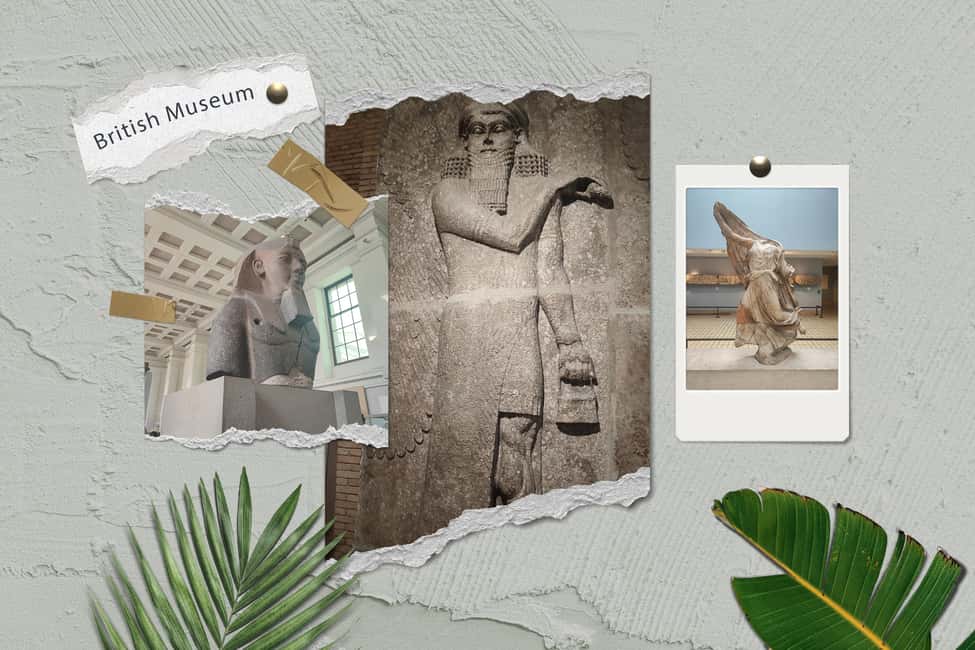
The Parthenon Marbles stop is about more than admiration. The tour uses them to track how ideas of beauty evolved over millennia, and how ancient Greek art influenced later Western standards of form.
This is where a guide really matters. The marbles are visually striking, but people often miss the deeper reason they matter: they became a reference point for what later societies considered ideal—proportions, drama in sculpture, and the sense that art should express both reason and feeling.
I like that the tour doesn’t keep this in the realm of abstract art talk. It connects to broader themes you’ll recognize in modern culture: performance and theatre traditions, and the way Greek thought fed ideas about society and self-expression. When the guide ties philosophy and art together, the marbles start to feel like a living influence, not just a famous artifact behind glass.
Potential drawback: if you’re the type who wants deep time at one piece, you might feel slightly rushed here. The tour has a clear plan to cover several anchors, so think of this stop as the start of a relationship—not the final word.
Egyptian mummies: the dance of life and death
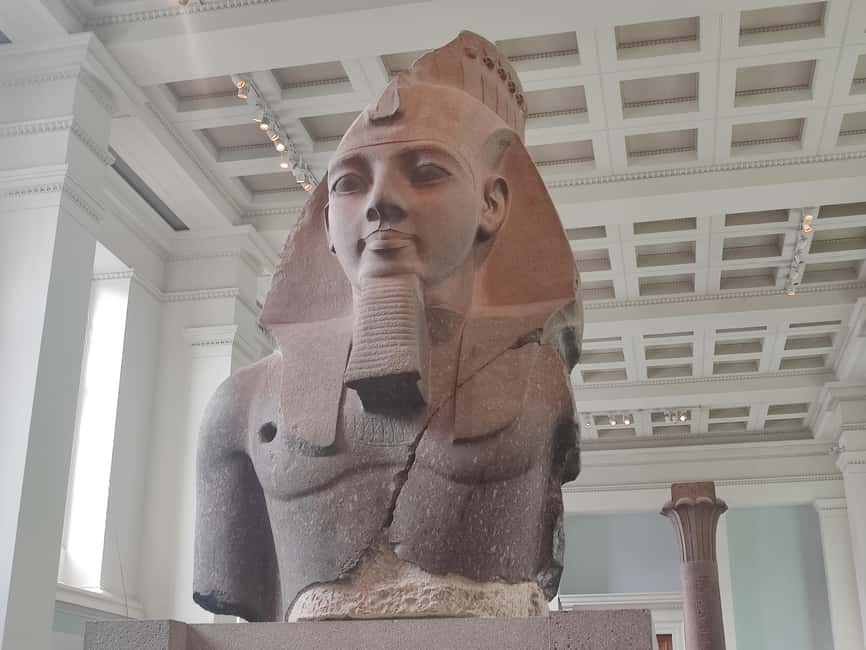
Few museum topics feel as dramatic as Egyptian mummies, and this tour leans into that drama with a clear theme: the way Egyptians presented life, death, and what mattered enough to preserve.
The tour’s framing includes a broader Egypt story, including the idea of advances in medicine. That context helps you understand why mummification and burial practices weren’t random rituals—they reflect what Egyptians believed about the body, care, and continuity beyond death.
Then the guide adds the emotional layer: you’re not just looking at bodies. You’re watching how a culture communicated beliefs through art, preparation, and symbolism. This is the kind of perspective shift that makes even a short museum experience stick.
What to consider: Egyptian exhibits can bring a range of reactions. If you prefer a lighter tone, you’ll still find it respectful here, but the subject matter is inherently intense. If you’re sensitive, it can help to mentally prepare before you enter the mummy-related areas.
You can also read our reviews of more museum experiences in London




Tragic love and fate: how ancestors told emotion through art
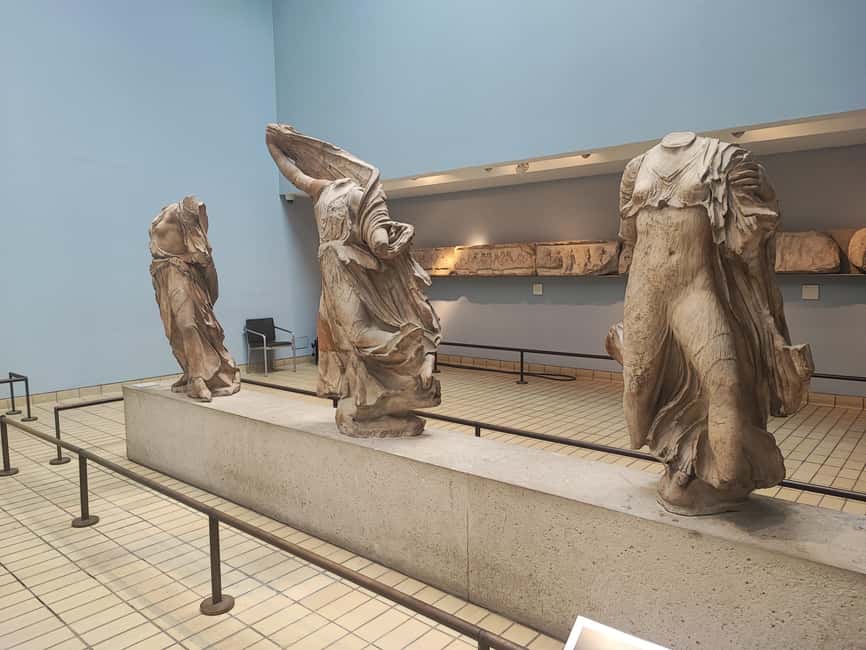
One of the more distinctive highlights is the stop focused on love and fate in ancestors’ art. That theme might sound less “museum-famous” than Rosetta Stone or marbles, but it’s exactly the reason this tour feels memorable.
Emotional stories are one of the few things that reliably bridge 2000+ years. The tour’s approach helps you ask better questions while you look:
- What emotion is being shown?
- How is fate expressed visually?
- What did audiences understand and feel about these stories?
When the guide explains the meaning behind the art, your attention stops being purely visual and becomes interpretive. You start noticing gestures, composition choices, and the way tragedy is structured. And that changes how you interpret other objects in the museum because you’re now reading “story,” not just “design.”
If you’re coming with teens or someone who says they don’t like history, this is often the segment that makes the whole experience feel human.
Medieval comic-style Jesus stories: unexpected context that feels real
Yes, the tour includes something that most highlight itineraries skip: medieval comic books about Jesus Christ. The promise here is a fresh angle—what’s presented beyond the standard accounts, and what additional stories existed in older visual culture.
The key value isn’t shock value. It’s how accessible the approach can feel. When you see religious storytelling rendered in panel-like formats, you understand that art wasn’t only for scholars. It was for teaching, for conversation, and for sharing narratives people could follow.
This stop also broadens your mental picture of how cultures keep stories alive. Instead of treating history as a sequence of dates, you see it as repeated retellings—people changing emphasis, adding details, and shaping meaning for their own time.
If you’re very strict about wanting only “canonical” museum works, you may still enjoy this because it’s presented as part of a larger storytelling theme: how societies framed big ideas, including faith, with the tools they had.
What the guide does best: turning facts into a story you can remember
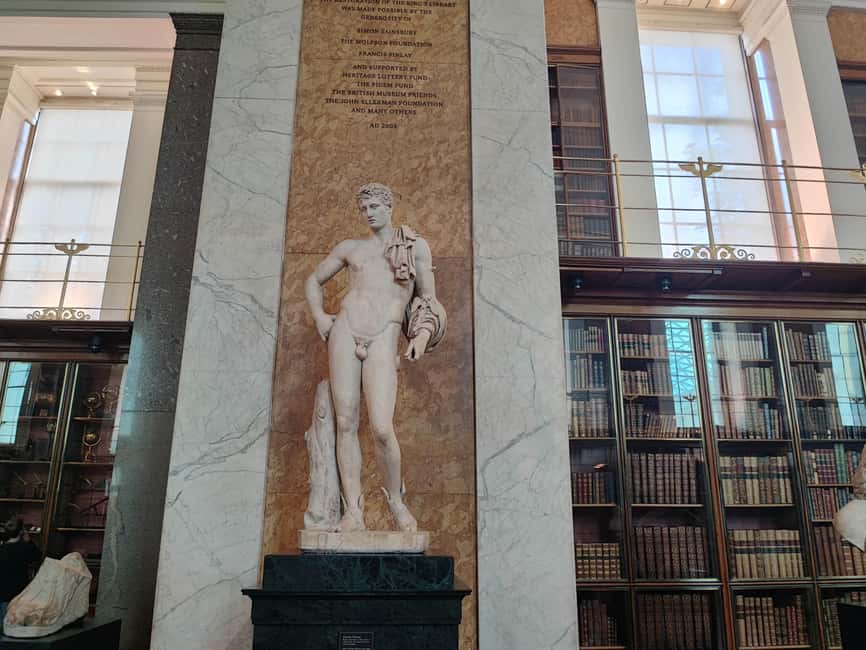
The experience is guided by a live storyteller in English, and the quality stands out in the praise for the guide—especially Richard, who’s repeatedly described as both very informative and very enthusiastic. That matters because enthusiasm changes how fast you connect the dots.
Here’s the practical part: in a museum like the British Museum, most people struggle with sequence. You see an object, then you forget why it matters once you walk to the next room. A good guide prevents that by giving each stop a job. Here, each highlight supports a larger theme:
- languages and decipherment
- beauty and art standards
- beliefs about life and death
- tragic love and fate
- story traditions about Jesus across time
That structure is what makes the tour useful after the fact. When you return home, you’re not trying to remember what shelf something was on. You remember the storyline.
Museum rules you should know before you go
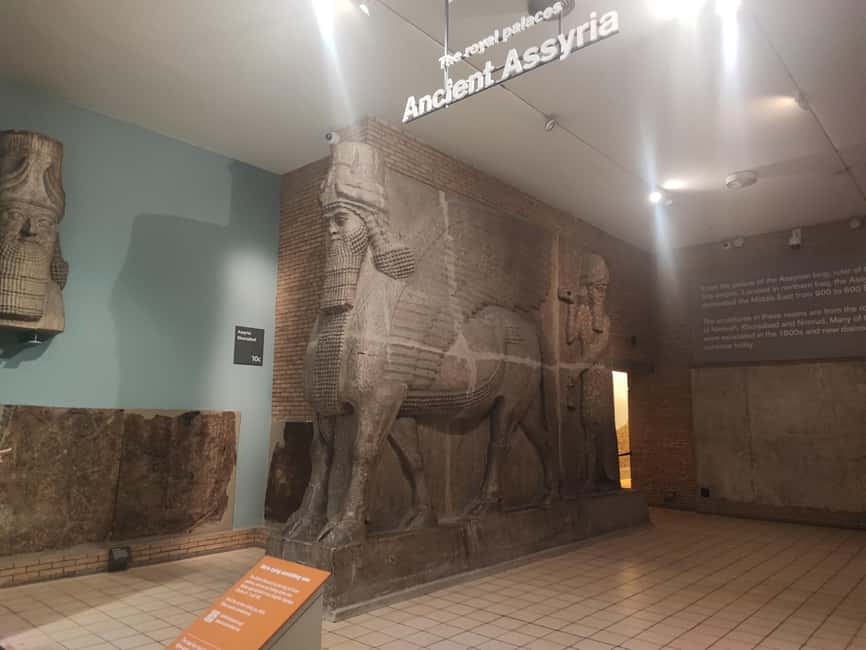
To keep your visit smooth, follow the museum’s basic restrictions that the tour also references:
You can generally expect:
- No touching the exhibits
- Flash photography is not allowed
- Large bags and backpacks are not allowed inside the museum
You should also plan around these clear “not allowed” items:
- weapons or sharp objects
- pets (assistance dogs allowed)
- selfie sticks
- alcohol and drugs
- explosive substances
Food rules matter too. Food and drinks are not permitted inside the exhibition halls, so if you’re going to snack during the day, do it outside the galleries.
This is all normal museum etiquette, but it affects your prep. If you tend to travel with a bulky daypack, make adjustments before you arrive.
Price and value: is $74.08 per person worth it?
At $74.08 per person for a 2-hour private highlights tour, the price isn’t cheap in a global sense. But value isn’t only about how low the number is—it’s about what you get for your limited time.
Here’s what’s included that makes this more than a simple ticket:
- Fast track entry plus express security
- A live English guide (a professional storyteller)
- A private group limited to up to 4 guests
- A curated focus on major objects and themes, rather than random wandering
If you’re traveling solo or as a couple, you’ll still pay a premium compared with standard entry-only museum visits. But you’re buying time, direction, and interpretation. In a museum this size, those are real costs you avoid.
If you’re traveling as a small group of up to four, the value can feel much better because the private guide cost is shared, and you avoid the distraction of trying to manage group pacing across multiple strangers.
The tour also fits a very common first-day scenario: you’re in London with a packed schedule and you want something meaningful without turning the day into a marathon.
Who should book this British Museum highlights tour
This private format is a strong match for:
- first-time visitors who want the main hits with context
- couples or small families (group size up to 4) who want a calmer pace
- art and history lovers who like story-driven explanations
- anyone who thinks they won’t “get it” without a guide
It may not be the best fit if:
- you need wheelchair accessibility (it’s not suitable for wheelchair users)
- you want a slow, unstructured museum day
- you’re bringing a large backpack or heavy gear you don’t want to manage (large bags aren’t allowed inside)
The moderate walking also matters. If your knees and feet need a lot of breaks, plan accordingly and consider building rest time into the rest of your day.
FAQ
How long is the private British Museum highlights tour?
It lasts about 2 hours.
Is the tour private, and how many people can be in my group?
Yes. It’s reserved exclusively for your group of up to 4 guests.
Where do we meet, and where does the tour end?
You start at the Group Entrance to the British Museum (Edward VII’s Entrance) and the guide will be holding a sign that says My London Guide. The tour ends back at the meeting point.
Does the tour include fast-track or express entry?
Yes. It includes fast track entry and an express security check.
Can I take photos inside the museum?
Photography is allowed, but flash photography is not permitted.
Are food and drinks included?
No. Food and drinks are not included, and food and drinks are not permitted inside the exhibition halls.
Is the tour wheelchair accessible?
No. It’s not suitable for wheelchair users.
Should you book this tour?
If you want a fast, guided hit list that still feels meaningful, I’d book it. The strongest reason is the format: a private group, fast-track entry, and a guide who turns big museum chaos into a set of connected themes built around major anchors like Rosetta Stone, Parthenon Marbles, Egyptian mummies, and story-based stops such as medieval Jesus comics.
Skip it only if mobility limits you, you’re set on a self-paced day, or you’re traveling with large bags you don’t want to handle. Otherwise, this is a solid way to get real value out of your time at the British Museum.