REVIEW · LONDON
London: British Museum Tour with Archaeologist Guide
Book on GetYourGuide →Operated by Spirit of Discovery Tours · Bookable on GetYourGuide
The British Museum gets overwhelming fast. This archaeologist-guided route turns the maze into a clear timeline, with big-hitter stops like the Rosetta Stone and the Parthenon Marbles explained in plain language. The main thing to consider is the pace: you’ll move from gallery to gallery without lingering, so late arrivals can miss the flow.
I like that the tour is built for real understanding, not just photo stops. You start at Russell Square Station, meet your guide holding a tablet marked Spirit of Discovery, and you head in promptly with a separate entrance to keep the visit moving. If you hate crowds or you’re the type who reads every label, you may find the time a bit tight.
In This Review
- Key highlights you’ll actually feel on the tour
- Starting At Russell Square: Getting In Before the Museum Crush
- Why an Archaeologist Changes the British Museum Experience
- The Rosetta Stone and Egyptian Power: Where the Story Starts
- From Assyria to Greece: Parthenon Marbles in Context
- Vikings, Chessmen, and Unexpected Finds
- The Sutton Hoo Hoard and King Raedwald: Dark Ages, Clear Meaning
- How Much Is $58 Really Worth?
- What You’ll Still Want to Do After the Tour
- Who This Tour Fits Best
- Should You Book This Archaeologist-Led British Museum Tour?
- FAQ
- Where is the tour meeting point?
- How long is the British Museum tour?
- Is museum entry included?
- What’s included in the tour price?
- What should I bring?
- Is food and drink included?
- Will I need to worry about skip-the-line access?
- Is the tour wheelchair accessible?
Key highlights you’ll actually feel on the tour
- Archaeologist-led storytelling that connects objects to people, choices, and discoveries
- Skip-the-line entry using a separate entrance so you spend more time inside the galleries
- A fast but logical sweep across ancient Egypt, Greece, Assyria, the Vikings, and more
- Signature objects explained like the Rosetta Stone, Pharaoh Ramses II, and the Parthenon Marbles
- Dark Ages turning point with the Sutton Hoo hoard and the mystery of King Raedwald
- Guides built for engagement, with an emphasis on keeping groups together and answering questions
Starting At Russell Square: Getting In Before the Museum Crush
Your morning starts at Russell Square, where you meet the guide at the station entrance. The guide will hold a tablet displaying Spirit of Discovery, which makes it easy to spot the right group even in a busy transit area.
The tour has a firm rhythm. You’ll leave promptly at 9:45am so you can make your entry slot. That matters because the British Museum is huge, and guided tours work like a relay race: if you stumble at the start, you feel it later.
One of the smartest parts of this experience is the skip-the-line through a separate entrance. It’s not just convenience. It changes the whole mood of the visit. Instead of spending your energy fighting the first bottleneck, you get to begin with focus, right where your tour story starts. You do still need to be ready to walk. So bring comfortable shoes and water, and plan for a couple of hours of steady movement.
You can also read our reviews of more guided tours in London



Why an Archaeologist Changes the British Museum Experience
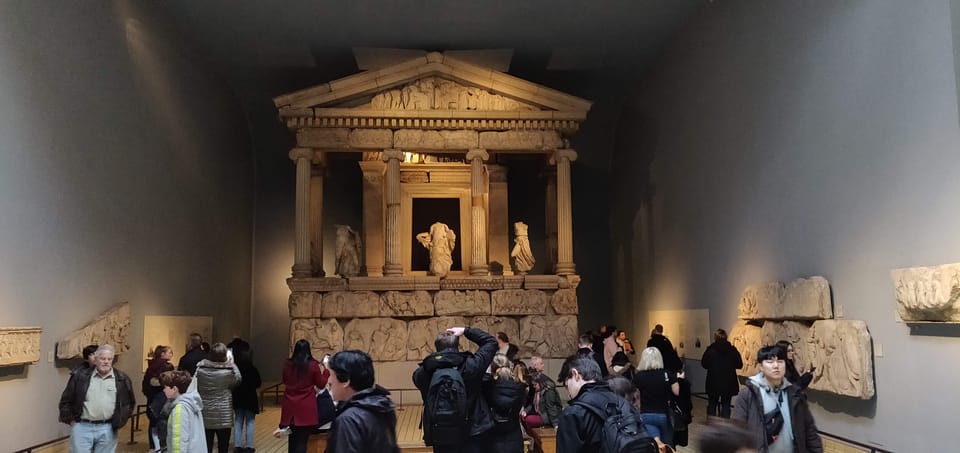
The British Museum is packed with artifacts, but most visitors lose the thread between “what it is” and “why it matters.” This is where an archaeologist guide earns their keep.
I love that the guide doesn’t treat the collection like a scrapbook. You get explanations tied to how discoveries happened, who made the objects, and what scholars think those objects meant in their original world. That turns museum browsing into something more like a guided conversation with the past.
In the best moments, the guide’s background shows up as structure. You’ll hear stories that move across eras instead of feeling stuck in one display room. The tour also seems designed around pacing that fits a limited window: about 2.5 hours, not half a day. Reviews often call out that the guide focuses on a set of major exhibits, but still adds depth through context, history, and the personalities involved in how items were found or brought to the museum.
There’s a small drawback to be aware of: because the museum can be noisy and crowded, you’ll want to stay close to your guide to catch the full explanation. Some people also prefer long, quiet time in galleries. This tour prioritizes momentum and understanding over lingering.
The Rosetta Stone and Egyptian Power: Where the Story Starts
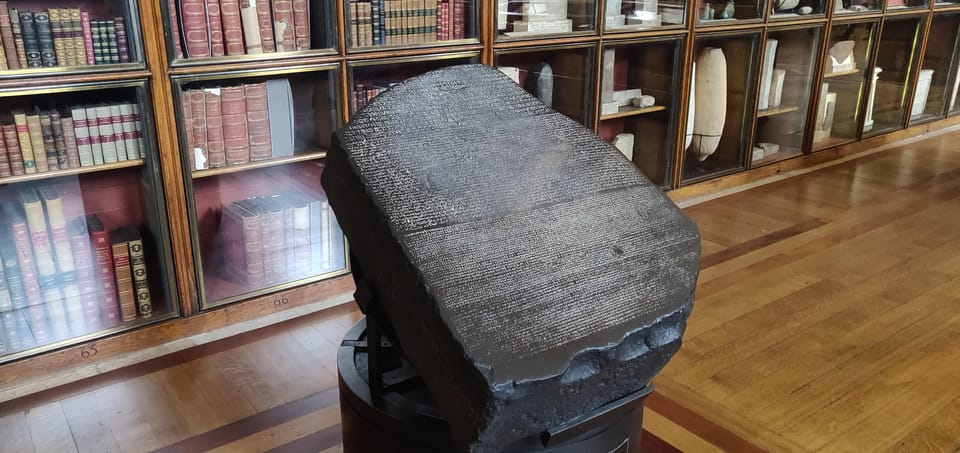
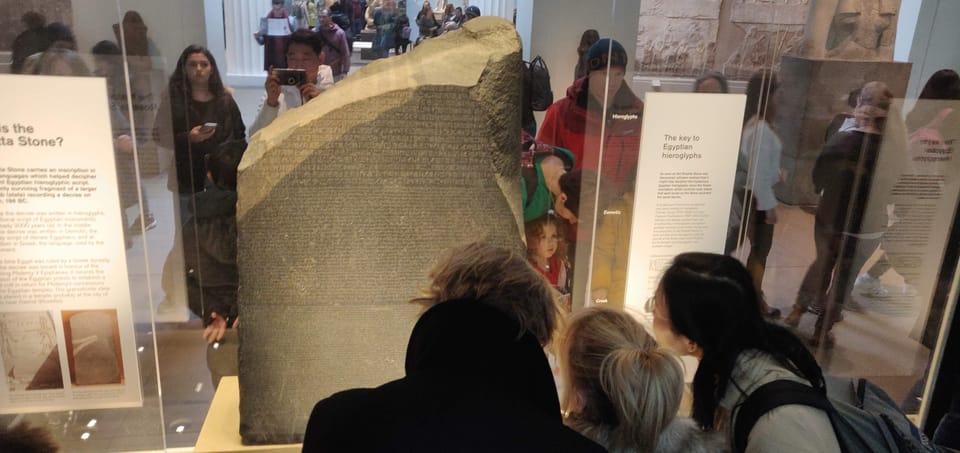
The tour’s opening set the tone fast: ancient Egypt. You’ll stand before the Rosetta Stone, and the guide explains how it became the key to reading Egyptian hieroglyphs. Even if you’ve seen photos before, hearing the story of why the stone mattered makes it feel less like a famous object and more like a turning point in scholarship.
From there, you shift from the “translation breakthrough” angle into the visual scale of Egyptian rule. You’ll also see a colossal statue of Pharaoh Ramses II. That’s the kind of object where you can easily miss the point if you’re only staring at how big it is. With a guide, you’ll hear what the figure represented and why this kind of monument-building had political and religious weight.
What I find especially useful here is the connection between power and materials. Egypt’s artifacts in the British Museum aren’t just art; they’re evidence of systems—state authority, religious belief, and how information traveled. You start to see patterns, not just separate wonders.
From Assyria to Greece: Parthenon Marbles in Context
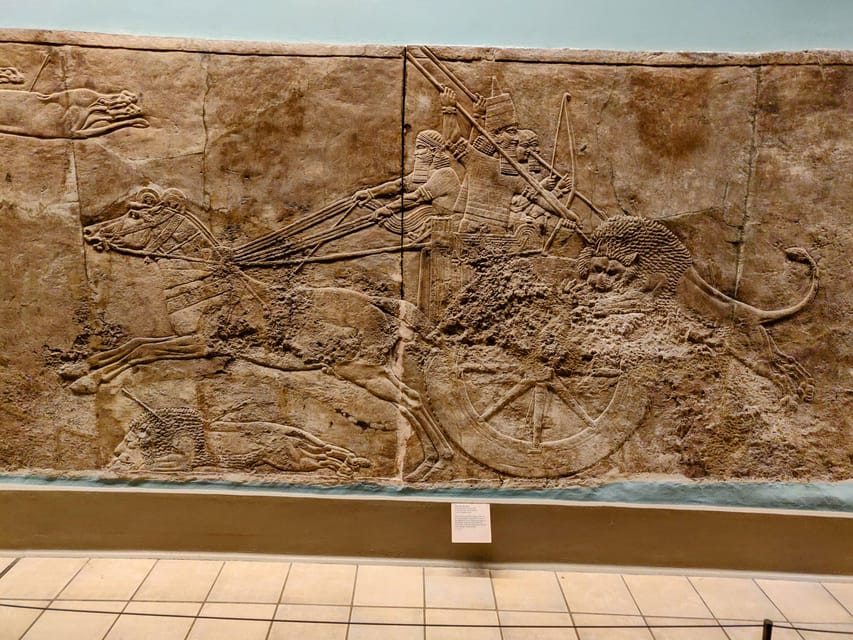
Next comes the feeling of moving through empires. You’ll learn about the Assyrian Empire, including towering palace imagery, and you’ll hear how rulers used monumental works to project fear, control, and prestige.
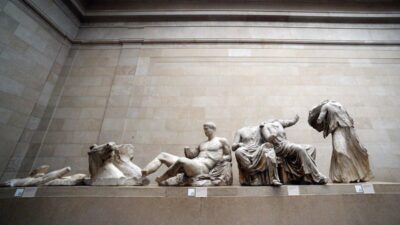
Then the route lands on one of the museum’s headline rooms: the Parthenon Marbles. This is a stop where guided interpretation really pays off. Without it, you can end up thinking, This is impressive, and then moving on.
A good guide helps you notice what’s actually going on: style choices, subject matter, and how the marbles relate to Greek political life and religious practice. You also get a thread connecting why these sculptures became so famous and how modern interest grew around them. A museum object isn’t just a thing that survived; it’s a thing that traveled through time and history of collecting and study.
If you’ve got only one or two “big” displays on your mental checklist, put them at the top here: the Rosetta Stone and the Parthenon Marbles. The tour’s value is that it doesn’t isolate them. It places them inside a wider timeline you can remember.
Vikings, Chessmen, and Unexpected Finds
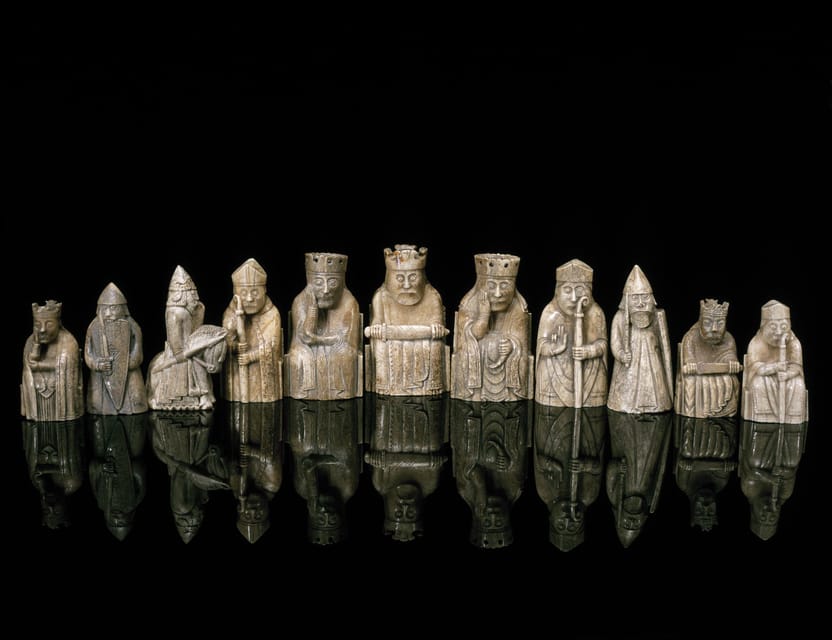
The tour doesn’t stay locked on classical Europe or the Mediterranean. You’ll get Viking-age material, including the Lewis Chessmen. These are the kind of objects that catch your attention immediately, but they can also confuse you if you don’t know what you’re looking for. On a guided visit, you get the cultural setting: why chess mattered, how such objects fit into daily life and status, and why scholars still care about the circumstances around their discovery.
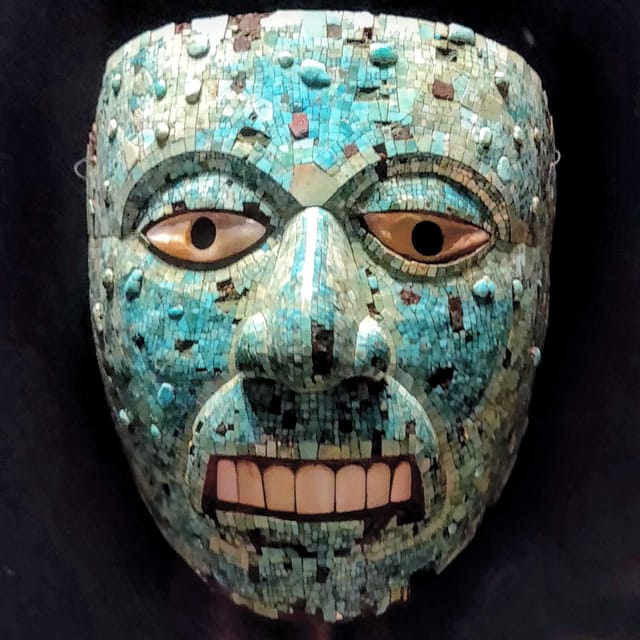
The same approach shows up across other civilizations on the route. You’ll also hear about the Aztec Empire, including crown jewels. You don’t need to be an expert to appreciate the scale of craftsmanship once someone helps you interpret what the pieces signaled—political legitimacy, ceremony, and identity.
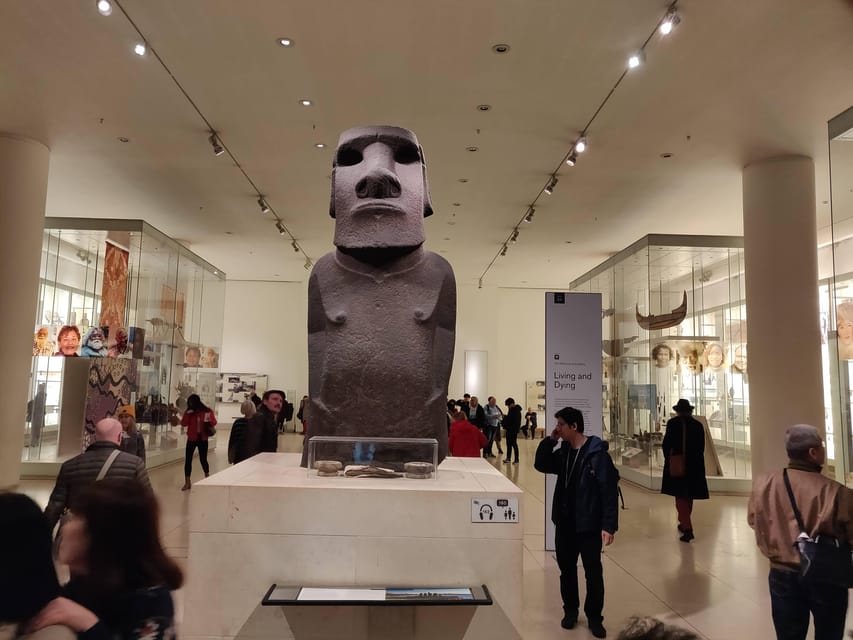
And then there’s the more surprising stop: the Moai statues of Easter Island. Those images are instantly recognizable, but the value here is context. The guide ties them into how societies expressed authority and belief through monumental form.
I like this part because it keeps you from building a narrow idea of what “ancient” means. You walk out feeling like you’ve seen the British Museum’s collection as a network of cultures, not a set of separate highlights.
You can also read our reviews of more museum experiences in London




The Sutton Hoo Hoard and King Raedwald: Dark Ages, Clear Meaning
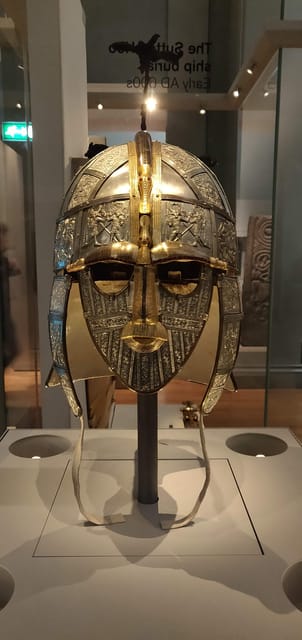
If the tour has one emotional peak, it’s the Sutton Hoo hoard and the mystery of King Raedwald. This is often the point where people realize the “Dark Ages” label doesn’t fit the evidence you’re seeing. Instead of imagining a dim, empty past, you get a picture of wealth, power, and complicated identities.
The Sutton Hoo material is valuable not only because it’s impressive, but because it’s unusually informative. Hoards like this can show how status was displayed and what connections existed through trade, belief, and warfare. With a guide, you also get the story of why scholars still puzzle over details, which makes the experience feel alive rather than finished.
In practical terms, it also balances the earlier stops. Egypt and Greece can pull the spotlight in a visitor’s mind. The Sutton Hoo section reminds you that Britain and Northern Europe weren’t isolated corners. They were part of wider worlds.
How Much Is $58 Really Worth?
At $58 per person for 2.5 hours, you’re paying for more than entry. You’re paying for:
- a planned route through a museum this big
- explanations that connect objects to their original contexts
- skip-the-line access
- an archaeologist guide who can answer questions
If you’ve ever visited a world-class museum on your own, you already know the hidden cost: time wasted choosing what to see and then reading labels without getting the bigger picture. This tour solves that problem by picking the objects most visitors want and then adding interpretation that helps you remember what you saw.
It also helps that the tour is positioned as small-group-style with a guide who keeps everyone together. Reviews mention groups staying close and the guide’s voice carrying well in crowded rooms, which matters in a building where sound gets swallowed by noise.
One more value point: food and drinks aren’t included, so you’re not paying for meals you won’t use. In other words, the price stays focused on the experience itself: guided museum time.
What You’ll Still Want to Do After the Tour
Even with a strong guide, a 2.5-hour museum tour won’t cover everything. But it should give you a map of priorities. One of the most helpful outcomes from guided visits is knowing where to return.
Here’s a practical way to use your remaining time in the British Museum after the tour:
- Look back at what the guide emphasized and choose one related area to revisit slowly.
- Use the timeline thread you heard to guide your reading. If the tour connected Egypt to translation, follow that idea in your next gallery stop with similar objects.
- If you’re into Vikings or early medieval Europe, plan your next walk around that Sutton Hoo momentum so the shift feels coherent rather than random.
You’ll also be grateful for having your expectations reset. Reviews often mention that the guide focuses on major pieces without trying to cram everything. That makes the museum feel manageable, not like a to-do list.
Who This Tour Fits Best
This tour works especially well if you:
- have limited time and want the core “must-sees” covered
- like explanations that connect artifacts to real people and real discoveries
- want something that holds attention for kids and adults together
- feel overwhelmed by big museums and want a guided path that doesn’t leave you drifting
It can be less ideal if you:
- want long quiet time in one gallery
- prefer reading every label without interruption
- get stressed by crowds and tight pacing
Should You Book This Archaeologist-Led British Museum Tour?
If you’re trying to experience the British Museum with your brain turned on, this is an easy yes. The mix of major treasures (Rosetta Stone, Parthenon Marbles) and big interpretive anchors (Vikings, Easter Island, Sutton Hoo and King Raedwald) gives you a visit that feels like understanding, not just sightseeing.
Book it if your goal is clarity in a short window. You’ll walk out with a timeline you can actually explain back to yourself, and you’ll know what to return to when you want more.
Book it less confidently only if you know you need slow, quiet wandering with lots of independent browsing. Otherwise, for $58 and 2.5 hours, you’re buying a guided route that makes the museum feel human.
FAQ
Where is the tour meeting point?
The guide meets you at the entrance of Russell Square Station, holding a tablet with Spirit of Discovery displayed.
How long is the British Museum tour?
The duration is 2.5 hours.
Is museum entry included?
Yes. Entry to the British Museum is included.
What’s included in the tour price?
The price includes British Museum entry, a British Museum tour, and an archaeologist guide.
What should I bring?
Bring comfortable shoes and water.
Is food and drink included?
No, food and drinks are not included.
Will I need to worry about skip-the-line access?
Yes. The tour includes skip-the-line access via a separate entrance.
Is the tour wheelchair accessible?
Yes, the tour is wheelchair accessible.