Holborn hides a whole second subway system. This Hidden Tube tour takes you behind concealed doors at a central London interchange to explore parts of the station that have been closed to the public for decades, with a special focus on the little-used Aldwych branch. I especially love the Aldwych platforms themselves, and the chance to spot original station details like vintage posters and Leslie Green Edwardian design elements. The main drawback is practical: the route includes lots of walking, uneven ground, low lighting, and stairs with no elevators.
What you end up with is more than a hallway-to-platform photo stop. You get a guided story of how the station evolved—from early service, to wartime use, to scientific labs, and even a model rail club—plus how the 1930s modernization reshaped nearby stops. And you’ll leave knowing why those “closed” spaces still matter today through ongoing Underground signaling upgrades.
In This Review
- Key points I’d plan my trip around
- Why Holborn’s hidden platforms feel like time travel
- Getting there at Gate Street and Kingsway (and what to wear)
- First look behind the scenes: stepping into the disused areas
- That Piccadilly line connection you won’t expect
- The Aldwych branch platforms: Leslie Green details and vintage posters
- How the spaces were reused: Blitz shelter, scientific labs, model rail club
- The 1930s modernization story and the British Museum station clue
- From then to now: why these spaces matter in today’s upgrades
- Price and value: is $60.61 for 85 minutes worth it?
- Who this Hidden Tube tour suits (and who should skip it)
- Practical tips so you enjoy every minute
- Should you book the Holborn Hidden Tube tour?
- FAQ
- How long is the London: Hidden Tube Tour of Holborn’s Secret Platforms?
- Where is the meeting point for the tour?
- Is pickup or drop-off included?
- What language are the guides?
- What should I bring?
- Are food and drinks allowed?
- Is the tour suitable for children?
- Is there free cancellation?
Key points I’d plan my trip around
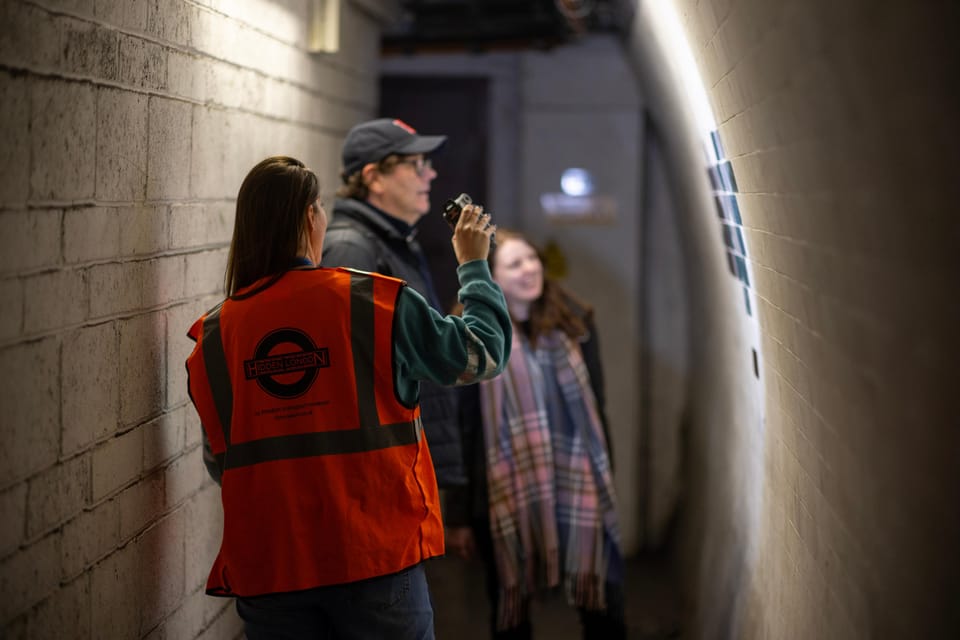
- Disused areas you normally don’t see at Holborn, reached via concealed doors and guided access
- Two former Aldwych branch platforms, closed for around 30 years and still packed with early design details
- Vintage posters, original Leslie Green Edwardian design, and an early signalling cabin
- An unexpected view linked to the Piccadilly line, giving context to how the complex works
- Stories that connect eras: the Blitz, scientific laboratories, and even a model rail club
- Why it matters now through the Underground’s modern signaling upgrade program
Why Holborn’s hidden platforms feel like time travel
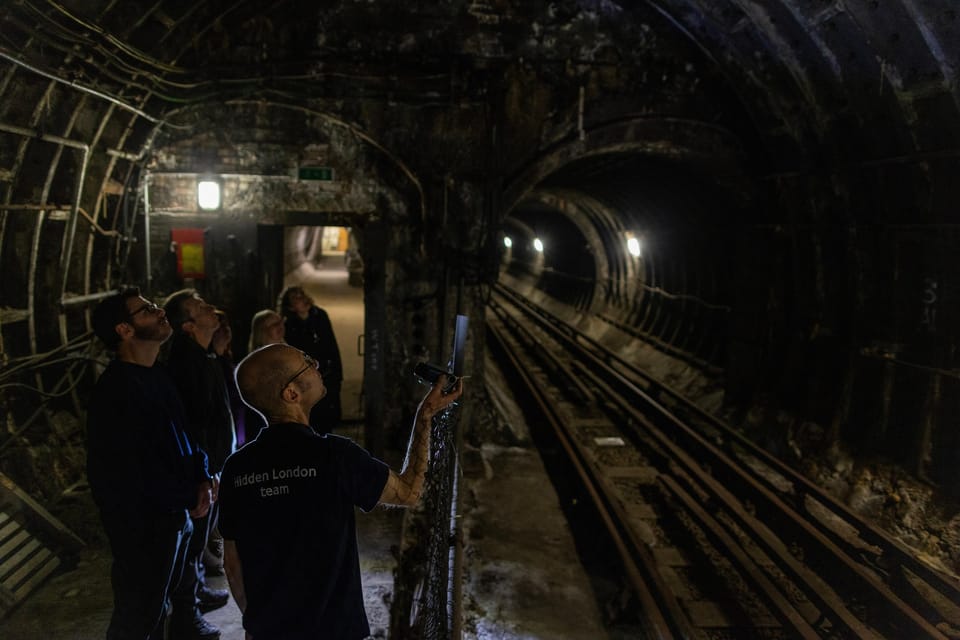
Holborn is busy for a reason. It sits at the heart of London’s rail network, and it has long been a connector station where routes, lines, and engineering decisions stack on top of each other.
On this tour, you’re not just learning facts—you’re seeing the physical evidence. The disused platforms and underground rooms you’re shown help you understand how the Underground was built, expanded, and reworked as London’s needs changed. That’s the magic here: the station’s past isn’t framed behind glass. It’s there, in the space itself.
And because the focus is the Aldwych branch, the contrast is extra striking. This line was little-used compared with the major routes, and that’s part of why those platforms became closed and stayed that way. You end up feeling how quiet infrastructure can become when the network priorities shift.
You can also read our reviews of more tours and experiences in London.


Getting there at Gate Street and Kingsway (and what to wear)
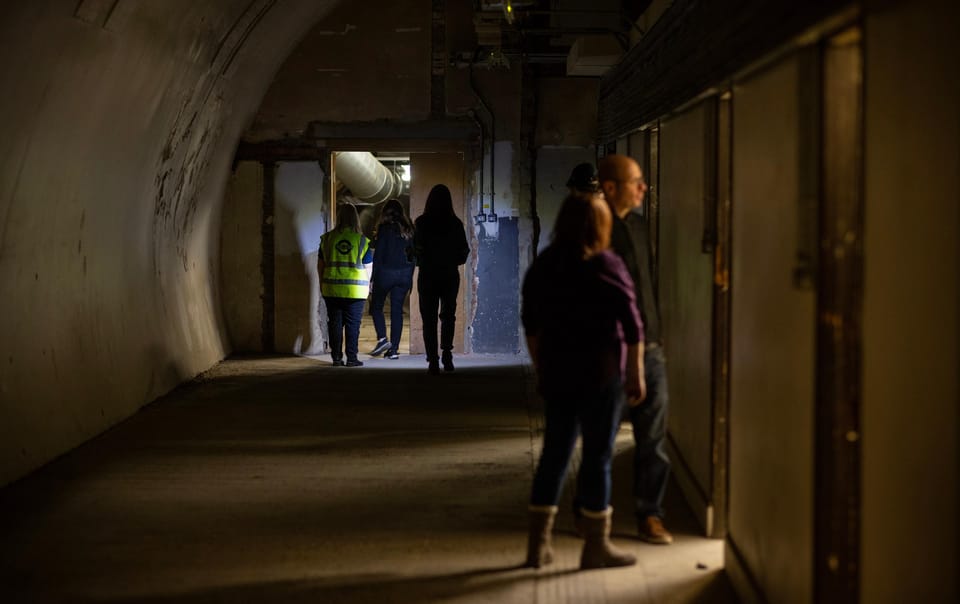
You meet on the corner of Gate Street and Kingsway, WC2B 6AA, and the tour ends back at the same place. There’s no pickup or drop-off, so plan your arrival like a normal walking tour—give yourself time to find the exact corner and be there before your start.
Wear comfortable shoes. The tour includes stairs and walking in areas with uneven ground, and some parts are in low lighting. If you’re the type who thinks open-toed shoes are fine in London, this is not that day—open-toed footwear isn’t allowed.
Bring water and have a passport or ID card with you. Food and drinks aren’t permitted, and there’s also a no-luggage / no-large-bags approach, so travel light. (That also makes the experience easier, because you’re moving through tighter areas.)
First look behind the scenes: stepping into the disused areas
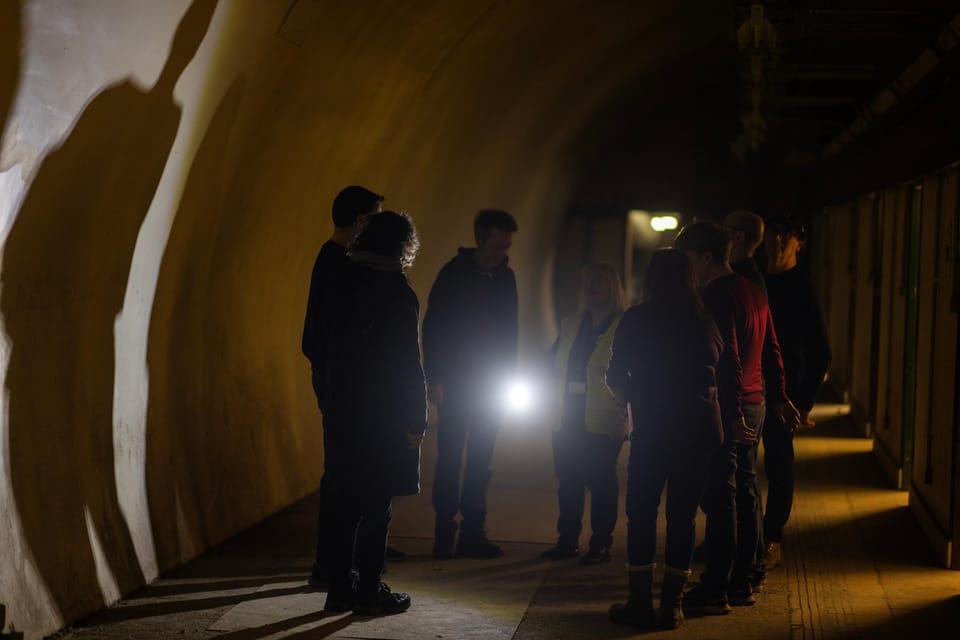
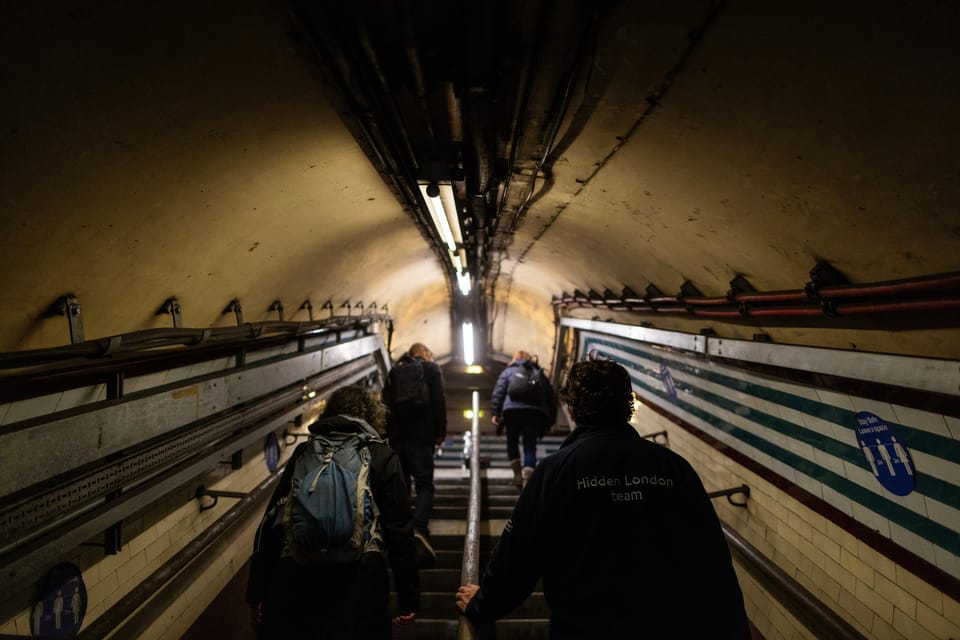
The tour starts with the simple but thrilling premise: you’ll go behind concealed doors to see expansive, disused areas that are not part of the regular public route. In other words, you’re entering station space the way staff and engineers did—not the way passengers experience it.
This part matters for a very practical reason. Holborn is complex, and it can be hard to picture how all the moving parts fit together if you only ever see what’s accessible in-station. By walking in the older, closed sections first, you get a mental map before the tour pushes deeper into the Aldwych branch details.
You’ll also hear how and why certain areas came to be used in surprising ways over the years. The station wasn’t frozen in time; it kept getting repurposed as circumstances changed. That theme—adaptation—keeps returning as you move through the route.
That Piccadilly line connection you won’t expect
One of the more memorable moments is an unexpected view connected to the Piccadilly line. It’s the kind of sightline that doesn’t normally register for passengers, because you rarely get permission to look at the Underground from angles that show how it’s engineered and arranged.
What I like about this stop is how it changes your understanding of Holborn. Instead of treating each line as a separate system, you start seeing overlap—how platforms, circulation spaces, and track layouts interact underground. That makes the Aldwych branch story easier to follow, because you can anchor it to the working network around it.
Even if you’ve taken the Piccadilly line a dozen times, this is the part that helps you see it as a designed system rather than a simple ride. And that makes the rest of the tour feel less like trivia and more like a guided “read” of the station.
The Aldwych branch platforms: Leslie Green details and vintage posters
The core experience is the chance to explore two closed platforms from the former Aldwych branch line. These spaces have been closed for about 30 years, so you’re walking where the public hasn’t gone in a long time.
Look closely and you’ll get that satisfying “wait, this is original?” feeling. The platforms include vintage posters, and you can see original Leslie Green Edwardian design elements—design that represents an era when stations were built with a strong visual identity, not just as functional boxes. There’s also an early 20th century signalling cabin, which is a big deal because it puts the technology of operation into the story.
This is one of those experiences where the details are the point. The posters and design features help you imagine day-to-day station life, while the signalling cabin ties the space back to how trains were controlled. It’s not just what the station looked like—it’s how it worked.


How the spaces were reused: Blitz shelter, scientific labs, model rail club
A key part of the guide-led narration is the way these disused areas kept finding new jobs. You’ll hear about the station and Aldwych branch being used in surprising ways, including as scientific laboratories and as shelter for London Transport staff during wartime.
That wartime angle isn’t vague. You’ll also hear first-hand accounts of what it may have felt like to work there during the height of the Blitz. Even if you think you know London’s wartime story, this gives you a station-level view—what people needed underground when the city above was under threat.
And then comes one of the quirkiest notes: at some point, the spaces even housed a model rail club. That detail sounds playful, but it actually helps you grasp something real. Infrastructure doesn’t disappear just because a service changes. People adapt, reuse, and keep communities going in whatever spaces are available.
The 1930s modernization story and the British Museum station clue
The Underground didn’t just grow—it got reorganized. A big part of what you’ll learn is the modernization program of the 1930s and how that reshaped nearby services.
The guide connects this story to a real, nearby consequence: the modernization project led to the closure of British Museum station. Hearing that linkage helps you understand that what’s visible in one station is often the result of decisions made elsewhere. When you see disused sections at Holborn, you’re not only looking at history—you’re seeing the long tail of planning.
This section also makes the Aldwych branch feel less like an isolated oddity. Instead of treating it as a forgotten side project, it becomes part of a wider network story—what worked, what didn’t, and what got closed when the Underground needed to move faster and operate more efficiently.
From then to now: why these spaces matter in today’s upgrades
Here’s the part I find especially useful for planning. The tour doesn’t stop at early 1900s station design. You’ll also learn how Holborn still plays a key role in the future of the London Underground.
The reason: the station is involved in a massive upgrading project for the signalling system. That might sound technical, but it’s really the link between the old signalling cabin you see underground and the modern systems operating above. It gives the tour a satisfying continuity—technology changes, but the need to control trains safely and efficiently doesn’t.
If you like seeing the engineering logic behind the travel experience, this is a strong finish. It’s not “look at old stuff.” It’s “understand the evolution of how the Underground runs.”
Price and value: is $60.61 for 85 minutes worth it?
At $60.61 per person for about 85 minutes, this isn’t a throwaway add-on. You’re paying for access to areas that are normally closed and for an expert guide who can explain what you’re seeing in context.
The value comes from three things:
- Exclusive access to disused, behind-the-scenes sections and platforms that have been closed for around 30 years
- High-detail interpretation, including original design elements and an early signalling cabin, not just generic station photos
- A guided narrative that connects eras: the Aldwych branch, the Blitz, scientific labs, wartime shelter, and the 1930s modernization
If you’re the kind of person who can spend an hour reading a museum label and still want more, you’ll likely feel good about the price. If you want a short scenic walk and don’t care about station mechanics, you might think it’s pricey for what’s mainly underground. For most rail-and-history-minded visitors, though, it’s a fair trade.
This tour also carries a 5/5 average rating across 7 ratings, which is a helpful signal for quality in a small sample.
Who this Hidden Tube tour suits (and who should skip it)
This experience is best for adults and older teens who enjoy the details of how cities work. The tour isn’t suitable for children under 10, and there’s a limit of four children aged 10–15 per adult, so it’s not meant to be a toddler-friendly adventure.
You should also know who to avoid with this one. It isn’t suitable for people with mobility impairments because there are stairs and no elevators. It also isn’t suitable for people with claustrophobia, and the tour includes low-lit areas and uneven ground.
If you’re someone who gets nervous in tight, dim spaces, don’t gamble. The experience is authentic partly because it’s not designed for maximum comfort access.
On the flip side, if you wear comfortable shoes, can handle steps, and want a guided look at a working Underground station’s hidden layers, this is a great fit.
Practical tips so you enjoy every minute
This is a “show up ready” tour. A few things make a big difference:
- Bring water and plan no snack breaks since food and drinks aren’t allowed.
- Travel light because large bags and luggage aren’t permitted.
- Expect stairs and uneven ground and don’t treat it like a flat museum walk.
- If you’re sensitive to low lighting, take a moment to mentally prepare before you enter enclosed areas.
Also, the tour runs for 85 minutes, but starting times vary. Pick a slot that doesn’t make you rush afterward—this is the kind of tour that leaves you wanting to look up at the station above ground and notice what you missed.
Should you book the Holborn Hidden Tube tour?
Book it if you want a rare, station-specific view of London Transport history—especially the Aldwych branch and the chance to see closed platforms, early signalling tech, and original Edwardian design details inside real Underground space.
Skip it if mobility access or claustrophobia concerns could spoil the experience. The route involves stairs, uneven ground, and low lighting with no elevators, so it’s not built for everyone.
If you’re curious about how the Underground changed through modernization and wartime improvisation, this tour gives you a strong “why” behind what you see in London every day. For the price, you’re buying access plus interpretation—exactly the combo that makes the Hidden London style of tour worth your time.
FAQ
How long is the London: Hidden Tube Tour of Holborn’s Secret Platforms?
The tour lasts 85 minutes.
Where is the meeting point for the tour?
You meet on the corner of Gate Street and Kingsway, WC2B 6AA.
Is pickup or drop-off included?
No. Pickup and drop-off are not included.
What language are the guides?
The live tour guide is in English.
What should I bring?
Bring a passport or ID card, comfortable shoes, and water.
Are food and drinks allowed?
No. Food and drinks are not allowed.
Is the tour suitable for children?
It’s not suitable for children under 10. There is also a maximum of four children aged 10–15 per adult.
Is there free cancellation?
Yes. You can cancel up to 24 hours in advance for a full refund.