REVIEW · LONDON
London: Kensington and Chelsea Guided Walking Tour
Book on GetYourGuide →Operated by Shimeji Creatives Ltd. · Bookable on GetYourGuide
London changes tone every block. This guided walking tour threads together the museum grandeur of South Kensington and the hush of Chelsea mews streets, with stories about design, royalty, and the people who shaped the area.
I especially like the way the tour frames the Great Exhibition legacy through Prince Albert’s Albertopolis vision, then ties that context to what you see along Exhibition Road. I also like that the walk is paced for real people: step-free, relaxed, and practical for families and first-timers, with lots of chances to stop for photos (the guide can even help take pictures with your phone).
One drawback to consider is that guide style can be a little uneven. One guide, Simona, stood out for being prepared and engaging with kids, but another booking found the commentary less focused on historical people and building details and more based on personal experience, so history-hunters may want to be selective about how much they want in-depth facts.
In This Review
- Key things you’ll notice on this walk
- South Kensington Station Arcade: the perfect start line for this part of London
- Albertopolis and the Great Exhibition story on Exhibition Road
- Royal Albert Hall, Albert Memorial, and Kensington Gardens calm
- Knightsbridge: Harrods, embassies, and the architecture behind the shopping
- Chelsea mews streets: where stables became prime real estate
- Sloane Square finish and King’s Road’s ongoing energy
- Price and time: why $26 can make sense (or not)
- Who should book this Kensington, Chelsea, and Knightsbridge walk
- A quick reality check on guide style
- Should you book this tour?
- FAQ
- Where does the tour meet?
- How long is the walking tour?
- Is the tour wheelchair accessible?
- What languages are the guides available in?
- Are museum entrance fees included?
- Is food or drink included?
- Can I get a full refund if I cancel?
Key things you’ll notice on this walk
- South Kensington Station start: an easy meeting point that drops you right into the museum zone fast
- Albertopolis framing: the walk connects Prince Albert’s 1851-era ambition to today’s institutions
- Kensington Gardens moments: Albert Memorial and the feel of Kensington Gardens, plus exterior stops like Kensington Palace
- Knightsbridge contrasts: Harrods, embassies, and red-brick architecture in the same breath
- Chelsea mews streets: stables turned homes, with Georgian and Victorian townhouses and private garden squares
- Sloane Square finish: you end near King’s Road, where the area stays lively without needing another ticket
South Kensington Station Arcade: the perfect start line for this part of London
The meeting point is just outside South Kensington Station, in the arcade area on Thurloe Street, in front of Viandas. It’s the kind of location that helps you get oriented immediately, because you’re not easing into the tour from a random corner—you’re already in the middle of one of London’s most famous districts.
The tour runs for about 2 hours, so you’re walking enough to feel like you’ve traveled across neighborhoods, but not so long that you’re dragging yourself by the end. Bring comfortable shoes and a camera (there’s a lot worth photographing), plus water if you tend to get thirsty while walking.
A nice touch: the guide will take pictures for you using your phone, so solo travelers aren’t stuck relying on strangers—or doing awkward self-timer math.
You can also read our reviews of more walking tours in London



Albertopolis and the Great Exhibition story on Exhibition Road
Right away, the tour connects South Kensington to a bigger idea: education, art, and science—the Victorian plan behind the museum district. The route is described as being inspired by the Great Exhibition of 1851, with Prince Albert channeling that legacy into a cultural zone meant to raise civic pride.
What makes this stop valuable is that it changes how you look at the area. Instead of seeing the museums as standalone “must-sees,” you start noticing them as part of one coordinated story—institutions designed to teach the public and signal that learning mattered.
You’ll also get a guided path that makes logical sense for photography and pacing, since this part of London is all about grand façades and long sightlines. There are museum stops on the route, including the Victoria & Albert Museum, presented here as the key place to understand that Great Exhibition legacy.
If you’re a museum lover, you’ll likely enjoy how the guide gives context before you even step into the larger atmosphere of the district. If you’re not a big museum person, the framing still helps, because it explains why this neighborhood looks and feels the way it does.
Royal Albert Hall, Albert Memorial, and Kensington Gardens calm
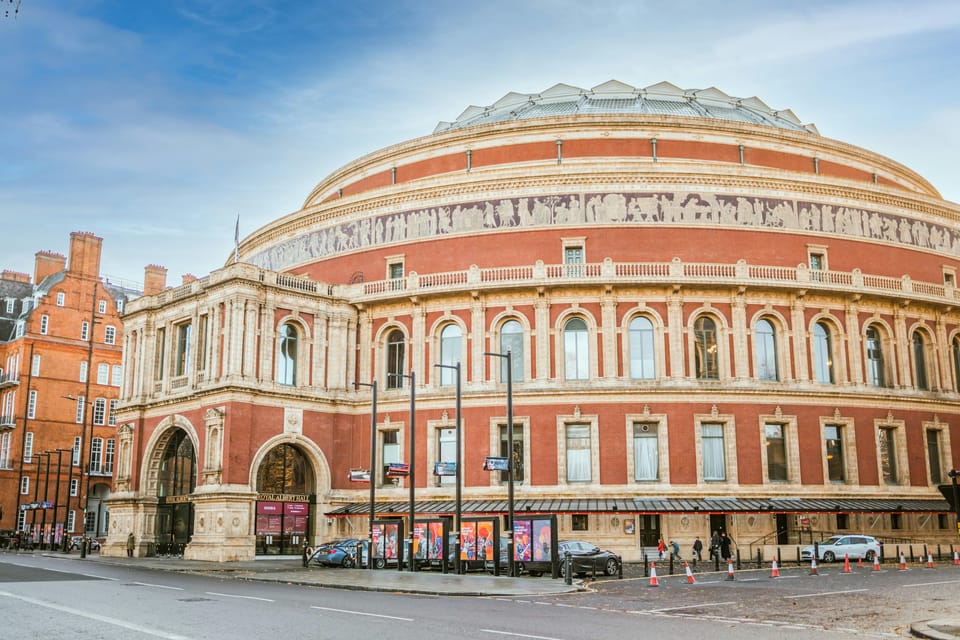
After the museum momentum, the tone cools down for a more serene stretch through Kensington Gardens. The tour includes stops at the Albert Memorial and the exterior of Kensington Palace. You’ll also visit the Royal Albert Hall area, with the overall complex of landmarks creating a “grand London” moment that feels instantly iconic.
This is the part of the tour where you get variety: architecture and craftsmanship up close, then breathing room with the park. The Albert Memorial stop is especially effective for understanding why the area carries so much royal and Victorian ambition in its design language.
The Kensington Palace exterior is presented as the former home of Princess Diana, which is a quick, meaningful anchor for modern visitors who want at least one recent royal reference tied to place. Even if you don’t know every name from history class, you can still connect the dots once you’re standing in the right setting.
Practical note: parks mean you might get better photos if you check the light, not just the view. Bring your camera ready and don’t be afraid of stopping—this tour actually builds in those moments.
Knightsbridge: Harrods, embassies, and the architecture behind the shopping
Next comes a shift to Knightsbridge, where the feel changes from cultural institutions to luxury, heritage, and global influence. The centerpiece here is Harrods, but the walk is about more than shopping. You’re guided to notice embassies and different kinds of buildings—red-brick mansions alongside the broader “big-name London” presence.
This works well if you like seeing how wealthy districts are built. The tour doesn’t treat Knightsbridge like one flat category; it shows the area as a collection of styles and roles—some for commerce, some for diplomacy, some for residential prestige.
Even if you don’t go into Harrods, just standing nearby helps you understand why this neighborhood became a magnet for luxury retail. And if you do enjoy shopping streets, you’ll likely appreciate how the tour doesn’t rush you past them. You get to look, absorb, then move on.
If you’re traveling with kids, this segment can be a win too—department-store energy is easy for younger visitors to register, even if they don’t care about the architectural history yet.
Chelsea mews streets: where stables became prime real estate
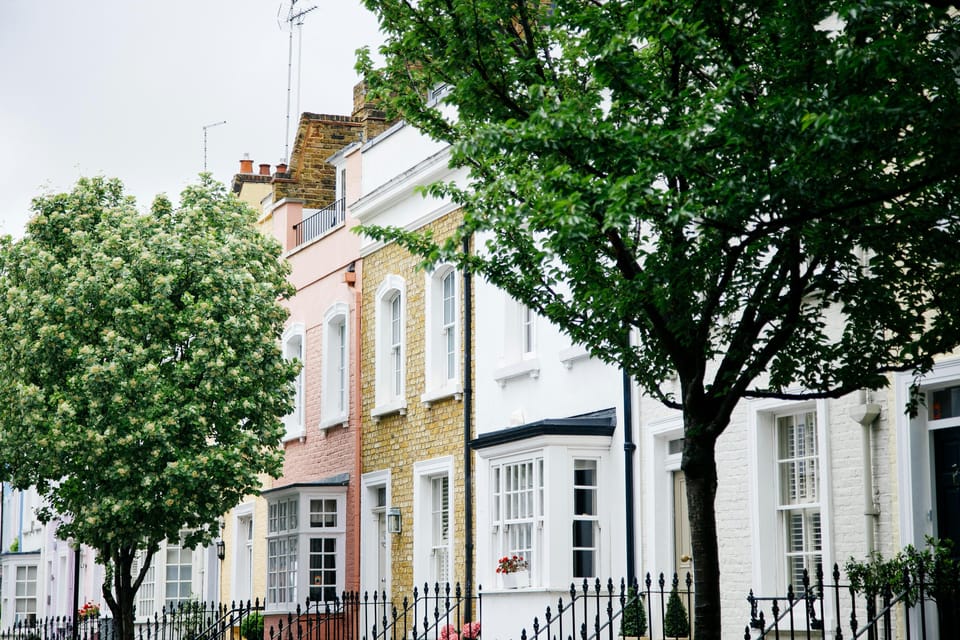
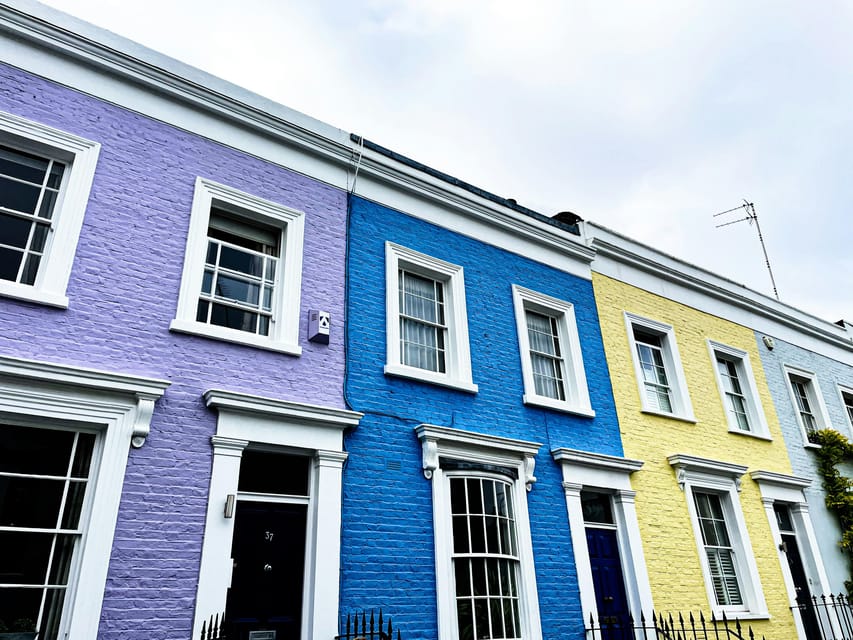
Chelsea is the more intimate part of the tour, and it’s where the details really start to pay off. You’ll stroll mews streets—originally built as stables and now transformed into highly sought-after residences.
That stable-to-home transformation is the kind of London story I love because it shows how the city reuses space instead of demolishing and restarting. You’re walking through a neighborhood where the past is visible in the layout, not just in plaques.
You’ll also see Georgian and Victorian townhouses and pause near private garden squares. The tour connects these scenes to the personality of Chelsea—artists, writers, designers, and radicals attracted here for centuries, with that creative legacy still echoing through the quiet lanes.
If you’re the type who likes reading a neighborhood like a book, Chelsea is where the “read” becomes fun. The buildings don’t just look pretty; they hint at who lived here and how the area evolved.
A plus from a positive booking: one guide (Simona) was praised for being able to involve two small children on the walk, which is exactly what you want in a more details-heavy area. If your group includes kids, this Chelsea stretch is often where they’ll start asking questions about houses and odd street names.
You can also read our reviews of more guided tours in London






Sloane Square finish and King’s Road’s ongoing energy
The tour ends at Sloane Square, described as the gateway to King’s Road. This matters because it gives you a natural next step—no need to scramble for a ride or decide where to walk next.
King’s Road is framed as having been a center of fashion and rebellion in the 1960s, and it still feels active today with independent boutiques, cafés, and galleries. In other words, you finish in a place where you can keep the day going without tickets or planning.
If you want to turn this into a half-day plan, Sloane Square is a smart finish point. You can pair it with a casual café stop, a stroll toward shops you actually want to see, or quick transit connections.
Price and time: why $26 can make sense (or not)
At $26 per person for a 2-hour guided walk, this sits in the practical category: you’re paying for guided routing, storytelling, and efficient coverage of multiple neighborhoods without having to map everything yourself.
Here’s how to judge value. If you like architecture, city history, and neighborhood character—especially the links between institutions, royalty, and urban evolution—this price usually feels fair because the guide is the product. The tour also includes practical extras like being step-free, moving at a relaxed pace, and offering help with photos.
If you prefer very deep, building-by-building historical detail and want lots of names, dates, and people-focus, then the mixed review feedback is your caution sign. One booking found the guide less historical and more experiential, which can lower perceived value for people expecting a dense facts-heavy talk.
My advice: treat it as a neighborhood “wayfinding + context” experience. If that’s what you want, $26 is a decent deal for this part of London.
Who should book this Kensington, Chelsea, and Knightsbridge walk
This tour fits especially well if you want an easy, structured way to see three closely linked neighborhoods with different personalities:
- First-time London visitors who want the big recognizable landmarks plus the calmer residential streets
- Families and multi-age groups, since it’s described as suitable for all ages and paced gently
- People who enjoy architecture and city design without needing a university lecture
- Solo travelers, because the guide can help you with phone photos, and the route is easy to follow
One note for solo travelers: the tour generally requires a minimum of two participants. If you can’t book for yourself, it may require reaching out to check what time slots might work.
If you’re allergic to walking, you may still find it doable because it’s a relaxed pace and step-free, but bring shoes anyway. This isn’t a sit-and-stare tour.
A quick reality check on guide style
The best version of this tour is when the guide matches your expectations. One positive booking specifically praised Simona for being well-prepared, kind, and good at keeping small children engaged. Another booking felt the guide didn’t go as far into historical people and places as expected, and found the commentary more personal than factual.
So your takeaway is simple: if you want a storytelling-heavy walk with approachable context, you’ll likely enjoy it. If you want highly detailed historical documentation as the main event, you should consider whether you’re looking for this kind of guided neighborhood stroll or something more specialized.
Should you book this tour?
Book it if you want a 2-hour, step-friendly walk through the museum district, royal landmarks, Knightsbridge grandeur, and Chelsea’s mews charm—plus an actual guide to connect it all into one story. This is a smart way to get your bearings fast in an area that’s easy to admire but harder to understand without help.
Skip or look for a different option if your main goal is deep historical detail centered on specific people and buildings. The tour can still be enjoyable, but you might feel the time is better spent on a history-focused alternative.
If you’re deciding between doing this with guidance versus self-guiding, I’d lean guided for this route. Even when you know London well, the connections—Great Exhibition legacy to museums, royal ambition to gardens, and Chelsea’s creative pull into the streets—are exactly the sort of pattern you’ll appreciate more when someone points them out.
FAQ
Where does the tour meet?
You meet outside South Kensington Station on Thurloe Street, in front of Viandas. The guide will be holding a sign with the name of the tour.
How long is the walking tour?
The tour lasts about 2 hours.
Is the tour wheelchair accessible?
Yes, the route is described as wheelchair accessible and step-free.
What languages are the guides available in?
The tour is offered in English, German, and Italian.
Are museum entrance fees included?
No. Entrance fees are not included.
Is food or drink included?
No. Food and drinks are not included.
Can I get a full refund if I cancel?
Yes, you can cancel up to 24 hours in advance for a full refund.