REVIEW · LONDON
London: Private Underground and Tube Tour
Book on GetYourGuide →Operated by Brit Icon Tours · Bookable on GetYourGuide
The Tube hides stories most people walk past. This private Underground and Tube tour pulls you from Paddington into 150 years of London transit, with stops at stations that feel older than the street above. You’ll also get the kind of context that makes the Underground map feel less like art and more like a clue.
I love two things right away: first, the professional guide experience is the whole point, and you feel it in how smoothly the facts turn into real station moments. Second, you get a hands-on mix of riding and walking through some of the oldest, deepest, and most peculiar stations, plus the behind-the-scenes stuff like why rival companies shaped the lines and why the switch to electric trains mattered.
One consideration before you book: this tour isn’t set up for wheelchair users or parents with prams, and baby carriages aren’t allowed. If your group needs step-free access, plan a different option.
In This Review
- Key highlights worth marking on your mental map
- Paddington Platform 1: where the tour clicks into focus
- 150 years of the Underground: rival companies to electric trains
- Riding the oldest stretch: why “old” changes how you see it
- Circle Line direction: the simple rule that saves you time
- Deep, famous, and peculiar stations: how to read what you see
- Ghost stations: the weird stories behind what you don’t ride
- Tube map reality checks: what’s accurate and what isn’t
- Pacing, comfort, and the reality of 165 minutes
- Price and value: is $84.86 per person a good deal?
- Who should book this Underground tour (and who should skip it)
- Quick tips to make your tour day smoother
- Should you book the London Private Underground and Tube Tour?
- FAQ
- How long is the London Private Underground and Tube Tour?
- Where does the tour start?
- Where does the tour end?
- Is this tour private?
- What’s included in the price?
- What transit payment do I need during the tour?
- Is the tour wheelchair accessible?
Key highlights worth marking on your mental map
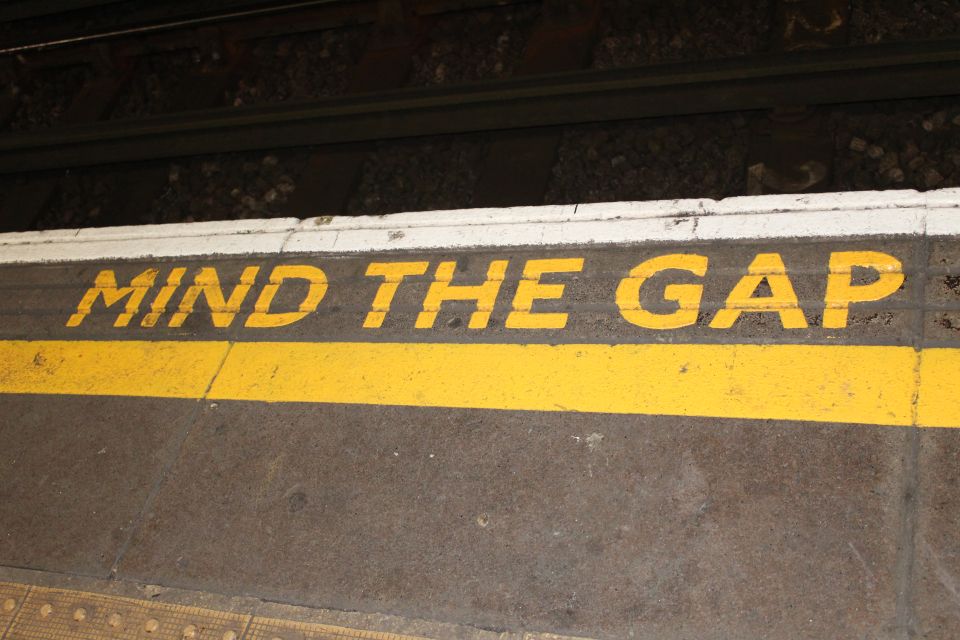
- 150 years of Underground history, starting at Paddington and moving through classic deep stations
- Oldest stretches of the railway, the kind that shaped how the Tube works today
- Circle Line direction tips, so you understand why knowing which way you’re going mattered
- Ghost stations stories, plus the eerie logic behind what’s still hidden or unused
- Tube map reality checks, so you can read the system with better eyes
Paddington Platform 1: where the tour clicks into focus
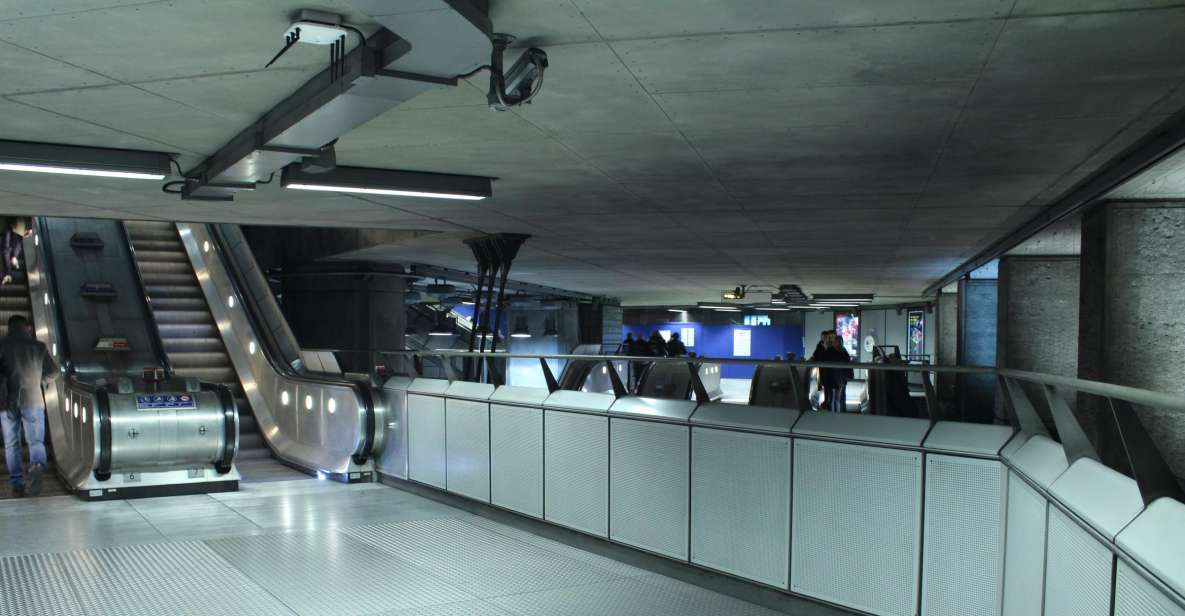
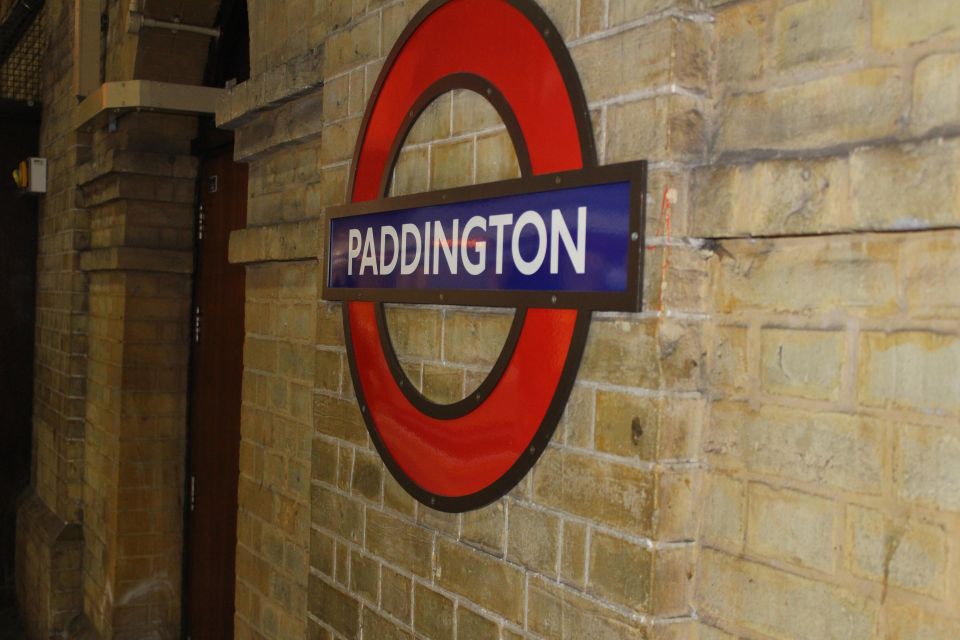
This tour starts underneath the clock on Platform 1 at Paddington Station. That matters because you’re not just wandering into the Underground—you’re beginning at a real hub, where the Underground’s growth story starts to make sense fast.
From the first moments, your guide sets the tone: this is not a facts-only lecture. It’s a guided walk-and-ride through stations where you can see how engineering, money, and politics shaped the network. You’ll also get a better sense of how long London has been solving the problem of moving people under a crowded city.
One practical note: it’s a private group, so the pace is more adjustable than a large group tour. Also, the route can shift a bit because of improvement work on the network—so it’s smart to stay flexible.
You can also read our reviews of more private tours in London



150 years of the Underground: rival companies to electric trains
The London Underground opened in 1863, and this tour uses that date like a timeline anchor. You’ll learn how the Underground became a system rather than a set of unrelated lines, including how different lines were once run by rival companies. That bit of history helps you understand why some parts of the map and station layout feel the way they do.
You’ll also hear why the Tube moved from steam to electric trains. That’s not trivia for trivia’s sake. It’s the reason the Underground could handle the scale and frequency London wanted, while keeping operations more practical underground. Once you understand the change, station ventilation, tunnels, and even platform vibes start to click into place.
The tour also leans into the small things people miss during normal commuting. You’ll notice how stations were built for different needs over time, and how that history still shows up in design quirks, signage logic, and what gets used every day versus what faded into the background.
Riding the oldest stretch: why “old” changes how you see it
One of the stated highlights is traveling along London’s oldest stretch of railway line. Even without a dramatic theme park moment, “old” has a look and feel: tighter geometry, a sense of how the tunnels were constrained, and a different rhythm as you travel.
This is where the tour is strongest for first-timers and repeat Tube riders. If you use the Underground often, you’ll love the way familiar stations become readable. It’s not just where you go—it’s why it works, and why the system evolved the way it did.
And since this is a private tour, you can ask questions as you go. Several people praised guides for handling extra questions without rushing you out the door. That’s a big deal for a tour like this, because the best Underground insights tend to come when something specific catches your eye.
Circle Line direction: the simple rule that saves you time
Here’s a detail I really like because it’s so practical: you’ll learn why it was important to know which way to travel on the Circle Line. On paper, the Circle Line looks straightforward. In real life, “clockwise vs counterclockwise” changes your trip, your expected stops, and the sanity level of your evening plans.
Your guide explains the reasoning behind the Circle Line approach, and it’s the kind of context that helps you stop treating the Tube like a black box. You start seeing it as a system with logic, not just a network of colored lines.
If you’ve ever thought, I’m sure this is the right way, only to watch your time slip away—this part is for you.
Deep, famous, and peculiar stations: how to read what you see
The tour is designed around stations that are famous, deep, beautiful, and a little peculiar. That pairing matters. Deep stations make you feel the scale of what London built under pressure. Peculiar stations give you clues about how decisions were made when rail lines didn’t all start with the same plan.
Instead of treating each station like a photo stop, your guide connects each place to a wider story: who built it, why it’s shaped the way it is, and what tourists usually ignore when they’re just trying to get from A to B.
Route flexibility is part of the deal, too. Improvements work on the network can change the exact path. The upside: you’re still getting the same core Underground themes—history, station quirks, and those “wait, why is it like that?” moments.






Ghost stations: the weird stories behind what you don’t ride
The tour includes ghost stations—stations you might hear about, but never experience the way you would a regular stop. The guide explains the concept and gives you the context that makes it feel less like rumor and more like a chapter in London’s changing transit needs.
This is the section where the Underground starts feeling like a living museum with parts you can’t reach. And that’s why it lands well with both adults and kids who like stories. You’re not just learning that ghost stations exist—you’re learning why certain places ended up unused or altered.
If you’ve got time in London and you’re tired of tours that only point at landmarks, ghost station stories are a refreshing switch. They’re specific to London Underground culture, and they change what you notice the next time you go by.
Tube map reality checks: what’s accurate and what isn’t
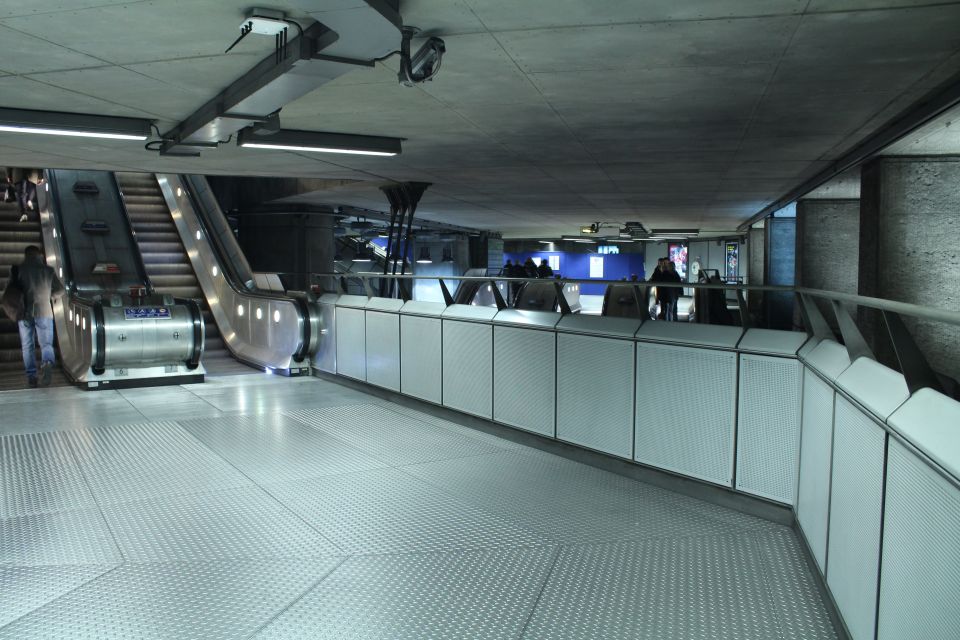
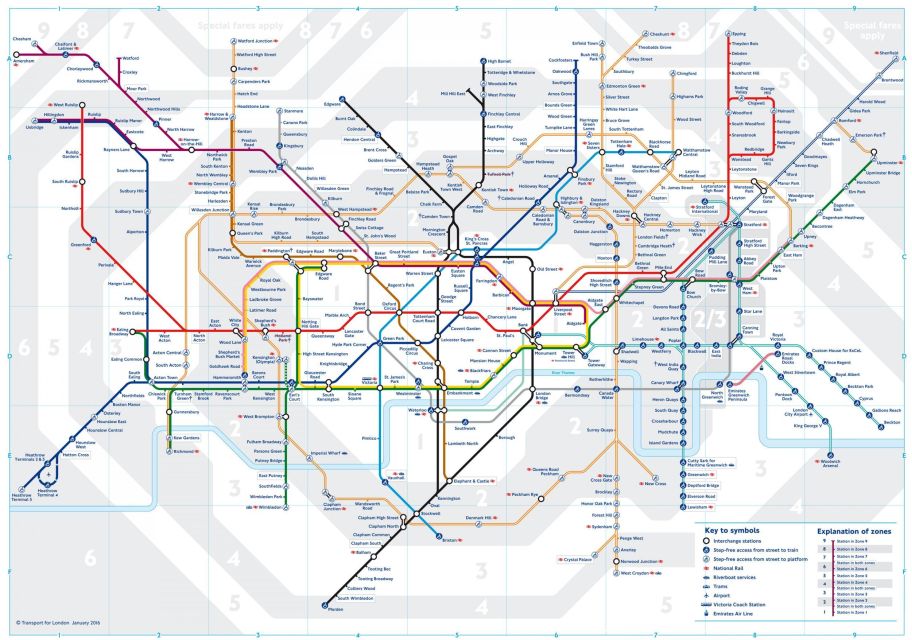
One of the more clever highlights is a discussion about how accurate the tube map really is. The Tube map is designed for clarity, not strict geography. Understanding that lets you “read” it better—especially when you’re trying to picture routes, distances, and connections without getting tricked by the simplified look.
Your guide also helps you spot the quirks that go unnoticed during regular commuting. That might mean how tracks relate to platforms, or how station design reflects decisions from different eras. The point isn’t to memorize the network. It’s to become a smarter observer when you’re traveling through it.
After this, you’ll probably look at the Underground map more like a tool and less like artwork. That alone is worth something.
Pacing, comfort, and the reality of 165 minutes
The duration is 165 minutes (about 2 hours and 45 minutes). That’s long enough to cover multiple station moments and still keep your brain from turning into Tube soup. It’s also short enough that you’re not trapped in a whole afternoon of standing around.
Still, it’s not a sit-down museum tour. It includes walking and moving through station spaces where you’ll want comfortable shoes. One review note also pointed out a lack of a loo stop, which is worth considering if you’re sensitive to bathroom breaks.
If you’re planning this as part of a day with other activities, I’d build in a little buffer after the tour—especially since you’ll likely end near Westminster Station based on the tour description.
Price and value: is $84.86 per person a good deal?
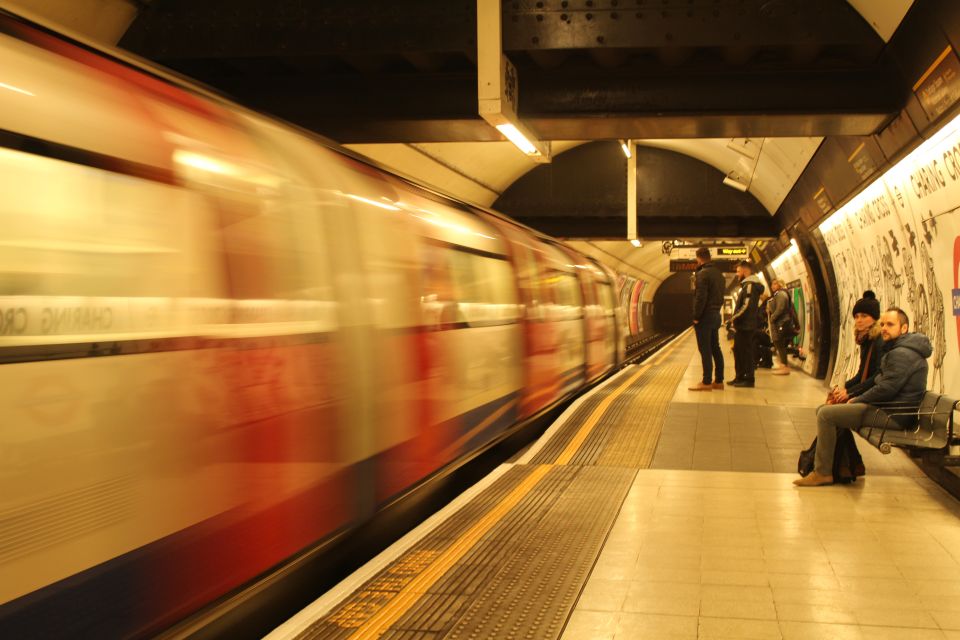
At $84.86 per person, this is not a budget add-on. But it can be good value if you want the Underground story told in a way that’s tailored to you rather than sprayed over a crowd.
Here’s why I think it can justify the price:
- You’re paying for a professional guide who connects history, engineering, and station quirks.
- The experience is private, so you can ask follow-up questions without feeling like you’re stealing time.
- You get a structured route through multiple notable stations, plus themes like ghost stations and Circle Line logic.
What to watch: travel costs aren’t included, and you’re required to have a zone 1 travel card or an Oyster card topped up with at least £7 of pay-as-you-go credit. So the real cost is really: tour price plus whatever your local transit needs require that day.
Who should book this Underground tour (and who should skip it)
This is a strong choice if:
- You want something more meaningful than a quick hop-on-hop-off style activity
- You enjoy transit history and the real-world reasoning behind how systems work
- You like guides who tell stories with clear, practical details
It might be the wrong fit if:
- You need step-free access. The tour is not accessible for wheelchair users, and it’s not suitable for parents with prams.
- You’re traveling with a baby carriage (those aren’t allowed).
- You strongly need planned restroom stops during the experience.
On guide quality: multiple people specifically praised different guides by name, including Rory, Jericho, Chris, and Fiona, for being engaging, friendly, and able to keep the experience interesting even when the tour ran long due to questions. If your group loves learning but hates dry lectures, this kind of guiding style is a big part of the payoff.
Quick tips to make your tour day smoother
Here’s what will help you get the most out of it:
- Bring a zone 1 travel card or Oyster with at least £7 pay-as-you-go credit.
- Wear shoes for walking. You’re moving through stations and platform areas.
- If you’re sensitive to bathroom breaks, plan around the lack of an explicit loo stop.
- Expect the route to flex a bit if there’s improvement work on the network.
For booking flexibility, there’s free cancellation up to 24 hours in advance for a full refund, and you can often reserve first and pay later. That’s useful if your London schedule is still up in the air.
Should you book the London Private Underground and Tube Tour?
If you like London best when it feels like a puzzle you can solve, I’d book it. This tour doesn’t treat the Underground as scenery. It treats it as the main character, with ghost stations, Circle Line logic, and station design quirks that make you see the Tube with new eyes.
Skip it if your group needs step-free access or you need a very low-walking, fully break-based schedule. And double-check the exact end point if you’re coordinating with other plans, since the tour description references Westminster Station while the activity details also mention ending back at the meeting point.
Bottom line: for the right traveler, this is one of those London experiences that pays off immediately and keeps paying off every time you ride the Tube afterward.
FAQ
How long is the London Private Underground and Tube Tour?
The tour lasts 165 minutes.
Where does the tour start?
It starts underneath the clock on Platform 1 of Paddington Station.
Where does the tour end?
The description says the tour concludes at Westminster Station, but the activity details also state it ends back at the meeting point. It’s best to confirm the exact end location when you reserve.
Is this tour private?
Yes. It’s listed as a private group with a live English guide.
What’s included in the price?
The only listed inclusion is a professional guide. Travel costs are not included.
What transit payment do I need during the tour?
You need a zone 1 travel card or an Oyster card topped up with at least £7 pay-as-you-go credit.
Is the tour wheelchair accessible?
No. It’s noted as not accessible for wheelchair users, and it’s also not suitable for parents with prams. Baby carriages are not allowed.