REVIEW · LONDON
London: Brutalist Architecture & History Walking Tour
Book on GetYourGuide →Operated by explorabilia · Bookable on GetYourGuide
Concrete towers, long shadows, and big ideas. This London Brutalist Architecture & History walking tour gives you the outside-the-box way of seeing Central London that most sightseeing skips. I especially like how the guide (Evan) connects brutalist concrete to the social and political aftershocks of post-war life, and how you get clear photo moments, including the National Theatre. One drawback: you’ll admire buildings from the street—interiors aren’t visited—so you need to be in the mood for exterior architecture talk.
You’ll spend about 2.5 hours on a guided route through central neighborhoods, stopping at major brutalist landmarks and getting the reasoning behind the style. The tour also explains why concrete became such a practical engineering choice, and how global events shaped the architectural mood in London after the war. You’ll hear the arguments that still run today, too, because local authorities, preservation groups, and residents often clash on how these structures should be used next.
The group stays small (max 6), which helps Evan keep it conversational and let you ask questions as you walk. You’ll also take the tube once for a short hop, so have enough credit for a Zone 1 trip. If you prefer museums or indoor pacing, this isn’t your match—and it isn’t suitable for children under 16 or anyone with mobility impairments.
In This Review
- The Brutalist Angle: Why This Walk Feels Different
- Starting at Russell Square and the Quick Tube Hop
- What You’ll See: Key Brutalist Landmarks in Central London
- National Theatre Stop: A Photo Moment With Real Context
- Institute of Education: Concrete, Purpose, and Ongoing Debate
- The Tour’s Core Lesson: How Concrete and Post-War Events Shaped London
- Modernism Beyond the Buildings: The People and the Arguments
- How the Tour Works Day-to-Day: Weather, Timing, and Pacing
- Price and Value: Why $47 Can Make Sense in London
- Who This Tour Suits (and Who It Doesn’t)
- Final Call: Should You Book This Brutalist Architecture Walk?
- FAQ
- Where is the meeting point?
- How long is the tour?
- Is this tour mostly walking?
- Do you visit the interiors of the buildings?
- What’s included in the price?
- What should I bring?
- Is the tour suitable for children or people with mobility impairments?
- What is the cancellation policy?
The Brutalist Angle: Why This Walk Feels Different
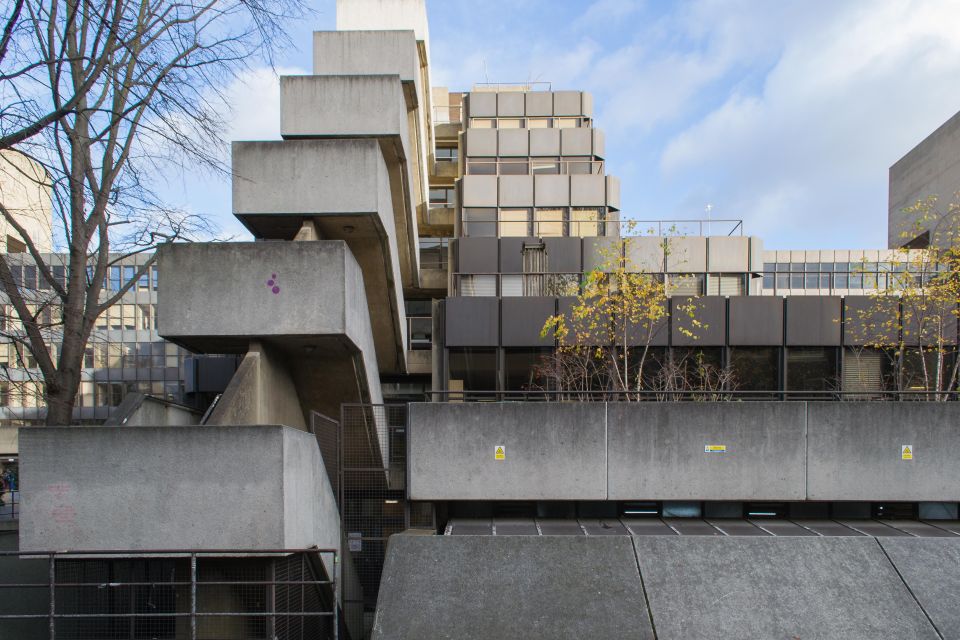
Brutalism can read like a dare. That’s part of the fun here: the tour doesn’t ask you to love it on sight, it asks you to understand why it looks the way it does and what it was trying to do.
I like that the experience treats brutalism as more than style. You’ll connect the material (especially concrete) to engineering logic and to the big cultural questions of the 1960s and 70s, including how modern monumental architecture affected society and the environment.
You should also know the emotional range. You may find yourself staring at these buildings and thinking rugged, fortress-like, almost defiant. Or you may recoil at the massing and repetitive geometry. Either reaction counts as part of the point.
Starting at Russell Square and the Quick Tube Hop
Your meeting point is outside Russell Square Underground Station on the Piccadilly Line. It’s a simple start, and it also sets the tone: this is Central London at street level, not a catalog of isolated photos.
About halfway through the walk plan, the tour uses the tube once for a short journey. Because it’s Zone 1, make sure your transport ticket or credit covers a one-trip ride there. Bring that ticket with you—this isn’t a “paper pass and hope” situation.
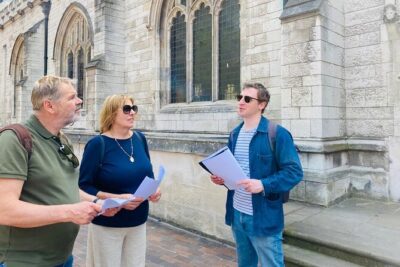
With just 6 people, you’re not shuffled past stops like a herd. The pace stays walkable, and the guide can tailor explanations to the group’s questions—something you’ll feel most if you like architecture history but aren’t sure how deep you want to go.
You can also read our reviews of more walking tours in London



What You’ll See: Key Brutalist Landmarks in Central London
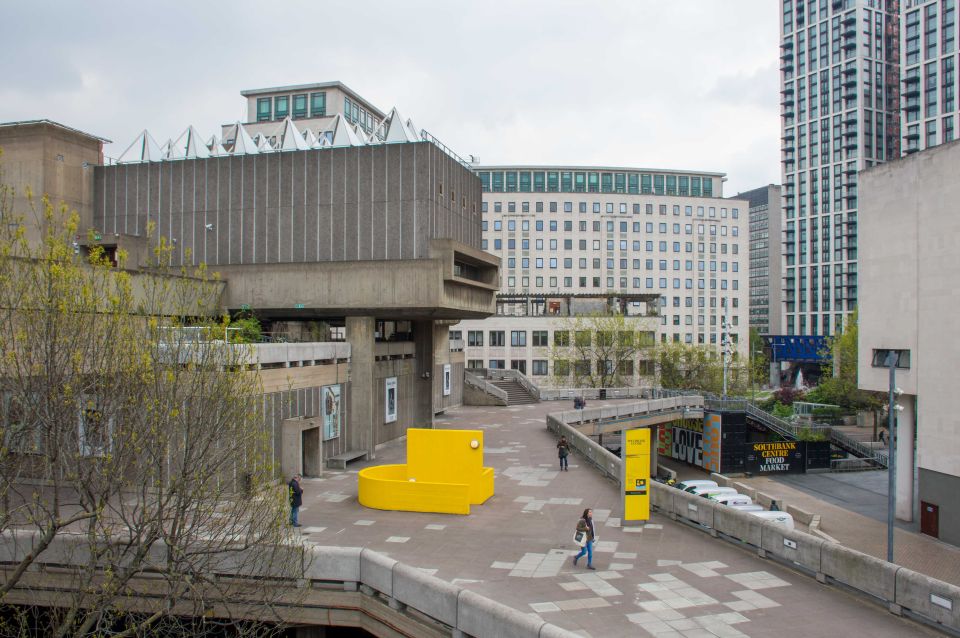
This tour is built around notable brutalist buildings in the heart of the city, plus the “why” behind them. The exact route can vary with conditions, but you can count on major stops tied to London’s most discussed concrete architecture.
Two anchors show up in the tour’s attention: the National Theatre and the Institute of Education. The rest of the route is made of supporting brutalist scenes—other concrete-heavy structures and streets where the style feels like it grew right out of the post-war planning mindset.
Expect lots of time at viewpoints. This is not a speed-run. The guide uses the buildings like living diagrams: you’ll look, pause, and get told what you’re actually seeing—material, massing, and the cultural forces behind it.
National Theatre Stop: A Photo Moment With Real Context
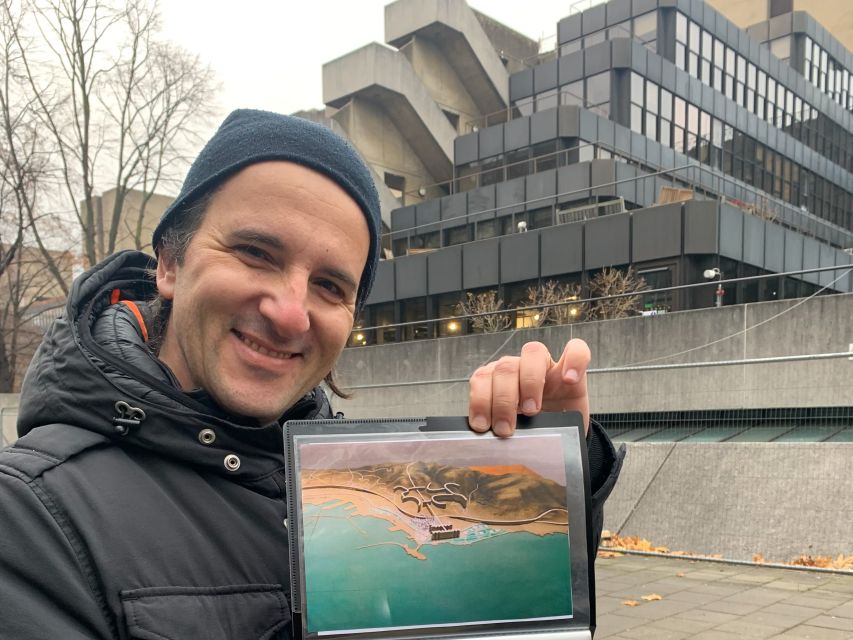
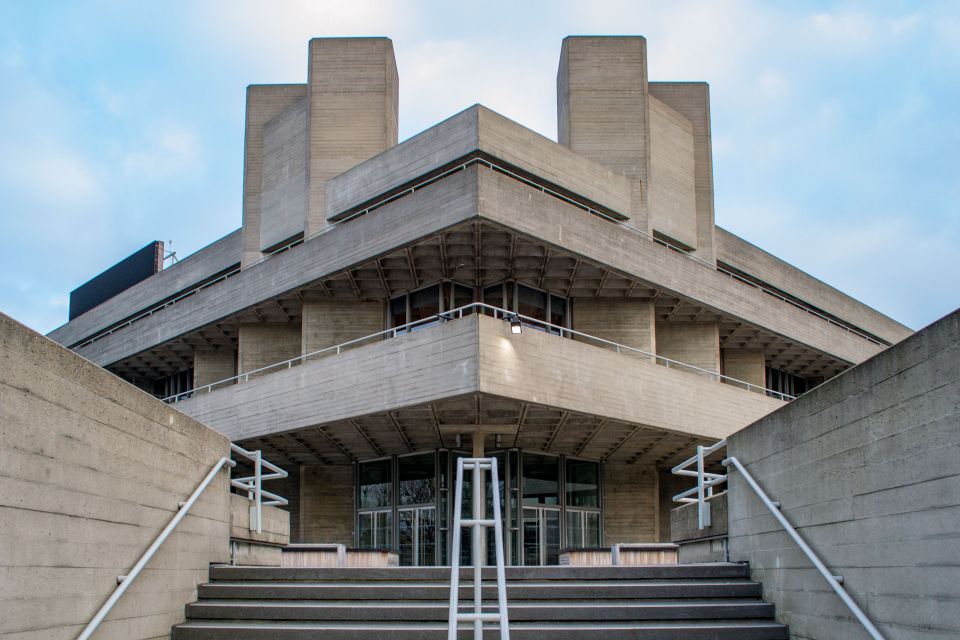
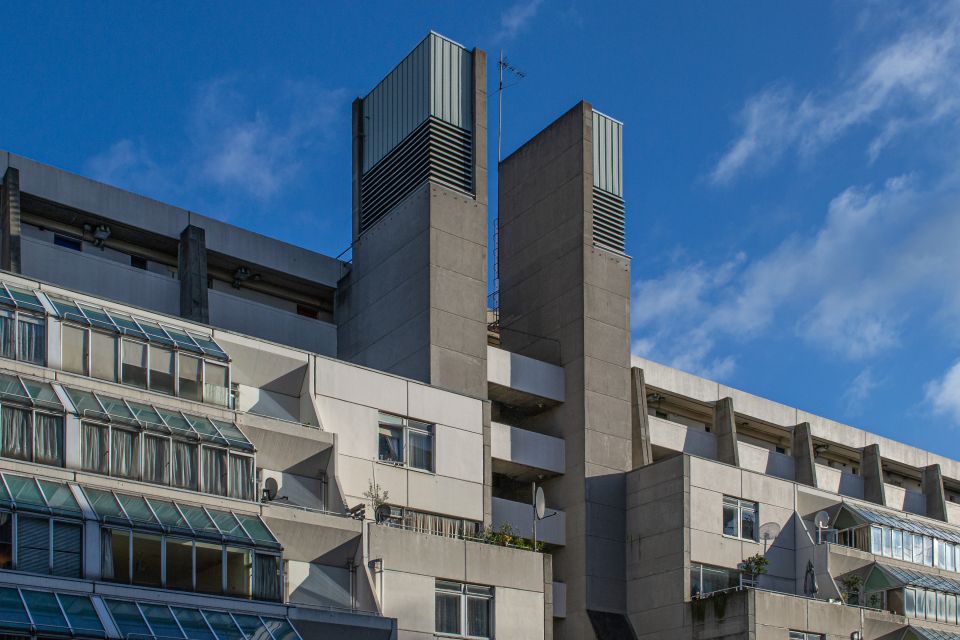
The National Theatre isn’t just a good photo. It’s a perfect example of how brutalism can feel theatrical without being delicate—bold form, strong lines, and a heavy sense of permanence.
This stop works because Evan doesn’t treat it like a trivia card. You’ll hear how the broader post-war environment and shifting cultural priorities influenced why big public buildings ended up so monumental. In other words, the design choices aren’t random or purely aesthetic.
If you’re picky about photography, this stop is a win. You’ll have multiple chances to frame it from angles where the structure reads clearly and the textures of the concrete show up well. Street photography is the main game here, since you won’t be going inside.
Institute of Education: Concrete, Purpose, and Ongoing Debate
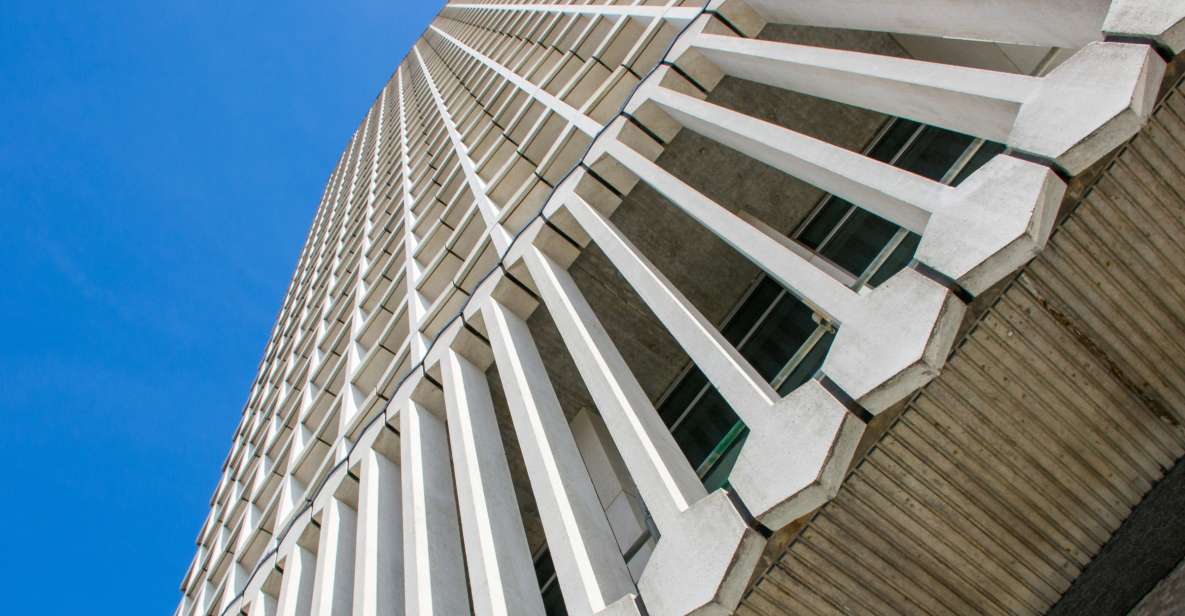
The Institute of Education stop is where brutalism starts to feel like a public statement. You’ll look at the building as both engineering and politics—how it reflects the era’s thinking about space, learning, and civic life.
I like this part of the tour because it connects architecture to decisions that had consequences. You’ll hear about the ongoing struggle among local authorities, preservation societies, and residents on what to do with these buildings going forward. That matters because brutalism wasn’t designed as a static relic; it’s a living part of the city that still needs caretaking.
There’s also a subtle lesson here: a building can be controversial when it opens and still become important later. The tour’s framing makes it easier to see why people argue about reuse, restoration, and what counts as heritage.
The Tour’s Core Lesson: How Concrete and Post-War Events Shaped London
One reason this walk hits is the focus on causal thinking. You’re not just learning what brutalism looks like—you’re learning what pushed it forward.
The guide covers the increased use of concrete in modern architecture and the engineering advantages behind it. You’ll also connect London’s post-war architectural landscape to global events that influenced the city’s rebuilding and cultural direction. The tour also touches the social and environmental impact of modernist monumental architecture, so brutalism isn’t explained as style alone.
I found the approach practical. When you walk away, you understand how to read concrete as a clue. You start noticing not just the surfaces, but the intent behind them: durability, cost and speed pressures, civic ambition, and the era’s belief that big forms could organize modern life.
You can also read our reviews of more historical tours in London


Modernism Beyond the Buildings: The People and the Arguments
Brutalism sits inside a bigger conversation: European modernism and the key figures who shaped its direction. This tour includes that context at a level that won’t feel like a textbook, while still giving you names of ideas and movements to anchor your memory.
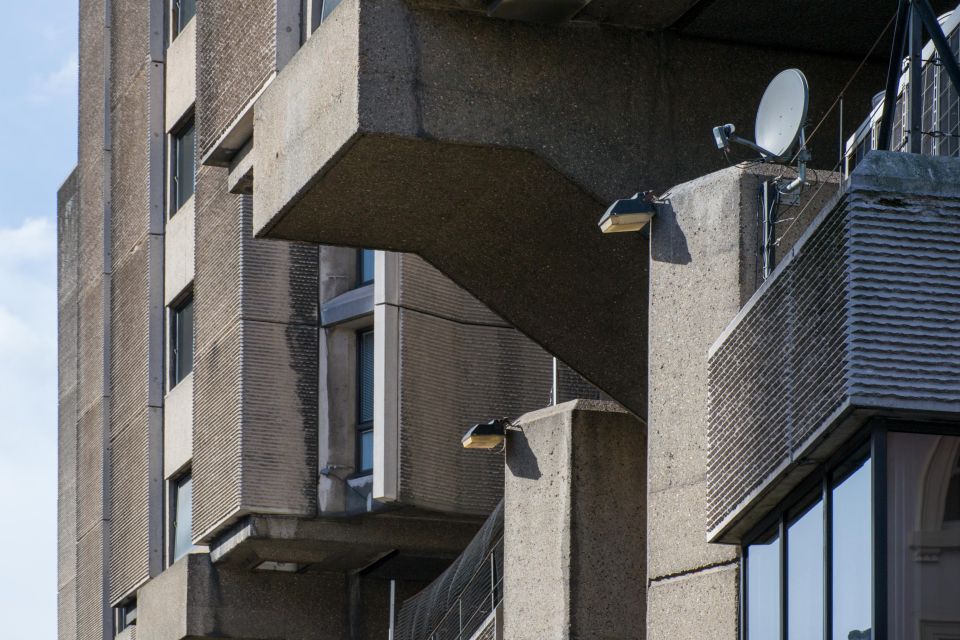
You’ll also hear about the reception and the pushback—how brutalist designs were loved by some and loathed by others. That polarization is part of the history, not a side note. When you see these “urban fortresses” in real life, it makes sense that communities would split on them.
One caution: if you’re the type who loves perfect technical accuracy, keep a critical eye. There was at least one case reported where a specific historical point didn’t match the usual explanation, and another point about a historical figure’s ideology. Most of the experience is strong and engaging, but if you want academic precision, ask questions instead of assuming every detail will match your preferred sources.
How the Tour Works Day-to-Day: Weather, Timing, and Pacing
The tour lasts 2.5 hours, which is a good length for architecture walking without turning into foot-soreness. You’ll cover central neighborhoods and move between stops with enough time at each one to absorb what you’re seeing.
Weather can affect the plan. If conditions are unfavorable, the walk may be postponed or canceled. London weather is London weather, so pack for cool and damp just in case—even if the forecast looks friendly.
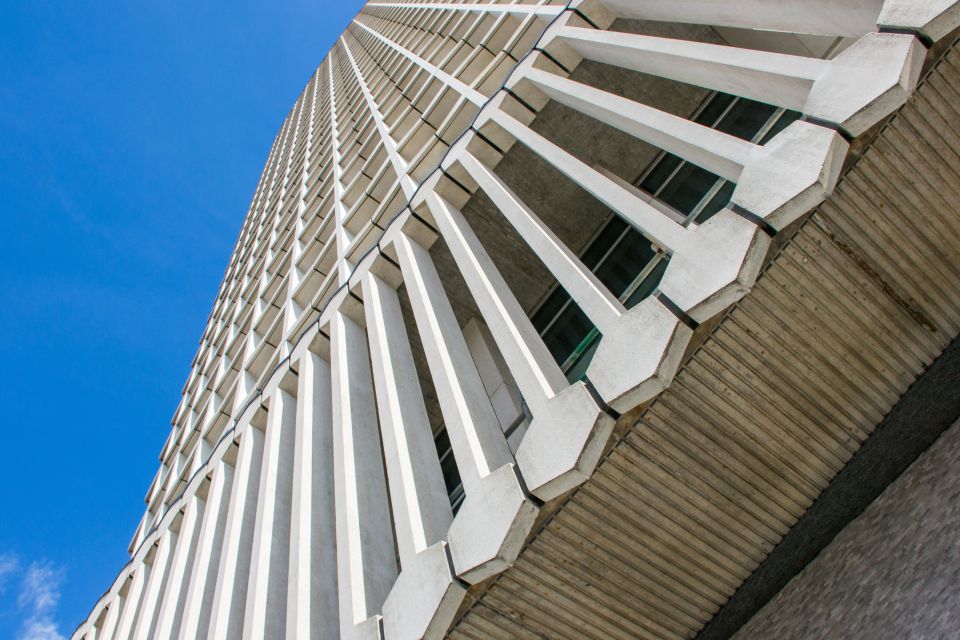
Interiors are not on the agenda. That’s a real consideration. If you’re hoping for a peek into lobbies or lecture halls, this isn’t that tour. You’ll be focused on exterior design cues: massing, texture, and how the building sits in the city.
Price and Value: Why $47 Can Make Sense in London
At $47 per person for a 2.5-hour live guide, this is priced like an efficient, small-group learning experience. In London, architecture tours can cost a lot more—especially when they include premium access. Here, the value comes from concentration: you’re not wasting time, and the guide’s explanations are tuned to the exact buildings you’re standing in front of.
The small group limit (6 participants) matters for value. You get less chance of getting lost in a crowd and more chance to ask why concrete and brutalist massing became the public language of the era.
If you want a quick, high-impact architectural primer—brutalism plus the post-war story—this price-to-time ratio is hard to beat. If you’re searching for deep museum-style detail or interior access, you’ll likely feel like something is missing.
Who This Tour Suits (and Who It Doesn’t)
You’ll love this tour if you:
- Like architecture history, especially modernism and post-war rebuilding
- Enjoy street-level photo opportunities of Central London’s controversial buildings
- Want the “why” behind design choices, not just the what
You might skip it if you:
- Need to see inside buildings to feel satisfied (interiors aren’t visited)
- Travel with children under 16 (not suitable)
- Have mobility impairments (not suitable)
The tour also requires basic transit readiness since it uses the tube once for a short journey in Zone 1. If you’re comfortable with that, the day stays smooth.
Final Call: Should You Book This Brutalist Architecture Walk?
Book it if brutalism makes you curious—or if you can already feel that love-it-or-hate-it reaction brewing and want the context to sort out why. I especially think it’s a smart choice for first-time London architecture watchers who want a fresh angle beyond the usual landmarks.
Skip it if your ideal tour is indoor access, hands-on history, or highly technical construction detail. This experience is about seeing concrete architecture up close and understanding the cultural forces behind it. If that matches your travel style, you’ll walk away with a much sharper way to read London’s streets.
FAQ
Where is the meeting point?
The meeting point is outside Russell Square Underground Station on the Piccadilly Line.
How long is the tour?
The tour runs for about 2.5 hours.
Is this tour mostly walking?
Yes. It’s a walking tour, and it also uses the tube once for a short journey.
Do you visit the interiors of the buildings?
No. The tour does not include interior visits.
What’s included in the price?
The price includes the walking tour and a live guide.
What should I bring?
Bring a public transport ticket. The tour uses the tube once for a short trip in Zone 1, so make sure you have enough credit for that.
Is the tour suitable for children or people with mobility impairments?
No. It is not suitable for children under 16, and it isn’t suitable for people with mobility impairments.
What is the cancellation policy?
You can cancel up to 24 hours in advance for a full refund.
If you want, tell me what dates you’re thinking and what other London sights you like. I can suggest a simple combo plan around this brutalism tour so your day makes sense.