REVIEW · LONDON
London: Sex Pistols and Punk Music Walking Tour
Book on GetYourGuide →Operated by Brit Music Tours · Bookable on GetYourGuide
Punk history lives on these streets. This Sex Pistols and punk music walking tour traces the band’s early years in Soho, with stops tied to their first gig and the rehearsal spaces that shaped their sound. I really like how the route is built around real places you can stand in front of, and I also like the way the guide helps you separate myth from fact instead of repeating the loudest legends.
One thing to keep in mind: it is a 2-hour walk on city sidewalks, so bring comfortable shoes, and if you have mobility impairments, this route isn’t described as suitable.
If you’re the type who enjoys music history when it’s grounded in brick-and-street detail, this tour fits. It’s also a good way to get your bearings in Soho fast, because the story of punk is tangled up with London’s working music world—pubs, rehearsal rooms, and small venues that mattered long before stadium tours.
Key things to know before you go
- Denmark Street and Tin Pan Alley: see where the band honed their sound during the era when London music was changing fast
- Their very first gig: you’ll visit the location tied to the Pistols’ earliest public moment
- 100 Club on Oxford Street: a major stop connected to the first punk festival in 1976
- Sid and Nancy first meeting: a dedicated stop that frames an important early chapter of the story
- Myth vs fact: you’ll get context that helps explain what punk changed, and what got exaggerated
In This Review
- Soho’s Punk Core: Tin Pan Alley on Denmark Street
- The Very First Gig Stop: Seeing Punk’s Starting Line
- Where They Drank, Played, Rehearsed, and Met Sid Meets Nancy
- The 100 Club on Oxford Street and the 1976 Punk Festival
- Myth vs Fact: What the Punk Revolution Actually Changed
- Price and Value for a 2-Hour Soho Walk
- Getting the Most Out of It: Shoes, Timing, and Your Best Prep
- Should You Book This London Sex Pistols Punk Music Tour?
- FAQ
- Where is the meeting point?
- How long is the tour?
- How much does it cost?
- What is included?
- Is the tour in English?
- What should I wear or bring?
- Is this tour suitable for people with mobility impairments?
- Is it refundable if plans change?
Soho’s Punk Core: Tin Pan Alley on Denmark Street
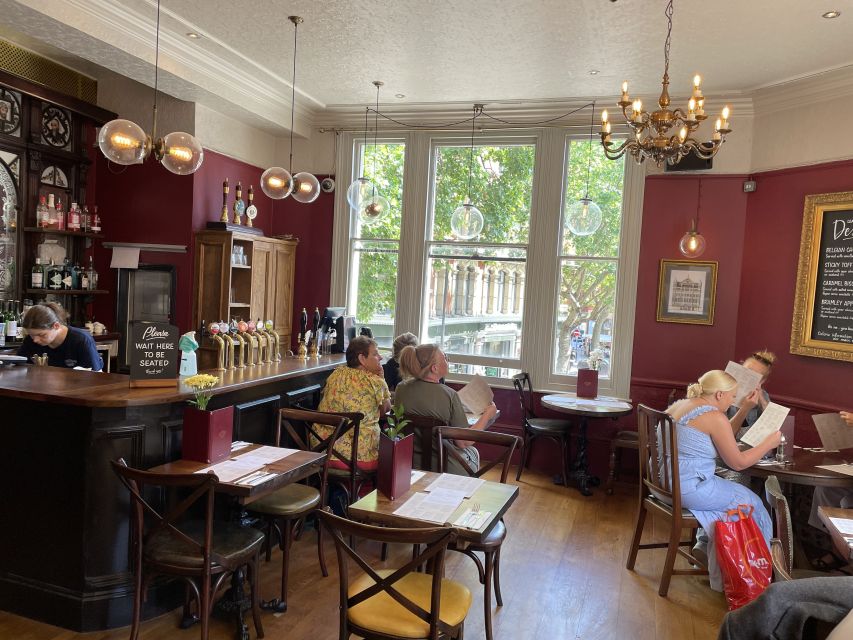
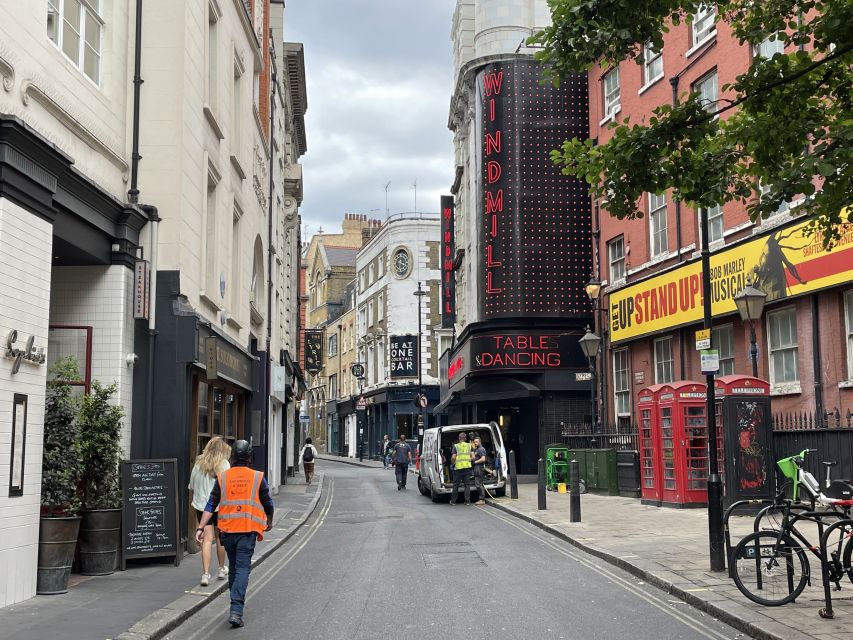
The heart of the tour is Soho, and specifically the area around Denmark Street—often linked with the old-school music trade, where bands, gear, and ideas clustered close together. This is where you slow down and look at the street the way a working musician would have in the late 1970s: not as a postcard scene, but as a place where you could rehearse, network, and chase momentum.
The big draw for me is that the tour points you to the Sex Pistols’ rehearsal space on Denmark Street, described as Tin Pan Alley. That phrase matters. It’s a reminder that punk didn’t appear out of nowhere—it grew from the same London circuits that powered earlier pop and rock. Standing there (or walking past) you can understand why a band could go from local rehearsals to a public impact so quickly.
You’ll also pick up plenty of street-level context about the scene: where the Pistols played, where they rehearsed, and how the area functioned as a creative engine. It’s not just trivia. It helps you connect the band’s attitude to the practical reality of London nightlife—gritty, crowded, and built on small venues and regular people.
A practical note: Soho streets can feel busy even when you’re not moving fast, so pace yourself and keep your eyes up while you listen. This is one of those tours where your comfort directly affects how much you enjoy the storytelling.
The Very First Gig Stop: Seeing Punk’s Starting Line
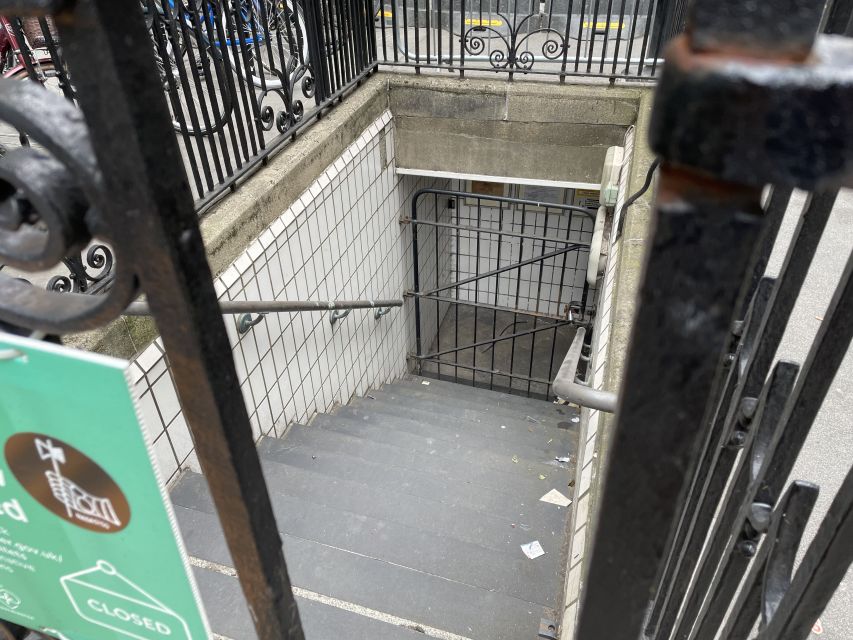
One of the most compelling parts is that the tour includes the Pistols’ very first gig. That’s a powerful kind of visit because it changes how you think about their fame. Instead of picturing instant legend, you’re nudged back to the moment before it all clicked—when the band was trying things, winning attention, and building the reputation that would explode later.
Even if you already know the major milestones of punk rock, a first-gig location tends to do something different. It puts the emphasis on beginnings: the early risk, the early sound, and the early audience. You also get a clearer sense of why the band’s energy felt new at the time. Early performances often show the rough edges and the hunger more than the polished myth.
The tour’s structure makes this stop feel like a key “turning point” in your walk. It’s not just a photo stop. You’re guided through how the early London punk ecosystem worked—who mattered, what conditions helped the Pistols grow, and why certain streets were better stages than others.
If you’re only interested in the biggest, most famous shows, you might find this section more meaningful than you expected. Early moments tend to feel less dramatic on paper, but in the right setting they become the most believable part of the story.
You can also read our reviews of more walking tours in London


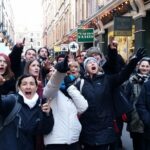
Where They Drank, Played, Rehearsed, and Met Sid Meets Nancy
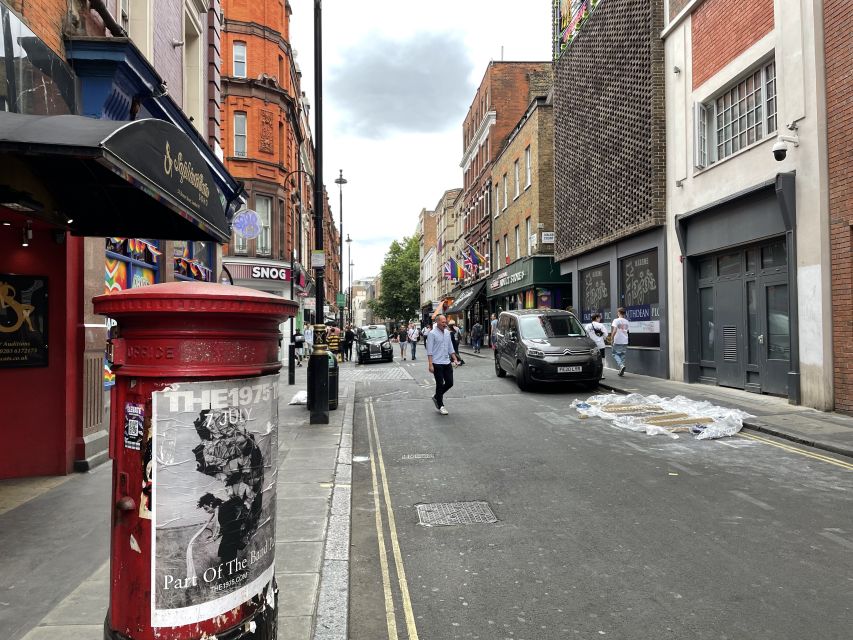
A good punk history tour doesn’t treat the band like a museum exhibit. This one leans into the lived-in details: the places tied to where the Pistols drank, played, and rehearsed, plus an early-life story point about where Sid met Nancy for the first time.
That meeting detail is one of the reasons fans often choose this tour in the first place. The Sid-and-Nancy chapter has been told a lot, but a walking tour forces the story back into geography. You’re not just absorbing headlines—you’re seeing how London’s nightlife layout shaped relationships, friendships, rivalries, and sudden turns.
For you, that means the tour can feel more like following a thread than collecting facts. You start noticing how often the story loops back to Soho: music rooms, late nights, and the kind of venues where emerging bands collide with everyone who’s looking for the next thing.
It also gives the guide a chance to explain context without turning it into a lecture. From the way this experience is described, the guide uses the locations to talk about what the punk world felt like—fast, reactive, and full of characters. That’s where the tone shifts from history class to street storytelling.
One possible drawback: because the tour covers several story beats in a limited time, you may want to write down the names of places you’d like to visit again later. The walk is focused, not exhaustive, so treat it like a smart kickoff rather than the final word.
The 100 Club on Oxford Street and the 1976 Punk Festival
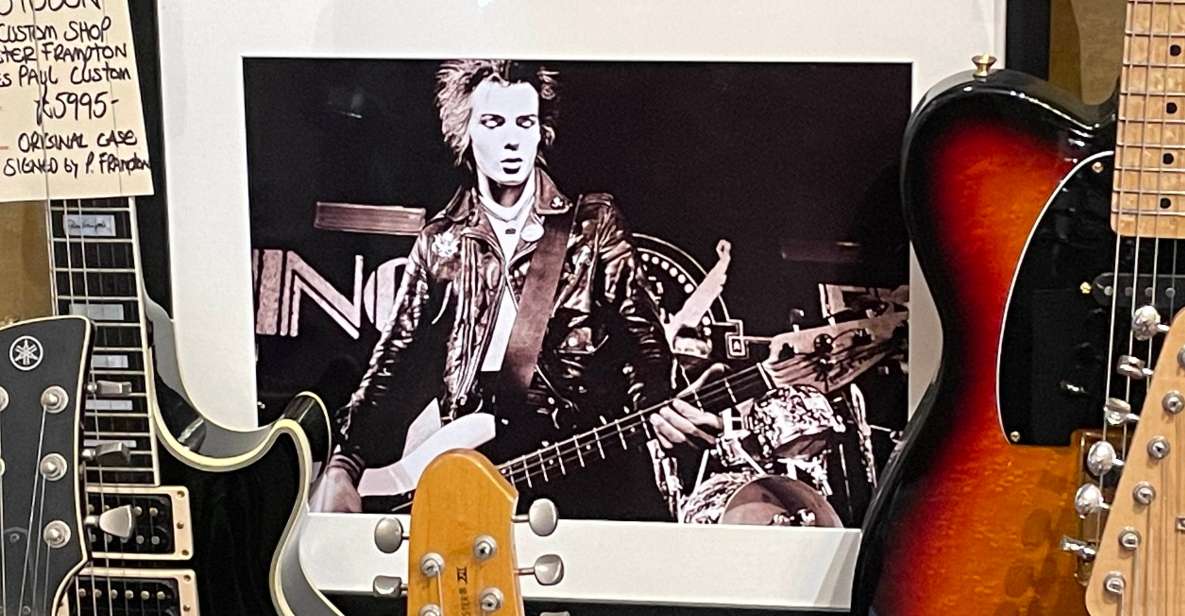
If you want one stop that gives you a clear sense of punk becoming an event—not just a scene—this is it. The tour includes the 100 Club on Oxford Street, tied to the first-ever punk festival in 1976, headlined by the Sex Pistols.
This is where the tour’s value becomes obvious for first-timers and long-time fans alike. Festivals take a local idea and turn it into a public movement. When you connect the Pistols to that 1976 moment, you see the pathway from underground energy to national attention.
The 100 Club stop also helps you understand what punk offered beyond a sound. It was a kind of social signal. A festival headlined by the Pistols suggests momentum and visibility at the exact moment punk needed legitimacy in public spaces—especially in a city where new trends often had to prove themselves quickly.
For you, this stop is a great time to slow down and just look around. Oxford Street is familiar on many itineraries, but this tour reframes it. It turns a shopping-area perception into a scene-of-history perception.
If you’re doing other London music visits the same day, this is a strong anchor. It gives you a real timeline marker: 1976, the first punk festival, and a venue that carries more meaning than its walls alone.
Myth vs Fact: What the Punk Revolution Actually Changed
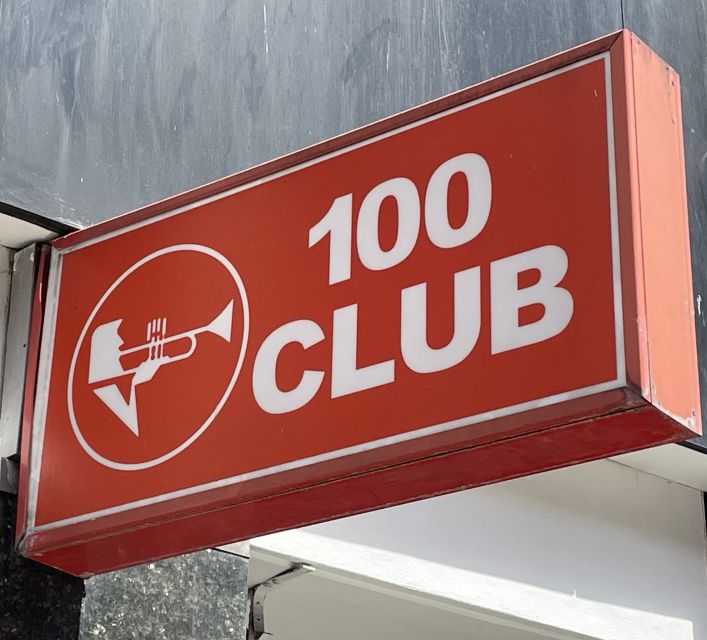
The tour’s promise isn’t only location hunting. It also aims to separate myth from fact about the punk revolution. That’s a big deal, because punk history is famous for exaggerations. Stories get simplified, characters become symbols, and timelines get stretched.
A myth-busting segment helps you do two useful things. First, it lets you understand what punk changed in practical terms—how it altered attitudes, aesthetics, and the idea of who gets to make music. Second, it helps you spot which parts of the legend are driven by real events versus later retellings.
This is where a good guide can make the experience feel less like a walking map and more like a guided sense-making session. The best moments tend to be the ones where you leave thinking in patterns, not just dates. You start asking questions like: Why did this venue matter? Why did Soho shape the band? Why did certain stories stick?
From the way guests describe the guide experience, the tone is entertaining and focused, with humor mixed into the facts. That matters, because punk history can get heavy if you stick only to tragedy or only to hype. Balanced context keeps it honest and readable.
Price and Value for a 2-Hour Soho Walk
At $31 per person for about 2 hours, this tour lands in the “small spend, big payoff” category. Walking tours are often priced by time and guide quality, and here you’re buying both a guided story and a route through places tied to the Sex Pistols’ early rise.
What makes the value feel fair is that the stops aren’t generic London music landmarks. You’re led to Denmark Street’s Tin Pan Alley connection, the band’s very first gig, the 100 Club’s punk festival tie-in, and the Sid-and-Nancy first-meeting story point. That’s a concentrated set of meaningful anchors in a short time window.
I also like that the tour is explicitly described as in English with an expert guide. When you’re dealing with punk history, language clarity matters. You want to catch nuance, not just slogans.
Two-hour tours can feel short if you’re expecting long pauses and deep museum-level detail. But for most people—especially if you’re pairing this with other Soho exploring—that time length is exactly right.




Getting the Most Out of It: Shoes, Timing, and Your Best Prep
This tour is built for walking, so your main prep is simple. Wear comfortable clothes and comfortable shoes. Soho sidewalks can be uneven, and you’ll likely want to move when the guide signals the next stop.
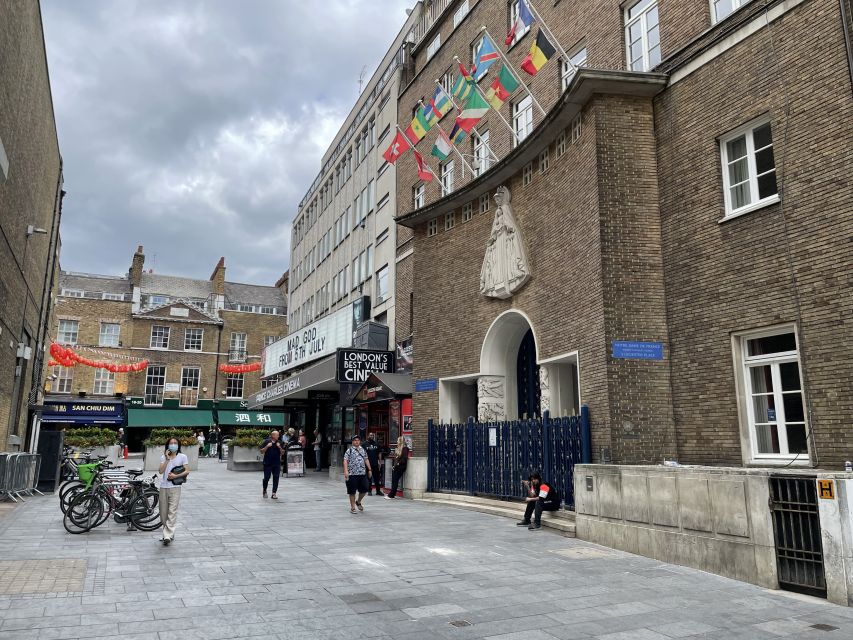
For timing, you’ll meet the guide outside Exit 1 of Tottenham Court Road Underground Station, and it’s recommended you arrive at least 10 minutes early. That buffer helps you settle, use the station area if you need a quick restroom break, and avoid starting the tour stressed.
If you want to get extra enjoyment, do a tiny bit of prep at home. Browse one or two basic timelines of the Pistols so you can connect the walk to the bigger story arc. You don’t need to become an expert before you go. You just want enough background to recognize when a stop is describing an early chapter versus the later headlines.
Who is this best for? If you’re a Sex Pistols fan, it’s an obvious choice. If you’re curious about the punk era in general, it still works, because the tour frames punk as a London street phenomenon, not just a band biography.
Should You Book This London Sex Pistols Punk Music Tour?
I’d book it if you want punk history with a sense of location. The Denmark Street Tin Pan Alley connection, the stop tied to their very first gig, and the 100 Club link to the first punk festival in 1976 create a route that feels like a real timeline. Add in the myth-vs-fact framing, and you get more than surface entertainment.
Skip it if you dislike walking tours or you need accessibility accommodations not described as supported here. Also skip it if you’re looking for a long, slow, museum-style experience. This is meant to move—two hours, street by street.
If your plan is to spend time in Soho anyway, this tour is a strong way to turn that time into story. It gives you something you can carry with you the next time you pass these streets, because you’ll know what happened there and why it mattered.
FAQ
Where is the meeting point?
Meet your guide outside Exit 1 of Tottenham Court Road Underground Station. Please arrive at least 10 minutes prior to the tour.
How long is the tour?
The tour lasts 2 hours.
How much does it cost?
The price is $31 per person.
What is included?
An expert guide is included.
Is the tour in English?
Yes, the live tour guide provides the tour in English.
What should I wear or bring?
Wear comfortable shoes and comfortable clothes.
Is this tour suitable for people with mobility impairments?
The tour is described as not suitable for people with mobility impairments.
Is it refundable if plans change?
There is free cancellation, with cancellation allowed up to 24 hours in advance for a full refund.