REVIEW · LONDON
London: Tate Modern Official Guided Tour
Book on GetYourGuide →Operated by Tate · Bookable on GetYourGuide
One hour at Tate Modern can reset your view. I like how the expert guide turns unfamiliar modern art into something you can actually follow, and I love the way the tour uses the Turbine Hall and gallery layout to orient you quickly. The catch: it’s only 1 hour, so if you want to linger on every work, you may feel a little rushed.
If you’re visiting Tate Modern for the first time, this is a smart way to get your bearings fast and build context for what you’ll see on your own afterward. You’ll move through major collections spanning modernism from the early 1900s to works created more recently, with time given to paintings, sculptures, and other media. Based on guide feedback, the best part is often the human one: clear explanations and real enthusiasm, like named guides such as George and Maurizio, who helped people understand both the art and the setting around it.
In This Review
- Key Highlights You’ll Notice Right Away
- Why Tate Modern’s Official Tour Feels Like a Shortcut to Context
- Starting at the Turbine Hall Ticket Desk (Level 0) and Getting Oriented
- What You Actually See in 60 Minutes of Tate Modern
- The Architecture and History Angle That Changes Your Perspective
- The Guide Quality Is the Main Attraction
- Price and Value: Is $26 for an Hour Worth It?
- Who Should Book This Tour (and Who Might Want Something Longer)
- Before You Go: Small Things That Prevent Big Frustration
- Should You Book This Tate Modern Official Guided Tour?
- FAQ
- How long is the Tate Modern official guided tour?
- Where do I meet the guide?
- What is the price per person?
- Is the tour guided in English?
- Is there a bag search at the entrance?
- Can I join the tour if I arrive late?
- What is the cancellation policy?
- Is it possible to reserve and pay later?
Key Highlights You’ll Notice Right Away
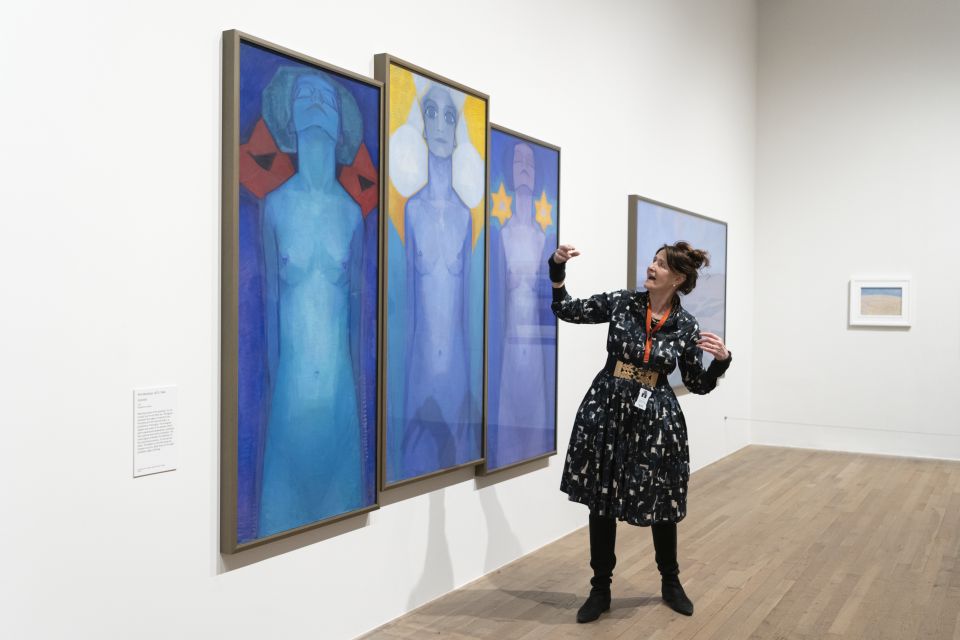
- Official, guided pacing: you cover the museum’s main beats in just 60 minutes without getting lost.
- Modern art context, not just facts: you learn how themes and periods connect across the collection.
- Turbine Hall orientation: starting at Level 0 helps you understand the building’s flow immediately.
- Architecture and history stories: the tour links the gallery space to what you’re seeing inside.
- A guide who engages: some guides ask about favorites and shape the walkthrough around your interests.
- Short but inspiring: the tour is repeatedly praised for its impact, even when people wished it ran longer.
Why Tate Modern’s Official Tour Feels Like a Shortcut to Context
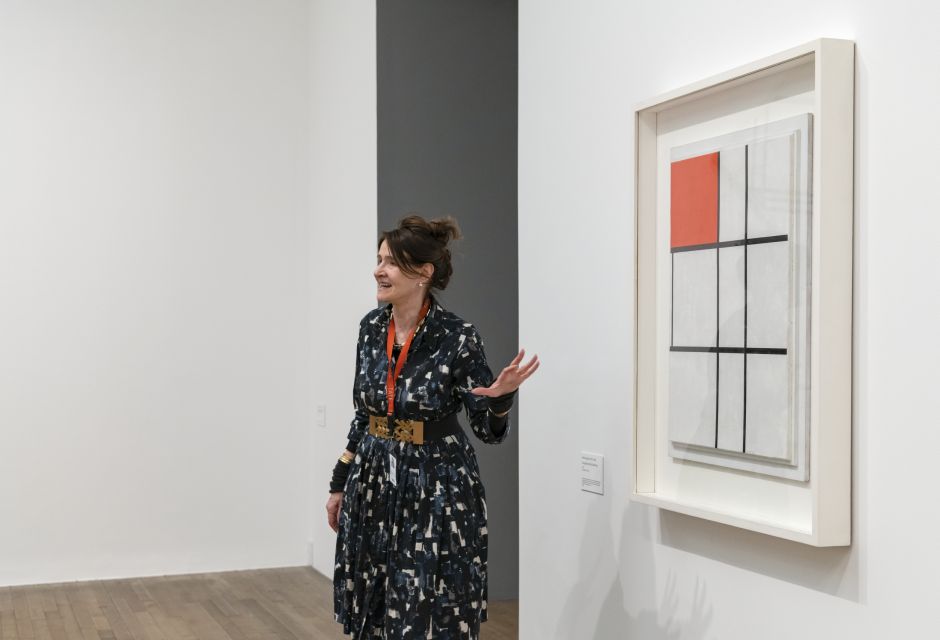
Tate Modern can feel like a lot if you walk in cold. The collection jumps across styles, eras, and countries, and modern art often resists the quick answers you get from older, more familiar museums. This is where an official guide earns their keep. In this 1-hour format, the goal isn’t to cover everything. It’s to help you see the key threads—so later, when you wander freely, your brain has hooks to hang the details on.
What I like about this tour is the balance. You’re not stuck in a lecture, and you’re not left alone with a wall label hoping you’ll magically decode it. Instead, you get an expert’s framing while you’re physically moving through galleries. That matters, because modern art can change meaning based on surrounding works, light, and the way the space is arranged.
There’s also a practical psychological win here. Multiple reviews mention that the tour gave people confidence to explore on their own afterward. That’s a real value, especially if Tate Modern is one of several big stops on your London plan. You don’t have to “figure it out” first; you learn how to look, then you keep going.
And yes, the enthusiasm is part of the package. Named guides like George and Maurizio are highlighted for combining strong knowledge with an engaging delivery. When the guide talks like they actually enjoy what they’re showing you, the art feels less like homework and more like a conversation.
You can also read our reviews of more guided tours in London



Starting at the Turbine Hall Ticket Desk (Level 0) and Getting Oriented
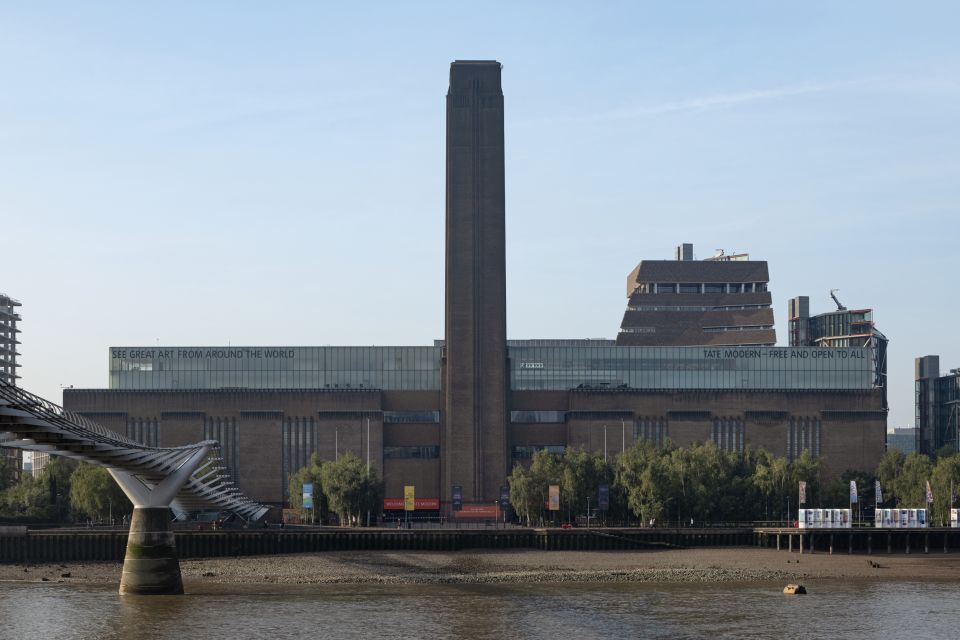
Your tour start point is specific: meet at the ticket desk in the Turbine Hall, Level 0. That’s not a random detail. The Turbine Hall is the kind of space that makes you stop walking and look up. It’s also the most helpful place to begin because it acts like the museum’s central junction.
Arriving on time matters here. There’s a bag search in operation at the entrances, and it won’t be possible to join the tour if you arrive late. So I’d treat this like a timed museum appointment, not like casual sightseeing. Give yourself a small buffer for the security check so you don’t end up outside the group when you’re ready to go in.
One more tip that saves energy: use the Turbine Hall entrance as your go-to. The tour information points you to it as the best option, and that aligns with how the museum’s flow works once you’re inside. When you start the tour at the main hub, it’s easier to follow the route your guide sets and easier to remember where you are later when you want to explore on your own.
What You Actually See in 60 Minutes of Tate Modern
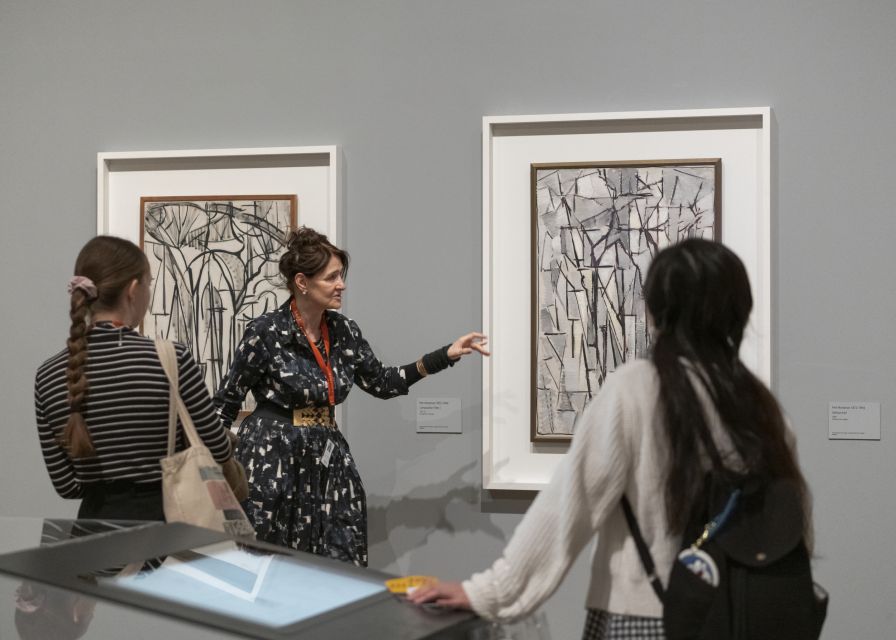
The tour is built around the museum’s main collections, with the emphasis on must-see pieces and the context around them. You’ll walk through galleries that cover more than a hundred years of art—moving from early 1900s modernism to works produced in today’s art world.
In a one-hour tour, the guide has to make choices. That’s why you should think of this tour as an overview that teaches you how to pick your next priorities. You get paintings, sculptures, and other formats, but the point is selection and explanation. You won’t see every corner of the museum, and you shouldn’t expect a slow, page-by-page reading of every artwork.
Instead, you’ll get guided momentum. Guides often structure these kinds of tours by theme or by how certain works shift from one era’s ideas to another. That’s exactly what helps when modern art can otherwise feel disconnected. When the tour stitches the periods together for you, it’s easier to notice patterns in your own time after the tour ends.
Another thing to note: people consistently call out how the tour offered “more than expected” and even made them want to stay longer. The “why” is usually simple. The guide doesn’t just identify what you’re looking at. They place it in context, then you react while standing in front of it. That’s the key difference between reading about art later and learning it in real time.
If you’re hoping for hands-on experiences, this isn’t that kind of activity. It’s a museum tour, so the action is mainly walking, looking, and listening. The payoff comes when the guide helps you interpret what you’re seeing before you move on.
The Architecture and History Angle That Changes Your Perspective
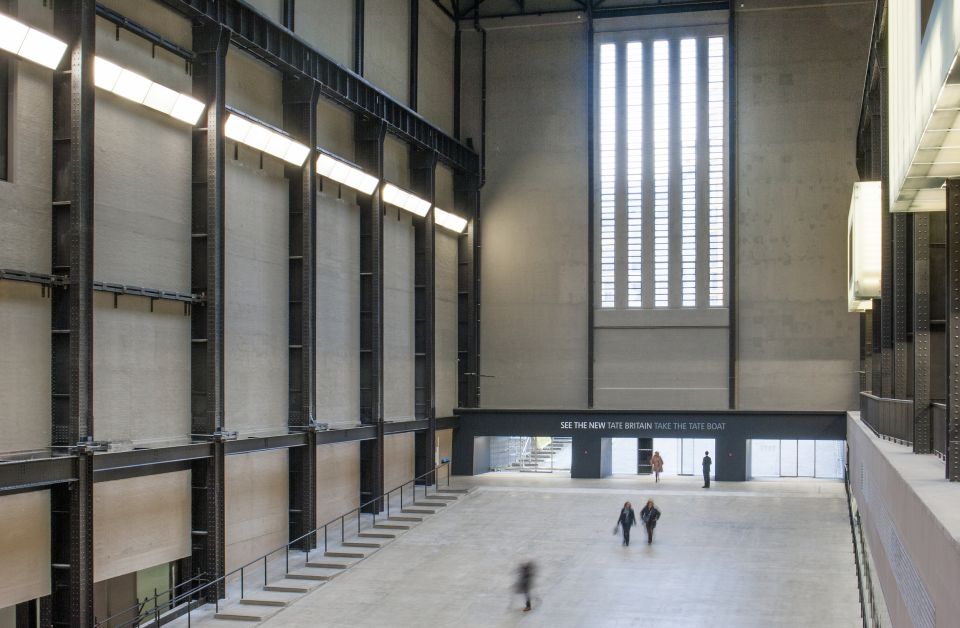
A big part of the tour experience is the storytelling around Tate Modern itself—the architecture and the history behind the space. Even if you consider yourself a casual art fan, that piece can be the bridge that makes modern art feel less intimidating.
Starting in the Turbine Hall helps because it immediately tells you the museum is more than a room of artworks. It’s an environment. The guide’s comments about how the building and its galleries relate to the collection give you a way to “read” the setting. Once you understand the museum’s layout and how the spaces guide your movement, the whole experience feels more intentional.
What’s praised in feedback, and what I think you’ll feel during the tour, is the connection between artwork and setting. When a guide shares little-known facts about the gallery’s history and architecture, it changes the way you watch your own reactions. Instead of just evaluating art as style or subject, you start noticing how display choices shape meaning.
You also get a timeline in motion. The collection spans early modernism into the modern day, and the tour helps you connect eras instead of treating them like separate worlds. That can be surprisingly motivating if you’ve ever left a museum feeling like you saw a lot but understood little.
The Guide Quality Is the Main Attraction
Let’s be honest: in a guided museum tour, the guide is the show. Here, the feedback is consistent—guides are repeatedly praised for strong command of the material and their ability to explain context in a way that sticks.
You’ll notice this in small ways. People mention the guide’s passion and enthusiasm, and they also mention that the guide helped them understand not just the specific works on the route, but modern art in general. That matters if you don’t already have a personal framework for reading modern art. The best guides build a framework while you’re walking.
There’s also evidence of a more human style. One review mentions the guide asked about favorites and added extra information based on those reactions. That sort of interaction can make the tour feel tailored, even though you’re in a group. If the guide asks you what you like, answer. It keeps you engaged and helps the guide choose the next explanation that lands with your interests.
Named examples matter here because they show consistency in guide quality. George and Maurizio are both called out by name in feedback as examples of guides who guided groups effectively through the Tate Modern experience.
If you’re the kind of visitor who thinks you’ll only enjoy art if someone makes it make sense, this tour is built for you. If you already love modern art, you’ll still likely appreciate the way the guide points out connections and context you might skip on your own.




Price and Value: Is $26 for an Hour Worth It?
At $26 per person for 1 hour, the ticket price isn’t the cheapest thing on your London list. But value isn’t only about time or cost—it’s about how much meaning you squeeze into the visit.
Here’s how I see the value:
- You’re paying for an expert guide and an official route through the main collection areas.
- You get context that you’d otherwise need to research before you arrive or figure out slowly on your own.
- The tour helps you make smarter choices after the guided part ends, which can stretch your whole museum day.
In other words, you’re buying compression. Instead of spending your first hour trying to decode the museum, you get a guided framework immediately. Then you can use that framework during the rest of your Tate Modern time, or even during later museums and art stops in London.
The only financial caution is also the main tour caution: it’s short. If you’re the kind of person who always wants extra time in front of artworks, this won’t replace a longer self-guided visit. It’s a strong starter, not a full meal.
Who Should Book This Tour (and Who Might Want Something Longer)
This tour fits best if you’re:
- Interested in modern art but want a roadmap for what matters and why.
- Visiting Tate Modern as part of a tight itinerary and want to see the highlights with context.
- Traveling with mixed art interest—some people love art, others just want a smart activity that doesn’t feel like homework.
It can also suit first-timers who feel intimidated by the variety of styles in modern art. Several comments point out that the tour helped people understand modern art more generally, and that’s exactly what you want early on.
Who might reconsider? If you’re planning to go extremely slowly through galleries, this one-hour format may feel too quick. Some feedback specifically mentions the wish for a longer or more comprehensive tour. That doesn’t mean the current tour is weak—it means your priorities may require more time than a guided snapshot.
Before You Go: Small Things That Prevent Big Frustration
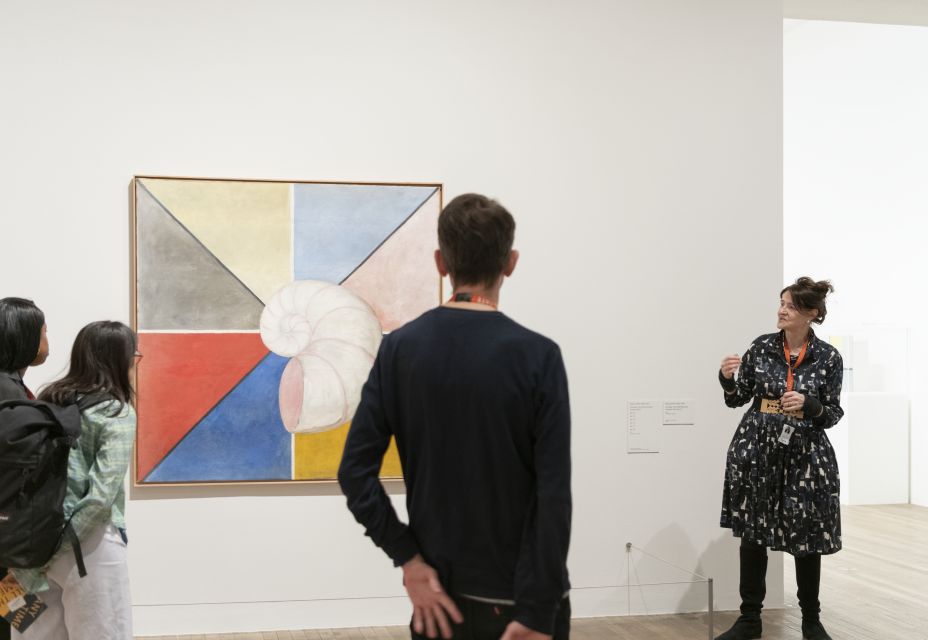
Do these and your visit will feel smooth:
- Go to the Turbine Hall, Level 0 ticket desk and plan arrival early enough for the bag search.
- Don’t plan to trickle in right before the tour starts. Late entry isn’t allowed for joining the tour.
- If you care about specific themes or artists, jot down a couple of questions you’d like the guide to address. You may not get everything, but you’ll engage more during the walk.
Also, pack smart. The tour is inside a major museum with security checks. Keep your bag simple and easy to search.
Finally, decide what success looks like for you. If success means learning how to interpret modern art while getting a highlight route, you’ll likely love it. If success means slow contemplation in every gallery, you’ll probably want to pair this tour with extra self-guided time afterward.
Should You Book This Tate Modern Official Guided Tour?
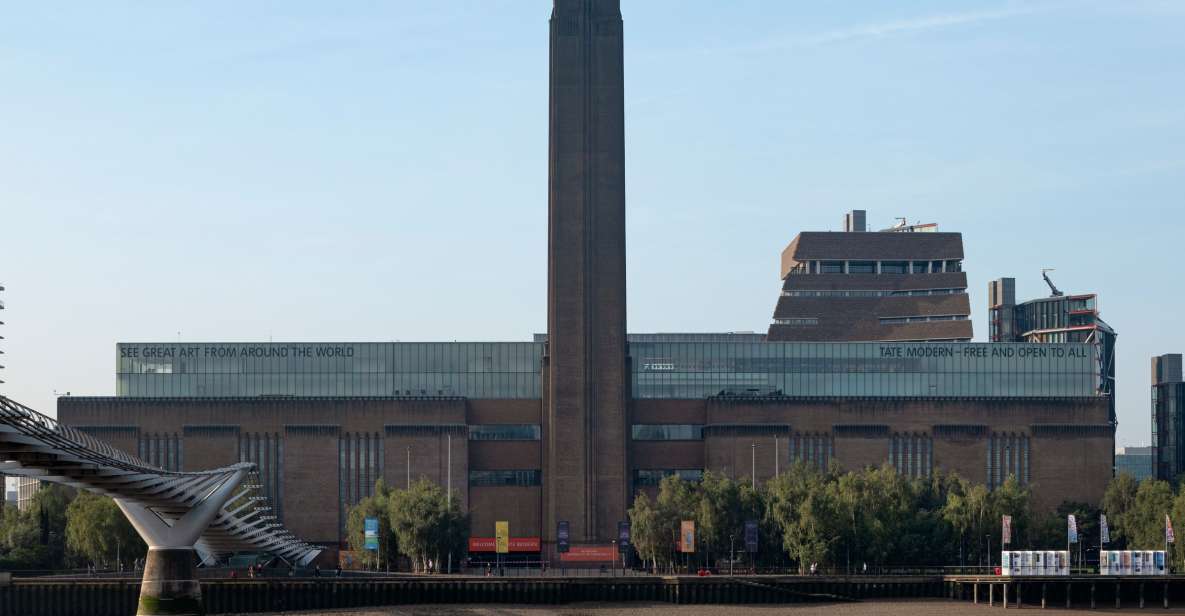
Yes—if you want a confident, context-rich first pass through Tate Modern, booking makes sense. For $26 and 1 hour, you’re buying expert framing, architectural and historical color, and a guided path through paintings and sculpture across major eras of modern art.
I’d book it if:
- You’re visiting with limited time.
- You want the art explained in plain, usable terms.
- You like the idea of walking first and learning as you go.
I’d think twice if:
- You plan to spend most of your day lingering in galleries and dislike timed activities.
- You already know the collection well and want a deep, work-by-work session.
If you’re on the fence, consider this the best kind of warm-up: it teaches you how to look, then it leaves you free to enjoy the museum at your own pace.
FAQ
How long is the Tate Modern official guided tour?
The tour lasts 1 hour.
Where do I meet the guide?
Meet your guide at the ticket desk in the Turbine Hall, Level 0.
What is the price per person?
The price is $26 per person.
Is the tour guided in English?
Yes, the live tour guide is in English.
Is there a bag search at the entrance?
Yes, a bag search is in operation at the entrances.
Can I join the tour if I arrive late?
No, it isn’t possible to join the tour if you arrive late.
What is the cancellation policy?
You can cancel up to 24 hours in advance for a full refund.
Is it possible to reserve and pay later?
Yes. You can reserve now and pay later.