REVIEW · LONDON
National Gallery Tour in Spanish
Book on Viator →Operated by Tour Londres · Bookable on Viator
Paintings come alive in Spanish. This National Gallery tour in Spanish pairs museum tickets with a Spanish guide, threading European art from 1250 to the early 1900s through works you’ll actually remember. I like that the price covers entry, so you spend less time sorting logistics and more time looking closely. One thing to factor in: there’s no wireless system or audio, so you’ll want to stay near the guide if you’re sensitive to sound or pace.
You’ll meet at the National Gallery Shop and start at 4:00 pm, finishing back at the same spot after about 2 hours 30 minutes. The group stays small (up to 20), and you get a mobile ticket, which makes arrival faster when the museum is busy.
In This Review
- Key highlights to look for
- Price and logistics: what your $25.98 really buys
- Entering the National Gallery with a plan (not a checklist)
- The heart of the tour: the paintings you’ll see and why they matter
- Jan van Eyck: Arnolfini Marriage
- Botticelli: Venus and Mars
- Leonardo da Vinci: The Virgin of the Rocks
- Velázquez: The Venus in the Mirror
- Vincent van Gogh: The Sunflowers
- And more
- How the Spanish guide changes the experience (and what to do if you’re not fluent)
- Group size, timing, and pacing: how to avoid art-museum fatigue
- What’s included, and what’s not (so you don’t get surprised)
- Who this tour is best for (and who might want a different plan)
- Book or skip? My take on value and fit
- FAQ
- What language is the guide?
- Where does the tour start?
- When does the tour start?
- How long is the tour?
- What’s included in the price?
- Is an audio guide included?
- Is a wireless system included?
- Do I get a mobile ticket?
- How big is the group?
- Can I cancel for free?
Key highlights to look for
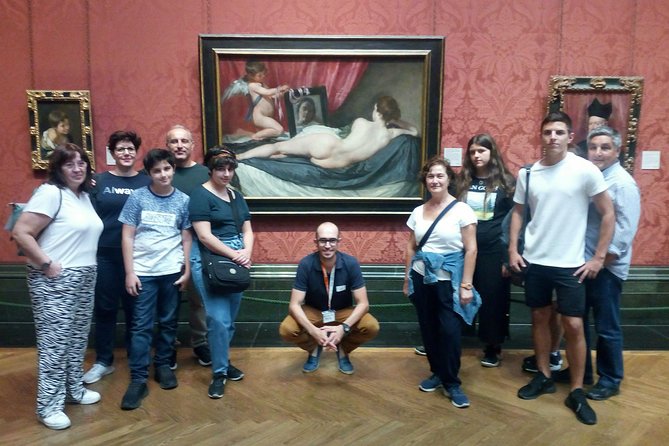
- A Spanish guide with a clear art story: you’re not wandering alone.
- Museum tickets included in the price: fewer steps before you start viewing.
- A focused run from early Renaissance to Van Gogh: big names, connected themes.
- Small group size (max 20): easier to hear and ask questions.
- No audio or wireless system: plan to stay close to the guide.
Price and logistics: what your $25.98 really buys
This tour costs $25.98 per person, and that number matters because museum tickets are included. In London, entry fees and separate ticket lines can quietly add stress. Here, you’re paying for a guided visit plus access, which is usually better value than doing museum entry on your own and then trying to piece together what to see.
The practical details are straightforward. You’ll start at the National Gallery Shop (The National Gallery, London WC2N 5DN) at 4:00 pm, and the tour wraps back at the same meeting point. With a 2 hours 30 minutes length, you get enough time to look and learn, without feeling like you’re stuck in a long lecture.
One caution for your expectations: this is not an audio-headphone experience. Audio guide and wireless system are not included, so you’ll rely on your own listening and the guide’s volume. If you know you struggle in noisy groups, this is the part to plan around.
You can also read our reviews of more museum experiences in London



Entering the National Gallery with a plan (not a checklist)
The National Gallery is one of the UK’s best-known art stops, and the hardest part is often deciding where to look first. This tour helps because it organizes the visit around European painting’s major shifts over several centuries, from the early 1200s/1300s roots up toward the beginning of the 20th century.
What I like about this format is that it’s built for momentum. You’re guided through landmark works rather than sent “go enjoy the museum.” That matters because the National Gallery can feel endless if you don’t have a route in your head.
The group limit (up to 20 travelers) also makes the experience more workable. In a smaller group, you can get closer to the artworks and the guide without being constantly bumped around.
The heart of the tour: the paintings you’ll see and why they matter
Even with a guided route, the tour’s real value is what each chosen artwork teaches you. The tour focuses on major European painters, and you’ll see works such as:
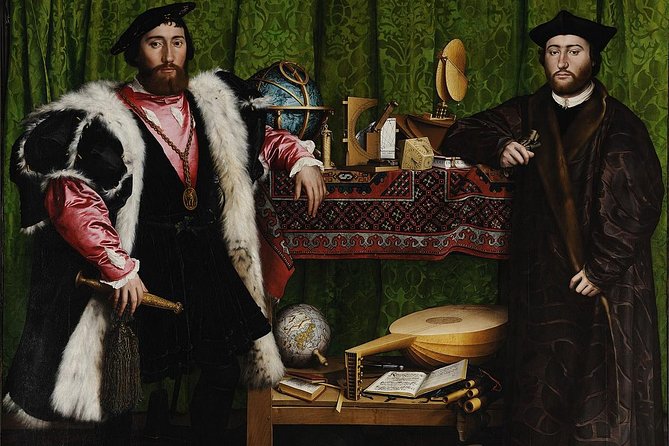
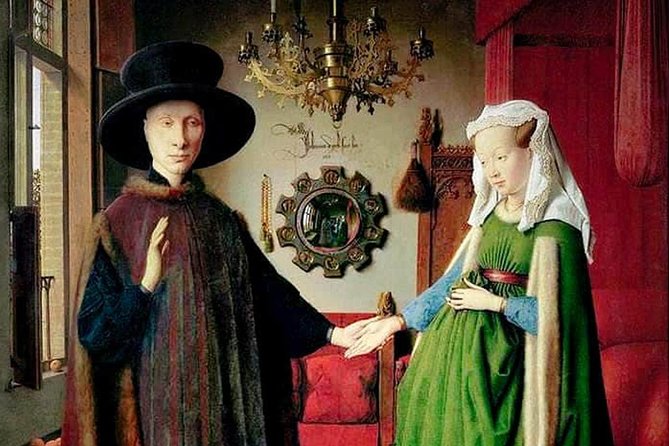
Jan van Eyck: Arnolfini Marriage
Jan van Eyck is the kind of artist that makes people slow down. In a guided setting, you’re not just staring at a painting; you’re learning how to read it. With The Arnolfini Marriage, the big payoff is understanding why this period’s art feels so detailed and intentional.
This kind of work is a great “anchor” early in the tour. It sets expectations for how observation changes with time: early Renaissance painters often reward close looking, and your guide helps you not miss the details that make the painting special.
Botticelli: Venus and Mars
Botticelli tends to bring stories, symbols, and mythology into an art museum world that might otherwise feel only solemn. Venus and Mars is a smart stop because it connects beauty with narrative. You get to see how mythological themes shaped European painting, and how artists used figures and gestures to carry meaning.
If you’ve ever felt like myth scenes are hard to follow, a Spanish guide can help you track the story beats and the visual cues without needing a separate guidebook.





Leonardo da Vinci: The Virgin of the Rocks
The Virgin of the Rocks is a natural turning point in a tour covering centuries. Leonardo’s work sits at the crossroads of scientific-looking observation and spiritual storytelling. Having a guide in Spanish is useful here because the explanations are often about how composition and expression work, not just who painted it.
This is the kind of painting where your brain can go from wow to, wait, how did they do that. A guided visit helps you notice features you might otherwise walk past.
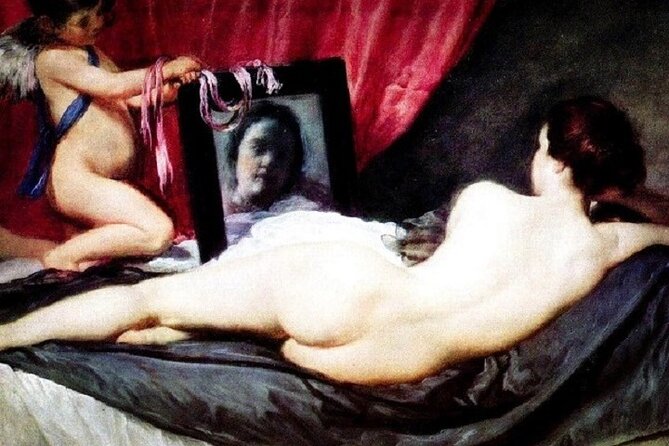
Velázquez: The Venus in the Mirror
The Venus in the Mirror is one of those paintings that makes you question what you thought you knew about “classical” subjects. With a guide, you can connect the dots between realism, illusion, and what the artist is doing with reflection and gaze.
If your favorite part of art is how artists play with perception, this stop usually lands well. It’s also a good reminder that European art doesn’t just evolve in one direction; it also changes how painters make you look at looking.
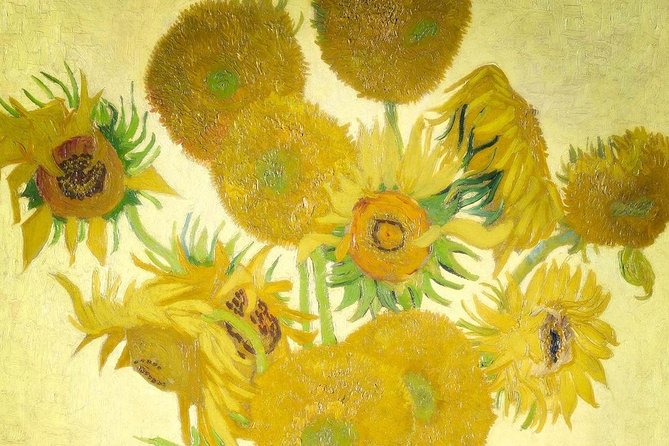
Vincent van Gogh: The Sunflowers
Ending—or at least reaching—Van Gogh gives your eyes a reset. The Sunflowers is where color, brushwork, and emotion move closer to what many modern viewers expect. A guide helps you appreciate it without turning it into a “just enjoy the colors” moment.
This stop also helps you understand the tour’s span: from early European painting foundations up to a style that feels more direct and expressive.
And more
The tour description doesn’t stop at those five, saying and much more. In practice, that means you’ll likely see a series of additional works that support the storyline between the headline artists. You may not have time to scrutinize every painting like you would on a solo day, but you should come away with a clearer sense of how European painting developed.
How the Spanish guide changes the experience (and what to do if you’re not fluent)
This is a Spanish-language guided tour, and that can be a big plus even if your Spanish isn’t perfect. Art explanations often use repeatable structures: who painted it, what’s happening, what visual choices matter, and what historical context helps. That makes it easier to follow than you might expect.
I especially value tours where the guide doesn’t treat art like a museum label. The feedback from Spanish-language experiences in the past highlights guides who explain with passion and keep the group engaged. One reviewer even pointed out how the explanations helped them imagine other ancient worlds in a different museum context, which is a good clue about the teaching style: story-driven, not just facts.
Practical tip for you: if Spanish is a stretch, listen for the guide’s “signposts.” Words tied to time, emotion, and relationships in the scene are usually the easiest to catch. And physically, stay near the guide. With no wireless system, being a few steps back can turn your listening into guessing.
Group size, timing, and pacing: how to avoid art-museum fatigue
At 2 hours 30 minutes, you’re getting a substantial museum experience without drowning. That timing works best if you keep your expectations clear: this tour is designed for key works and understanding themes, not for viewing every corner of the collection.
A small group (max 20) also helps with pacing. You won’t be stuck behind a wall of shoulders, and you can see the guide’s focus areas. The tradeoff is that you may not spend long stretches alone in front of a single painting. If you’re the type who wants 30 minutes with one canvas, plan to add independent time later.
The 4:00 pm start can be a sweet spot. You’re not fighting the earliest crowds, and you still have plenty of daylight afterward for a post-museum stroll or dinner. Just remember: early exits aren’t the goal. The tour ends back at the meeting point, so keep your late plans flexible enough to avoid rushing out the moment you finish.
What’s included, and what’s not (so you don’t get surprised)
Included:
- Museum tickets
- Guide in Spanish
- FREE cancellation
Not included:
- Audio guide
- Wireless system
This inclusion list is the main reason the tour can feel like good value. You’re not paying extra to get into the museum, and you’re paying for human explanation instead of relying on a phone or device.
The absence of audio and wireless is the main drawback to account for. If you’re hard of hearing, or if you prefer quiet and individual listening, you may find this style less comfortable. The solution is simple: choose your place. Aim to stand where you can clearly see and hear the guide, and take short pauses if you need to reset your attention.
Who this tour is best for (and who might want a different plan)
This National Gallery tour in Spanish fits well if you want:
- A guided route through European art from 1250 to the early 20th century
- Help understanding big, famous painters like Jan van Eyck, Botticelli, Leonardo da Vinci, Velázquez, and Van Gogh
- A museum visit that’s structured, not chaotic
It’s also a nice pick if you’re pairing art with language practice. You’ll be inside a world where Spanish is the main tool for interpretation, which makes it feel more useful than classroom learning.
Who might reconsider:
- If you want full control over pace and silence, a guided tour may feel too scheduled.
- If you strongly prefer audio or need wireless hearing support, the lack of these tools could be a dealbreaker.
- If you’re traveling with someone who doesn’t enjoy guided museum time, make sure they’re open to listening and then exploring on their own afterward.
Book or skip? My take on value and fit
I’d book this tour if you want a guided introduction that covers major artists and eras in a sensible amount of time. The strongest reason is value: you get tickets plus a Spanish guide for $25.98, and the small group size (up to 20) makes it feel manageable.
I’d hesitate if you know you rely on audio/wireless systems to enjoy museums, or if you prefer long solitary viewing over group pacing. In that case, you might enjoy the National Gallery more with self-guided time and a separate resource.
If you’re aiming for a smart first visit—or a Spanish-language art evening—this is a very practical way to spend it, especially with a 4:00 pm start and a tour that brings you from early European landmarks toward the emotional punch of Van Gogh.
FAQ
What language is the guide?
The guide is in Spanish.
Where does the tour start?
You start at the National Gallery Shop, The National Gallery, London WC2N 5DN, UK.
When does the tour start?
The start time is 4:00 pm.
How long is the tour?
The duration is approximately 2 hours 30 minutes.
What’s included in the price?
It includes museum tickets and a Spanish guide.
Is an audio guide included?
No. An audio guide is not included.
Is a wireless system included?
No. A wireless system is not included.
Do I get a mobile ticket?
Yes, the tour has a mobile ticket.
How big is the group?
The tour has a maximum of 20 travelers.
Can I cancel for free?
Yes. Cancellation is free, and you can cancel up to 24 hours in advance for a full refund.