REVIEW · LONDON
Royal London: from Saxons to Tudors & Stuarts Walking Tour
Book on GetYourGuide →Operated by Reign of London · Bookable on GetYourGuide
History walks fast when kings are close. This Royal London tour turns central London into a living timeline, moving from Saxons to Tudors to Stuarts with stops that connect big-name monarchy to very real street-level locations. I love the small group size that keeps things human and question-friendly, and I love the pace of just two hours that makes the past feel usable, not overwhelming.
You’ll follow a guide who’s been described as a quirky short lady, and the storytelling style can be humor-forward with real answers on the spot (names like Natalie and Nichole have come up in past groups). One consideration: it’s outside for the full walk, rain or shine, and it’s not suitable for wheelchair users or kids under 13, so plan footwear and weather accordingly.
In This Review
- Key Things I’d Pay Attention To
- Entering The Story: Why This “Saxons to Stuarts” Walk Works
- Starting At Trafalgar Square: Your Two-Hour Setup
- Saxons And The Norman Shock: Edward the Confessor and William Conqueror
- The Tudor Thread: Why These Years Still Control The Conversation
- Henry VIII and Anne Boleyn: The Wedding Location You’ll Remember
- Shakespeare at Court: The Stuart Gem Behind the Premieres
- Charles I’s Last Steps: Following the Love-Torn King to Execution
- No Indoors, All Story: What’s Included (and What Isn’t)
- Price and Value: Getting a Lot of Monarchy for $29
- Rain or Shine: The Practical Stuff That Makes or Breaks It
- Who This Tour Suits Best (And Who Might Feel It’s Not for Them)
- Should You Book This Royal London Walking Tour?
- FAQ
- Where is the meeting point for the Royal London walking tour?
- How long is the tour?
- Is the tour inside any attractions?
- What language is the guide?
- How big is the group?
- Does it run rain or shine?
- Who should not book this tour?
Key Things I’d Pay Attention To
- Six-person limit keeps the focus on you, not a crowd.
- Court stories at street level link monarchy to places you can actually see.
- Shakespeare and the Stuarts are treated as more than trivia.
- Henry VIII and Anne Boleyn get tied to a specific marriage location.
- Charles I’s execution is handled as a real turning point, not just drama.
- No inside visits means you’re always moving, so bring comfort gear.
Entering The Story: Why This “Saxons to Stuarts” Walk Works
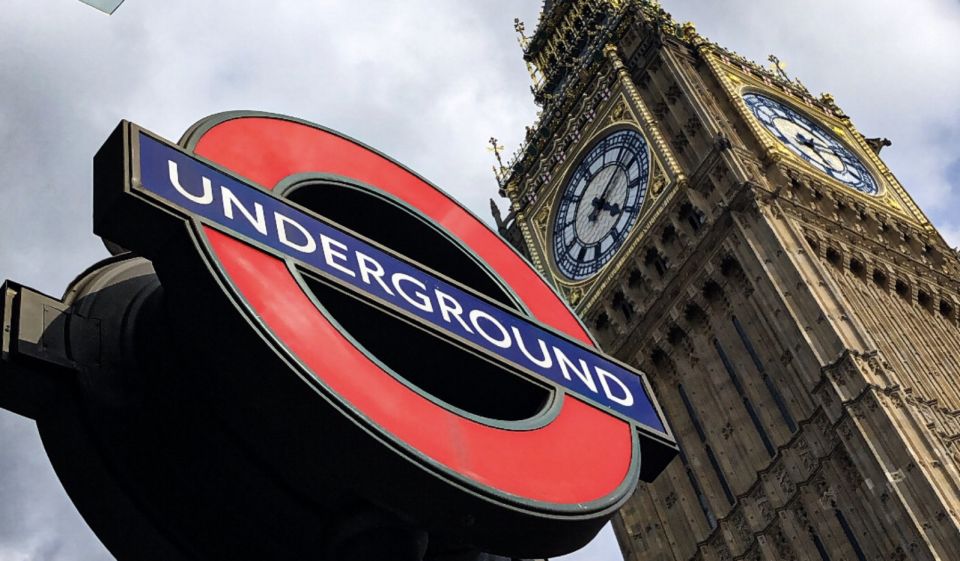
This tour shines because it doesn’t treat British monarchy like a textbook. It treats it like a sequence of decisions, marriages, wars, and public power plays—then anchors those moments to places you pass during the walk. You get the sensation that the city layout itself helped steer history.
I also like that it’s not stuck only on the most famous kings. The walk touches key figures—think Edward the Confessor, William the Conqueror, and the Tudor era—while also connecting why those periods mattered to what came after. That makes the whole sweep from Saxons to Stuarts feel like one story with chapters, not random names.
The vibe is also practical. You’re outside, you’re walking, and you’re getting a clear narrative. That’s especially helpful if you’ve watched royal TV dramas and want the real-world timeline to line up in your head.
You can also read our reviews of more walking tours in London



Starting At Trafalgar Square: Your Two-Hour Setup
You meet at the entrance to Waterstones bookshop at Trafalgar Square (WC2N 5EJ). From there, the guide takes you into the monarchy “map” of central London, using the walk to explain what’s going on under the surface of the streets.
This is a small-group format capped at six participants, and it matters more than you’d think. Smaller groups mean you’re more likely to hear the little clarifications that make history click—like why certain reigns connect to later events, not just what happened.
A quick note: the guide is live and English-speaking, and the tour is outdoors end to end. If you’re traveling in cooler months or rainy season, you’ll want your umbrella ready and your shoes ready first.
Saxons And The Norman Shock: Edward the Confessor and William Conqueror
The walk starts by widening your lens. Instead of jumping straight to Tudor weddings or Shakespeare, it sets up the long runway of English power: who held authority, how legitimacy was argued, and how rule changed when the Norman world arrived.
You’ll hear about Edward the Confessor, which helps explain why the transition into Norman rule wasn’t just a date on a timeline. It was a shift with consequences—political, cultural, and social—and it shaped how later rulers sold their right to govern.
Then comes William the Conqueror, where the story focuses on the impact of conquest. This is one of those moments where a quick street-level explanation beats a lecture, because you start seeing monarchy as a system that moves: land, loyalty, authority, and symbols.
If you’ve ever thought monarchy history feels like it jumps around, this early setup usually fixes that. It gives you the logic that later Tudor and Stuart events build on.
The Tudor Thread: Why These Years Still Control The Conversation
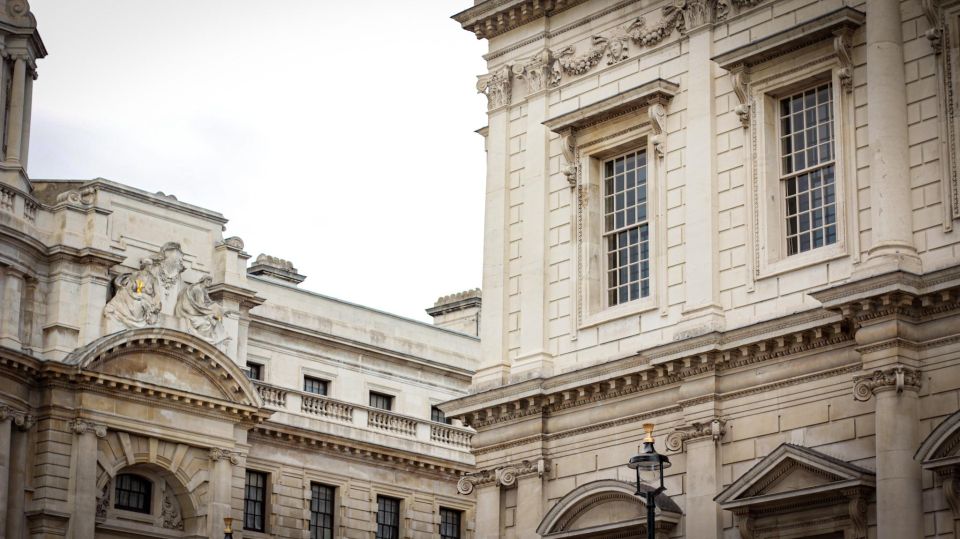
Tudors aren’t just “the famous ones.” The walk makes the Tudor era feel like a hinge—when England’s monarchy became louder, more political, and more tightly linked to public identity.
This is where the tour starts connecting the idea of monarchy to lived consequences. You get the sense that power wasn’t only about who wore the crown, but about who could manage religion, relationships, and public legitimacy.
Tudors also set up the next chapter. Once you understand what the Tudor rulers were trying to secure, the Stuart era and its dramatic court culture make much more sense. It’s like learning the rules of a game before watching people play it.
Henry VIII and Anne Boleyn: The Wedding Location You’ll Remember
Now for one of the tour’s biggest draws: Henry VIII’s marriage to Anne Boleyn. You don’t just hear that it happened—you hear where it fit into the court world, and why that marriage became a turning point rather than a private event.
The story matters because Anne Boleyn’s rise wasn’t isolated. It connected to how Henry VIII reshaped the monarchy’s direction and how personal decisions had national consequences. That’s why this part of the walk feels almost cinematic: it’s royal, tense, and consequential all at once.
If you’re a fan of royal period dramas, this is a great place to see what’s on-screen compared to what actually drove the drama. You’ll come away with a clearer mental map of why Henry VIII and Anne Boleyn are treated like a defining love-and-power story in British history.
It’s also a good moment to ask questions. The guide can usually connect the dots quickly between Tudor politics, public perception, and the next era’s court atmosphere.





Shakespeare at Court: The Stuart Gem Behind the Premieres
One highlight is the “Stuart gem” tied to where Shakespeare premiered his plays. This is where the walk turns from pure political history into cultural history, without losing the plot.
What I like here is the framing. Shakespeare’s premieres aren’t treated like a standalone cultural event. They’re placed in the world of court politics, patronage, and prestige—where art and authority constantly crossed paths.
You’ll walk away with a better feel for how the Stuarts operated at court: not only ruling, but performing power. That helps explain why later audiences still associate this period with drama—because the court itself created drama.
If you watch writers and actors now, you already understand the basics: who pays, who praises, who controls access. This tour gives you that same idea—applied to monarchy—so Shakespeare feels more grounded than just a famous name.
Charles I’s Last Steps: Following the Love-Torn King to Execution
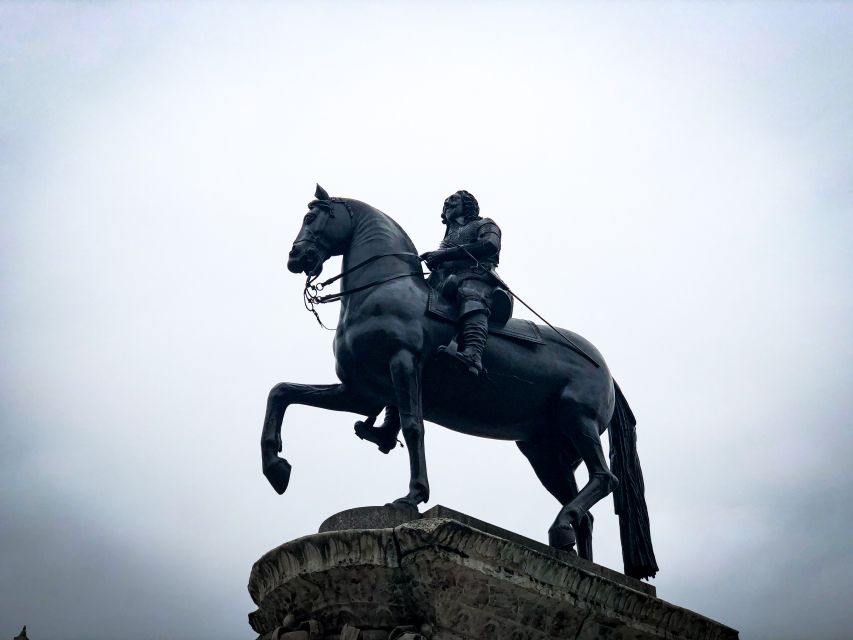
Then the walk moves into the story of Charles I, including the moment when he lost his head. This is the tour chapter with the sharpest emotional edge, because it’s where politics turns final and compromise runs out.
The highlight calls him love-torn, and that’s a key point. You’ll learn why the story isn’t only about a king being defeated. It’s about the tension between public authority and private strain, and how those pressures collide in a moment of execution.
Even if you’ve seen paintings or movie scenes of Charles I’s end, the power of the walking format is that it makes you face the reality: this wasn’t fantasy. It was a real political end point that changed the direction of the monarchy.
This section can be intense, but it stays clear. The guide’s job here is to keep the thread straight—who, why, and what changed afterward—so you leave with understanding, not just shock.
No Indoors, All Story: What’s Included (and What Isn’t)
This experience is a walking tour with no visits inside ticketed attractions. That’s stated up front, and it’s actually a smart choice for some travelers.
When the focus is outside-only, the guide can spend more time on narrative and less on queues, entrances, and time inside museums. If you like history explained in plain language, this format works well.
The trade-off is obvious: you’re relying on the guide’s storytelling and the locations you can see from the street. If you’re hoping for guided entry into buildings, you won’t get that here.
Price and Value: Getting a Lot of Monarchy for $29
At $29 per person for a 2-hour guided walk, you’re paying for interpretation, not admissions. And that can be excellent value in London—especially when the tour is capped at six people.
What justifies the price is the density of topics packed into a short window: Saxons, Edward the Confessor, William the Conqueror, the Tudor era, Henry VIII and Anne Boleyn, Shakespeare tied to the Stuarts, and Charles I’s execution. That’s a lot of “context stitching” for one walk.
It also helps that you’re not spending time on indoor transport logistics for multiple sites. You meet, you walk, you listen, you go. That makes it easier to fit into a day that’s already packed with the big-ticket London highlights.
I’d still be honest: if you want hands-on museum time or interior palace details, you may prefer a different tour style. But for a street-level story of monarchy, this one is hard to beat.
Rain or Shine: The Practical Stuff That Makes or Breaks It
This tour runs rain or shine and stays outdoors the full time. You’ll want to treat comfort as part of your planning, not an afterthought.
Bring:
- Comfy shoes (you’ll be on your feet for two hours)
- A bottle of water (hydration matters, even in mild weather)
- An umbrella, just in case
Toilets are available in Trafalgar Square, but opening hours can change. I recommend planning a quick stop before the start if you’re the type who hates last-minute surprises.
Also remember it’s not designed for wheelchair users or people with mobility impairments, and it’s not suitable for children under 13. If you fit those boundaries, you’ll likely find the pace manageable.
Who This Tour Suits Best (And Who Might Feel It’s Not for Them)
This is a strong match if you:
- Like royal drama shows and want the real history behind the plotlines
- Want a quick, organized timeline from Saxons to Stuarts
- Enjoy asking questions and getting answers in a small group
It’s also good for first-timers in London because meeting at Trafalgar Square keeps things easy to locate. You don’t need to chase obscure meeting points.
You might choose something else if you:
- Want indoor access to major sites
- Need step-free or wheelchair-friendly routes
- Are traveling with children under 13
In other words: it’s a storytelling walk. If that sounds like your kind of London day, it’s a solid pick.
Should You Book This Royal London Walking Tour?
I think you should book if your goal is to understand monarchy as a chain reaction—how earlier power shifts set up Tudor choices, which then feed into Stuart court culture and the tragic ending of Charles I. The small group cap and the focus on specific moments like Anne Boleyn’s marriage and Shakespeare’s premieres make it more than a generic history walk.
If you hate outdoor walking in bad weather, or you want museum-style content with indoor entries, then skip it and look for a different format. But for most people who want a sharp, guided timeline with a touch of humor and a clear narrative, this one is a smart use of time in London.
FAQ
Where is the meeting point for the Royal London walking tour?
You meet at the entrance to Waterstones bookshop, Trafalgar Sq, WC2N 5EJ, UK.
How long is the tour?
The tour lasts 2 hours.
Is the tour inside any attractions?
No. The walking tour takes place outside and does not include visits to places of interest.
What language is the guide?
The live tour guide speaks English.
How big is the group?
The tour is limited to 6 participants.
Does it run rain or shine?
Yes, it takes place rain or shine, and you will be walking outside for the entire two hours.
Who should not book this tour?
It is not suitable for people with mobility impairments, wheelchair users, or children under 13 years.