REVIEW · LONDON
London: Jack the Ripper Guided Walking Tour
Book on GetYourGuide →Operated by London Mystery Walks · Bookable on GetYourGuide
Whitechapel after dark turns fact into unease. I especially like the small group size and the victim-and-suspect photos, because they help you connect the story to real places. The one drawback to plan for is the pace and walking: you’re moving through cobbled streets, so wear sturdy shoes and don’t expect a casual stroll.
You’ll meet at Aldgate Tube Station (Circle line & Metropolitan line exit), then get guided through East London’s alleys and darker streets tied to Jack the Ripper and the wider life of the area. You’ll also see stops that go beyond crime—think places tied to poverty and daily survival like a Victorian bath house and a Jewish soup kitchen—so the murders land in a bigger, grimmer social context.
In This Review
- Key things to know before you go
- Whitechapel at night: why this area feels different
- Price and what $26 buys you in real terms
- Aldgate meeting point: getting started without wasting time
- Your guide: Paul Mansfield (and what different guides can mean)
- Cobblestones, poverty, and the East End you’re actually walking through
- Photo stop in Whitechapel: what the images add
- Victorian bath house and Jewish soup kitchen: the story beyond the murders
- Group size and conversation: how the walk feels in practice
- Weather, comfort, and who should skip this one
- Should you book this Jack the Ripper walking tour?
- FAQ
- How long is the London Jack the Ripper Guided Walking Tour?
- Where do I meet for the tour?
- How much does the tour cost?
- Is the tour wheelchair accessible?
- What language is the live guide speaking?
- Is the tour suitable for young children?
- What should I wear or bring?
- What’s not allowed on the tour?
- FAQ
- What happens if the weather is bad?
- Is this tour a small group?
- Who runs the tour?
- Is the tour suitable for people with heart problems?
- Are photos included?
- Can I cancel for a refund?
- Is there an option to pay later?
- Are food or drinks included?
Key things to know before you go
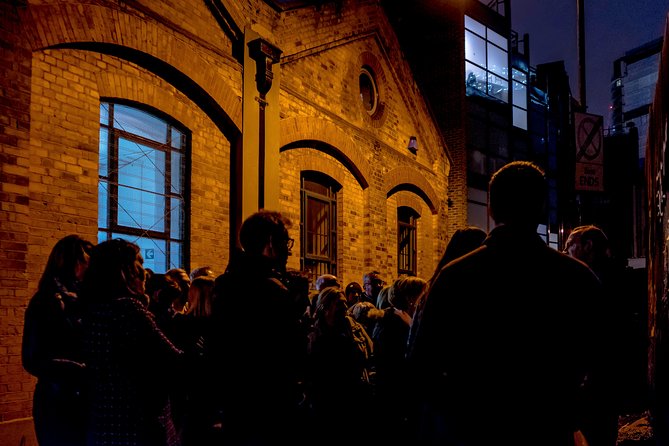
- Small group (up to 10): easier questions, less crowd noise, and you stay together on the lanes.
- Photos of victims and suspects: you’re shown images during the walk, not just talked about later.
- Experienced Ripper guide: Paul Mansfield is described as a Ripperologist for over 18 years.
- Whitechapel setting on foot: cobbled alleyways and spooky streets are part of the point.
- East End life, not only murders: you’ll hear about poverty, policing strain, and the broader neighborhood.
Whitechapel at night: why this area feels different
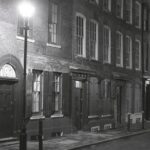
There’s a reason Jack the Ripper tours keep returning to Whitechapel. This isn’t just about a set of famous names; it’s about streets that shaped daily life for working people—crowded, rough, and stretched thin. On this tour, you’ll walk through that atmosphere as you’re guided from spot to spot, with your guide tying each turn in the road to what life looked like back then.
What I like most is that the tour doesn’t treat the crimes like movie props. The route focuses on East End realities: overcrowded housing, poverty you could recognize, and how hard it was for police to keep up. You’ll hear the period described in blunt terms—life was cheap, crime was common, and investigations faced serious obstacles. That context matters, because it changes the tone from gossip to history.
And yes, it’s a night walk. Even without trying to be theatrical, the cobbled lanes and darker streets create a mood that’s hard to replicate in a daytime museum. If you’re the type who likes your history with atmosphere (but not cheap jump-scares), you’ll get it.
You can also read our reviews of more walking tours in London



Price and what $26 buys you in real terms
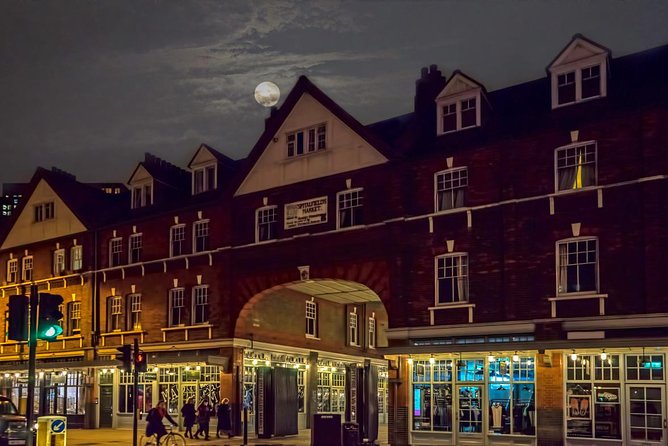
At around $26 per person for a 1.5-hour walk, you’re paying for three things: time, a live guide, and on-the-spot interpretation. This isn’t a long bus day where you get a quick stop and a snack. It’s a focused guided walk with a professional guide and photos shown during the tour.
The small group size (limited to 10) is also part of the value. With fewer people, you’re more likely to hear details clearly and get your questions answered while they still fit the moment. One review highlights that the walk included crime-scene locations and lanes like Spitalfields, which is the kind of “we’re actually here” experience you want for this subject.
If you compare it to other London activities, this is one of those bookings that pays off mainly because a good guide does the heavy lifting. For this topic—where people often know only a few headlines—having an experienced Ripperologist and a guide who can explain the era is what makes the ticket feel worth it.
Aldgate meeting point: getting started without wasting time
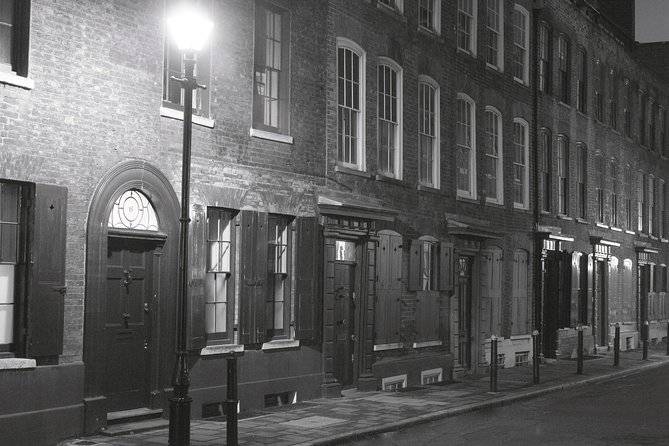
The meeting point is Aldgate Tube Station—specifically the exit for the Circle line and Metropolitan line. Double-check this. There’s also an Aldgate East station nearby, and the tour notes that you should not go there.
Once you’re there, the rest is straightforward: you’ll walk with your guide for about 90 minutes and return back to Aldgate Tube. That “start and finish at the same station” setup is genuinely convenient in London. You don’t need to worry about where to catch a late-night bus or which Tube station is closest.
A practical note: the tour takes place whatever the weather. So bring the right shoes and clothing for your conditions. You’ll be moving on uneven ground, and several rules point to keeping things calm and safe—no alcohol or drugs, no intoxication, and no bare feet.
Also keep in mind who the walking style suits. The tour is not suitable for young children under 10, and it’s not suitable for people with heart problems. If you’re sensitive to steady walking or you have health limits, plan accordingly.
Your guide: Paul Mansfield (and what different guides can mean)
The tour’s listed guide is Paul Mansfield, described as a Ripperologist for over 18 years. That background matters here. This isn’t only about where the murders happened; it’s about the web of suspects, reporting, and how East End life interacted with fear and policing.
In one experience, another guide—Mick—was mentioned as very informative, with a great sense of humor. That’s a good sign. Humor can make a grim topic more tolerable without turning it into a joke.
That said, not every guiding style will match everyone’s preferences. One feedback point was that a guide can talk quickly in English, so if you’re not a native speaker, stay attentive—don’t rely on catching every word at a slow pace. Another feedback point was that some guides may mix in stories about their film or media connections; if you want the tour to stay strictly on the cases and street history, go in knowing that personality may shape the delivery.
Bottom line: you’re choosing a walking conversation, not a silent headset tour. The best way to get value is to listen for the details you care about—poverty and policing, suspects and photos, or the way the neighborhood’s reputation formed over time—and ask questions while your guide is in that subject zone.
Cobblestones, poverty, and the East End you’re actually walking through
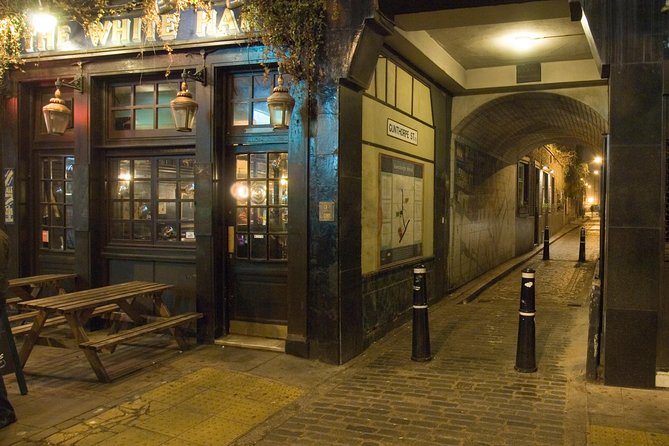
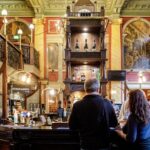
As you leave Aldgate and head into the East End streets, your guide frames what you’re seeing: cobbled lanes, older neighborhood textures, and landmarks that signal how everyday life worked. One detail I’d call out is the tour’s attention to long-standing local places, including pubs dating back to 1721. That’s the kind of anchor that helps you picture the area before and after the famous headlines.
You’ll also get stops tied to Victorian-era daily life, including a Victorian bath house and a Jewish soup kitchen serving Jewish poor. Those aren’t “side quests.” They’re there for a reason. The murders can’t be understood cleanly without understanding the neighborhood’s routine struggles—where people lived, how they stayed clean or fed, and how thin resources were.
The guide also connects Whitechapel to cultural touchstones associated with the era and neighborhood reputation: Charles Dickens and Oliver Twist, Karl Marx, the Elephant Man, the Bodysnatchers, and the Krays. Some of those names are more famous than accurate to the precise street-corner details, but the theme is still useful. You’re learning how the East End became a symbol in Britain—made of real conditions, real fear, and real stories that later got repeated.
One thing you should expect is blunt talk about crime and policing pressure. The tour describes the police as overworked and not solving many crimes, and it sets the murders in a landscape where people feared violence as part of life. If you can handle that kind of realism, the tour will feel more meaningful.
If you can’t, you still might enjoy it—but you’ll want to remind yourself that this is about human suffering, not just entertainment.
You can also read our reviews of more guided tours in London


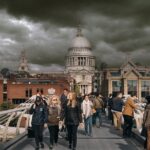


Photo stop in Whitechapel: what the images add
At Whitechapel, you’ll have a photo stop as part of the tour. This is one of the highlights: you’re shown photographs of victims and suspects, rather than hearing only verbal descriptions.
For a subject like Jack the Ripper, photos do a specific job. They give your brain something concrete to hold onto while your guide layers in context. Without images, it’s easy to let the story float in headline-land. With photos, it becomes more personal and specific—even though the images are tied to a grim reality.
The tour also includes a warning around more graphic images, which matters. If you’re sensitive, you’ll appreciate that your guide prepares you before things get more intense. It’s still a history walk, but it doesn’t pretend the topic was clean or harmless.
Here’s my practical advice: if you want to understand the case logic (who was suspected, how names and descriptions circulated), lean into the photos and let the guide walk you through what you’re looking at. If you mainly want neighborhood history, you can still enjoy this stop—you’ll just treat the images as part of the era’s record, not the only focus.
Victorian bath house and Jewish soup kitchen: the story beyond the murders
One of the smartest choices in this itinerary is giving you time on the lived-in parts of the East End—especially stops tied to hygiene and hunger. A Victorian bath house isn’t just an architectural curiosity; it’s a window into how people dealt with daily survival in crowded conditions.
Then there’s the Jewish soup kitchen for the Jewish poor. That stop is a reminder that the East End wasn’t one-size-fits-all. There were communities within the neighborhood, with their own networks of support and their own vulnerabilities. When you connect those realities to the way crime and fear spread, the case story stops being a single-track obsession and becomes something closer to a study of a society under strain.
This is where the tour earns its “more than the murders” reputation. If you love London for its human stories—not only its famous landmarks—this portion is likely to be one of your favorite stops. It also helps you make sense of why the neighborhood’s reputation stuck. It wasn’t built only from sensational crimes; it was built from persistent hardship.
Group size and conversation: how the walk feels in practice
This tour keeps groups small, limited to 10 participants. That changes the experience. In a small group, you can actually hear your guide when you pause at a point of interest, and you can ask questions without feeling like you’re interrupting a wall of strangers.
It also affects pacing. In one positive note, the guide helped accommodate someone using a motorized wheelchair, showing real awareness of accessibility needs. Since the tour is listed as wheelchair accessible, that’s reassuring. Still, the tour is a walking tour with cobbles and time spent outdoors, so come prepared and be honest with yourself about stamina.
The best-fit crowd is adults and older kids (10+), plus anyone who enjoys history explained out loud while you’re physically in the streets. If you’re looking for a party-style night out, note the rules: no alcohol and no intoxication.
If you’re a fan of storytelling with personality, this guide format should suit you. Just remember: personality can cut both ways. One concern mentioned a guide spending time on themselves and connections to movies and movie stars. That isn’t guaranteed, but it’s a fair consideration. If your ideal tour is strictly crime-case focused, be ready to steer the conversation toward the streets and the evidence.
Weather, comfort, and who should skip this one
The tour runs in whatever weather. That means you need to dress for cold rain or windy streets. The route includes cobbled alleyways and dark streets, so comfort is safety. Bring comfortable shoes—non-negotiable.
There are also clear behavior rules: drones aren’t allowed, and you can’t show up intoxicated or bring alcohol or drugs. Bare feet are also prohibited. There are specific rules against bachelor and bachelorette party groups, which keeps the tone more respectful for a subject tied to real victims.
Health matters too. It’s not suitable for people with heart problems. If you fall into that category, choose a different kind of experience—something with fewer steady walking demands.
If you’re worried about getting too much graphic material, the tour includes warnings about more graphic images. You’ll be able to decide how comfortable you feel as you go.
And about language: if your English listening speed isn’t automatic, keep your attention sharp. Some guides speak quickly, and this tour relies on you catching details during street pauses.
Should you book this Jack the Ripper walking tour?
I think this is a strong pick if you want a London evening that’s part history lesson, part street-level story. It’s good value for the time—especially because you’re paying for a live guide and on-the-spot photographs, not just a route map. The small group size helps a lot, and the inclusion of places like a Victorian bath house and a Jewish soup kitchen makes the murders feel grounded in real lives.
You should probably skip it if:
- you want a light, entertainment-only night (the subject is grim),
- you need very slow, easy walking, or you have health limits like heart problems,
- you’re bringing very young kids (under 10 isn’t suitable),
- or you’re easily overwhelmed by graphic material, even with warnings.
If you’re the type who enjoys London’s darker past—but still wants context—you’ll likely leave with a sharper sense of Whitechapel as a place, not just a set of famous names.
FAQ
How long is the London Jack the Ripper Guided Walking Tour?
It lasts 1.5 hours (about 90 minutes).
Where do I meet for the tour?
You meet at Aldgate Tube Station, using the Circle line & Metropolitan line exit. Don’t go to Aldgate East Station.
How much does the tour cost?
The price is listed as $26 per person.
Is the tour wheelchair accessible?
Yes, it’s listed as wheelchair accessible.
What language is the live guide speaking?
The live tour guide speaks English.
Is the tour suitable for young children?
No. It’s not suitable for young children under 10.
What should I wear or bring?
Wear comfortable shoes.
What’s not allowed on the tour?
Drones are not allowed, and intoxication, alcohol, drugs, and bare feet are not allowed. Bachelor and bachelorette party groups are also not allowed.
FAQ
What happens if the weather is bad?
The tour takes place whatever the weather.
Is this tour a small group?
Yes. It’s limited to 10 participants.
Who runs the tour?
The experience provider is London Mystery Walks.
Is the tour suitable for people with heart problems?
No, it’s not suitable for people with heart problems.
Are photos included?
Yes. The tour includes photos shown by the professional guide during the walk.
Can I cancel for a refund?
Free cancellation is available up to 24 hours in advance for a full refund.
Is there an option to pay later?
Yes. It offers reserve now & pay later.
Are food or drinks included?
No. Food or drinks aren’t included.